(7% discount is applied at checkout)
Cart is empty
Your go-to destination for cutting-edge server products
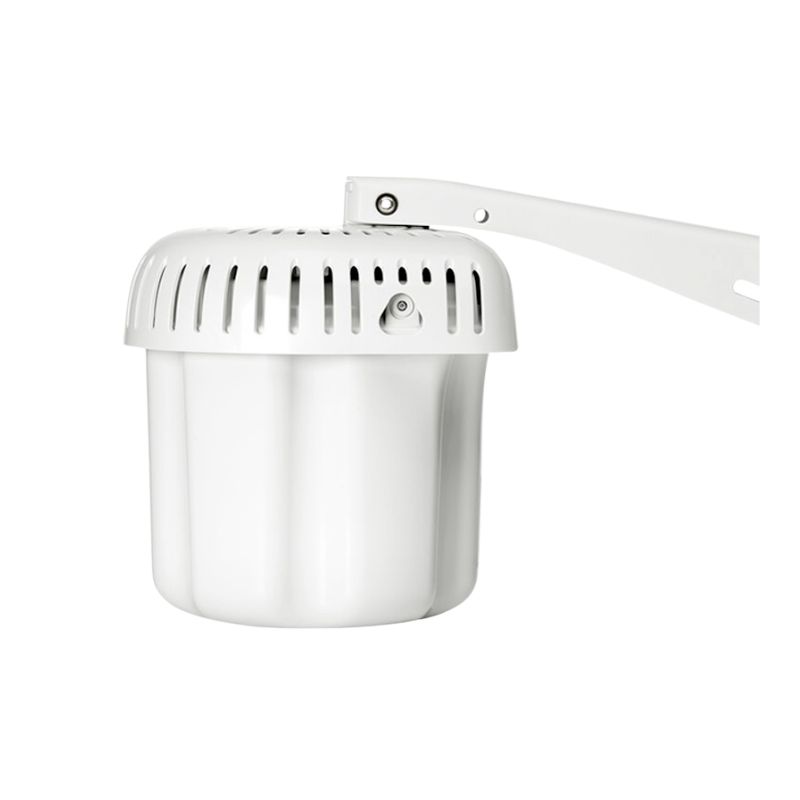


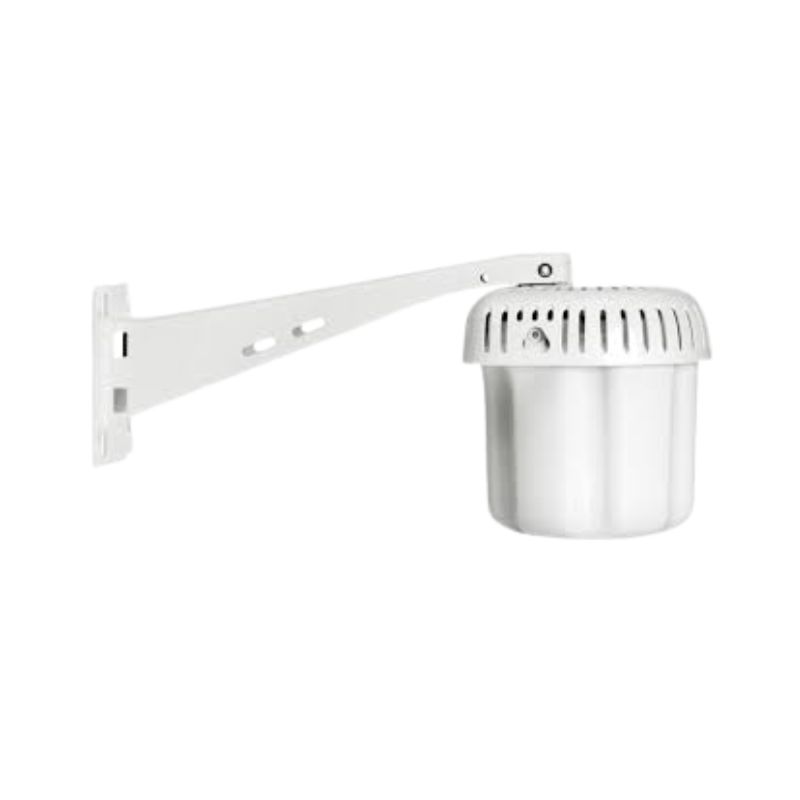
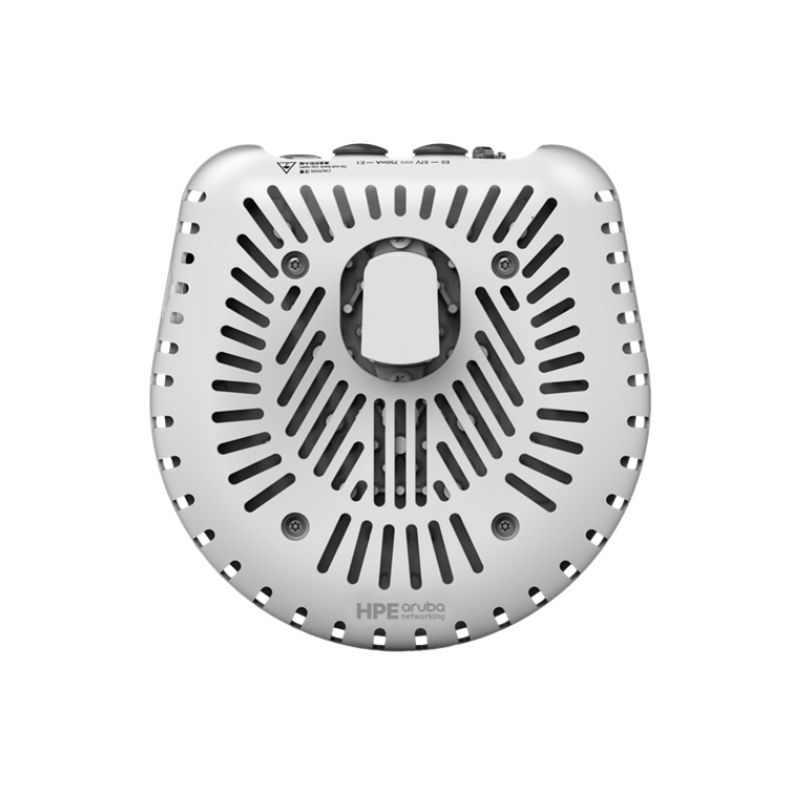
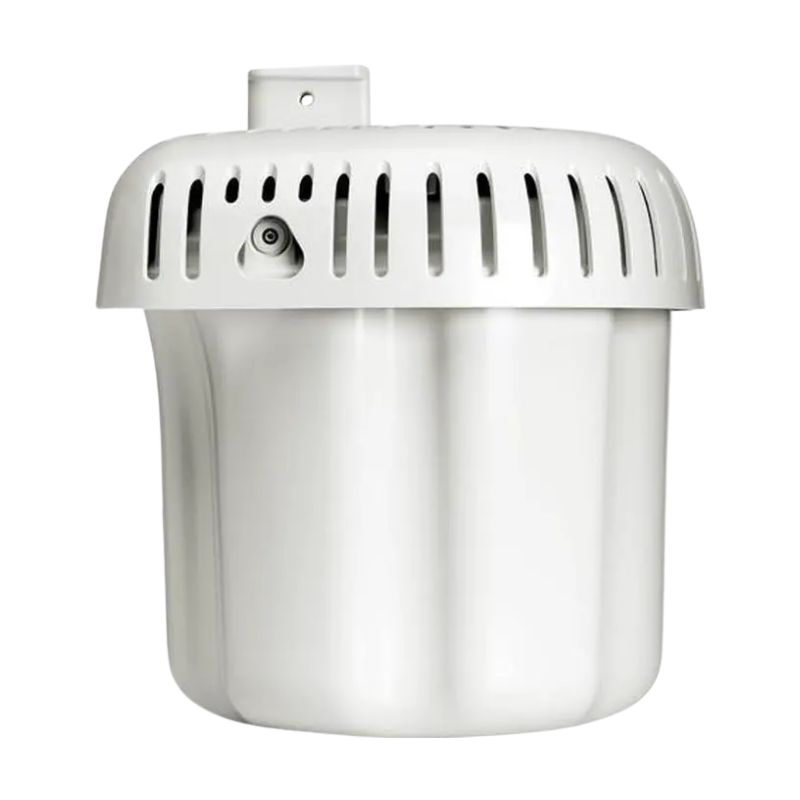
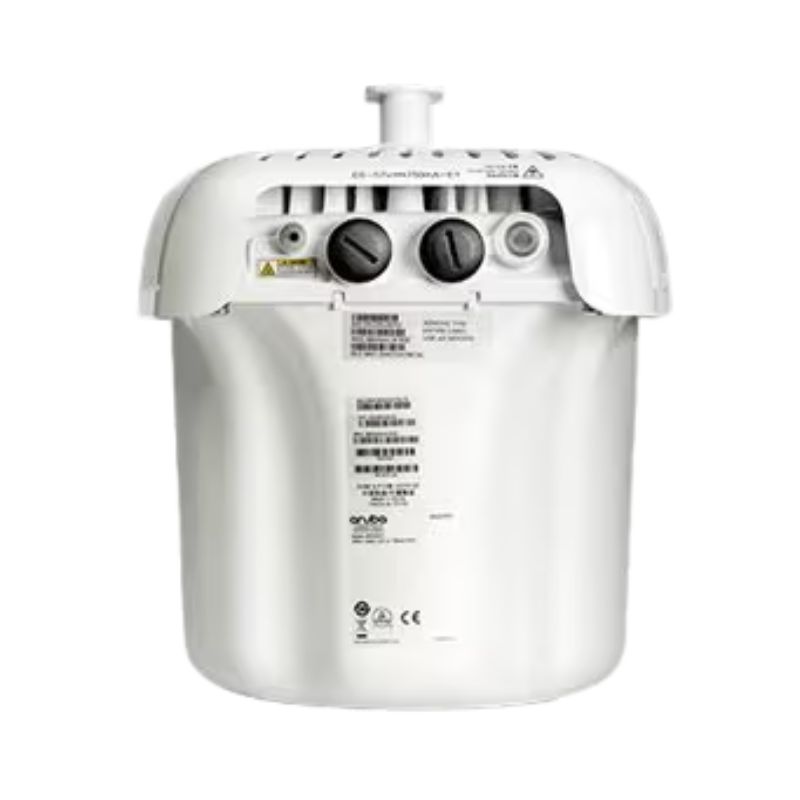
HPE AP-577-US Aruba AP-577 Wireless Access Point. Factory-Sealed New in Original Box (FSB) with 3 Years Warranty
The HPE Aruba AP-577-US is a rugged, high-performance wireless access point engineered for outdoor deployments. Designed to provide exceptional connectivity in open spaces, this device delivers enterprise-grade Wi-Fi with advanced security, scalability, and reliability. Its robust weatherproof casing makes it ideal for challenging environments where stable wireless communication is required.
The AP-577-US HPE Aruba AP-577 Wireless Access Point category groups enterprise-class access points engineered for high-density, mission-critical wireless deployments. This category page focuses on the AP-577 family and its closely related SKUs, variations, and accessories, presenting detailed descriptions, deployment guidance, technical highlights, and purchase considerations that help IT decision-makers, network architects, integrators, and procurement teams quickly assess suitability for campus, branch, retail, healthcare, hospitality, and industrial environments.
Understanding the technical hallmarks of the AP-577 family helps align product selection with performance expectations. Below are key technical attributes commonly associated with AP-577 devices and the category’s value proposition:
AP-577 access points are positioned as enterprise-grade radios designed to handle dense user populations and mixed device types. Typical characteristics include multi-band operation, advanced spatial streams, and radio technologies that optimize spectral efficiency. These radios focus on consistent throughput under load and predictable client experiences across latency-sensitive applications.
Scalability is a primary design consideration. The AP-577 series aims to support dozens to hundreds of concurrent clients when deployed with proper planning and infrastructure (switching, PoE, and uplink aggregation). Features that enable density include airtime fairness, dynamic channel selection, band steering, and advanced multi-user features to maximize usable capacity.
Enterprise-class access points in this category typically offer robust security capabilities such as WPA3 support, 802.1X/RADIUS integration, secure guest onboarding, role-based access control, and radio-level segmentation for IoT and BYOD devices. These APs often integrate tightly with Aruba’s security stack for automated threat detection and policy enforcement.
The AP-577 family is commonly managed via Aruba Central (cloud-managed) or an on-premises Aruba Mobility Controller / ArubaOS. Management capabilities include zero-touch provisioning, template-based configuration, real-time telemetry, location services, and analytics-driven insights. For organizations that want centralized visibility and automation, Aruba Central adds multi-site orchestration, firmware scheduling, and security posture monitoring.
This section expands the category description with feature-level detail useful for technical comparisons, RFPs, and product sheets.
Expect support for modern authentication schemes, certificate-based 802.1X, MAC-based profiling for legacy devices, and the latest encryption standards suited for enterprise environments. These features help meet compliance requirements and protect sensitive traffic.
Role- and device-based access control are essential for protecting networks that host mixed traffic types (guest, contractor, IoT, corporate). Aruba’s policy framework enforces segmentation at both the access and transport layers, enabling secure multi-tenant use and least-privilege models.
Integrated threat detection — including rogue AP detection, wireless intrusion prevention, and automated quarantine workflows — reduces time-to-remediation. For advanced use, tie the AP-577 to a broader security fabric that shares telemetry across access, network, and endpoint domains.
Effective deployment maximizes performance and reduces ongoing operational costs. Use the following practical guidance when designing networks with AP-577 devices.
The AP-577 category page should outline compatibility with existing network ecosystems, third-party integrations, and IoT devices:
While AP-577 units are typically validated with Aruba CX and Aruba-branded switches, they also operate with standards-based switches supporting PoE and necessary VLAN/ACL features. For advanced features such as controller-driven policies, ensure firmware versions and controller models are compatible with the chosen AP-577 SKU.
Modern deployments often integrate with mobile engagement platforms, location services, building management systems, and ITSM tools. Aruba provides APIs, webhooks, and integration points via Aruba Central that can surface client presence, location analytics, and telemetry for business applications.
Expect support for Bluetooth Low Energy (BLE) for proximity services, asset tracking, and IoT onboarding. The AP-577 category should list BLE capabilities and best practices for coexisting BLE beacons and Wi-Fi traffic on the same platform.
Consider future device trends and application growth. If a campus expects rapid device growth or a move to more advanced Wi-Fi features, prioritize models with higher throughput headroom, additional radio chains, and multi-gig uplinks where possible.
While specific deployments vary, typical success stories for AP-577-class devices highlight improvements in connection density, simplified centralized management, reliable guest onboarding, and measurable reductions in Wi-Fi-related support tickets. When possible, include anonymized metrics such as “X% fewer dropped voice calls” or “Y% increase in throughput for peak-hour usage” and link to validated references or customer testimonials.
For technical pre-sales, request a network assessment or predictive site survey from a certified Aruba partner. For post-sales support, link customers to Aruba’s official support portal, Aruba Central documentation, and authorized integration partners for configuration and managed services.
Device capabilities vary by regulatory domain. Ensure you choose the correct regional SKU and consult local regulations regarding channel usage and dynamic frequency selection (DFS) requirements. Warranty and support terms may vary by country and authorized reseller policies.


 Contact Us
 Information
 Catalog
 Solid State Drives (SSD)
 Network Switches
 Hard Disk Drives
 HBA & Controllers
 PC & Servers
 PC & Server Memory
 CPU & Processors
 Network Routers
 Power Supplies
 Tape Drives & Libraries
 Network Devices
 Computer & Network Cables