(7% discount is applied at checkout)
Cart is empty
Your go-to destination for cutting-edge server products
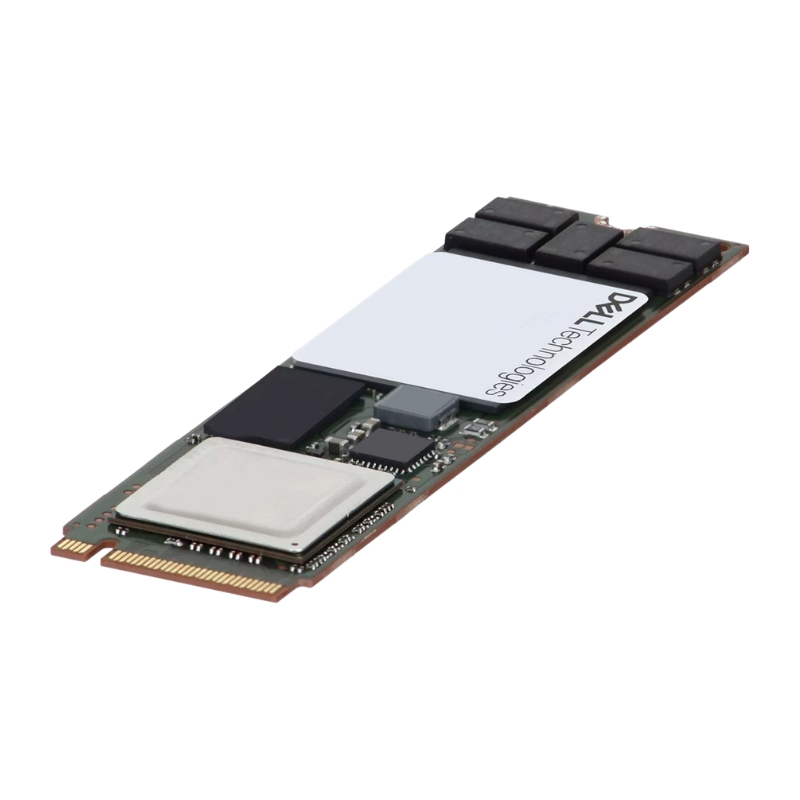


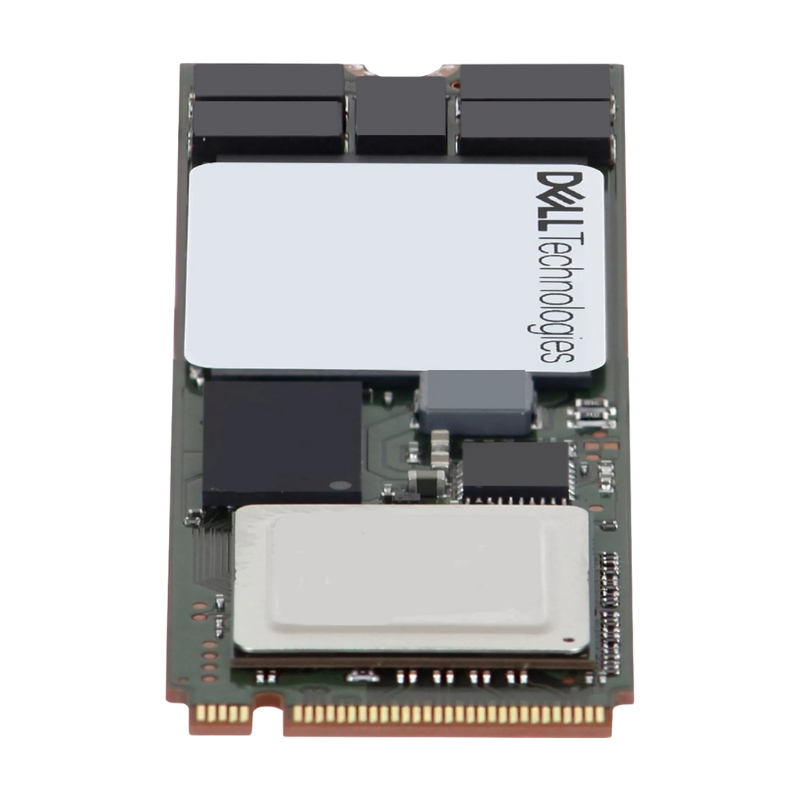
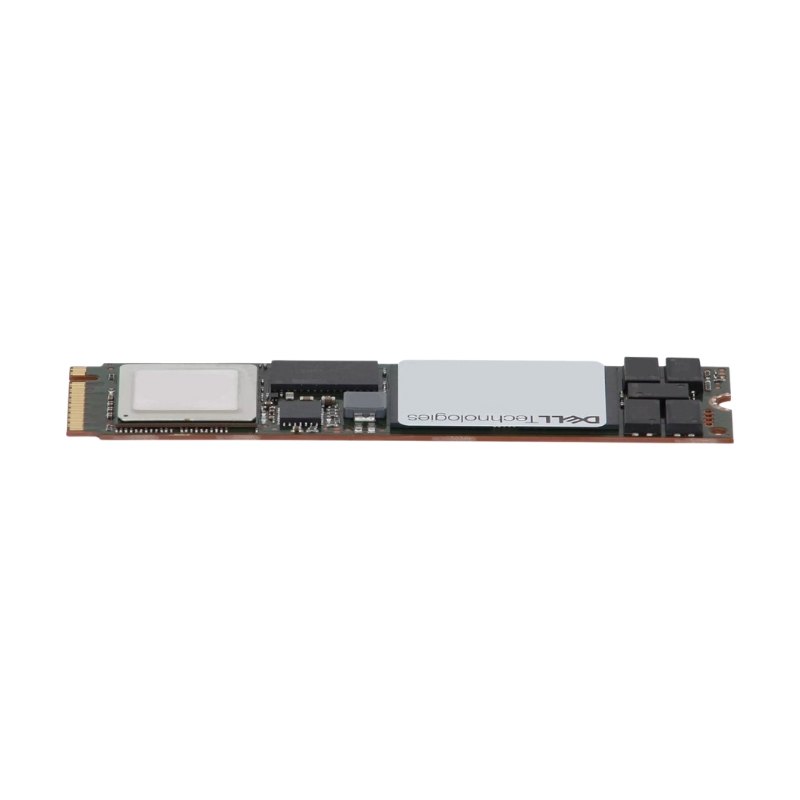
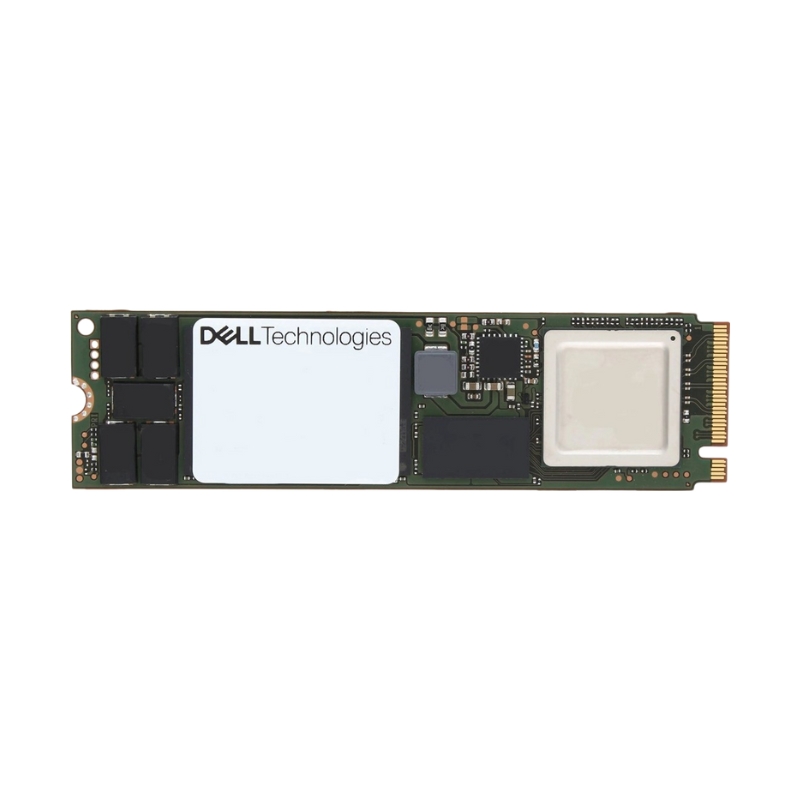
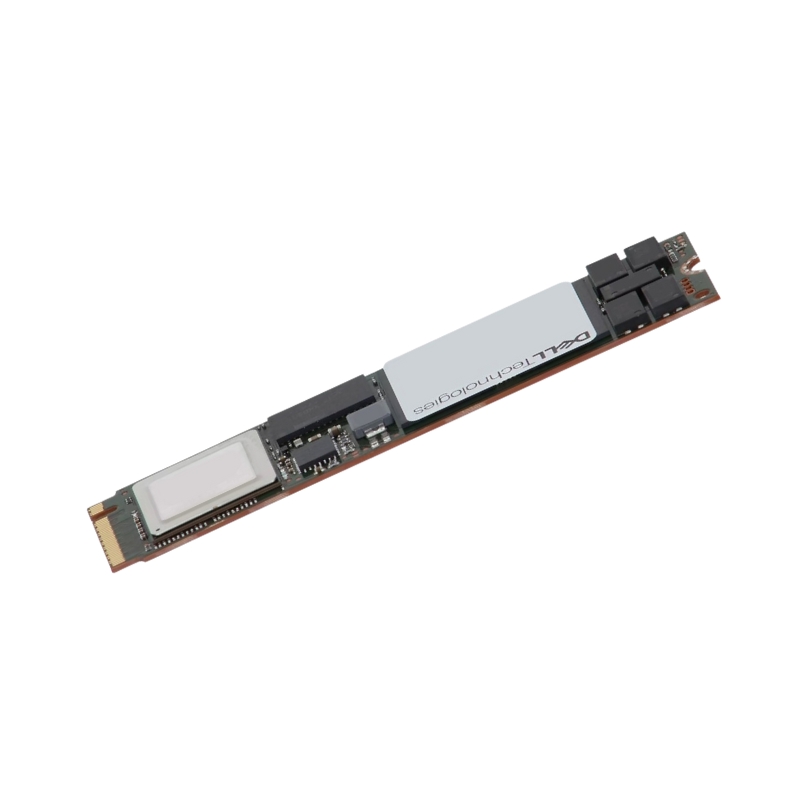
Dell 345-BJYJ 960GB NVMe M.2 2280 PCIe Gen4 X4 Read Intensive 1DWPD TLC Enterprise Solid State Drive For Server. Excellent Refurbished with 1 year Replacement Warranty
The Dell 345-BJYJ is a high-performance enterprise-grade solid state drive engineered for server environments. Designed with advanced NVMe technology, this SSD ensures fast data access, reliability, and efficiency for read-intensive workloads.
The Dell 345-BJYJ 960GB NVMe M.2 2280 PCIe Gen4 X4 Read Intensive 1DWPD TLC Enterprise Solid State Drive is engineered to meet the growing performance demands of modern enterprise servers, virtualization clusters, data-intensive applications, cloud computing environments, and high-availability infrastructure. Designed specifically for enterprise-grade deployment, this SSD combines exceptional speed, endurance, reliability, and power efficiency in a compact M.2 2280 form factor that aligns perfectly with next-generation server architecture.
Organizations operating mission-critical workloads require storage devices capable of delivering consistent performance under sustained operational pressure. The Dell 345-BJYJ enterprise SSD addresses these requirements with PCIe Gen4 x4 NVMe technology, enabling significantly faster data throughput compared to traditional SATA SSDs and legacy SAS storage solutions. Its 960GB capacity provides an optimal balance between storage density and operational efficiency, making it suitable for a wide variety of server applications that depend on rapid data access and low latency performance.
As enterprise workloads continue evolving toward real-time analytics, virtualization, AI-driven operations, edge computing, and cloud-native applications, server storage systems must adapt to increasingly complex performance requirements. The Dell 345-BJYJ SSD delivers the speed and responsiveness necessary for these modern infrastructures while maintaining enterprise-grade reliability standards expected in business-critical environments.
At the core of the Dell 345-BJYJ SSD lies advanced NVMe architecture specifically optimized for enterprise deployment. NVMe, or Non-Volatile Memory Express, was developed to unlock the full potential of flash-based storage by minimizing bottlenecks associated with older storage communication protocols. Unlike SATA interfaces that were originally designed around mechanical hard drive limitations, NVMe technology takes full advantage of flash memory capabilities and PCIe bandwidth.
The PCIe Gen4 x4 interface dramatically enhances sequential and random performance characteristics, enabling faster application loading, reduced database response times, improved virtualization efficiency, and accelerated transactional processing. Enterprise IT environments benefit from this architecture through lower latency, higher IOPS capabilities, and enhanced multitasking performance across demanding workloads.
Modern data centers increasingly rely on NVMe storage to support intensive operations such as virtual machine deployment, container orchestration, software-defined storage environments, and cloud infrastructure scaling. The Dell 345-BJYJ SSD is designed to operate efficiently within these infrastructures, delivering the consistency and responsiveness required for enterprise-grade service delivery.
PCIe Gen4 technology provides a substantial leap in bandwidth compared to PCIe Gen3 storage solutions. The Dell 345-BJYJ utilizes four PCIe Gen4 lanes to achieve exceptional throughput levels that support modern server workloads requiring rapid access to critical data.
Enterprise applications often depend on storage subsystems capable of handling simultaneous requests from multiple users, virtual machines, and applications without introducing latency bottlenecks. PCIe Gen4 x4 architecture ensures that storage operations remain responsive even during peak utilization periods. This enhanced bandwidth helps organizations optimize server efficiency while improving overall system responsiveness.
For read-intensive applications such as content delivery networks, data warehousing, business analytics, virtualization infrastructure, and cloud hosting environments, PCIe Gen4 SSD technology delivers measurable operational advantages. Faster read speeds contribute to reduced application wait times, improved user experiences, and more efficient workload processing across enterprise environments.
Data-intensive workloads such as real-time analytics and AI inference operations benefit significantly from the low latency characteristics of PCIe Gen4 NVMe storage. By reducing delays associated with storage access, servers can process information more efficiently and deliver faster computational outcomes.
The compact M.2 2280 form factor enables efficient storage deployment within modern server platforms where space optimization is critical. Measuring 22mm wide and 80mm long, the M.2 2280 design allows enterprise servers to integrate high-performance storage while minimizing physical footprint and airflow disruption.
Modern server manufacturers increasingly adopt M.2 NVMe storage for boot drives, caching layers, and dedicated application storage because of its compact design and reduced cabling requirements. The streamlined installation process simplifies server configuration while supporting higher storage density in rack-mounted environments.
Data center operators benefit from improved thermal management and airflow efficiency when using M.2-based storage solutions. Reduced cable clutter contributes to better cooling performance, which is essential in densely populated server racks where thermal optimization directly impacts operational reliability.
The Dell 345-BJYJ SSD integrates seamlessly into compatible Dell PowerEdge servers and enterprise platforms supporting M.2 NVMe storage deployment. Its form factor supports efficient hardware scaling while preserving valuable chassis space for additional compute and networking components.
The Dell 345-BJYJ SSD is specifically categorized as a read-intensive enterprise SSD, meaning it is optimized for workloads dominated by frequent read operations rather than sustained heavy write activity. Read-intensive SSDs are commonly deployed in environments where rapid data retrieval is more critical than continuous write endurance.
Examples of read-intensive enterprise workloads include web hosting platforms, content streaming services, online transaction processing systems, business intelligence platforms, media delivery environments, and virtual desktop infrastructure deployments. These applications depend heavily on rapid data access to maintain responsiveness and user satisfaction.
Enterprise read-intensive SSDs deliver superior cost efficiency for workloads that do not require the higher write endurance associated with mixed-use or write-intensive SSD categories. Organizations can therefore optimize infrastructure spending while still benefiting from enterprise-grade reliability and performance characteristics.
The Dell 345-BJYJ SSD is particularly effective in server environments where application datasets are frequently accessed but infrequently modified. This includes analytics repositories, search indexing systems, boot infrastructure, web application caching, and read-heavy databases.
The 1DWPD specification refers to one drive write per day over the rated warranty period, indicating the endurance capability of the SSD under enterprise operating conditions. This endurance level is well-suited for read-intensive enterprise applications where write activity remains moderate but reliability remains essential.
Enterprise SSD endurance ratings are critical because they help organizations determine whether a drive is suitable for specific workloads. A 1DWPD SSD like the Dell 345-BJYJ can sustain writing the equivalent of its total capacity once per day throughout its operational lifespan without exceeding manufacturer endurance thresholds.
This endurance classification makes the drive highly suitable for enterprise boot storage, virtualization environments, web serving applications, analytics systems, and application acceleration layers where read operations significantly outnumber write operations.
Businesses deploying enterprise SSDs in production environments require predictable endurance behavior to maintain infrastructure stability and avoid unexpected storage failures. Dell enterprise SSDs undergo extensive validation and reliability testing to ensure consistent operational performance under demanding server conditions.
The Dell 345-BJYJ utilizes TLC NAND flash memory technology, which stores three bits of data per memory cell. TLC flash enables higher storage density and improved cost efficiency while still delivering enterprise-grade reliability when paired with advanced controllers, firmware optimization, wear leveling algorithms, and error correction technologies.
Modern enterprise TLC SSDs are significantly more advanced than earlier flash storage generations. Sophisticated firmware management systems optimize endurance, maintain performance consistency, and improve data integrity across long operational lifecycles.
Enterprise TLC drives are now widely deployed throughout modern data centers because they provide an effective balance between performance, endurance, scalability, and acquisition cost. The Dell 345-BJYJ SSD leverages these advantages to support enterprise organizations seeking reliable NVMe storage solutions for read-focused workloads.
Advanced flash management techniques within enterprise SSDs help maintain consistent performance even under sustained utilization. Features such as garbage collection, wear leveling, and thermal monitoring contribute to stable long-term operation within enterprise environments.
Reliability is among the most critical requirements for enterprise server storage, particularly in data center environments supporting business-critical operations. The Dell 345-BJYJ SSD is engineered to maintain stable performance characteristics under continuous enterprise workloads.
Enterprise SSDs undergo rigorous validation procedures designed to identify potential reliability concerns before deployment into production infrastructure. Dell enterprise storage products are tested for compatibility, thermal stability, endurance performance, firmware consistency, and operational resilience under varying workload conditions.
In high-availability server infrastructures, storage reliability directly impacts uptime, application continuity, and service delivery. The Dell 345-BJYJ SSD helps organizations maintain operational continuity by reducing risks associated with storage bottlenecks and hardware instability.
Modern enterprise environments also depend on predictable latency behavior, especially for transactional applications and virtualization platforms where inconsistent storage performance can negatively affect application responsiveness. Enterprise NVMe SSDs are optimized to deliver stable latency characteristics under demanding workloads.
Server boot operations significantly benefit from high-speed NVMe storage. The Dell 345-BJYJ SSD enables faster operating system initialization, accelerated hypervisor startup, and reduced server provisioning times compared to traditional storage technologies.
In enterprise environments where rapid server deployment and recovery are essential, NVMe boot drives contribute to improved operational agility. Data centers managing large-scale virtualization infrastructures can reduce maintenance windows and accelerate workload migration processes through faster storage initialization.
Boot optimization is especially valuable in cloud infrastructure environments where automated orchestration systems frequently deploy and scale virtualized resources. Faster storage responsiveness enables infrastructure automation platforms to operate more efficiently.
Organizations implementing disaster recovery strategies also benefit from accelerated server recovery times enabled by enterprise NVMe boot storage. Reduced recovery intervals contribute to improved business continuity and minimized operational disruption.
Database environments often rely heavily on storage performance to maintain query responsiveness and transactional efficiency. Read-intensive databases in particular can benefit substantially from enterprise NVMe SSD deployment.
The Dell 345-BJYJ SSD supports rapid retrieval of indexed data, transactional records, and frequently accessed database tables. Reduced storage latency contributes to improved application responsiveness and enhanced end-user experiences across database-driven platforms.
Analytics platforms processing large volumes of structured and semi-structured data also benefit from high-speed NVMe storage. Faster data retrieval enables more efficient report generation, business intelligence analysis, and operational monitoring activities.
Organizations implementing real-time analytics systems increasingly depend on NVMe storage technologies to support low-latency data access patterns. Enterprise SSDs play a critical role in maintaining the responsiveness required for time-sensitive decision-making applications.
Enterprise storage devices must maintain strong data integrity protections to ensure reliability in mission-critical environments. The Dell 345-BJYJ SSD incorporates enterprise-grade firmware management and error correction technologies designed to preserve data accuracy throughout the operational lifecycle of the drive.
Advanced ECC mechanisms help identify and correct data inconsistencies before they affect application stability or operational continuity. Enterprise SSD firmware also continuously monitors flash health, thermal conditions, and wear distribution to optimize long-term reliability.
Data integrity protections are especially important in server environments supporting financial systems, healthcare applications, business analytics, and cloud-hosted enterprise services. Storage reliability directly influences application consistency and overall infrastructure trustworthiness.
Enterprise IT administrators also value predictable firmware behavior and validated compatibility when integrating storage devices into production systems. Dell enterprise SSDs are designed to align with enterprise deployment standards and validated server configurations.
The Dell 345-BJYJ SSD is engineered for compatibility with enterprise server ecosystems requiring validated and dependable storage components. Dell PowerEdge servers and compatible enterprise platforms benefit from optimized firmware integration and validated operational support.
Enterprise IT environments require storage devices that integrate seamlessly into existing infrastructure without introducing compatibility uncertainties. Dell enterprise SSDs are tested across supported server platforms to ensure stable interoperability and predictable performance.
System administrators deploying enterprise NVMe SSDs often prioritize validated hardware compatibility because unsupported components can create operational risks and maintenance challenges. Enterprise-certified storage helps reduce deployment complexity while supporting long-term infrastructure reliability.
Firmware synchronization and lifecycle management capabilities further enhance operational efficiency within enterprise server deployments. Consistent firmware behavior simplifies maintenance planning and infrastructure management across large-scale server environments.
Modern businesses require scalable infrastructure capable of adapting to evolving operational demands. The Dell 345-BJYJ SSD supports scalable storage deployment strategies by providing high-speed NVMe performance within a compact and efficient form factor.
As organizations expand virtualization clusters, analytics platforms, cloud infrastructure, and edge computing deployments, storage performance requirements continue increasing. Enterprise NVMe SSDs help ensure that storage infrastructure can scale effectively alongside compute and networking resources.
Scalable storage architecture is particularly important for businesses implementing hybrid cloud strategies and distributed computing models. Fast enterprise SSDs enable consistent application performance across geographically distributed environments.
The increasing adoption of AI-driven analytics, machine learning inference, and real-time processing systems further emphasizes the importance of low-latency enterprise storage infrastructure. NVMe SSDs provide the responsiveness necessary to support these advanced workloads efficiently.


 Contact Us
 Information
 Catalog
 Solid State Drives (SSD)
 Network Switches
 Hard Disk Drives
 HBA & Controllers
 PC & Servers
 PC & Server Memory
 CPU & Processors
 Network Routers
 Power Supplies
 Tape Drives & Libraries
 Network Devices
 Computer & Network Cables