(7% discount is applied at checkout)
Cart is empty
Your go-to destination for cutting-edge server products
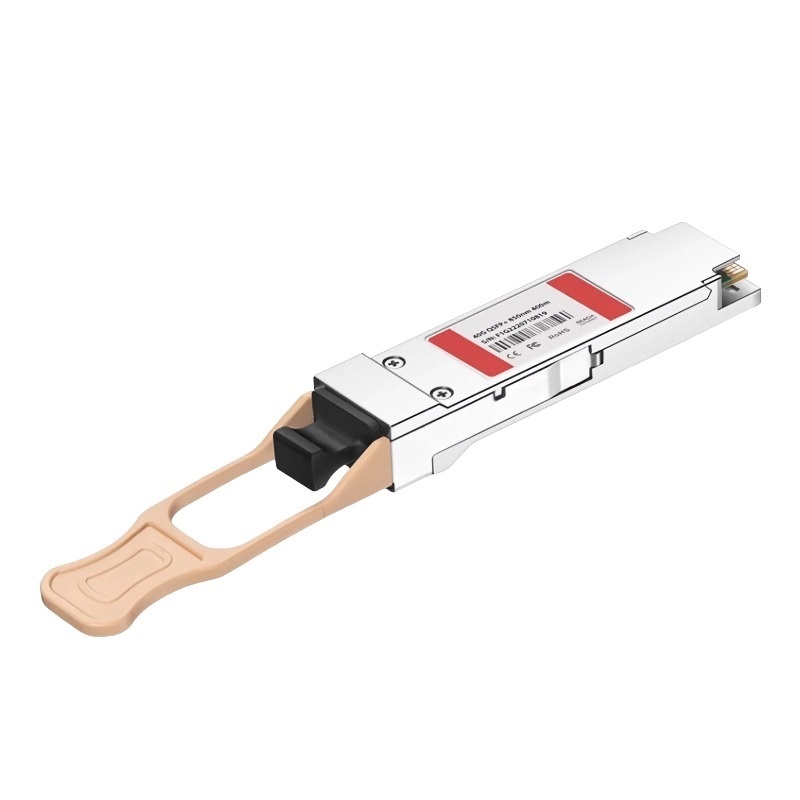


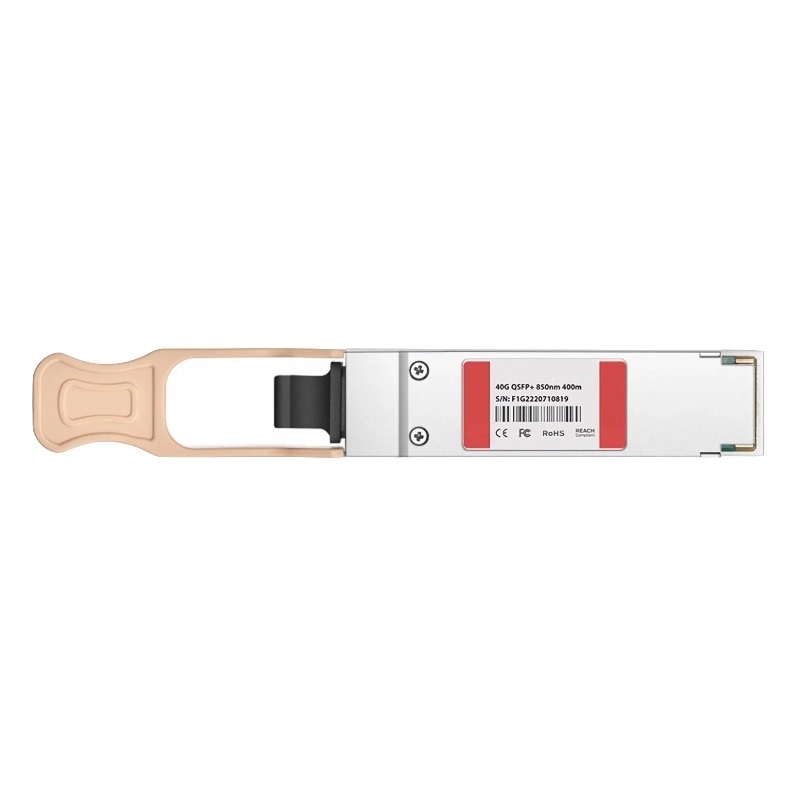
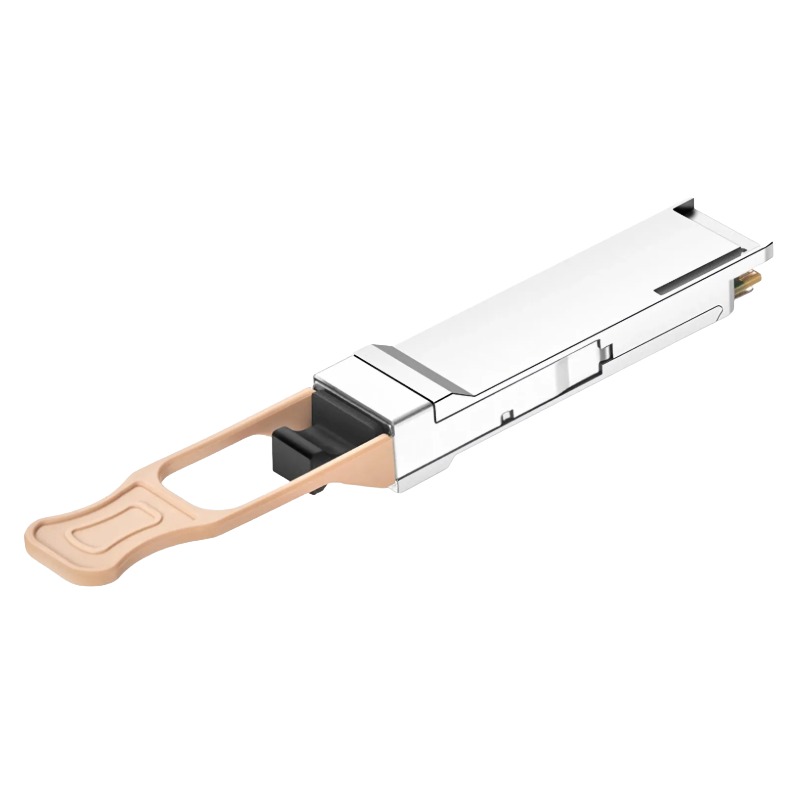
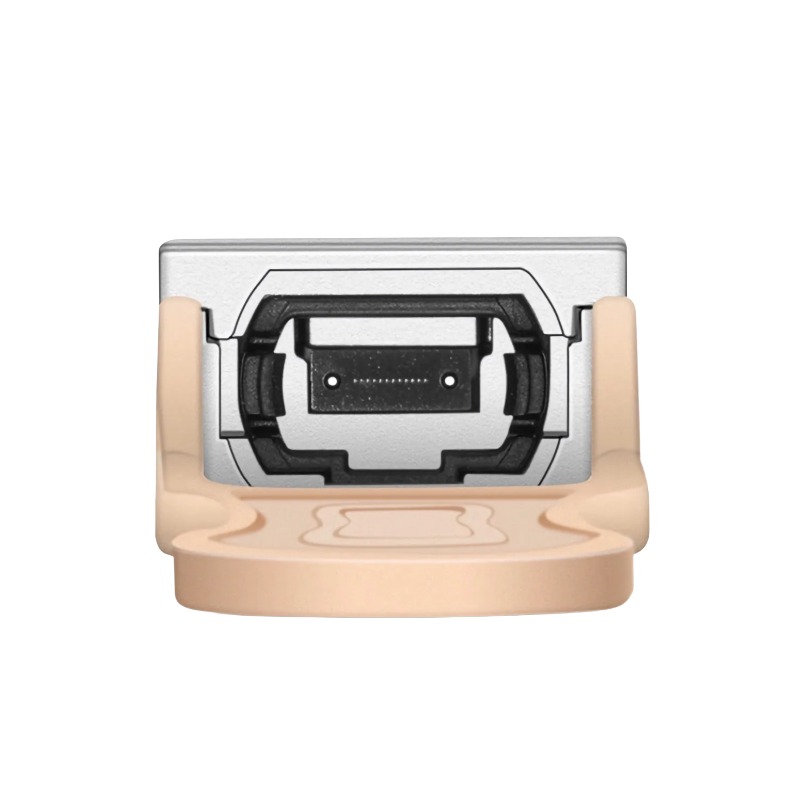
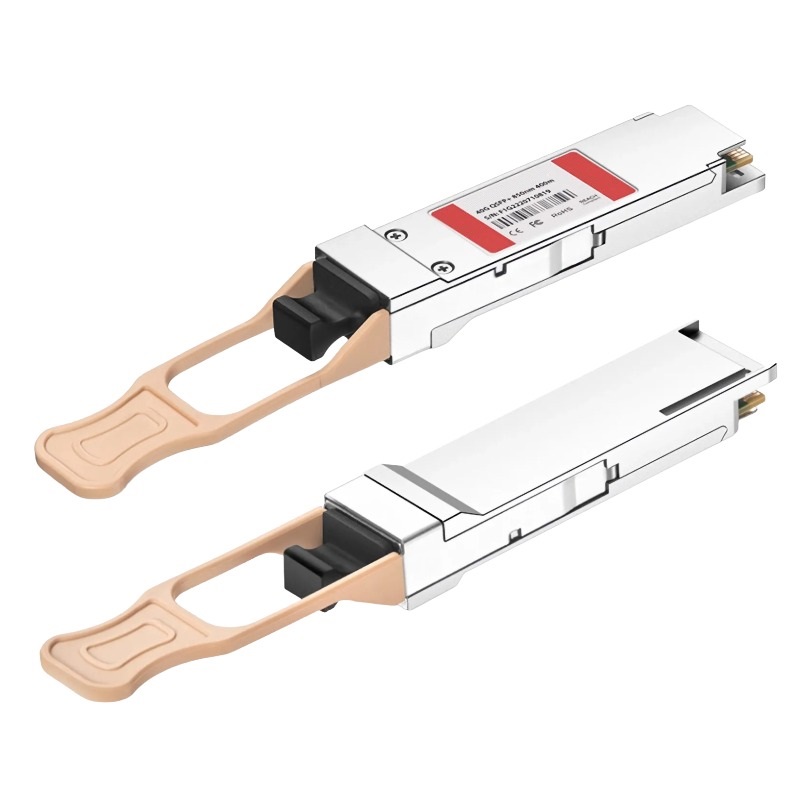
Juniper Networks QSFPP-4X10GE-SR Compatible 4x10GBASE-SR QSFP+ 850nm 400m MMF Ethernet Transceiver Module. New Sealed with 1 Year Replacement Warranty
The Juniper QSFPP-4X10GE-SR compatible QSFP+ optical transceiver is a high-performance 40 Gigabit Ethernet connectivity solution engineered for modern enterprise, cloud, and data center networking environments. Designed to support 4x10GBASE-SR transmission over multimode fiber (MMF), this hot-pluggable module delivers reliable short-range optical communication with exceptional bandwidth efficiency and low power consumption.
The Juniper Networks QSFPP-4X10GE-SR Compatible 4x10GBASE-SR QSFP+ 850nm 400m MMF Ethernet Transceiver Module is designed to provide high-performance 40 Gigabit Ethernet connectivity while supporting breakout functionality into four independent 10 Gigabit Ethernet channels. This optical transceiver category is widely deployed in enterprise networks, cloud computing environments, hyperscale data centers, service provider infrastructures, and storage networking applications where reliable, low-latency, and high-bandwidth optical communication is essential.
Built around QSFP+ technology, these transceiver modules enable organizations to maximize switch port utilization and optimize network architecture. By converting a single 40G QSFP+ interface into four separate 10G connections, network administrators gain flexibility in deployment while reducing hardware costs and simplifying infrastructure expansion.
The 4x10GBASE-SR architecture allows a single QSFP+ transceiver to transmit and receive four independent 10 Gigabit Ethernet channels simultaneously. This approach enables efficient traffic aggregation and distribution while maintaining exceptional network performance across high-density environments.
Operating at an 850nm wavelength, the module utilizes multimode fiber technology to achieve reliable data transmission over distances up to 400 meters depending on fiber type and network design. The short-range optical specification is optimized for intra-building communication, server connectivity, storage area networks, and data center interconnect applications.
The Quad Small Form-Factor Pluggable Plus design delivers four high-speed transmission lanes within a compact transceiver housing. This high-density architecture enables networking equipment to support significantly more bandwidth per rack unit compared to traditional optical solutions.
The compact dimensions allow network switches, routers, and aggregation devices to accommodate numerous ports while minimizing physical space requirements. Organizations deploying large-scale network infrastructures benefit from increased port density and improved cable management capabilities.
One of the defining characteristics of this transceiver category is its breakout capability. A single 40G QSFP+ port can be separated into four individual 10G links through compatible breakout cabling solutions. This functionality enables network architects to connect multiple servers, storage devices, or network appliances without requiring dedicated 40G interfaces on endpoint equipment.
The ability to divide bandwidth resources efficiently contributes to improved scalability and more cost-effective infrastructure deployment strategies.
The 850nm operating wavelength is specifically optimized for multimode fiber environments. This wavelength provides excellent performance for short-range communications commonly found within enterprise campuses and modern data centers.
Vertical-Cavity Surface-Emitting Laser technology is frequently utilized within these modules to deliver stable optical output, low power consumption, and reliable long-term operation. The combination of VCSEL technology and multimode fiber infrastructure creates a highly efficient transmission platform suitable for demanding networking environments.
Data center operators frequently choose 850nm multimode optical solutions because they provide an effective balance between performance, deployment simplicity, and infrastructure compatibility. Existing multimode fiber cabling systems can often be leveraged without requiring expensive upgrades or extensive network redesign efforts.
The result is a practical optical networking solution capable of supporting bandwidth-intensive applications including virtualization, cloud services, big data analytics, artificial intelligence workloads, and enterprise storage systems.
The ability to support transmission distances up to 400 meters makes these transceivers particularly valuable in medium-range networking scenarios. This reach capability accommodates communication between network devices located in different sections of large data centers, enterprise buildings, educational institutions, healthcare facilities, and industrial environments.
Depending on the multimode fiber type utilized, organizations can achieve reliable connectivity while maintaining compliance with industry networking standards. Proper fiber selection ensures optimal signal integrity and long-term operational stability.
OM3 multimode fiber remains one of the most widely deployed cabling standards within enterprise environments. The transceiver category is engineered to operate effectively with OM3 fiber installations, providing dependable connectivity and consistent network performance.
Organizations with established OM3 infrastructure can deploy these modules without extensive modifications to existing cabling systems, thereby reducing implementation costs and accelerating deployment timelines.
When paired with higher-grade multimode fiber variants, network operators may achieve improved optical performance and increased transmission reliability. This compatibility supports future infrastructure upgrades while preserving investment in optical networking equipment.
Juniper-compatible QSFPP-4X10GE-SR transceiver modules are specifically engineered to operate with a broad range of Juniper networking equipment. Compatibility testing ensures proper communication between the transceiver and host device while maintaining expected operational characteristics.
Network administrators often select compatible optical modules because they provide reliable functionality equivalent to original manufacturer specifications while supporting cost optimization initiatives.
Many enterprise and data center switches support QSFP+ optical interfaces for high-speed uplink and aggregation connectivity. These compatible modules enable seamless integration into existing switch deployments while supporting advanced network architectures.
The ability to utilize breakout configurations further enhances switch deployment flexibility by allowing a single uplink port to service multiple downstream devices.
Beyond switching applications, these transceivers are frequently utilized within routing platforms requiring high-capacity optical connectivity. Their support for multiple 10G channels allows efficient traffic distribution and aggregation across complex network topologies.
Data centers continue to experience rapid growth in bandwidth demand due to increasing reliance on cloud computing, virtualization technologies, and distributed application architectures. The Juniper-compatible 4x10GBASE-SR QSFP+ category addresses these requirements by providing scalable, high-density connectivity solutions.
Network engineers leverage these modules to establish efficient communication pathways between servers, storage arrays, aggregation switches, and core networking devices. Their compact design and breakout capabilities contribute to simplified infrastructure planning and improved resource utilization.
Modern applications generate substantial east-west traffic within data centers as workloads communicate across distributed computing environments. Optical transceivers capable of supporting multiple high-speed channels are essential for maintaining low latency and preventing network bottlenecks.
The architecture of 4x10GBASE-SR modules aligns closely with these requirements by delivering multiple parallel communication pathways within a single optical interface.
Cloud service providers require scalable networking solutions capable of supporting dynamic workload demands. The ability to deploy high-density optical connectivity while maintaining flexibility makes these transceivers attractive components within cloud infrastructure deployments.
As organizations expand cloud services, the modular nature of QSFP+ technology simplifies capacity planning and network expansion efforts.
High-quality compatible optical transceivers undergo extensive testing to ensure reliable operation under demanding network conditions. Performance verification typically includes optical output measurement, receiver sensitivity validation, thermal testing, interoperability assessment, and error-rate analysis.
These evaluations help ensure consistent operation across a wide range of deployment environments while supporting mission-critical networking applications.
Optical transmission technology inherently supports low-latency communication compared with many alternative networking approaches. This characteristic is particularly important for applications requiring real-time data processing, financial transactions, storage replication, and distributed computing workloads.
The high-speed architecture of QSFP+ transceivers contributes to efficient packet delivery and reduced communication delays throughout the network infrastructure.
Signal integrity plays a critical role in maintaining network performance. Advanced optical components, precision manufacturing techniques, and rigorous quality control procedures help ensure stable signal transmission across supported distances.
Reliable signal quality minimizes retransmissions, reduces error rates, and contributes to overall network efficiency.
The hot-pluggable nature of QSFP+ transceiver modules enables installation and replacement without interrupting operation of the host networking equipment. This capability simplifies maintenance activities and reduces downtime associated with hardware upgrades or module replacement procedures.
Network administrators can perform transceiver swaps while preserving service availability, supporting continuous operation within mission-critical environments.
Maintenance teams benefit from simplified service workflows because optical modules can be inserted or removed quickly without requiring extensive shutdown procedures. This operational convenience contributes to improved infrastructure availability and reduced maintenance complexity.
Organizations expanding network capacity can install additional optical modules as requirements evolve. The modular nature of QSFP+ technology supports phased deployment strategies that align infrastructure investments with business growth objectives.
Energy consumption remains an important consideration within modern networking environments. QSFP+ optical transceivers are engineered to deliver high bandwidth while maintaining efficient power utilization characteristics.
Lower power consumption contributes to reduced operational expenses while supporting sustainability initiatives across enterprise and data center facilities.
Efficient optical component design helps minimize heat generation during operation. Lower thermal output reduces strain on cooling systems and supports more effective rack-level thermal management strategies.
This efficiency becomes increasingly important as organizations deploy higher-density networking equipment within limited physical space.
Proper thermal management contributes directly to component longevity and network reliability. Transceivers designed for stable operation across standard environmental conditions help maintain consistent performance throughout their operational lifecycle.
The Juniper Networks QSFPP-4X10GE-SR Compatible 4x10GBASE-SR QSFP+ 850nm 400m MMF Ethernet Transceiver Module category serves numerous networking applications across diverse industries. Enterprises, government agencies, educational institutions, healthcare organizations, financial services providers, and cloud operators all benefit from high-speed optical connectivity solutions.
These modules facilitate server aggregation, storage networking, virtualization infrastructure, disaster recovery environments, and campus network connectivity. Their combination of high bandwidth, operational flexibility, and compatibility with Juniper platforms makes them valuable components within modern digital infrastructure strategies.
As network traffic volumes continue to increase and organizations pursue greater scalability, the role of high-density QSFP+ optical transceivers remains essential for achieving efficient, reliable, and future-ready Ethernet connectivity across enterprise and data center environments.


 Contact Us
 Information
 Catalog
 Solid State Drives (SSD)
 Network Switches
 Hard Disk Drives
 HBA & Controllers
 PC & Servers
 PC & Server Memory
 CPU & Processors
 Network Routers
 Power Supplies
 Tape Drives & Libraries
 Network Devices
 Computer & Network Cables