(7% discount is applied at checkout)
Cart is empty
Your go-to destination for cutting-edge server products
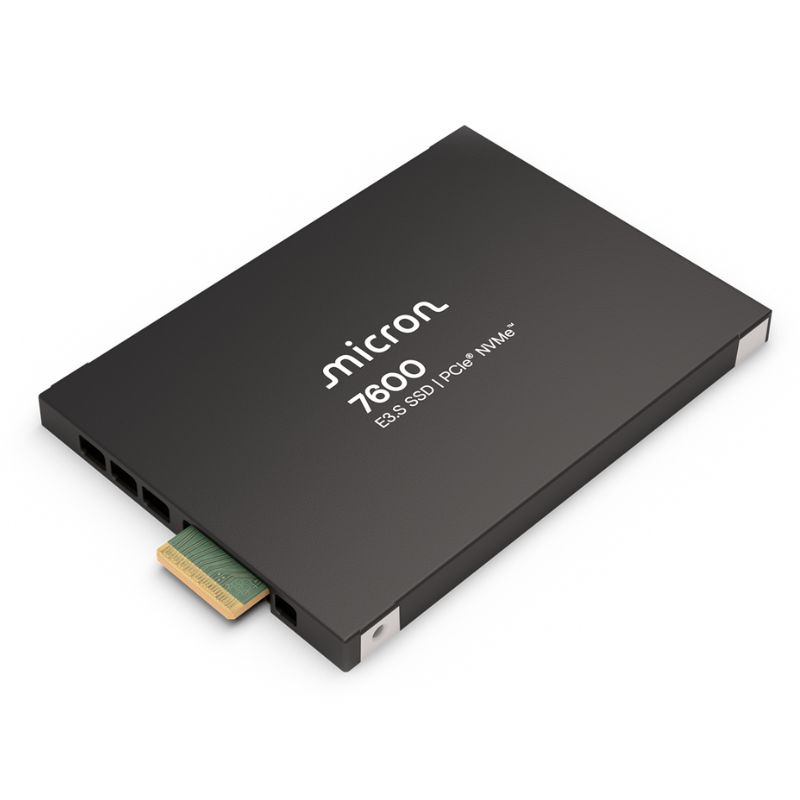


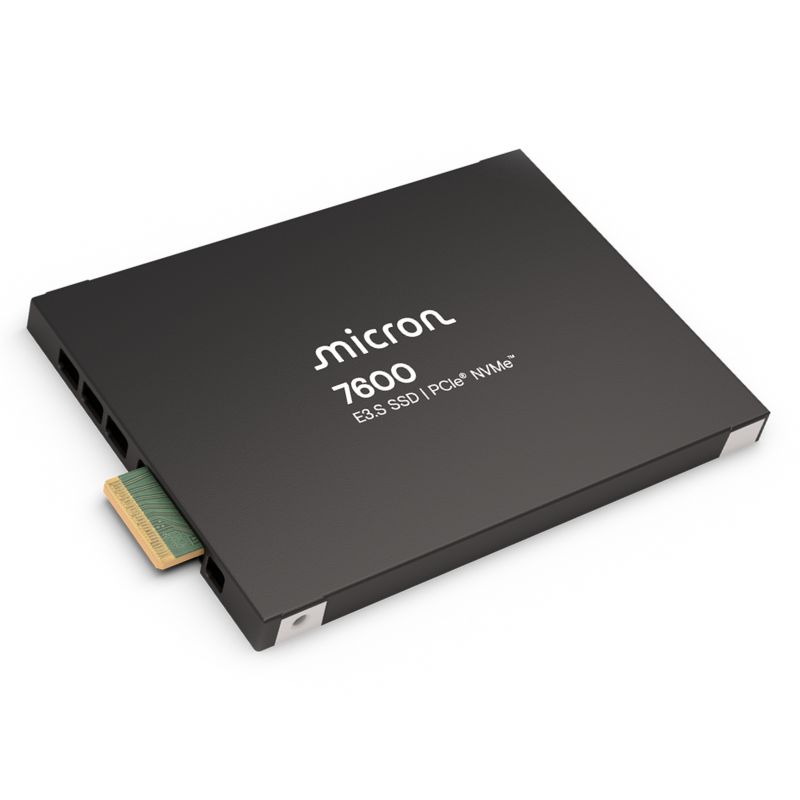
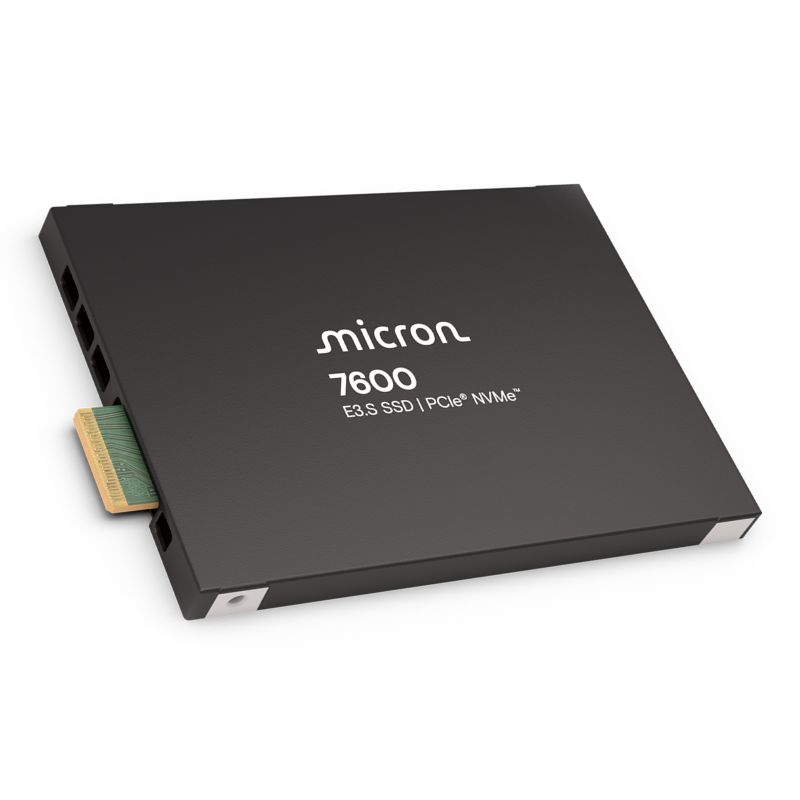
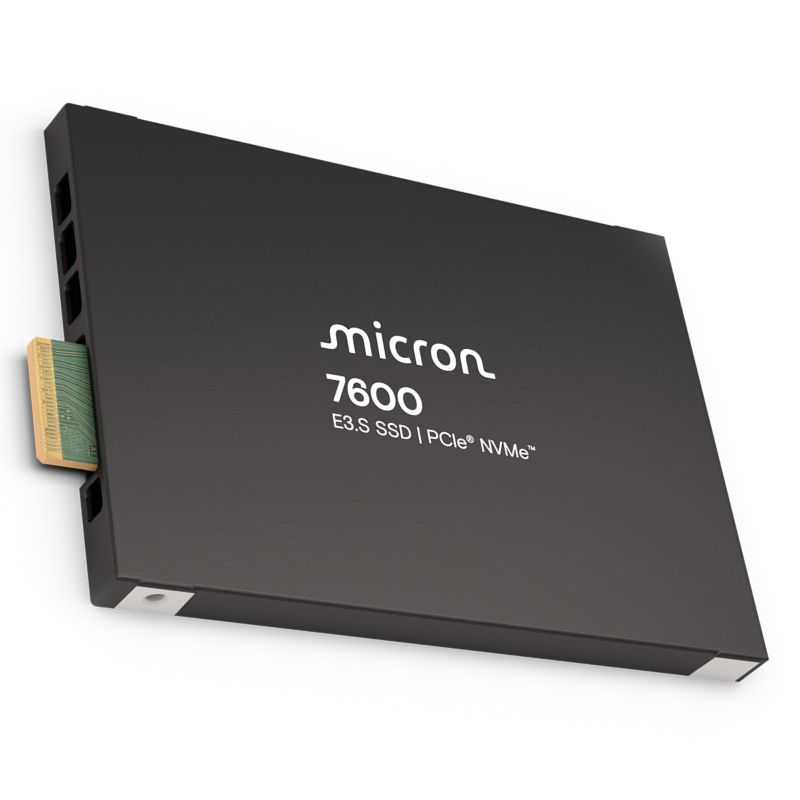
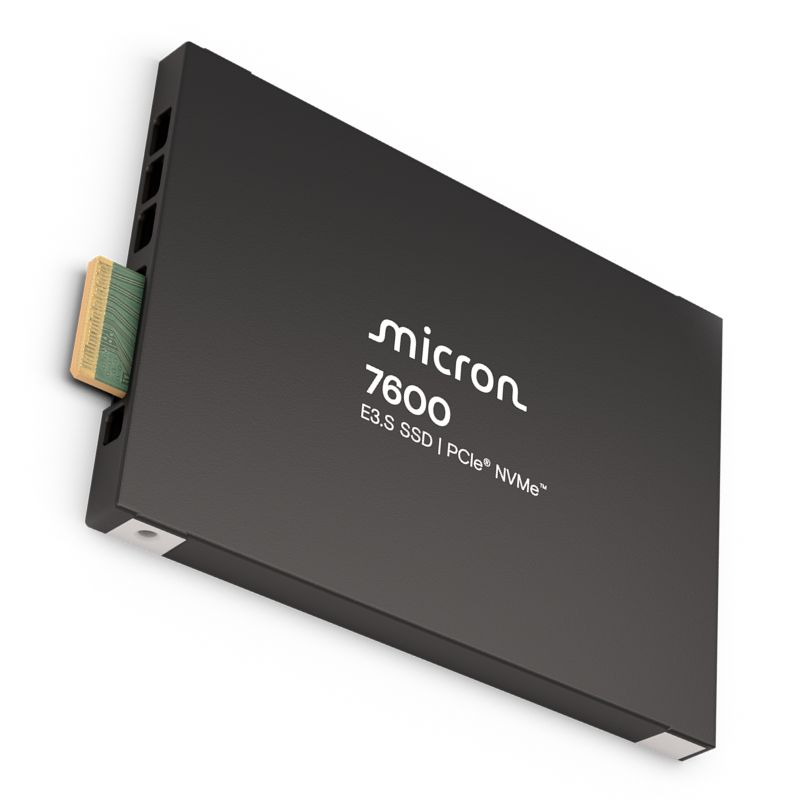
Micron MTFDLBQ3T2THS-1BP1DFCYY 7600 Max 3.2TB PCIe Gen5 NVMe SSD. New Sealed in Box (NIB) with 3 years Warranty
Overview of the Micron 3.2TB Solid State Drive
The MTFDLBQ3T2THS-1BP1DFCYY Micron 7600 Max 3.2TB PCIe Gen5 NVMe Solid State Drive represents a high-performance enterprise storage category designed for next-generation data center workloads, artificial intelligence pipelines, high-throughput analytics, and mission-critical virtualization environments. Built on PCIe Gen5 architecture with NVMe protocol optimization, this class of solid state drives pushes the boundaries of throughput, latency reduction, and endurance efficiency in modern storage infrastructures.
Within the broader NVMe enterprise SSD category, the Micron 7600 Max series is engineered to deliver consistent performance under sustained heavy workloads while maintaining predictable quality of service (QoS). The 3.2TB capacity variant is particularly positioned for mixed-use and write-intensive environments where balancing endurance, density, and speed is essential.
PCIe Gen5 technology doubles the per-lane bandwidth of PCIe Gen4, enabling ultra-high-speed data transfers between storage devices and CPU memory controllers. In enterprise workloads where parallel I/O operations are constant, this bandwidth expansion reduces bottlenecks and significantly enhances input/output operations per second (IOPS). The Micron 7600 Max 3.2TB SSD leverages this architecture to deliver scalable throughput suitable for AI training clusters and large-scale database systems.
The NVMe protocol is designed specifically for flash storage, eliminating legacy SAS and SATA limitations. By enabling direct communication between the SSD and CPU through multiple queues and deep queue depths, NVMe ensures reduced latency and increased concurrency. The Micron 7600 Max series optimizes these NVMe queues for enterprise workloads that involve simultaneous access patterns such as virtual machine provisioning, transactional databases, and real-time analytics pipelines.
Modern enterprise applications rely heavily on parallel processing. The Micron 7600 Max category delivers high random read and write IOPS performance, making it suitable for environments such as virtualization clusters, online transaction processing (OLTP), and high-frequency trading platforms. The ability to handle sustained mixed workloads without performance degradation is a defining feature of this SSD category.
Latency reduction is critical in enterprise storage systems. With NVMe over PCIe Gen5, the Micron 7600 Max minimizes command processing delays, enabling near-real-time data retrieval. This is especially important for AI inference systems and real-time analytics engines, where microseconds can impact decision accuracy and system responsiveness.
Unlike consumer SSDs that often experience throttling under sustained workloads, enterprise-grade drives in this category are engineered for consistent throughput. The Micron 7600 Max 3.2TB SSD maintains stable read/write speeds even during extended data ingestion cycles, making it suitable for continuous data logging, telemetry ingestion, and cloud-scale storage operations.
Hyperscale environments require storage solutions that can scale horizontally while maintaining predictable performance. The Micron 7600 Max series is optimized for dense server deployments where multiple SSDs operate in parallel across distributed systems. Its architecture supports large-scale virtualization, container orchestration platforms, and distributed storage clusters.
Cloud providers benefit from NVMe Gen5 SSDs due to their ability to handle multi-tenant workloads efficiently. The 3.2TB capacity is particularly useful for balancing storage density with performance segmentation across virtual machines. This allows cloud platforms to allocate high-speed storage resources dynamically based on workload demand.
Software-defined storage (SDS) environments rely on abstracting physical hardware into scalable storage pools. The Micron 7600 Max category integrates seamlessly with SDS frameworks, allowing for automated tiering, replication, and workload balancing. Its predictable latency and throughput characteristics make it ideal for Ceph, VMware vSAN, and similar architectures.
In AI inference workloads, low latency storage access is essential for real-time decision-making systems such as recommendation engines, autonomous systems, and fraud detection platforms. This SSD category ensures consistent response times even under concurrent query loads.
Data analytics platforms such as Hadoop and Spark benefit from high-speed NVMe storage when processing large-scale datasets. The Micron 7600 Max enables faster query execution, reduced shuffle times, and improved job completion rates in distributed computing environments.
The Micron 7600 Max series is built using advanced NAND flash memory engineered for endurance and data retention. Enterprise workloads often involve continuous write cycles, and this SSD category is optimized to withstand sustained data activity without significant performance degradation.
Advanced wear leveling algorithms distribute write and erase cycles evenly across NAND cells, extending the lifespan of the drive. Efficient garbage collection mechanisms ensure minimal write amplification, preserving performance consistency over time.
Enterprise SSDs in this category typically include power loss protection mechanisms that safeguard in-flight data during unexpected power failures. This ensures transactional integrity in databases and prevents corruption in critical systems.
Sophisticated error correction code (ECC) systems detect and correct bit-level errors, ensuring data reliability. Combined with end-to-end data path protection, this enhances trustworthiness in mission-critical environments.
PCIe Gen5 SSDs generate significant heat due to high throughput capabilities. The Micron 7600 Max category incorporates thermal management strategies to maintain optimal operating temperatures under load. This includes dynamic throttling algorithms that balance performance and heat dissipation.
Energy consumption is a key concern in large-scale deployments. Despite high performance output, this SSD category is optimized for energy-efficient operation, reducing total cost of ownership (TCO) for data centers. Efficient power usage also contributes to sustainability initiatives in modern IT infrastructure.
Virtualized environments require storage systems capable of handling multiple simultaneous workloads. The Micron 7600 Max 3.2TB SSD supports high VM density, enabling efficient resource allocation in hyper-converged infrastructure (HCI) systems.
Container platforms such as Kubernetes depend on fast persistent storage for stateful applications. NVMe Gen5 SSDs provide rapid provisioning and scaling of containerized services, improving deployment efficiency and application responsiveness.
Enterprise environments often require workload isolation between tenants. This SSD category supports consistent performance even under multi-tenant conditions, ensuring fair resource distribution and predictable service levels.
Online transaction processing systems rely on fast commit cycles and minimal latency. The Micron 7600 Max series enhances OLTP performance by accelerating write-heavy workloads and reducing transaction completion times.
Both relational and non-relational databases benefit from NVMe Gen5 storage. The SSD’s ability to handle random read/write patterns efficiently makes it suitable for MongoDB, Cassandra, PostgreSQL, and similar systems.
Database logging and indexing operations require continuous write performance. This category ensures stable throughput for log-heavy workloads, reducing indexing delays and improving query performance.
HPC environments running simulations in physics, chemistry, and engineering require fast checkpointing and data retrieval. The Micron 7600 Max SSD reduces simulation downtime by accelerating storage checkpoints.
Genomics workloads involve processing extremely large datasets. High-throughput NVMe storage enables faster sequencing analysis and improved computational efficiency in bioinformatics pipelines.
The Micron 7600 Max 3.2TB SSD is compatible with modern server architectures supporting PCIe Gen5 interfaces. It integrates seamlessly into rack-mounted servers, blade systems, and hyper-converged infrastructure nodes.
Multiple SSD deployments can be configured in RAID or distributed storage systems to enhance redundancy and performance scalability. This makes the category suitable for both high-availability and high-performance configurations.
Hardware-based encryption ensures data protection at rest. This is essential for compliance with enterprise security standards and regulatory requirements.
Secure erase functions allow for safe decommissioning or repurposing of drives without risk of data leakage. This is critical in multi-tenant environments and regulated industries.
Integration with enterprise identity and access management systems ensures that storage devices are securely managed within larger IT ecosystems.


 Contact Us
 Information
 Catalog
 Solid State Drives (SSD)
 Network Switches
 Hard Disk Drives
 HBA & Controllers
 PC & Servers
 PC & Server Memory
 CPU & Processors
 Network Routers
 Power Supplies
 Tape Drives & Libraries
 Network Devices
 Computer & Network Cables