(7% discount is applied at checkout)
Cart is empty
Your go-to destination for cutting-edge server products
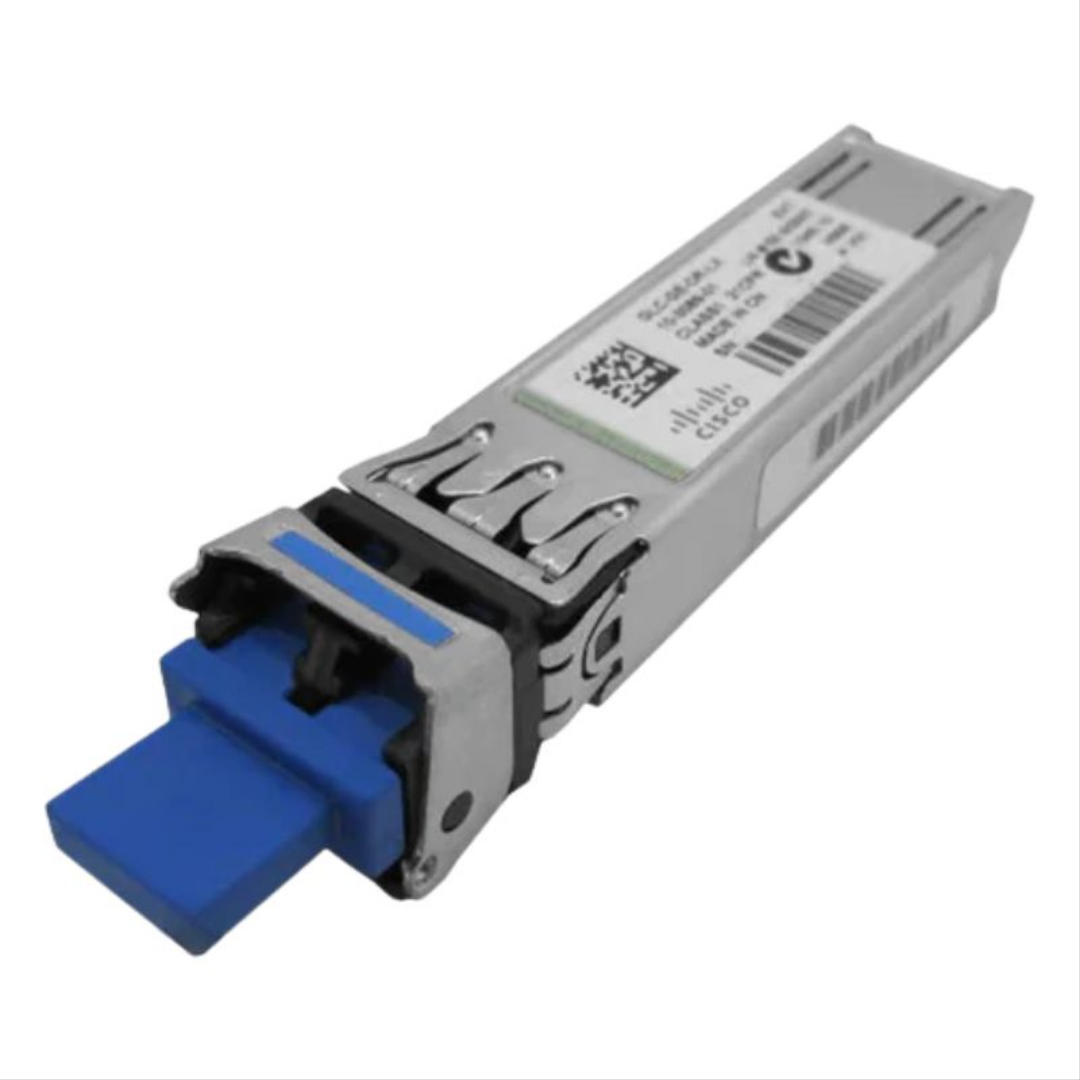


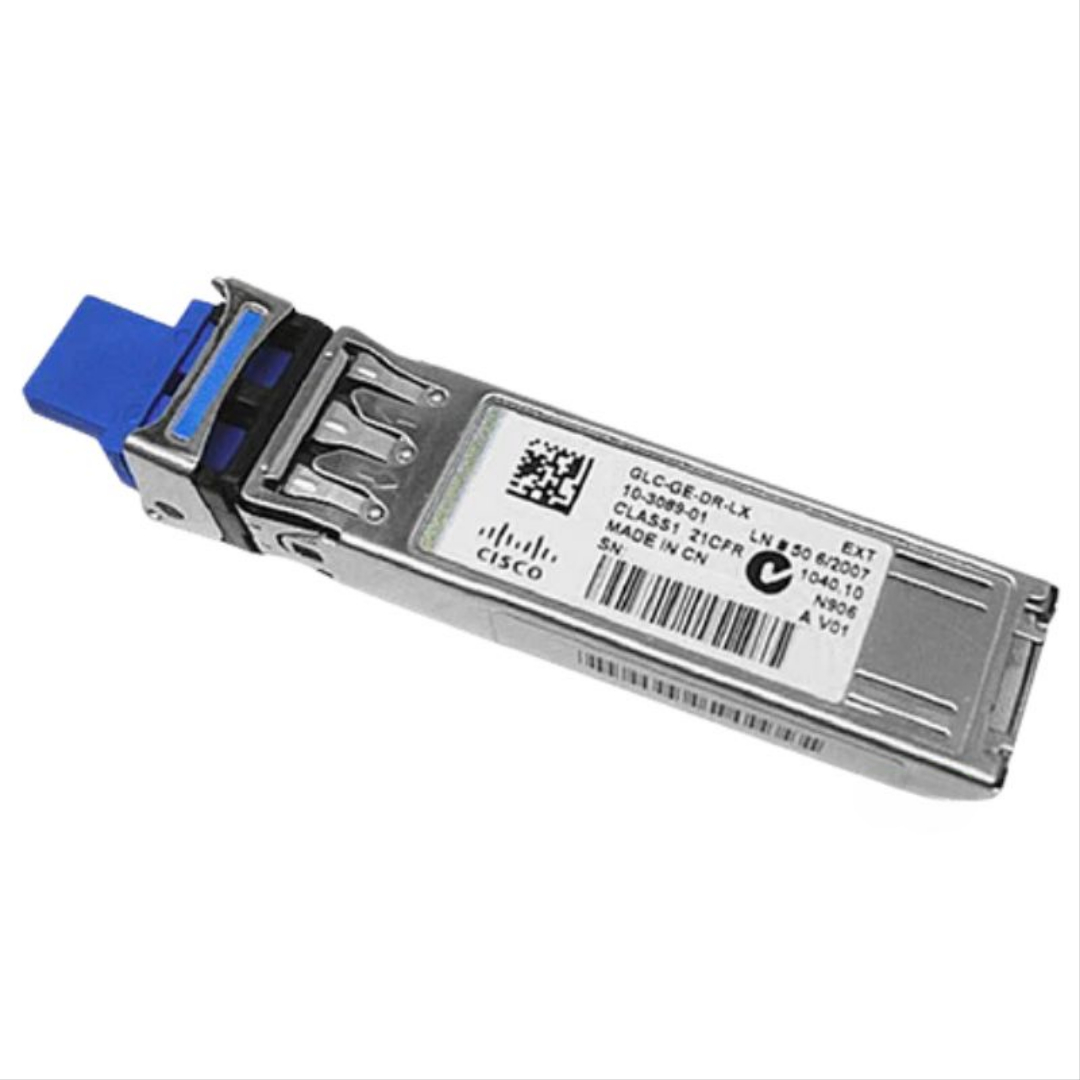
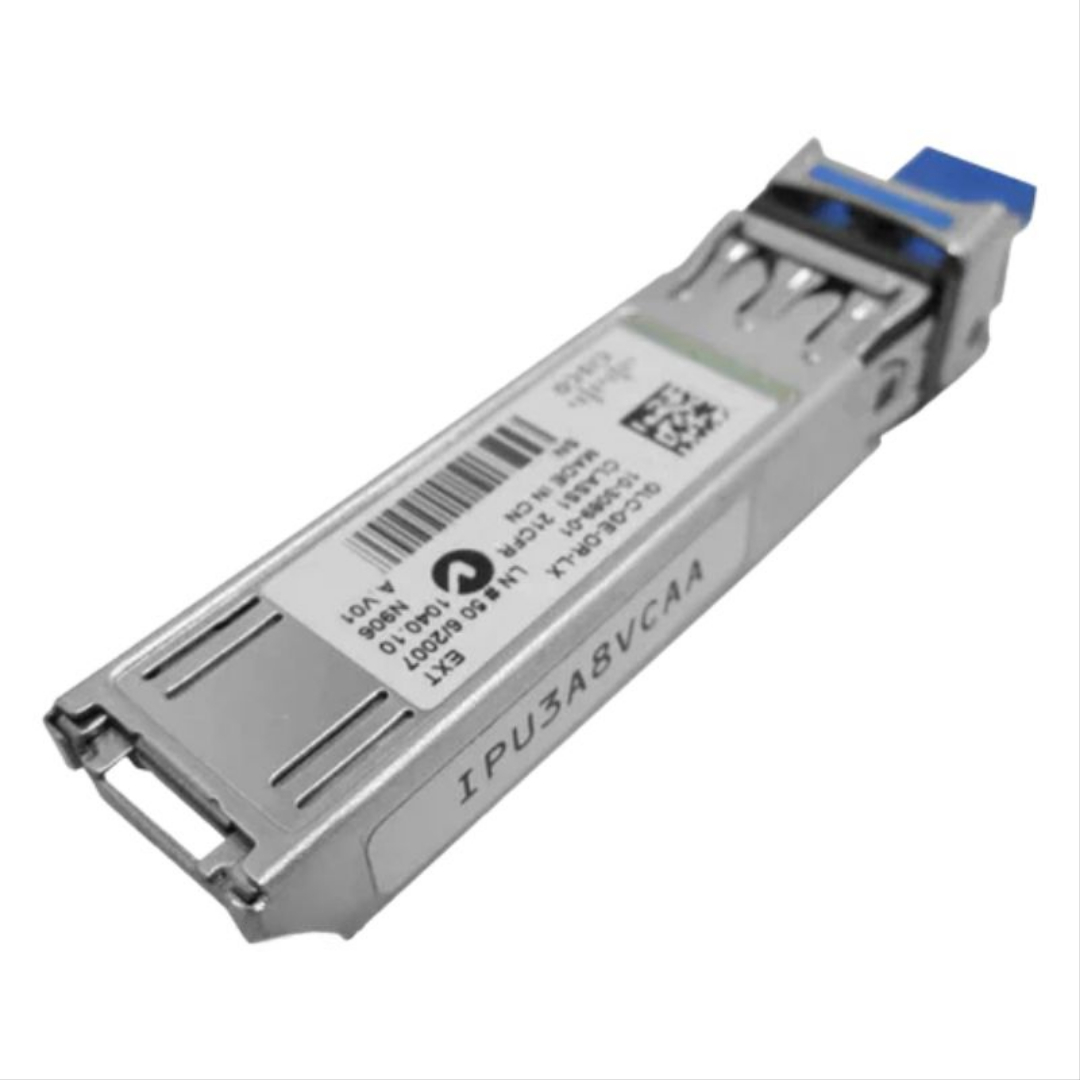
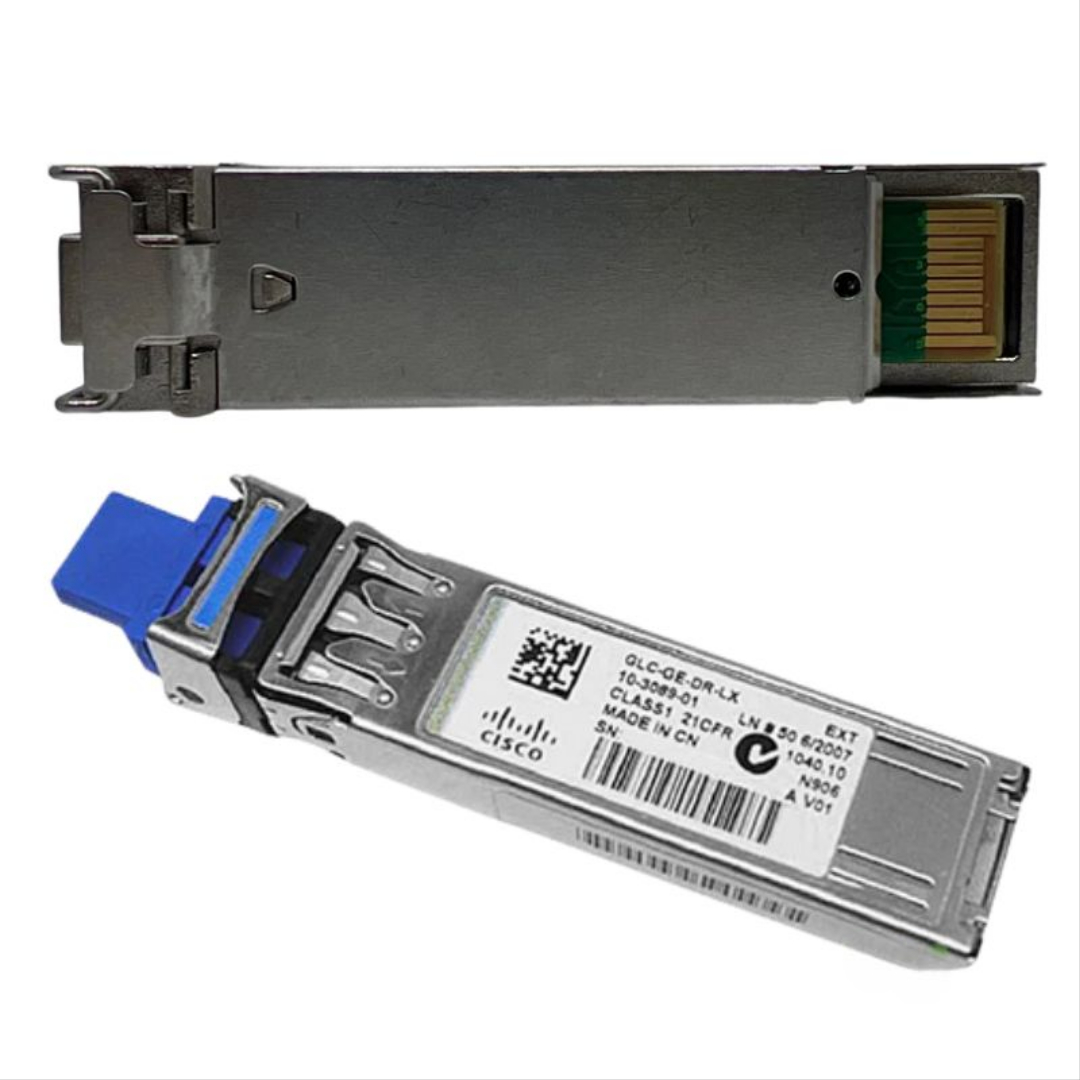
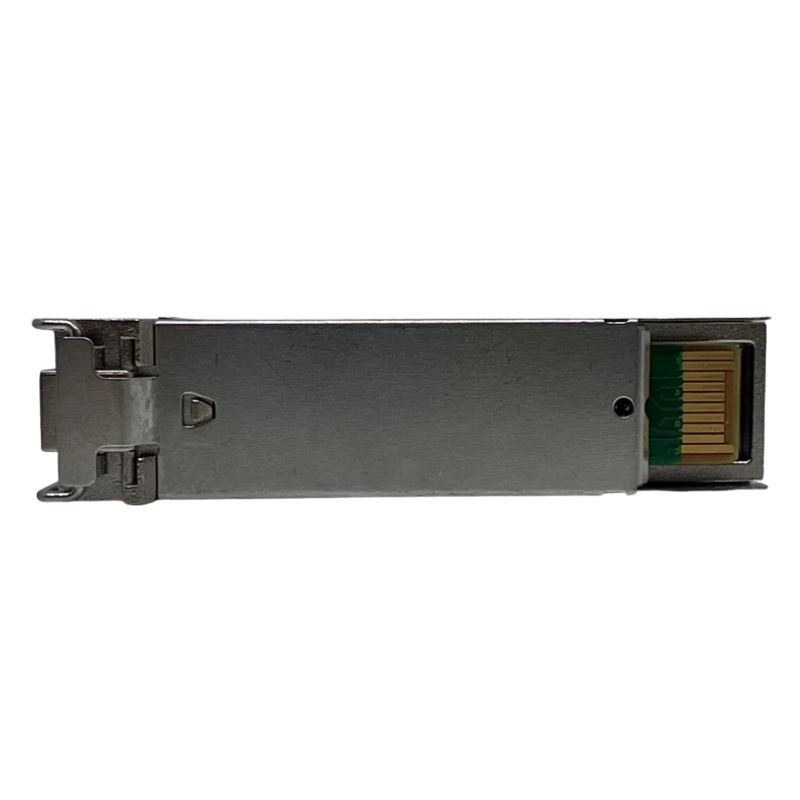
Cisco GLC-GE-DR-LX= 1000BASE-LX/LH SFP Transceiver Module. Factory-Sealed New in Original Box (FSB) with 1 year replacement warranty
| SKU/MPN | Warranty | Price | Condition | You save |
|---|---|---|---|---|
| GLC-GE-DR-LX= | 1 Year Warranty | Contact us for a price | Factory-Sealed New in Original Box (FSB) | |
| GLC-GE-DR-LX= | 1 Year Warranty | $480.00 | Excellent Refurbished | You save: $168.00 (26%) |
Overview of Cisco GLC-GE-DR-LX= SFP Transceiver Module
The Cisco GLC-GE-DR-LX= 1000BASE-LX/LH SFP Transceiver Module is a reliable Gigabit Ethernet optical interface designed to deliver stable, high-speed network connectivity across single-mode fiber infrastructure. Engineered with a compact Small Form-Factor Pluggable (SFP) design, this transceiver provides seamless integration into compatible Cisco networking equipment while supporting long-distance data transmission of up to 10 kilometers. Operating at a wavelength of 1310 nm, it offers dependable performance for enterprise networks, campus deployments, data centers, telecommunications environments, and service provider infrastructures. Its built-in Digital Optical Monitoring (DOM) capability allows administrators to monitor key optical parameters in real time, helping simplify maintenance, improve network visibility, and enhance operational reliability.
The Cisco GLC-GE-DR-LX= 1000BASE-LX/LH SFP Transceiver Module is an important component within enterprise optical networking environments where dependable Gigabit Ethernet connectivity, consistent data transmission, and long-term infrastructure reliability are required. Organizations continue to expand digital operations across multiple facilities, remote offices, data centers, educational campuses, healthcare institutions, manufacturing plants, and commercial environments. As networking requirements become increasingly sophisticated, optical transceivers remain a critical element in establishing efficient communication between switches, routers, servers, storage systems, and other network devices. The Cisco GLC-GE-DR-LX= category represents an optical networking solution designed for organizations seeking stable fiber connectivity while maintaining compatibility with professional enterprise networking infrastructures. Fiber optic communication provides significant advantages over traditional copper networking by enabling greater transmission distances, enhanced resistance to electromagnetic interference, improved signal integrity, and increased deployment flexibility. These characteristics make optical networking an essential technology for modern organizations that depend upon uninterrupted communication between distributed business locations and mission critical infrastructure.
Modern enterprise networks frequently transport business applications, cloud services, unified communications, multimedia content, virtualized workloads, storage traffic, and collaborative platforms simultaneously. Every networking component must contribute to maintaining consistent performance while supporting growing bandwidth demands. The Cisco GLC-GE-DR-LX= category supports these objectives by enabling Gigabit Ethernet optical connectivity that can integrate seamlessly into existing enterprise networking architectures. Organizations implementing digital transformation strategies often require network components capable of supporting future expansion while maintaining compatibility with established infrastructure investments. Optical transceiver modules provide flexibility because they allow network administrators to deploy fiber connectivity without replacing entire switching or routing platforms. This modular approach simplifies maintenance, improves scalability, and enhances long-term infrastructure planning across organizations of every size.
Network architects continue to prioritize dependable communication technologies because virtually every business process relies upon reliable network connectivity. Financial systems, customer relationship management platforms, inventory applications, cloud services, security monitoring systems, virtual desktops, database environments, and collaboration platforms all depend upon stable network performance. Optical transceivers contribute significantly to maintaining this stability by enabling efficient data transmission through fiber optic cabling. The Cisco GLC-GE-DR-LX= category supports organizations that require professional networking components capable of operating continuously in demanding enterprise environments while delivering dependable communication between interconnected network devices.
Fiber optic networking has become the preferred communication medium for enterprise backbone deployments because it offers substantial improvements in performance, reliability, scalability, and transmission distance. Unlike traditional copper connections, fiber optic cabling transmits information through light signals rather than electrical impulses. This technology minimizes signal degradation across extended distances while reducing susceptibility to electromagnetic interference generated by industrial equipment, electrical systems, heavy machinery, and surrounding electronic devices. Organizations deploying optical infrastructure frequently experience improved network stability, enhanced signal quality, and more consistent communication across distributed environments.
The Cisco GLC-GE-DR-LX= category supports enterprise fiber infrastructure initiatives by enabling dependable Gigabit Ethernet communication over optical media. Businesses expanding office locations, constructing new facilities, upgrading existing campuses, or modernizing data center infrastructure often select fiber optic solutions because they provide long operational lifecycles while supporting increasing bandwidth requirements. Optical networking also simplifies long-distance connectivity between buildings, allowing organizations to establish secure communication pathways without experiencing the limitations associated with conventional copper cabling.
Scalable infrastructure planning remains essential for organizations expecting continued business growth. Fiber optic technology supports expansion by providing a networking foundation capable of accommodating additional applications, users, cloud services, and digital resources without requiring extensive physical infrastructure replacement. The modular nature of optical transceivers further enhances deployment flexibility because administrators can install, replace, or upgrade connectivity modules according to evolving operational requirements.
Gigabit Ethernet continues to serve as one of the most widely implemented networking standards throughout enterprise environments. Many organizations rely upon Gigabit connectivity for desktop access, server communication, wireless infrastructure, storage connectivity, virtualization platforms, and business application delivery. The Cisco GLC-GE-DR-LX= category supports these environments by providing optical connectivity designed to operate within Gigabit Ethernet architectures while maintaining interoperability with compatible Cisco networking equipment.
Enterprise connectivity requirements extend well beyond basic network communication. Modern organizations depend upon secure application access, centralized management systems, cloud-based productivity platforms, voice communication services, video conferencing, remote collaboration tools, cybersecurity monitoring solutions, and large-scale data processing environments. Reliable Gigabit Ethernet communication enables these technologies to function efficiently while supporting user productivity across distributed locations. Optical transceivers contribute to maintaining consistent network responsiveness by ensuring stable physical layer communication between critical infrastructure components.
Business continuity planning increasingly depends upon highly reliable network infrastructure because operational interruptions can affect productivity, customer satisfaction, financial performance, and regulatory compliance. Enterprise optical networking solutions provide dependable communication pathways that support continuous access to business resources while minimizing the likelihood of connectivity disruptions resulting from electrical interference or environmental factors.
Organizations frequently deploy applications that require uninterrupted communication throughout daily operations. Enterprise resource planning platforms, customer management systems, supply chain applications, healthcare information systems, educational learning platforms, manufacturing automation environments, and financial processing systems all rely upon dependable network connectivity. The Cisco GLC-GE-DR-LX= category supports these operational environments by contributing to reliable optical communication capable of supporting continuous business activity.
Reliable communication becomes especially important within organizations operating multiple facilities where centralized resources must remain accessible from geographically separated locations. Branch offices often depend upon headquarters for authentication services, application hosting, centralized storage, security monitoring, and administrative management. Optical networking technologies facilitate these communications by providing stable high-quality transmission across campus backbones and interbuilding fiber connections.
Cloud adoption has further increased the importance of dependable enterprise connectivity. Businesses increasingly access software platforms, infrastructure resources, analytics services, collaboration environments, and backup systems through cloud providers. Every interaction with cloud resources depends upon consistent network communication supported by high-quality infrastructure components. Optical transceiver modules play an important role in maintaining this communication by enabling efficient fiber optic connectivity throughout enterprise networking environments.
Enterprise networking environments often consist of integrated ecosystems containing switches, routers, aggregation devices, security appliances, wireless controllers, storage systems, and management platforms. Maintaining compatibility across these components helps simplify deployment, improve operational consistency, and reduce administrative complexity. The Cisco GLC-GE-DR-LX= category supports organizations utilizing Cisco networking infrastructure by providing optical connectivity designed for seamless integration with compatible enterprise platforms.
Standardized networking components contribute significantly to operational efficiency because administrators can deploy, monitor, maintain, and replace equipment using established management procedures. Consistent hardware compatibility also simplifies inventory planning, maintenance scheduling, technical support processes, and long-term infrastructure expansion initiatives. Organizations seeking standardized networking environments frequently prioritize compatible optical modules because interoperability directly affects overall network reliability and administrative productivity.
Network modernization projects often occur gradually rather than through complete infrastructure replacement. Organizations may expand campuses, introduce virtualization technologies, migrate applications to cloud environments, deploy advanced security platforms, or increase wireless coverage over multiple years. Compatible optical transceivers allow administrators to extend existing infrastructure while supporting phased deployment strategies that minimize operational disruption and maximize technology investment value.
Managing enterprise networking infrastructure requires visibility, consistency, and operational efficiency. Network administrators oversee configuration management, performance monitoring, capacity planning, firmware maintenance, security implementation, troubleshooting, and infrastructure optimization. Standardized optical connectivity components simplify many of these responsibilities by providing predictable deployment characteristics across enterprise environments.
Operational consistency also contributes to improved training, documentation, maintenance procedures, and technical support activities. Organizations maintaining standardized networking environments frequently benefit from reduced complexity because engineering teams become familiar with common deployment practices and established operational workflows. This consistency supports faster troubleshooting, more efficient infrastructure planning, and improved service availability throughout enterprise networks.
Enterprise campus environments frequently consist of multiple buildings that must operate as a unified network infrastructure. Administrative offices, research facilities, classrooms, laboratories, manufacturing areas, distribution centers, warehouses, healthcare departments, and customer service facilities often require continuous communication with centralized resources. The Cisco GLC-GE-DR-LX= 1000BASE-LX/LH SFP Transceiver Module category supports these environments by enabling dependable fiber optic connections that extend Gigabit Ethernet communication across longer distances than conventional copper cabling. As organizations continue expanding physical operations, fiber connectivity becomes increasingly valuable because it allows network designers to interconnect separate buildings while maintaining consistent performance and signal quality. Long distance optical communication reduces the need for intermediate networking equipment, simplifies infrastructure planning, and supports highly organized campus backbone architectures.
Campus networking strategies often involve centralized core switching platforms connected to distribution switches positioned throughout various buildings. Access switches then provide connectivity to desktop computers, wireless access points, surveillance systems, printers, telephony equipment, and other network devices. Optical transceiver modules installed within aggregation and distribution equipment enable these critical backbone connections while preserving bandwidth availability for thousands of simultaneous users. Because the physical layer represents the foundation of every enterprise network, selecting dependable optical connectivity components contributes directly to overall infrastructure stability and long-term operational success.
Organizations designing interbuilding communication infrastructures often prioritize scalability, reliability, and simplified maintenance. Fiber optic backbone connections provide these advantages while supporting future network expansion. The Cisco GLC-GE-DR-LX= category enables network engineers to establish structured communication pathways that remain capable of supporting increasing traffic volumes generated by cloud computing, virtualization, artificial intelligence applications, business analytics platforms, unified communications, and digital collaboration environments.
As enterprise operations continue evolving, interbuilding connectivity requirements frequently increase because additional departments, facilities, and technology platforms depend upon centralized computing resources. Fiber infrastructure provides sufficient flexibility to accommodate this expansion without requiring extensive redesign of the physical communication backbone. Modular optical transceiver deployment further enhances adaptability because network administrators can upgrade or replace individual connectivity components while preserving the surrounding networking infrastructure.
Data centers represent the operational foundation for countless enterprise applications, cloud services, storage systems, virtualization environments, and business continuity solutions. Reliable communication between servers, switches, storage platforms, backup systems, and network security appliances depends upon high-quality physical connectivity. The Cisco GLC-GE-DR-LX= 1000BASE-LX/LH SFP Transceiver Module category supports enterprise data center networking by enabling dependable Gigabit Ethernet optical communication throughout critical computing environments.
Modern data centers process enormous quantities of information every day. Virtual machines migrate between servers, databases synchronize continuously, storage arrays replicate information, backup systems transfer large datasets, and business applications exchange information across multiple network segments. Optical connectivity contributes to maintaining consistent communication between these interconnected systems while minimizing transmission errors and maintaining predictable network performance. Stable fiber communication also supports high availability initiatives by providing dependable infrastructure capable of operating continuously within demanding enterprise environments.
Business continuity planning requires dependable networking infrastructure capable of supporting critical operations during planned maintenance, unexpected outages, equipment replacement, and disaster recovery events. Enterprise organizations frequently deploy redundant communication pathways between primary and secondary data centers to ensure continuous service availability. Fiber optic connectivity plays a significant role in these strategies because optical communication supports stable long-distance connections with excellent reliability and resistance to environmental interference.
The Cisco GLC-GE-DR-LX= category aligns with business continuity objectives by supporting network architectures that emphasize reliability, scalability, and operational consistency. Organizations protecting essential applications, customer information, financial systems, healthcare records, manufacturing operations, or government services benefit from infrastructure designed to support continuous communication across geographically distributed facilities.
Cloud computing continues transforming enterprise technology strategies as organizations adopt software platforms, infrastructure services, storage solutions, analytics environments, and collaborative applications hosted across public and private cloud providers. Despite increasing cloud adoption, enterprise facilities continue relying upon local networking infrastructure to connect employees, servers, security systems, wireless networks, and storage platforms with cloud-based resources. The Cisco GLC-GE-DR-LX= category supports hybrid infrastructure deployments by contributing dependable optical connectivity within enterprise networking environments.
Hybrid architectures frequently combine traditional on-premises computing resources with cloud-hosted services. Business applications may operate across multiple environments simultaneously, requiring secure and reliable communication between local infrastructure and remote computing platforms. Optical networking technologies help establish stable enterprise backbones capable of supporting cloud traffic alongside internal application communication, storage replication, user authentication, and collaborative services.
Cybersecurity has become an essential consideration for every enterprise network. Although optical transceiver modules primarily provide physical layer communication, dependable infrastructure contributes to comprehensive security strategies by supporting reliable communication between firewalls, intrusion detection systems, identity management platforms, monitoring solutions, secure gateways, and network segmentation technologies. The Cisco GLC-GE-DR-LX= category forms part of a networking ecosystem where physical connectivity supports secure information exchange throughout enterprise environments.
Organizations implementing zero trust security frameworks, network segmentation policies, secure access architectures, and centralized monitoring platforms require highly dependable communication between infrastructure components. Reliable fiber connectivity helps ensure that security systems remain synchronized while supporting continuous policy enforcement across distributed enterprise locations. Consistent physical communication also assists monitoring platforms responsible for collecting network telemetry, performance information, security events, and operational analytics.
Security operations centers depend upon uninterrupted communication between monitoring platforms, endpoint security systems, authentication services, logging infrastructure, network analytics platforms, and incident response tools. Reliable optical networking helps ensure that these systems exchange information consistently while maintaining visibility across enterprise environments. Infrastructure stability supports proactive threat detection, operational awareness, and effective security management without introducing unnecessary communication interruptions.


 Contact Us
 Information
 Catalog
 Solid State Drives (SSD)
 Network Switches
 Hard Disk Drives
 HBA & Controllers
 PC & Servers
 PC & Server Memory
 CPU & Processors
 Network Routers
 Power Supplies
 Tape Drives & Libraries
 Network Devices
 Computer & Network Cables