(7% discount is applied at checkout)
Cart is empty
Your go-to destination for cutting-edge server products
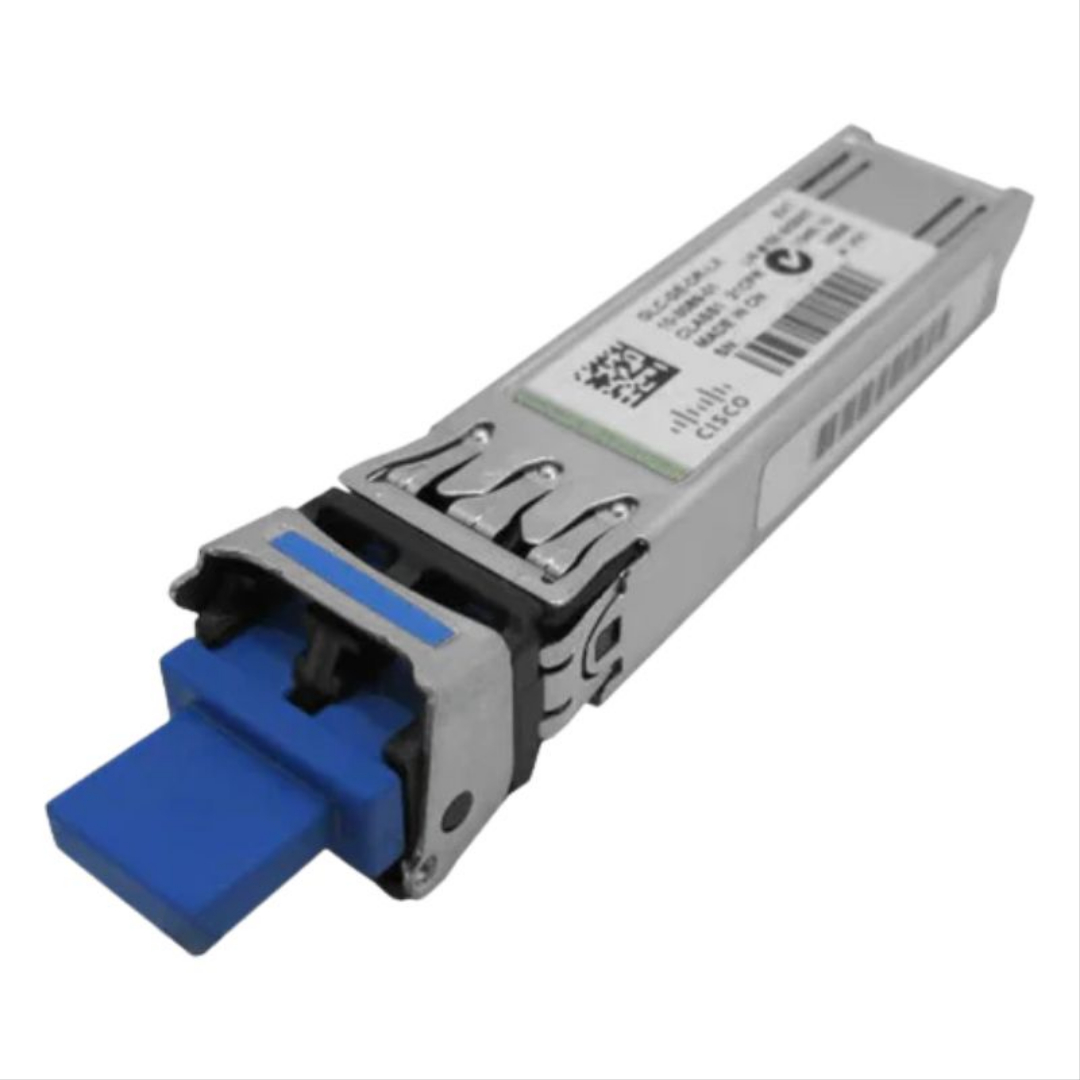


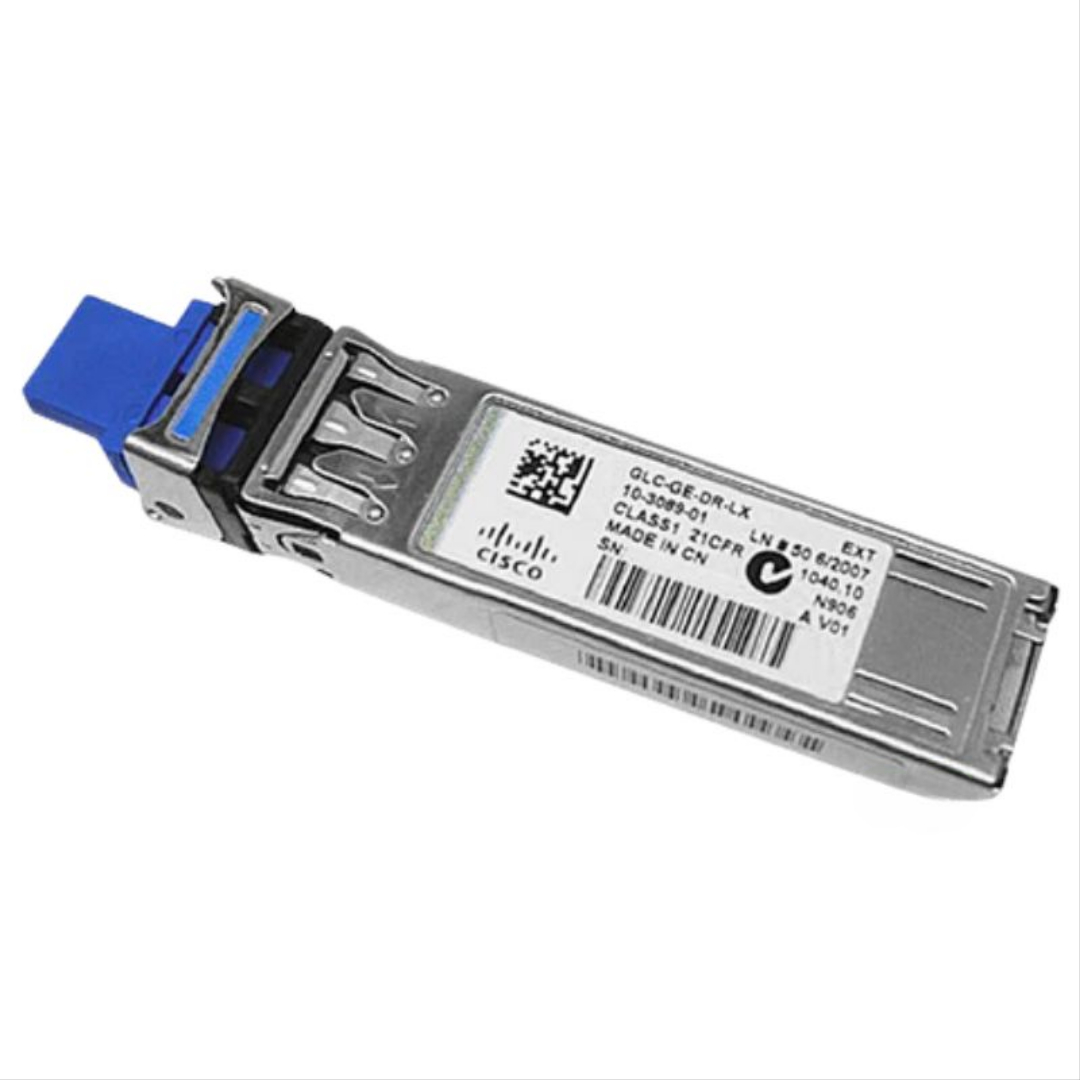
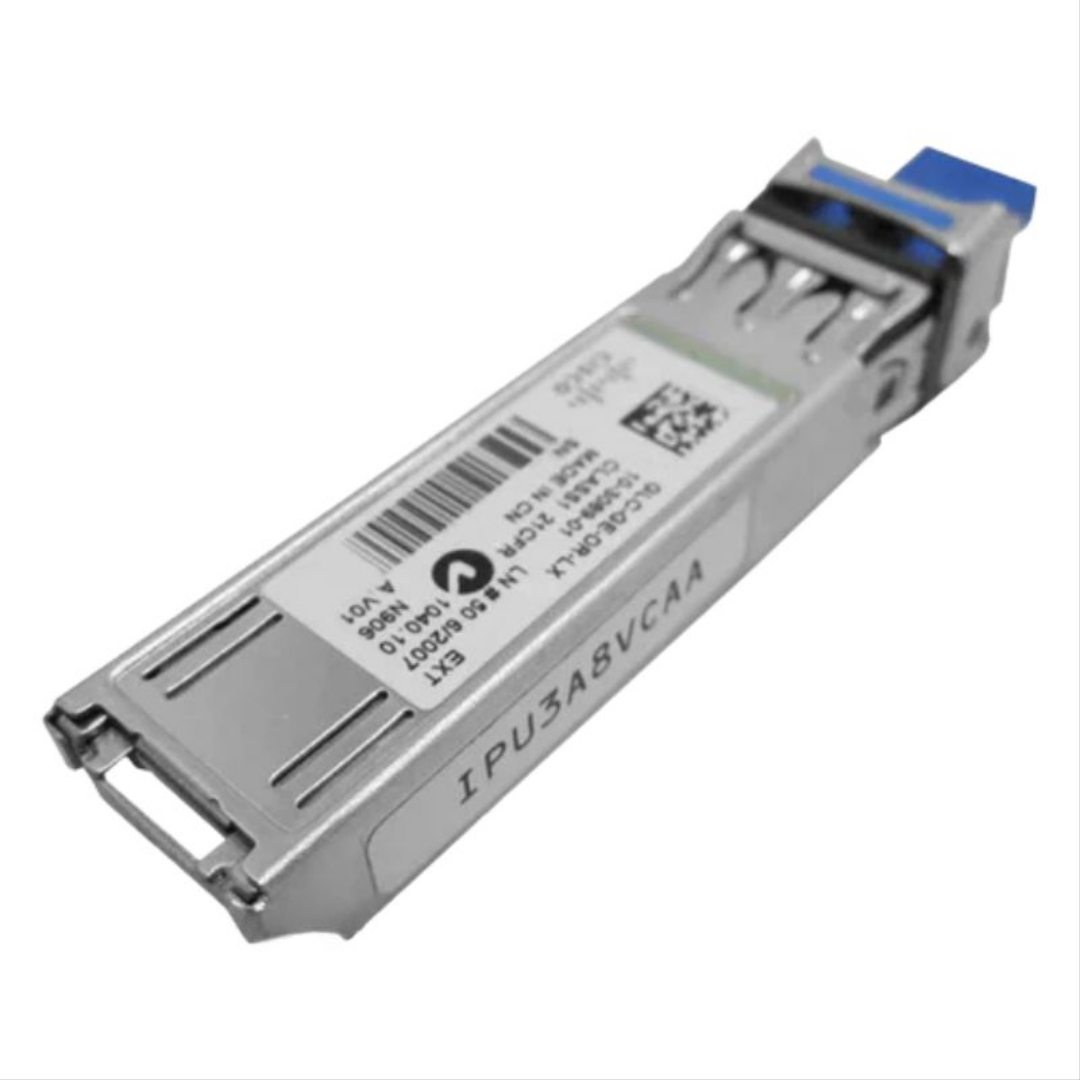
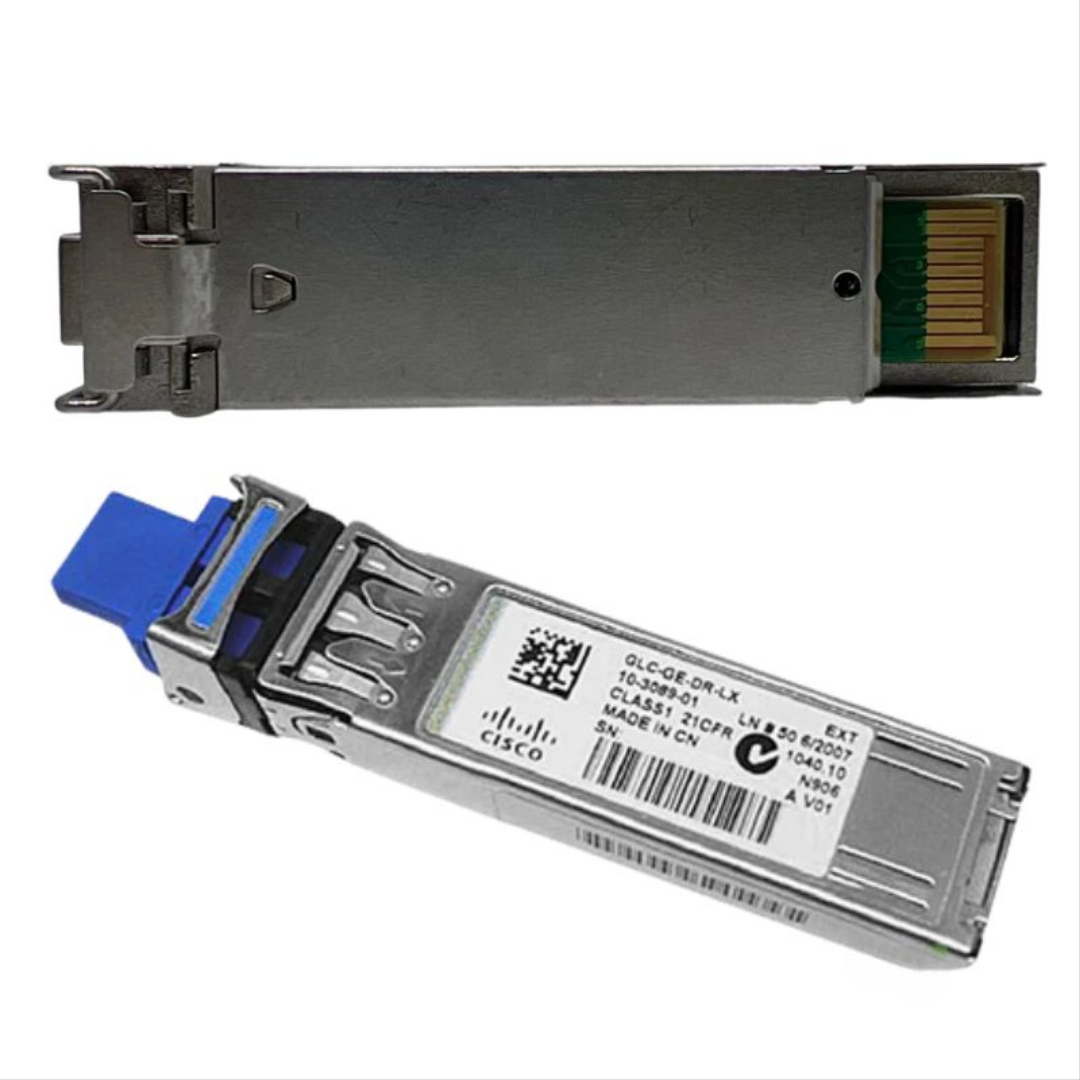
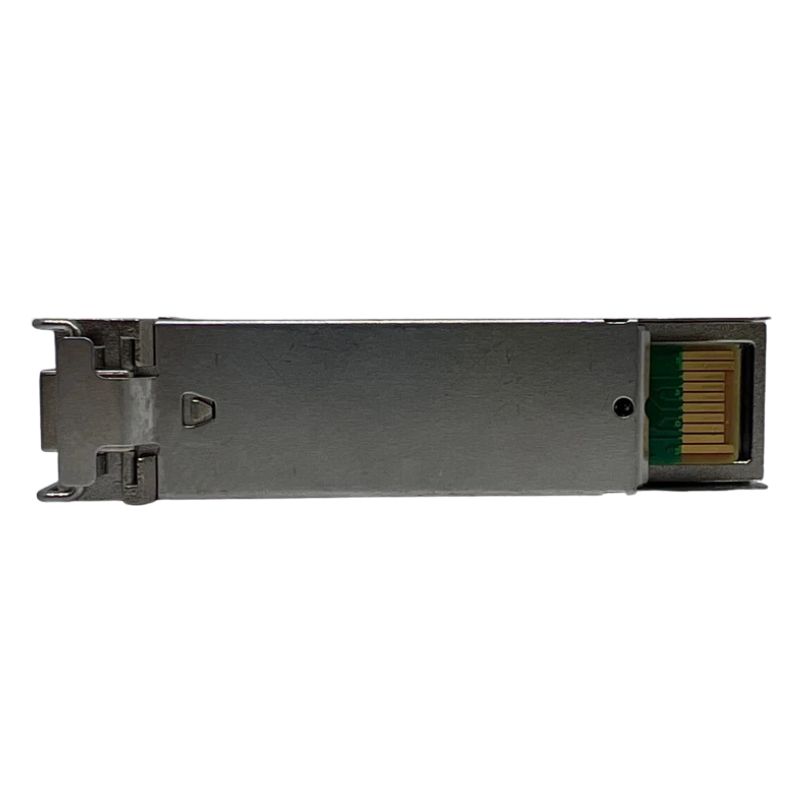
Cisco GLC-GE-DR-LX 1000BASE-LX/LH SFP Transceiver Module. Factory-Sealed New in Original Box (FSB) with 1 year replacement warranty
| SKU/MPN | Warranty | Price | Condition | You save |
|---|---|---|---|---|
| GLC-GE-DR-LX | 1 Year Warranty | Contact us for a price | Factory-Sealed New in Original Box (FSB) | |
| GLC-GE-DR-LX | 1 Year Warranty | $480.00 | Excellent Refurbished | You save: $168.00 (26%) |
The Cisco GLC-GE-DR-LX is a compact 1GbE SFP transceiver module engineered for dependable long-distance fiber connectivity in enterprise, service provider, campus, and industrial networking environments. Designed for 1000BASE-LX/LH optical communication, this hot-swappable module supports single-mode fiber transmission up to 10km and operates at a 1310nm wavelength for stable, high-quality signal delivery. Its SFP form factor allows straightforward deployment in compatible Cisco switches, routers, and networking platforms that support Gigabit Ethernet uplink modules. Built for reliable optical performance, the Cisco GLC-GE-DR-LX also includes Digital Optical Monitoring support, enabling administrators to monitor important transceiver diagnostics such as temperature, voltage, transmit power, and receive power for better network visibility and proactive maintenance.
The Cisco GLC-GE-DR-LX 1000BASE-LX/LH SFP Transceiver Module belongs to a highly practical category of enterprise optical networking components built for organizations that need dependable Gigabit Ethernet connectivity across fiber infrastructure. This category is centered on compact pluggable optical transceivers designed to extend network links beyond the limits of copper cabling while preserving signal integrity, stability, and compatibility with Cisco switching and routing platforms. In environments where long-distance uplinks, inter-building fiber runs, campus connectivity, aggregation layers, and secure backbone links are essential, the Cisco GLC-GE-DR-LX module serves as a specialized optical interface that supports efficient data transmission over long-reach fiber connections.
As a dual-rate long-wavelength optical transceiver, the Cisco GLC-GE-DR-LX module is associated with 1000BASE-LX/LH connectivity and is commonly selected for fiber deployments that require one gigabit networking over single-mode fiber while also fitting within Cisco ecosystems that demand modularity, field replaceability, and standards-oriented design. It is part of a broader transceiver category that enables switches, routers, security appliances, and edge platforms to communicate across longer distances than standard copper Ethernet links can support. This makes it relevant in enterprise campuses, branch-to-core architectures, service provider edge environments, healthcare facilities, government buildings, educational institutions, industrial sites, and data center infrastructures where reliable optical uplinks are essential for daily operations.
One of the defining strengths of this category is the combination of compact form factor, hot-swappable deployment, optical reach, and platform flexibility. Instead of replacing an entire switch or router to support fiber transport, organizations can install the appropriate Cisco SFP transceiver module in a compatible slot and extend connectivity according to distance, media type, and network design goals. The Cisco GLC-GE-DR-LX module fits directly into this strategy by enabling long-range Gigabit optical links while maintaining the operational simplicity expected from Cisco optical accessories. Because the module is designed for modular networking environments, it supports structured growth and practical maintenance workflows across distributed infrastructures.
The Cisco GLC-GE-DR-LX 1000BASE-LX/LH SFP Transceiver Module belongs to the Gigabit SFP transceiver segment of Cisco networking hardware. In this category, the transceiver acts as the physical optical interface between network hardware and fiber cabling. Rather than functioning as a standalone networking appliance, it enables a compatible Cisco switch, router, or appliance to send and receive Ethernet traffic over optical fiber. That role is especially important in structured enterprise networks where multiple wiring closets, buildings, floors, and remote locations must be interconnected with low-loss, low-interference transport media.
The broader Cisco SFP transceiver category includes short-range multimode modules, long-range single-mode modules, copper transceivers, bidirectional optics, and specialized industrial or ruggedized options. Within that lineup, the Cisco GLC-GE-DR-LX is associated with long-wavelength optical transmission and longer reach than short-range multimode alternatives. It is commonly used in scenarios where network architects need a practical middle ground between short-reach campus optics and very long-haul optical solutions. That makes it especially relevant for organizations building one-gigabit fiber links between distribution switches, core switches, aggregation devices, branch routers, and service demarcation equipment.
This category matters because transceivers are not generic accessories in modern enterprise networks. They influence reach, cable type, compatibility, monitoring visibility, serviceability, and long-term infrastructure flexibility. Choosing the correct SFP transceiver can affect link reliability, upgrade planning, maintenance procedures, and the ability to preserve installed fiber plant investments. The Cisco GLC-GE-DR-LX category is therefore not simply about plugging in an optical module; it is about enabling the right type of fiber connectivity for environments that demand dependable Gigabit transport over longer distances.
The Cisco GLC-GE-DR-LX module is associated with 1000BASE-LX/LH optical networking, a widely recognized Gigabit Ethernet fiber category designed for longer reach than 1000BASE-SX multimode solutions. Long-wavelength optics in the 1310 nm range are especially valuable in enterprise and service edge networks because they allow network designers to extend links over single-mode fiber and, in many cases, support flexible deployment strategies where distance, attenuation, and backbone continuity matter more than ultra-short patch-level connectivity.
In practical networking terms, 1000BASE-LX/LH optics are often chosen when the network link must travel beyond a local equipment row or a short server room run. A campus with multiple buildings, for example, may require fiber links between a central core switch and remote distribution closets. A manufacturing campus may need optical links between a data room and production areas separated by hundreds of meters or more. A healthcare organization may require secure and stable connections between clinical wings, imaging centers, and administrative offices. In these kinds of scenarios, long-wavelength Gigabit optics offer a dependable method of carrying traffic over longer spans without the electrical limitations of copper Ethernet.
The Cisco GLC-GE-DR-LX category is especially useful when an organization already has fiber installed and wants to use modular Cisco transceivers to activate those links efficiently. Rather than relying on media converters or more complex transport gear for standard Gigabit connectivity, the network team can insert the module into a compatible SFP slot and create a native optical Ethernet connection. This streamlines design, preserves rack space, reduces cable complexity, and supports cleaner network documentation.
Even as higher-speed transceivers gain attention, one-gigabit long-wavelength optics remain highly relevant in many real-world networks. Not every deployment requires immediate migration to 10GbE or 25GbE. Large numbers of branch offices, campus access layers, industrial environments, edge devices, wireless controller uplinks, security appliances, and legacy-but-critical systems still depend on stable one-gigabit optical links. For these environments, the Cisco GLC-GE-DR-LX category offers a balance of compatibility, cost control, manageable power requirements, and sufficient throughput for many business workloads.
Organizations frequently maintain mixed-speed environments where high-speed data center cores coexist with one-gigabit access and distribution links. In such networks, Gigabit LX/LH modules continue to play an important role in aggregation, demarcation, branch uplinks, out-of-band management segments, and transitional upgrade projects. Because the Cisco GLC-GE-DR-LX module belongs to a mature and widely deployed optical category, it can support these use cases while fitting into established procurement, sparing, and support workflows.
The Cisco GLC-GE-DR-LX module uses the Small Form-Factor Pluggable design, which is a major reason SFP transceivers remain so widely adopted. The SFP format allows networking platforms to expose modular optical interfaces without forcing the hardware chassis to dedicate permanent fixed optics to every port. This creates flexibility for network teams because they can choose the transceiver type based on the actual deployment requirement rather than being locked into one media format at the time the switch or router is purchased.
In a real deployment, this means a single Cisco switch model may support copper uplinks in one installation, multimode short-range fiber in another, and long-range single-mode optics in a third, simply by changing the SFP module inserted into the port. The Cisco GLC-GE-DR-LX fits neatly into this modular strategy by giving the network designer a long-wavelength Gigabit option for fiber runs that require more reach than short-range optics can provide. That flexibility becomes especially valuable when businesses open new branch locations, reconfigure buildings, connect leased spaces, or repurpose existing fiber strands for new projects.
Hot-swappable operation is another important characteristic of this category. In many Cisco platforms, compatible SFP modules can be inserted or replaced without shutting down the entire device. This simplifies maintenance, reduces downtime during optical troubleshooting, and makes staged migrations easier. If a network team is converting a distribution uplink from copper to fiber, replacing a failed optic, or adjusting the physical link type during an upgrade, the ability to handle the transceiver as a modular component improves operational efficiency.
Modular SFP design is not just a convenience feature. It is a practical infrastructure strategy for organizations that expect their networks to evolve over time. A business may initially deploy a Cisco switch in a building using short-range fiber to a nearby closet, then later move the same switch into a role where it must support a longer single-mode uplink. With SFP-based hardware, the network team can often preserve the switch investment and simply change the transceiver. The Cisco GLC-GE-DR-LX module is therefore valuable as part of a broader lifecycle planning model where interface flexibility reduces unnecessary hardware replacement.
This modularity also simplifies sparing strategies. Instead of stocking entirely different network appliances for every media requirement, the IT team can maintain a set of transceivers tailored to its cable plant and platform mix. If a branch switch needs a long-reach fiber uplink, the correct module can be installed without redesigning the device role. If a spare optic is needed for maintenance readiness, it occupies very little storage space compared to larger hardware alternatives. This makes the Cisco GLC-GE-DR-LX category attractive to organizations focused on operational efficiency, standardization, and long-term supportability.
A major reason organizations choose the Cisco GLC-GE-DR-LX category is the need for reliable Gigabit connectivity over single-mode fiber. Single-mode fiber is widely used for longer-distance optical networking because it supports extended reach with lower modal dispersion than multimode fiber. In enterprise and service edge designs, single-mode fiber is often installed between buildings, across campuses, through risers, into remote utility spaces, and along pathways where long-term infrastructure investment matters.
The Cisco GLC-GE-DR-LX transceiver category is well suited to those environments because it supports the optical behavior associated with long-reach fiber operation. Where copper Ethernet may be limited to much shorter distances, and multimode optics may be optimized for shorter campus or room-scale runs, single-mode Gigabit LX/LH modules allow the network to span much greater distances while maintaining clean Ethernet connectivity. That makes them ideal for backbone segments that need to connect separate facilities without stepping up to a more complex transport platform.
Distance-oriented network design is about more than simply reaching farther. It also involves planning for attenuation, connector quality, patch panel structure, link budgets, physical pathways, and future network expansion. The Cisco GLC-GE-DR-LX module belongs to a category that network engineers often choose when they want to standardize long-distance one-gigabit optical links across multiple sites. Because it uses a widely recognized SFP format and is intended for Cisco compatibility, it supports disciplined enterprise design practices where link documentation, device interoperability, and replacement logistics are all part of the infrastructure plan.
The Cisco GLC-GE-DR-LX category is especially notable because it is associated with dual-rate operation in environments that use both 100 Mbps and 1 Gbps long-wavelength standards. This gives the transceiver broader deployment value in infrastructures where migration is gradual, legacy equipment remains in service, or mixed-speed interoperability is part of the network design. Rather than serving only a single fixed speed scenario, the module can support use cases where a network segment may need to communicate with equipment built around 100BASE-LX10 or 1000BASE-LX/LH optical expectations, depending on platform support and deployment conditions.
That flexibility matters in practical enterprise environments. Networks do not always evolve in a perfectly uniform way. A hospital may have newer Gigabit distribution switches but still maintain older monitoring or facilities systems that connect through slower long-reach optical links. A school district may be upgrading closets building by building, leaving some legacy optical equipment in place during the transition. A manufacturer may have specialized industrial controllers or edge systems that remain operationally critical long after the rest of the network has modernized. In these situations, a dual-rate long-wavelength transceiver can help preserve compatibility options and reduce the need for abrupt infrastructure replacement.
From a category perspective, dual-rate optics occupy an especially useful position because they can bridge operational realities rather than forcing all devices to move in lockstep. This does not eliminate the need for careful compatibility planning, but it does make the transceiver relevant in environments where staged modernization is the norm. The Cisco GLC-GE-DR-LX therefore appeals not only to organizations building fresh fiber links, but also to those maintaining mixed generations of Cisco and standards-based infrastructure while gradually improving the network over time.
One of the strongest reasons organizations prefer Cisco-branded transceiver categories for Cisco environments is compatibility confidence. The Cisco GLC-GE-DR-LX module is associated with a wide range of Cisco platforms that use SFP interfaces for Gigabit optical connectivity. In a real enterprise environment, this matters because transceivers are often deployed across a mix of access switches, distribution switches, routers, service edge devices, and security appliances. The value of a Cisco-compatible optical module lies in its ability to integrate with established hardware standards, recognized operating system support, and validated optical behavior.
Compatibility is not only about whether the module physically fits in the port. It also includes whether the platform recognizes the transceiver correctly, whether link behavior is stable, whether diagnostics are exposed properly, and whether the optic aligns with Cisco support expectations for the device family. The Cisco GLC-GE-DR-LX category is relevant to organizations that want to maintain consistency in these areas across multiple deployment locations and hardware generations.
This becomes especially important in distributed environments. A business may use Cisco Catalyst switches at the access layer, Cisco routers at branch edges, and other Cisco devices in core or security roles. Standardizing on a Cisco long-wavelength SFP category can simplify procurement, spare management, training, and field replacement. When the network team knows which transceiver family supports the required fiber distance and port type, deployment becomes more predictable and support processes become easier to document.
One of the less obvious strengths of the Cisco GLC-GE-DR-LX transceiver category is how much it can simplify day-to-day operations when compared with more cumbersome alternatives. A compact SFP module reduces the need for standalone media converters, extra power adapters, and ad hoc interface workarounds. In a well-designed Cisco environment, the optic slides into a compatible SFP slot, connects to the proper fiber patch lead, and becomes part of the native network interface architecture. This keeps the installation clean, preserves rack organization, and reduces the number of components that could fail or create confusion during troubleshooting.
Maintenance efficiency improves when physical infrastructure is standardized. If a campus has multiple Cisco switches using the same long-wavelength Gigabit transceiver family for building uplinks, field technicians can follow repeatable procedures for inspection, cleaning, replacement, and documentation. Spare modules can be stored centrally, patching diagrams can remain consistent, and support staff can be trained on one optical workflow rather than several improvised methods. This operational consistency matters in large organizations where staff turnover, after-hours incidents, and multi-site support responsibilities can otherwise create unnecessary complexity.
Physical simplicity also helps during upgrades. If a switch must be replaced, the Cisco GLC-GE-DR-LX optic can often be moved to the new device if the platform is compatible and the link design remains the same. If a link must be tested, the module can be swapped with a known-good spare. If a building is repatched through a different fiber panel, the optic remains part of the same logical interface strategy. These practical benefits do not always appear in product tables, but they matter greatly in real-world network administration.


 Contact Us
 Information
 Catalog
 Solid State Drives (SSD)
 Network Switches
 Hard Disk Drives
 HBA & Controllers
 PC & Servers
 PC & Server Memory
 CPU & Processors
 Network Routers
 Power Supplies
 Tape Drives & Libraries
 Network Devices
 Computer & Network Cables