(7% discount is applied at checkout)
Cart is empty
Your go-to destination for cutting-edge server products



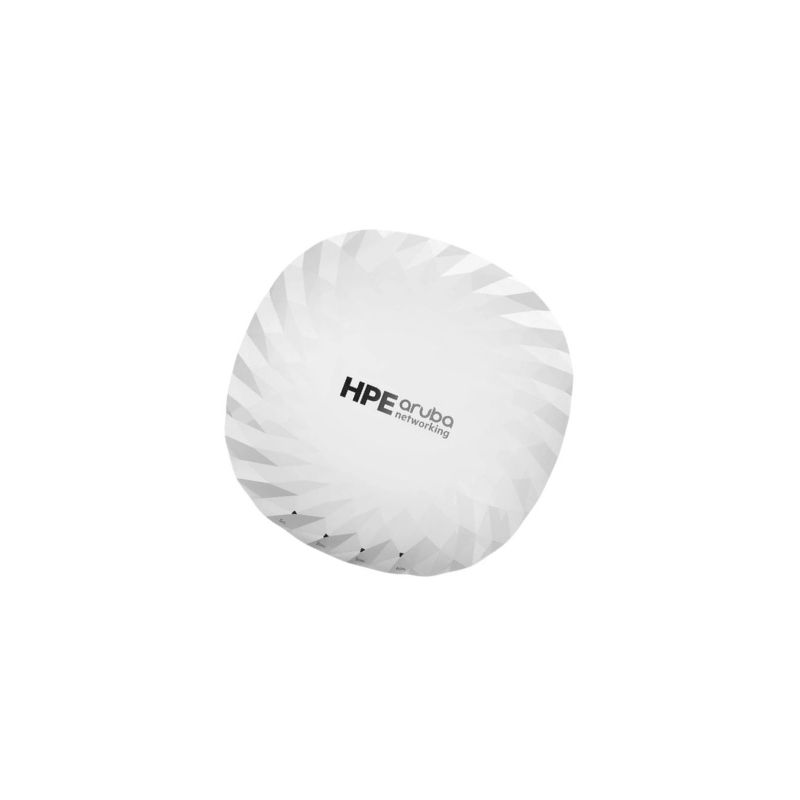
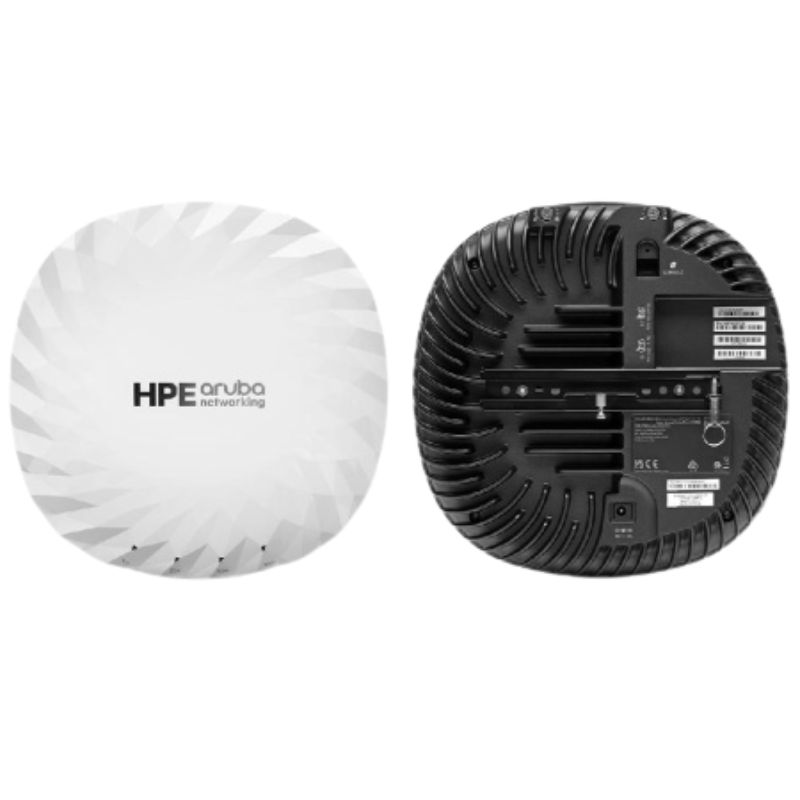
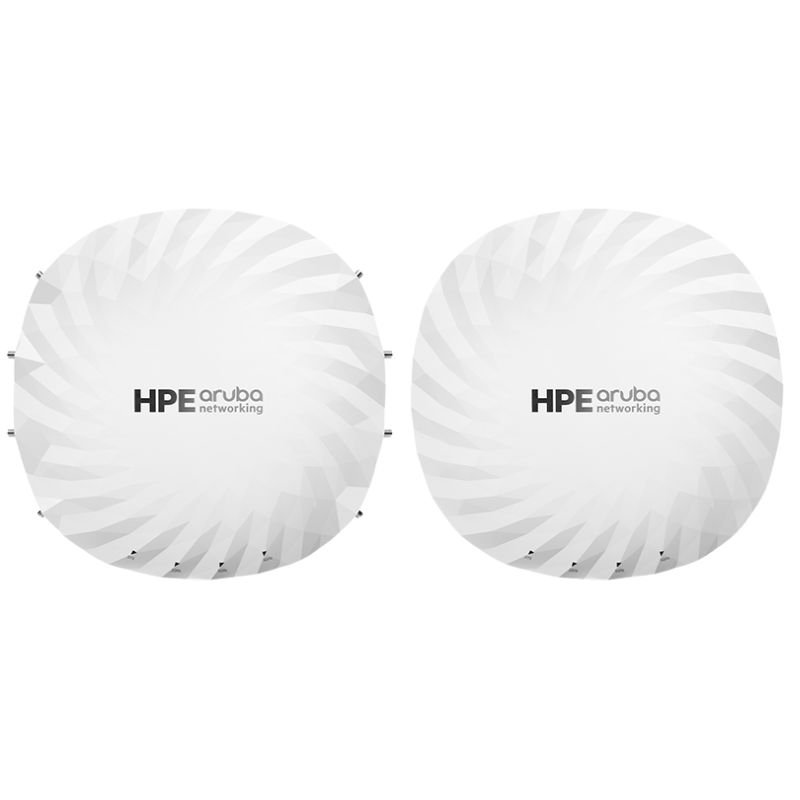
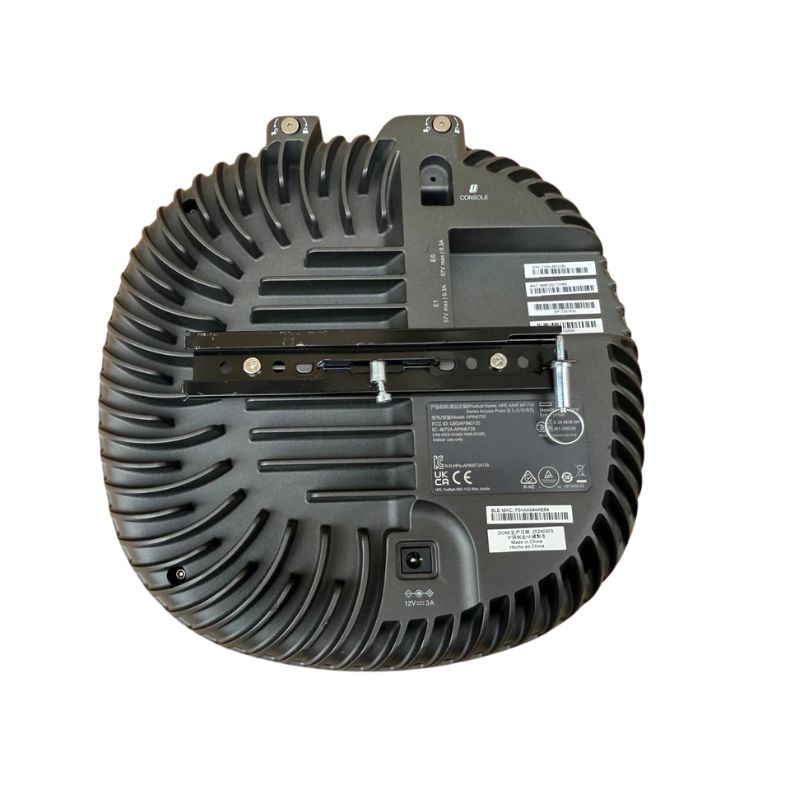
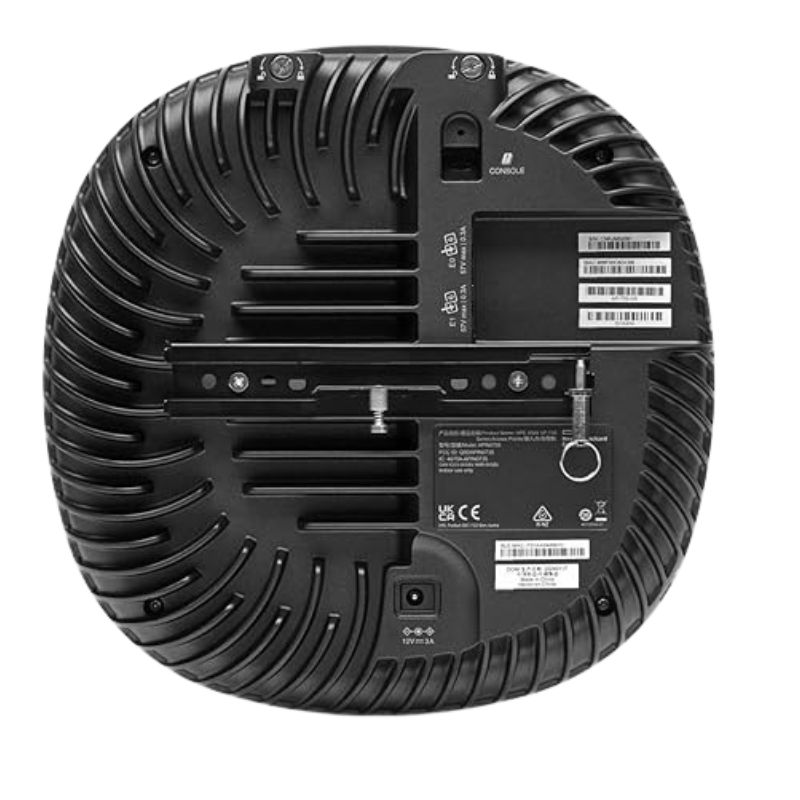
HPE AP-735-RW Aruba Networking 2.4GBPS Wi-Fi 7 Tri Radio 2x2 Internal Antennas Campus Wireless Access Point. Factory-Sealed New in Original Box (FSB) with 3 Years Warranty. Call
The HPE Aruba Networking AP-735-RW is a next-generation Wi-Fi 7 wireless access point engineered for high-density campus environments. Delivering ultra-fast connectivity up to 2.4 Gbps, it integrates a tri-radio architecture with 2x2 internal antennas to ensure stable, high-capacity wireless performance. Designed for modern enterprise networks, it supports advanced IoT integration, enhanced security protocols, and optimized spectrum utilization for seamless digital experiences.
The HPE AP-735-RW Aruba Networking 2.4Gbps Wi-Fi 7 Tri Radio 2x2 Internal Antennas Campus Wireless Access Point represents a modern advancement in enterprise-grade wireless infrastructure designed for high-density campus environments. This category of access points is engineered to support evolving digital ecosystems where connectivity, reliability, and performance are essential for business operations, academic environments, healthcare facilities, and large-scale enterprise campuses. Built on next-generation wireless principles, this device integrates Wi-Fi 7 capabilities with tri-radio architecture and advanced internal antenna design to deliver stable, high-speed wireless coverage across demanding environments.
This class of campus wireless access points is designed to support seamless communication between thousands of devices simultaneously while maintaining low latency and consistent throughput. The HPE Aruba Networking ecosystem emphasizes centralized management, intelligent network optimization, and enterprise-level security frameworks that ensure secure and efficient data transmission in complex wireless environments.
Modern enterprise campuses require wireless systems that can handle continuous device growth, bandwidth-heavy applications, and diverse user mobility patterns. The HPE AP-735-RW category is positioned within this ecosystem to support distributed network architectures where multiple access points work in coordination to provide seamless wireless coverage across large physical spaces.
In a campus deployment scenario, the access point functions as a critical edge device connecting end users, IoT devices, and enterprise applications to the core network. The Wi-Fi 7 standard enhances this architecture by introducing improved spectrum utilization, higher modulation efficiency, and expanded channel bandwidth capabilities. This allows the network to handle high-density environments such as lecture halls, corporate conference centers, and smart office floors.
High density connectivity environments require access points that can efficiently manage multiple simultaneous connections without degradation in performance. The HPE AP-735-RW utilizes advanced radio resource management techniques to distribute traffic evenly across available channels. This ensures that no single frequency band becomes overloaded, maintaining consistent performance for all connected devices.
In environments where thousands of users connect simultaneously, such as university campuses or corporate headquarters, the tri-radio configuration provides additional layers of capacity and redundancy. Each radio operates independently while contributing to an overall balanced network ecosystem.
Wi-Fi 7 represents a significant leap in wireless communication standards, offering improvements in throughput, latency reduction, and spectral efficiency. The HPE AP-735-RW integrates these capabilities to deliver theoretical speeds of up to 2.4Gbps, enabling smooth handling of high-bandwidth applications such as ultra-high-definition video conferencing, cloud-based computing, and real-time data analytics.
One of the most important aspects of Wi-Fi 7 is its ability to utilize wider channel bandwidths and advanced modulation techniques. This results in more efficient data transmission and reduced network congestion, particularly in environments where multiple wireless networks coexist.
The tri-radio architecture embedded in the HPE AP-735-RW is designed to maximize spectral efficiency while reducing interference across multiple frequency bands. Each radio is dedicated to specific operational roles, allowing the access point to manage diverse traffic types simultaneously.
This configuration ensures that legacy devices, modern Wi-Fi 7 devices, and IoT endpoints can coexist within the same network infrastructure without causing performance degradation. The separation of radio functions improves channel utilization and enhances overall network stability.
The 2x2 multiple input multiple output configuration is a key element of the HPE AP-735-RW performance structure. This setup enables the access point to transmit and receive data across two spatial streams, improving data efficiency and signal reliability.
In enterprise environments, spatial stream optimization plays a critical role in maintaining stable connections for mobile devices, laptops, and IoT systems. The 2x2 design balances performance with energy efficiency, making it suitable for deployments where power consumption and thermal management are important considerations.
The internal antenna design of the HPE AP-735-RW is engineered to provide balanced coverage across indoor campus environments. Internal antennas offer a streamlined design approach that reduces physical exposure while maintaining high-performance wireless transmission capabilities.
The placement and orientation of antennas within the access point housing are optimized to deliver consistent signal distribution across open spaces, corridors, and multi-room environments. This ensures that users experience reliable connectivity regardless of their location within the coverage area.
The HPE AP-735-RW is part of the Aruba Networking portfolio, which emphasizes intelligent network management and enterprise-grade connectivity solutions. Integration within the HPE ecosystem allows seamless interoperability between access points, controllers, and cloud-based management platforms.
This integration enables centralized visibility and control over network performance, allowing administrators to monitor traffic patterns, detect anomalies, and optimize resource allocation across the entire infrastructure.
Campus environments such as universities, corporate headquarters, and research facilities require wireless systems capable of supporting large populations of concurrent users. The HPE AP-735-RW is designed to meet these requirements by providing scalable performance and adaptive connectivity features.
In lecture halls and auditoriums, the access point can handle simultaneous streaming, interactive learning platforms, and collaborative applications without performance degradation. In corporate environments, it supports video conferencing, cloud applications, and secure data exchange between departments.
Scalability is a critical requirement for growing organizations. The architecture of the HPE AP-735-RW allows seamless expansion of wireless networks without compromising performance. Additional access points can be integrated into existing deployments to extend coverage and capacity as needed.
Security is a foundational element of enterprise wireless networks. The HPE AP-735-RW incorporates advanced encryption protocols, authentication mechanisms, and intrusion detection capabilities to safeguard data transmission across the network.
These security features ensure that only authorized users and devices can access network resources, reducing the risk of unauthorized access and data breaches. The system continuously monitors network activity to detect anomalies and respond to potential threats in real time.
Energy efficiency is an important consideration in large-scale wireless deployments. The HPE AP-735-RW is designed to optimize power consumption while maintaining high performance levels. This contributes to reduced operational costs and supports sustainability initiatives within enterprise environments.
Power over Ethernet integration allows simplified installation and centralized power management, reducing the need for additional electrical infrastructure and improving deployment flexibility.
Radio frequency optimization is a critical function in maintaining wireless network stability. The HPE AP-735-RW continuously analyzes environmental conditions and adjusts transmission parameters to minimize interference and maximize performance.
This adaptive behavior enhances network resilience and ensures consistent connectivity even in environments with high interference levels or fluctuating device density.
Modern enterprise environments include a wide range of IoT devices such as sensors, cameras, and automation systems. The HPE AP-735-RW is designed to support these devices alongside traditional computing endpoints, ensuring unified connectivity across the entire digital ecosystem.
This integration enables smart building applications, environmental monitoring systems, and automated control solutions to operate efficiently within the same wireless infrastructure.
As digital transformation continues to evolve, wireless infrastructure must adapt to increasing demands for speed, capacity, and intelligence. The HPE AP-735-RW represents a forward-looking approach to wireless networking, incorporating technologies that prepare enterprise environments for future connectivity requirements.
Its Wi-Fi 7 foundation, tri-radio architecture, and intelligent management capabilities ensure long-term relevance in rapidly evolving technological landscapes, supporting the next generation of digital applications and services across campus environments.


 Contact Us
 Information
 Catalog
 Solid State Drives (SSD)
 Network Switches
 Hard Disk Drives
 HBA & Controllers
 PC & Servers
 PC & Server Memory
 CPU & Processors
 Network Routers
 Power Supplies
 Tape Drives & Libraries
 Network Devices
 Computer & Network Cables