(7% discount is applied at checkout)
Cart is empty
Your go-to destination for cutting-edge server products
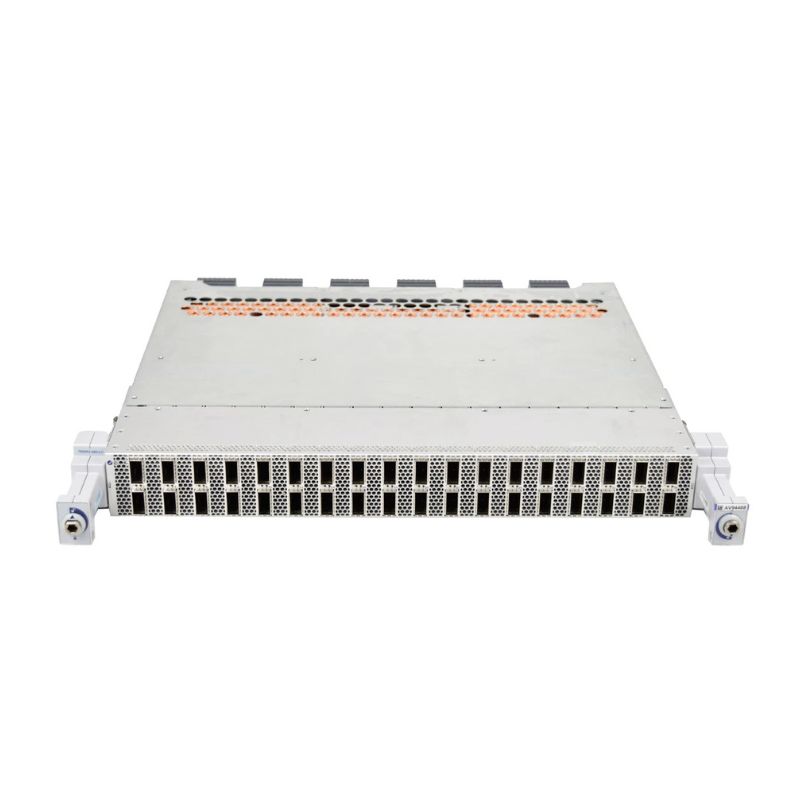


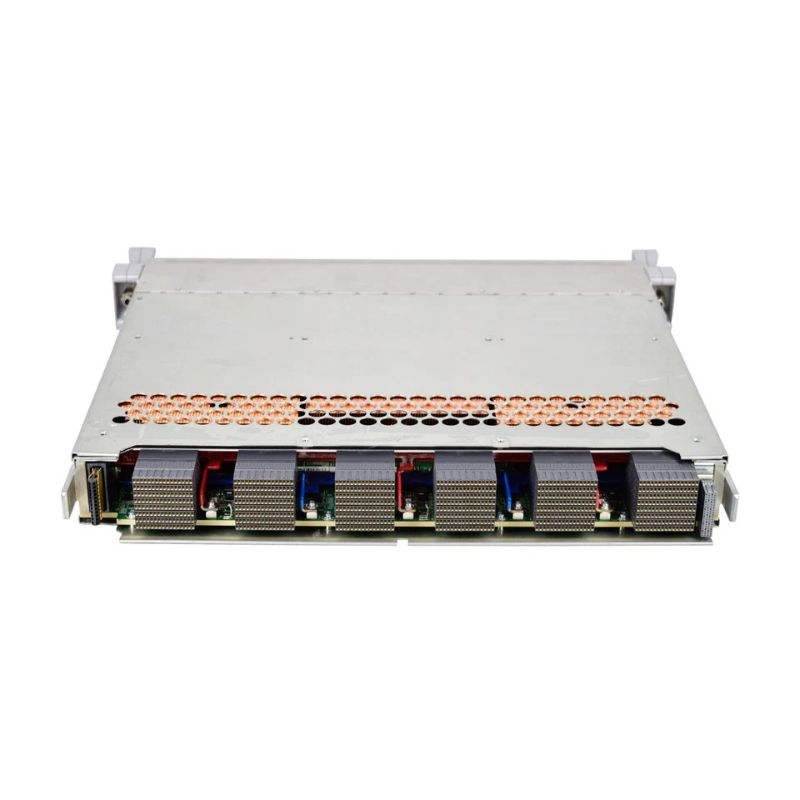
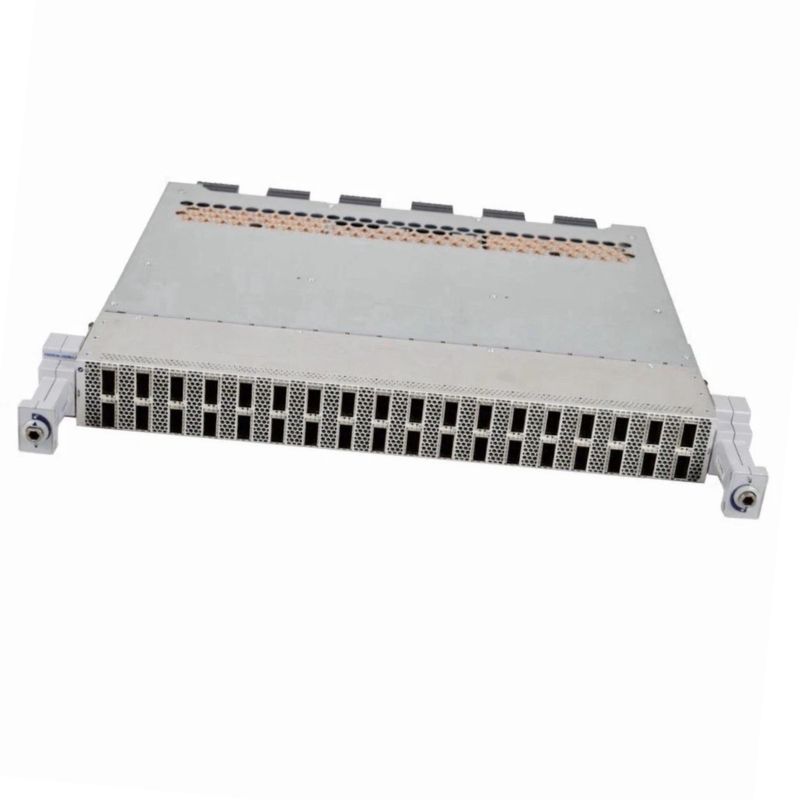
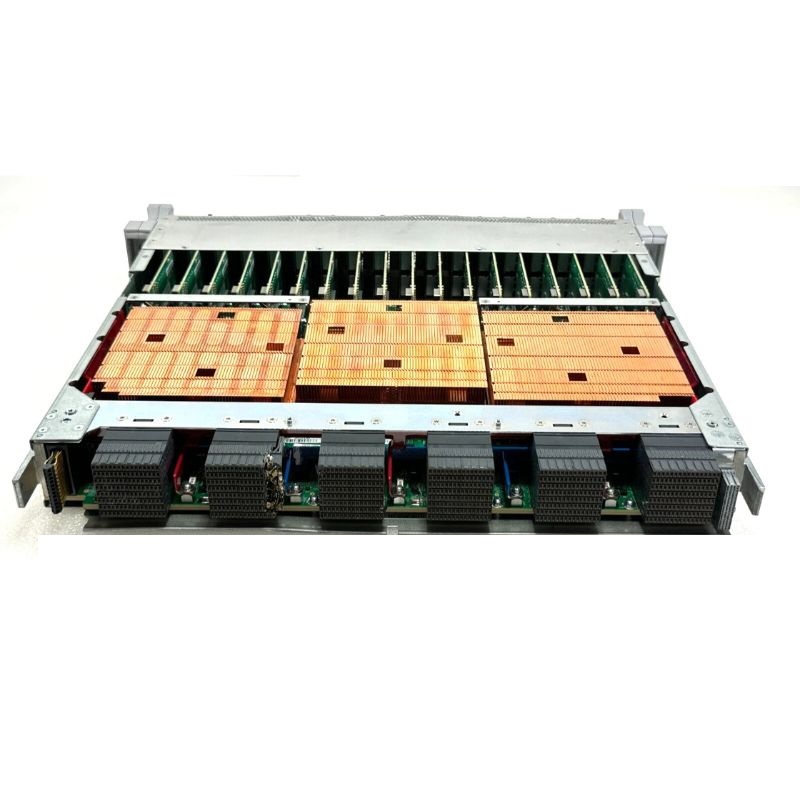
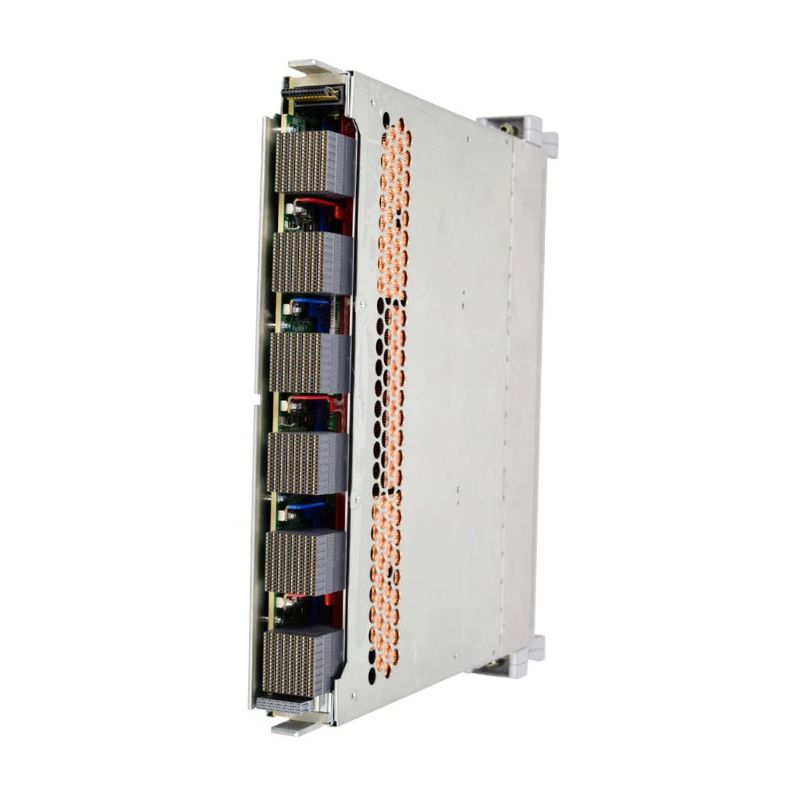
Arista DCS-7800R3-36D-LC 36 Ports 400GbE QSFP-DD Wirespeed Line Card. Excellent Refurbished with 1 year replacement warranty
Overview of ARISTA DCS-7800R3-36D-LC 400GbE Line Card
The ARISTA DCS-7800R3-36D-LC is engineered for ultra-fast data center networking environments that demand exceptional throughput, scalability, and low-latency switching performance. Built for the Arista 7800R3 platform, this advanced line card delivers reliable connectivity with high-density 400 Gigabit Ethernet interfaces for modern cloud, enterprise, and hyperscale infrastructures.
The Arista DCS-7800R3-36D-LC 7800R3 Series 36 port 400GbE QSFP-DD Wirespeed Line Card is engineered for hyperscale data center environments, cloud networking infrastructures, large enterprise core deployments, and high-capacity service provider architectures that demand uncompromising throughput, scalability, and operational consistency. Designed as part of the advanced 7800R3 modular switching platform, this high-density line card delivers exceptional wire-speed performance while supporting the increasing demands of east-west traffic, AI workloads, high-frequency analytics, distributed storage systems, and large-scale virtualization environments.
Built around modern Ethernet standards and optimized for next-generation spine-leaf architectures, the line card provides thirty-six dedicated 400GbE QSFP-DD interfaces capable of supporting ultra-high bandwidth aggregation, large-scale routing tables, deterministic latency, and seamless workload mobility. The hardware platform integrates advanced packet processing technologies, deep buffering capabilities, and highly efficient forwarding pipelines that enable consistent performance across demanding network conditions.
Modern enterprises and cloud providers require infrastructure capable of supporting continuous digital transformation initiatives, and the Arista DCS-7800R3-36D-LC delivers the density and reliability necessary to sustain mission-critical environments. The platform addresses increasing bandwidth consumption from machine learning clusters, hyperconverged infrastructure, multi-tenant cloud architectures, containerized applications, and distributed edge computing frameworks while maintaining operational simplicity.
One of the most important aspects of the Arista DCS-7800R3-36D-LC line card is its ability to deliver thirty-six native 400GbE ports within a compact modular architecture. This density enables organizations to consolidate switching layers, reduce physical infrastructure complexity, and optimize rack utilization without sacrificing network performance.
The integration of QSFP-DD technology allows flexible deployment models that support direct 400GbE connectivity as well as breakout configurations for lower-speed Ethernet environments. This flexibility is especially valuable in transitional data center deployments where organizations continue to operate mixed-speed infrastructures involving 10GbE, 25GbE, 40GbE, 100GbE, and 200GbE systems.
Large-scale cloud providers benefit significantly from high-density interface designs because they reduce cabling overhead, improve airflow efficiency, and simplify large-scale fabric expansion strategies. The architecture also supports future growth initiatives by enabling scalable uplink connectivity between core, aggregation, and spine switching layers.
The wirespeed forwarding capabilities of the Arista DCS-7800R3-36D-LC ensure that all ports can operate simultaneously at full throughput without introducing packet loss or congestion under normal operating conditions. This capability is essential for environments where latency-sensitive workloads and massive data transfers occur continuously across the network fabric.
Wire-speed packet forwarding contributes to predictable application behavior and improved end-user experiences across virtualized infrastructures, financial trading systems, scientific research environments, and AI model training platforms. The switching architecture is designed to process high packet-per-second rates while maintaining low latency characteristics that are critical for modern distributed applications.
Organizations deploying high-capacity storage replication, clustered computing systems, or real-time analytics platforms can benefit from the deterministic forwarding behavior enabled by this advanced Ethernet line card architecture. The hardware is optimized to sustain demanding traffic profiles while maintaining consistent forwarding efficiency during peak utilization periods.
The QSFP-DD interface standard integrated into the Arista DCS-7800R3-36D-LC provides extensive compatibility with modern optical and direct-attach cable technologies. This enables network architects to design highly adaptable deployment models that align with varying distance requirements, budget constraints, and infrastructure expansion goals.
QSFP-DD technology supports high-speed optical transmission across short-range, medium-range, and long-range networking environments. Whether organizations are deploying within a single rack, across data center rows, or between geographically separated facilities, the platform offers flexible optical integration possibilities that align with evolving connectivity strategies.
The enhanced connector density of QSFP-DD modules also allows higher aggregate throughput within modular chassis platforms, making the line card particularly valuable in environments requiring extremely high port scalability. This density is critical for hyperscale data centers where maximizing throughput per rack unit significantly impacts operational efficiency and long-term infrastructure costs.
The Arista DCS-7800R3-36D-LC supports breakout connectivity configurations that allow a single 400GbE interface to be segmented into multiple lower-speed Ethernet links. This capability offers substantial flexibility during infrastructure migrations and enables organizations to integrate legacy devices without requiring immediate hardware replacement.
Breakout functionality is particularly advantageous for enterprise environments transitioning from 100GbE or 25GbE networking architectures toward 400GbE infrastructures. Rather than implementing disruptive forklift upgrades, organizations can gradually modernize their environments while preserving existing investments.
This flexible deployment methodology supports phased migration strategies, enabling IT teams to maintain operational continuity while incrementally expanding network capacity. The result is improved investment protection and smoother transition planning for large-scale digital infrastructure projects.
As data center requirements continue to evolve, scalable networking infrastructure becomes increasingly important. The Arista DCS-7800R3-36D-LC line card supports large-scale expansion initiatives by enabling modular growth within the 7800R3 chassis ecosystem. Organizations can add additional line cards as bandwidth demands increase without redesigning their entire network architecture.
This modular scalability is highly beneficial for rapidly growing enterprises, cloud providers, telecommunications operators, and research institutions that must accommodate fluctuating workloads and continuously increasing traffic volumes. By supporting incremental scalability, the platform reduces capital expenditure spikes while improving long-term infrastructure planning.
The Arista DCS-7800R3-36D-LC is optimized for modern spine-leaf network topologies that prioritize low latency, high bandwidth, and predictable east-west traffic flow. These architectures are commonly used in hyperscale cloud environments because they provide efficient workload distribution and simplified scalability.
Within spine-leaf deployments, high-density 400GbE connectivity allows spine switches to maintain non-blocking communication with large numbers of leaf switches. This creates highly resilient and scalable fabrics capable of supporting massive virtual machine mobility, container orchestration frameworks, distributed applications, and software-defined networking initiatives.
The predictable latency characteristics enabled by the platform contribute to consistent application performance across clustered computing environments and large-scale storage systems. Organizations operating latency-sensitive workloads benefit from reduced congestion and improved data delivery efficiency.
Artificial intelligence infrastructure requires extremely high bandwidth and low-latency communication between GPU clusters, storage arrays, and distributed processing nodes. The Arista DCS-7800R3-36D-LC provides the performance necessary to support these intensive traffic patterns while maintaining network stability.
Machine learning training environments often generate enormous east-west traffic flows due to distributed computation processes and synchronized data transfers. The line card’s wire-speed architecture helps ensure that data movement between compute clusters remains efficient and predictable even during intensive training operations.
High-capacity Ethernet fabrics are increasingly essential for AI model development, inference processing, and large-scale data analytics. The 400GbE connectivity supported by the line card significantly reduces potential bottlenecks that can negatively impact computational efficiency and overall workload completion times.
Multi-tenant cloud environments demand network segmentation, security isolation, and high-performance routing capabilities. The Arista DCS-7800R3-36D-LC supports advanced virtualization and overlay networking technologies that enable efficient tenant separation while maintaining high throughput and operational agility.
Cloud service providers require scalable switching infrastructure capable of supporting thousands of virtualized workloads across dynamically changing environments. The high-density Ethernet capabilities of the line card facilitate rapid workload deployment and efficient traffic engineering within virtualized infrastructures.
Support for advanced automation frameworks and programmable networking features further enhances the operational efficiency of cloud deployments by enabling centralized management, policy enforcement, and simplified orchestration workflows.
The modular design philosophy of the Arista 7800R3 Series allows the DCS-7800R3-36D-LC line card to operate within highly resilient chassis architectures featuring redundant supervisors, power supplies, and cooling systems. This redundancy is critical for mission-critical environments where network downtime can result in significant operational disruption and financial loss.
Redundant system components contribute to improved fault tolerance and enable continuous operation even during hardware maintenance or unexpected component failures. Organizations operating financial services platforms, healthcare systems, telecommunications infrastructures, and cloud hosting environments depend on this level of resiliency to maintain uninterrupted service availability.
Low-latency packet forwarding is essential for environments involving real-time communications, distributed databases, AI processing clusters, and high-performance computing systems. The Arista DCS-7800R3-36D-LC is designed with optimized forwarding pipelines that minimize processing delays while maintaining high throughput efficiency.
Reduced latency contributes to improved synchronization between distributed applications and helps ensure consistent user experiences across high-demand environments. The architecture also supports deterministic traffic handling, which is particularly valuable for latency-sensitive workloads requiring predictable network behavior.
Deep packet buffering capabilities enable the line card to manage transient traffic bursts more effectively without introducing significant packet loss. This is particularly important in environments with unpredictable traffic patterns, storage replication workloads, or burst-intensive application behaviors.
Buffer management technologies help stabilize network performance during periods of congestion and contribute to smoother workload operation across large-scale Ethernet fabrics. Organizations benefit from improved application responsiveness and reduced transmission errors during high-utilization scenarios.
The Arista DCS-7800R3-36D-LC operates within the Arista EOS ecosystem, which provides a highly programmable and extensible network operating system designed for automation, consistency, and operational simplicity. EOS architecture enables advanced telemetry, automated provisioning, centralized management, and streamlined troubleshooting processes.
Modern network operations increasingly rely on software-driven infrastructure management models that reduce manual configuration complexity and improve deployment consistency. EOS contributes to these objectives by providing robust APIs, automation frameworks, and real-time state visibility across the network environment.
Automation support is particularly beneficial for hyperscale data centers and cloud providers managing thousands of interconnected devices across geographically distributed environments. Centralized operational visibility enhances troubleshooting efficiency and improves overall network reliability.
Programmable networking has become a fundamental requirement for large-scale enterprise and cloud deployments. The Arista DCS-7800R3-36D-LC supports software-defined infrastructure initiatives by enabling integration with orchestration platforms, automation tools, and network analytics systems.
Programmability allows organizations to deploy configuration changes rapidly, enforce consistent security policies, automate workload provisioning, and optimize traffic engineering strategies across dynamic infrastructures. These capabilities contribute to reduced operational overhead and improved infrastructure agility.
Advanced telemetry features provide granular visibility into network performance metrics, traffic flows, hardware utilization, and operational health indicators. Real-time analytics enable IT teams to identify anomalies, optimize performance, and proactively address potential infrastructure issues before they impact production services.
Network observability has become increasingly important as organizations deploy more complex distributed applications and cloud-native environments. The visibility enabled by advanced telemetry contributes to improved troubleshooting efficiency and better long-term capacity planning.
Large enterprises increasingly require ultra-high-capacity core networking solutions capable of supporting digital transformation initiatives, remote workforce connectivity, hybrid cloud integration, and large-scale application delivery. The Arista DCS-7800R3-36D-LC provides the bandwidth and scalability needed to support these evolving enterprise requirements.
Enterprise backbone networks benefit from high-density 400GbE connectivity because it enables simplified aggregation architectures and supports rapid growth in application traffic. Organizations can consolidate network layers while improving throughput efficiency and reducing operational complexity.
The platform also supports modern security frameworks, segmentation strategies, and policy-driven networking architectures that contribute to improved compliance and operational governance across enterprise infrastructures.
Service providers and telecommunications operators require scalable Ethernet platforms capable of supporting subscriber growth, content delivery services, mobile infrastructure expansion, and high-capacity transport architectures. The Arista DCS-7800R3-36D-LC delivers the performance necessary for these demanding environments.
Carrier-grade networking deployments often involve extremely high traffic volumes and stringent availability requirements. The line card’s resilient architecture and wire-speed forwarding capabilities contribute to reliable service delivery across large-scale transport networks.
As telecommunications providers continue expanding 5G infrastructure and edge computing services, high-capacity Ethernet switching becomes increasingly important for supporting distributed network architectures and real-time service delivery models.
Edge computing deployments require scalable connectivity between centralized cloud infrastructures and distributed processing locations positioned closer to end users and IoT devices. The Arista DCS-7800R3-36D-LC supports these architectures by enabling high-bandwidth interconnection between edge environments and core data center resources.
Low-latency communication is especially important for edge workloads involving autonomous systems, industrial automation, video analytics, and real-time processing applications. The line card’s optimized forwarding performance contributes to improved responsiveness across distributed infrastructures.
The Arista DCS-7800R3-36D-LC is positioned to support future networking requirements driven by increasing application complexity, AI adoption, distributed cloud services, and next-generation storage architectures. The high-capacity Ethernet foundation provided by the line card enables organizations to prepare for future bandwidth growth while maintaining infrastructure flexibility.
Emerging technologies such as composable infrastructure, software-defined storage, distributed AI clusters, and large-scale analytics platforms continue driving demand for ultra-high-performance networking solutions. The scalability and performance characteristics of the line card make it well suited for supporting these evolving workloads.
Modular chassis architectures provide long-term investment protection by allowing organizations to expand network capacity incrementally rather than replacing entire switching infrastructures. The Arista DCS-7800R3-36D-LC contributes to this strategy by enabling scalable deployment models aligned with evolving business requirements.
Organizations can introduce additional line cards, upgrade optical technologies, and expand network fabrics without disrupting existing production environments. This flexibility improves infrastructure longevity and reduces the financial impact associated with large-scale hardware refresh cycles.


 Contact Us
 Information
 Catalog
 Solid State Drives (SSD)
 Network Switches
 Hard Disk Drives
 HBA & Controllers
 PC & Servers
 PC & Server Memory
 CPU & Processors
 Network Routers
 Power Supplies
 Tape Drives & Libraries
 Network Devices
 Computer & Network Cables