(7% discount is applied at checkout)
Cart is empty
Your go-to destination for cutting-edge server products
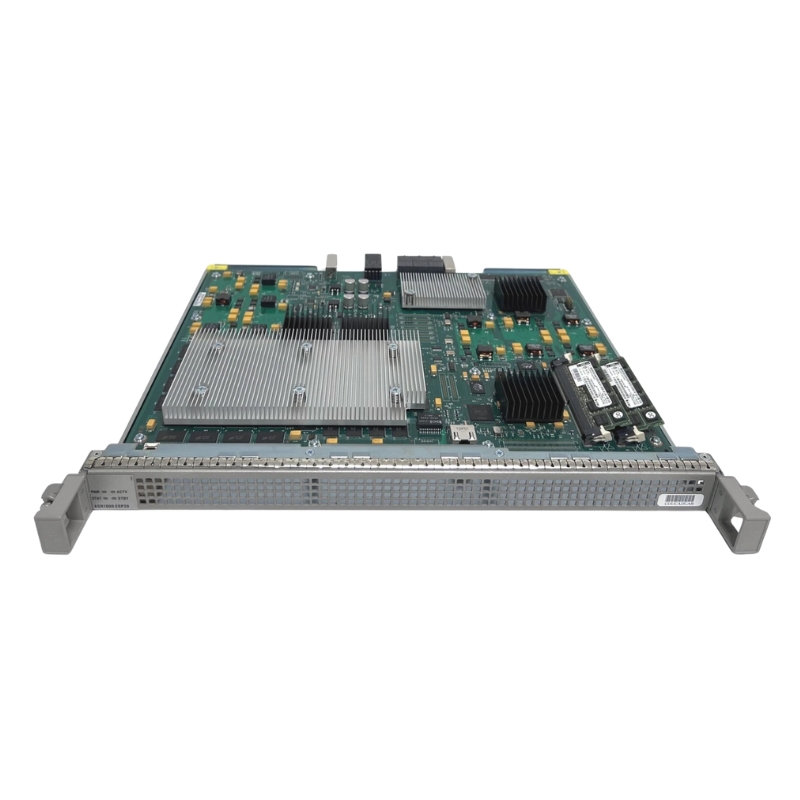


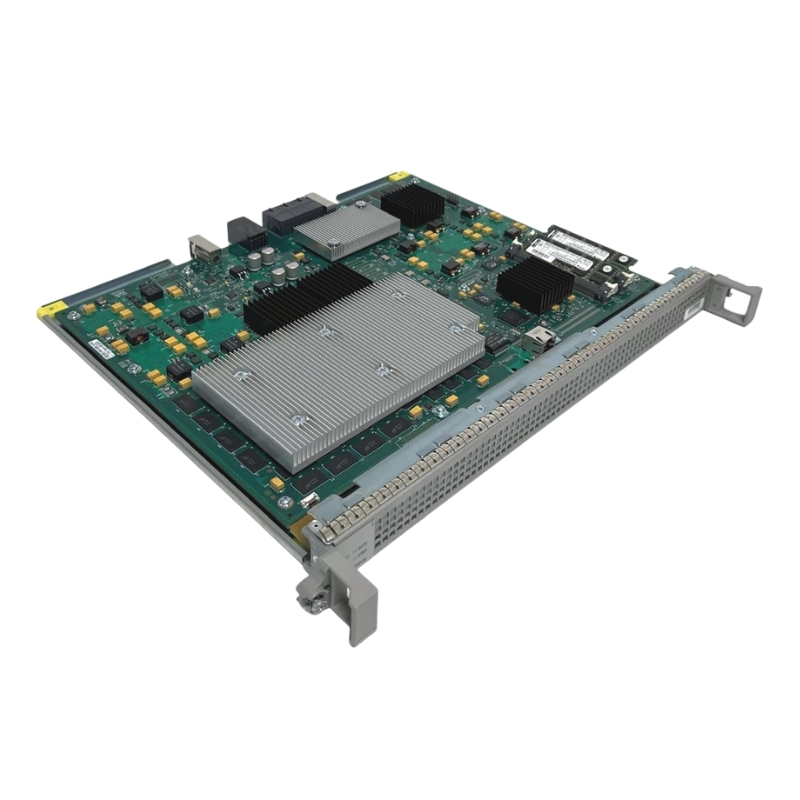
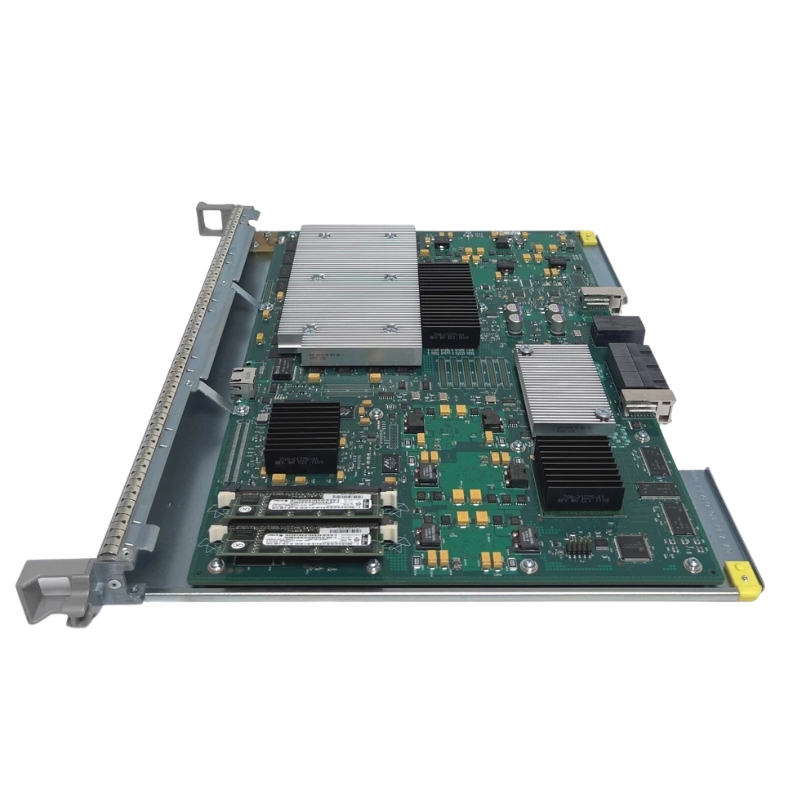
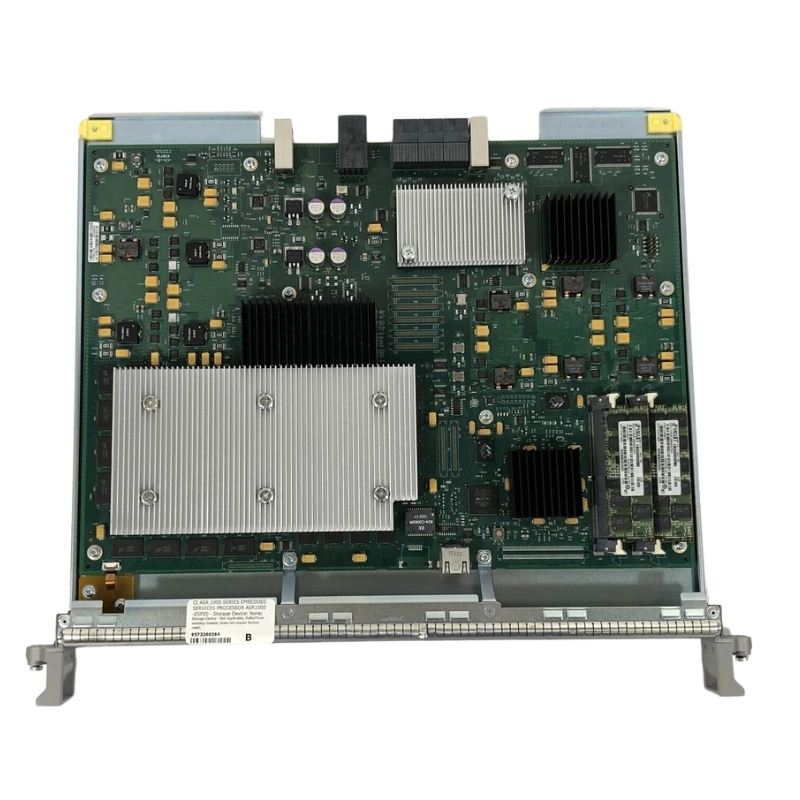
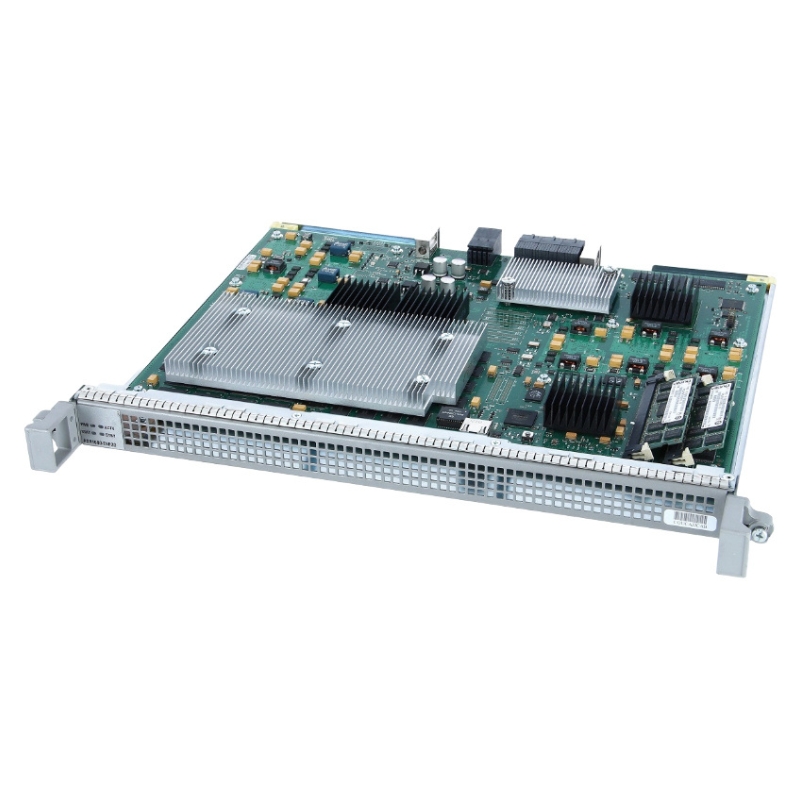
Cisco ASR1000-ESP20 ASR 1000 Series Services Processor. Factory-Sealed New in Original Box (FSB) with 1 year replacement warranty
| SKU/MPN | Warranty | Price | Condition | You save |
|---|---|---|---|---|
| ASR1000-ESP20 | 1 Year Warranty | $147.00 | Excellent Refurbished | You save: $51.45 (26%) |
| ASR1000-ESP20 | 1 Year Warranty | $7,720.00 | Factory-Sealed New in Original Box (FSB) | You save: $2,702.00 (26%) |
The Cisco ASR1000-ESP20 from the ASR 1000 Series is a high-performance embedded services processor designed to enhance advanced routing, security, and traffic handling capabilities in enterprise and service provider environments. This 20 Gbps-class processing module integrates intelligent firewall functionality and scalable network services, making it suitable for demanding backbone and edge deployments where reliability and throughput are critical.
The Cisco ASR1000-ESP20 is a dedicated services processor module designed for the Cisco ASR 1000 Series Aggregation Services Routers. It plays a central role in handling advanced packet processing tasks, offloading compute-intensive operations from the main route processor and enabling consistent high-speed forwarding performance. This architecture is built to support modern service provider and enterprise edge environments where traffic volumes are high and service complexity continues to increase.
At its core, the ESP20 functions as a high-performance forwarding engine that integrates hardware acceleration for packet classification, routing decisions, and traffic management. It is engineered to support scalable throughput levels while maintaining low latency, making it suitable for environments that demand predictable performance under variable workloads. The module is tightly integrated into the ASR 1000 Series chassis design, ensuring that forwarding and control plane functions remain logically separated for operational efficiency.
The services processor in the ASR 1000 architecture is responsible for offloading data plane activities that would otherwise burden the general-purpose CPU on the route processor. By isolating forwarding logic into the ESP20, the system achieves better stability and higher sustained throughput. This separation ensures that routing protocols, management functions, and control plane tasks do not interfere with packet forwarding performance.
In real-world deployments, the ESP20 handles a wide range of network tasks including packet switching, forwarding decisions, and service processing functions such as quality enforcement and traffic shaping. This allows network administrators to deploy complex services without sacrificing performance consistency.
The ESP20 leverages specialized hardware components designed for parallel packet processing. Unlike software-only forwarding solutions, this module uses dedicated circuitry optimized for deterministic performance. The hardware acceleration framework enables it to process multiple traffic flows simultaneously while maintaining minimal processing delay.
The architecture supports efficient handling of both small and large packet sizes, which is essential for mixed traffic environments. Whether dealing with transactional data, streaming media, or encrypted tunnels, the ESP20 maintains consistent forwarding efficiency by distributing workload across multiple internal processing pipelines.
The packet processing engine within the ESP20 is structured to deliver high-speed forwarding through a combination of lookup acceleration, flow management, and hardware-based decision making. This design eliminates bottlenecks commonly associated with software-based routing systems and ensures that traffic flows are processed at line-rate performance under most conditions.
The forwarding architecture is built around a distributed processing model where packet classification, routing lookup, and forwarding actions occur in separate optimized stages. Each stage is designed to operate independently while maintaining synchronization with the overall data flow pipeline.
When a packet enters the system, it is first inspected for basic header information. The ESP20 then performs rapid table lookups to determine the appropriate forwarding path. Once a decision is made, the packet is queued for transmission with minimal delay, ensuring efficient utilization of available bandwidth.
The ASR1000-ESP20 is engineered for high throughput performance, making it suitable for demanding edge and aggregation roles. Its architecture is optimized for sustained data forwarding under heavy traffic conditions, ensuring stable operation even during peak utilization periods.
The ESP20 is fully integrated into the ASR 1000 Series router architecture, working alongside the route processor and other modular components. This integration ensures seamless communication between control plane and data plane functions.
The modular design allows the ESP20 to be replaced or upgraded independently, providing flexibility in scaling system performance based on evolving network requirements. This modularity is a key feature of the ASR 1000 platform, enabling long-term investment protection for network infrastructure.
The ESP20 supports high availability configurations that allow for failover and redundancy in critical network environments. In such setups, multiple processing modules can operate in parallel or standby modes, ensuring continuous service availability even in the event of hardware issues.
Failover mechanisms are designed to minimize disruption during transitions, allowing traffic to continue flowing with minimal interruption. This is essential for enterprise and service provider environments where downtime can have significant operational impact.
The ASR1000-ESP20 is deployed across a wide range of networking environments where high-performance routing and service processing are required. Its versatility allows it to function effectively in both enterprise and carrier-grade networks.
In enterprise environments, the ESP20 is commonly used at WAN edge locations where multiple branch networks connect to centralized data centers or cloud services. It enables secure, high-speed connectivity while supporting advanced traffic management features.
The module ensures that enterprise traffic is efficiently routed across wide area networks, maintaining performance consistency for business-critical applications such as cloud access, unified communications, and large-scale data transfer.
Service providers utilize the ESP20 in aggregation layers where traffic from multiple customers is consolidated. The module’s ability to handle large-scale traffic flows makes it suitable for this role, ensuring efficient bandwidth utilization and reliable service delivery.
In these environments, the ESP20 supports diverse traffic types and service requirements, enabling providers to offer differentiated service levels while maintaining operational efficiency.
Security is a fundamental aspect of modern network infrastructure, and the ESP20 incorporates hardware-assisted features to support secure traffic processing. These capabilities ensure that encrypted and unencrypted traffic can be handled efficiently without compromising performance.
The ESP20 is capable of supporting encrypted traffic flows through hardware acceleration techniques. This allows secure communication channels such as virtual private networks to operate at high speeds without introducing significant overhead.
By offloading encryption-related processing to dedicated hardware, the system ensures that secure traffic does not degrade overall forwarding performance. This balance between security and speed is essential in modern distributed network environments.
The physical and electrical design of the ESP20 is optimized for reliability and performance in demanding network environments. The module is built to operate continuously under high workloads, ensuring long-term durability.
Monitoring systems provide detailed insights into packet processing rates, throughput levels, and resource utilization. This information is critical for maintaining optimal performance and identifying potential bottlenecks in the network.
Administrators can use these insights to make informed decisions about capacity planning and system optimization.


 Contact Us
 Information
 Catalog
 Solid State Drives (SSD)
 Network Switches
 Hard Disk Drives
 HBA & Controllers
 PC & Servers
 PC & Server Memory
 CPU & Processors
 Network Routers
 Power Supplies
 Tape Drives & Libraries
 Network Devices
 Computer & Network Cables