(7% discount is applied at checkout)
Cart is empty
Your go-to destination for cutting-edge server products
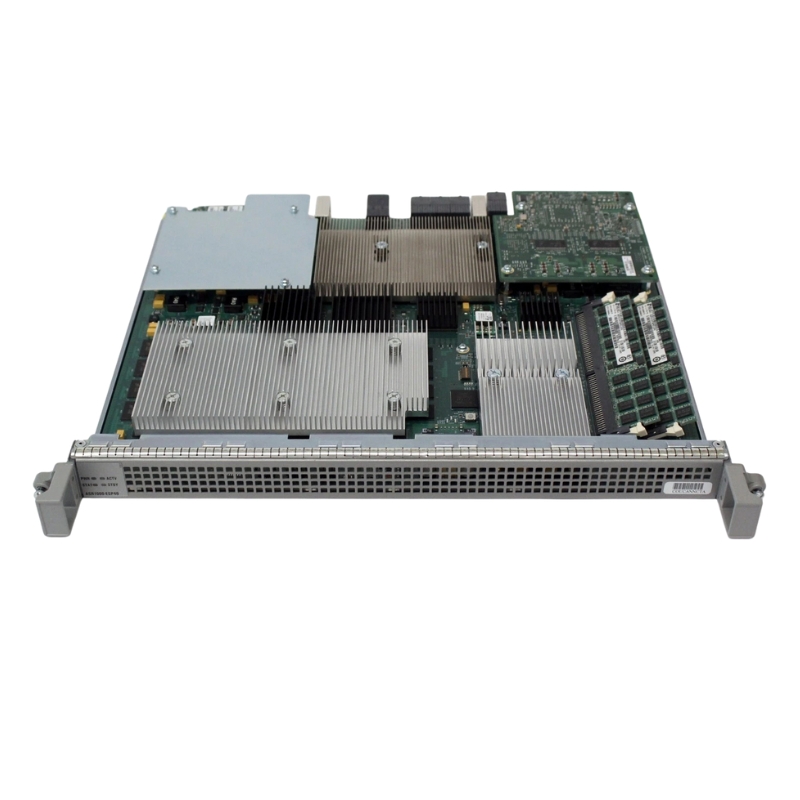


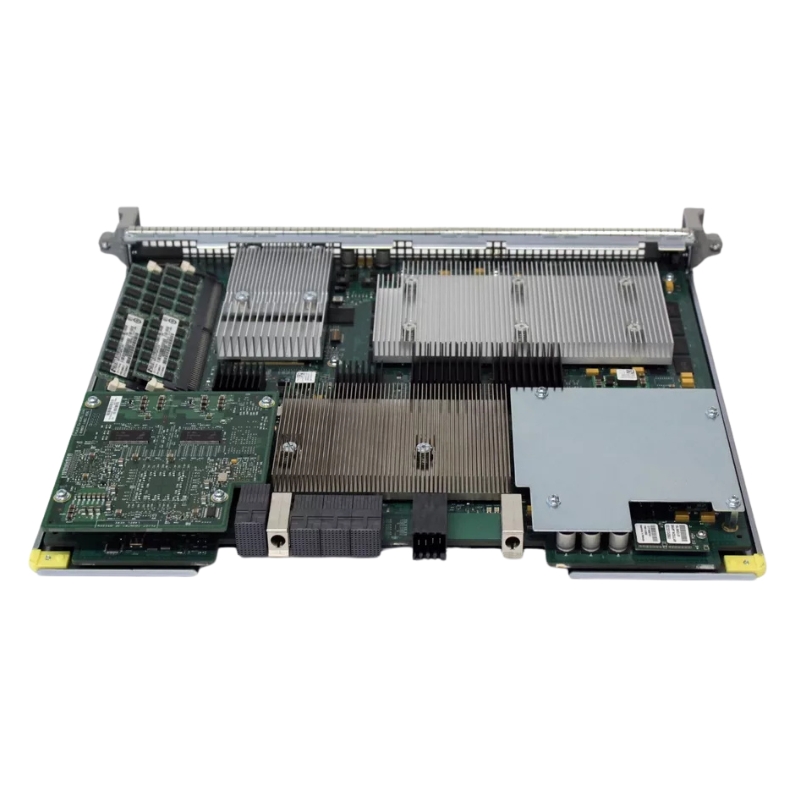
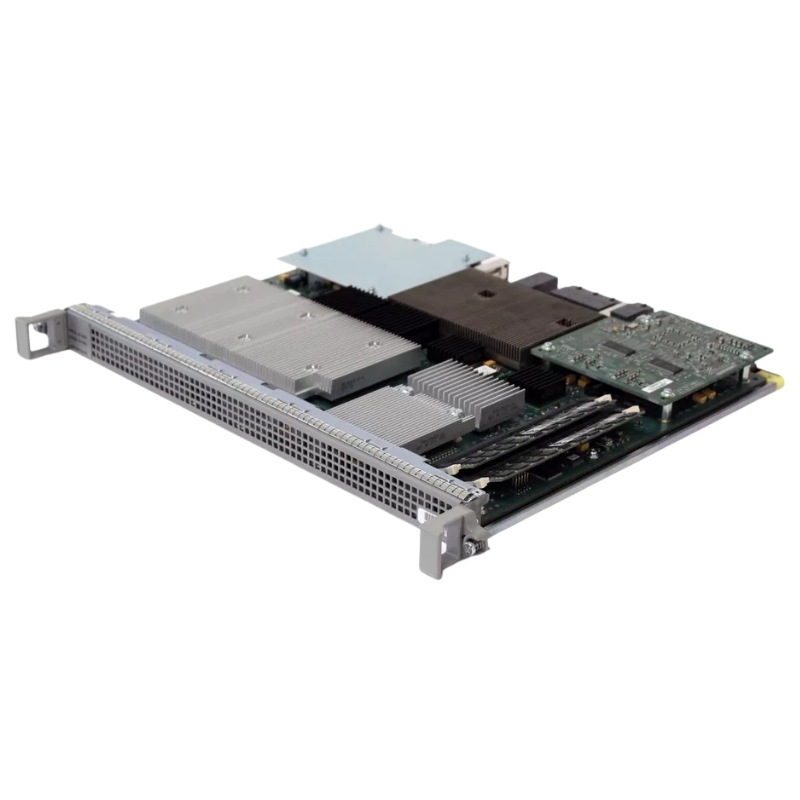
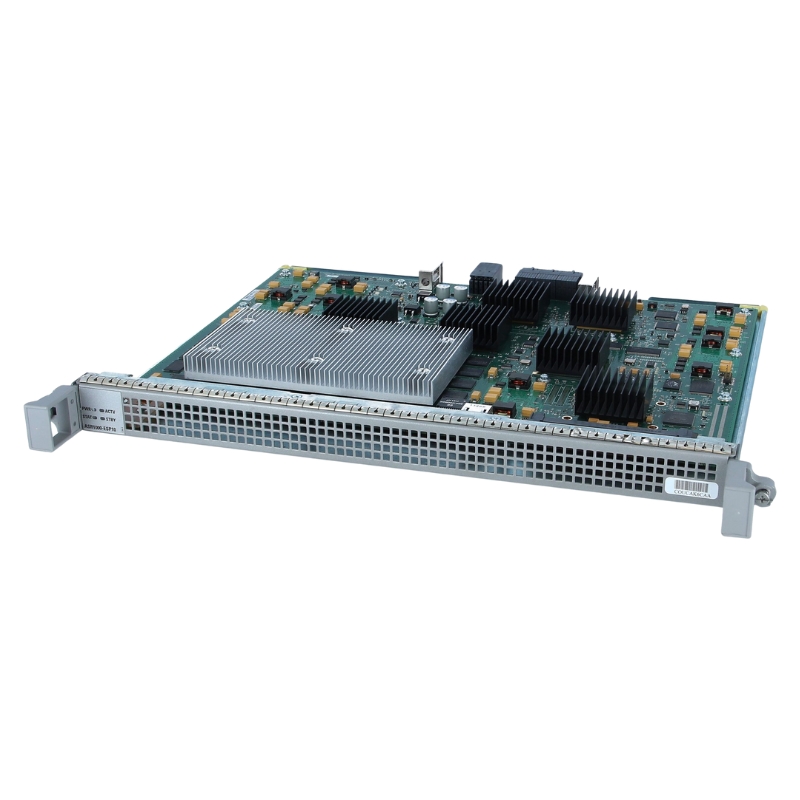
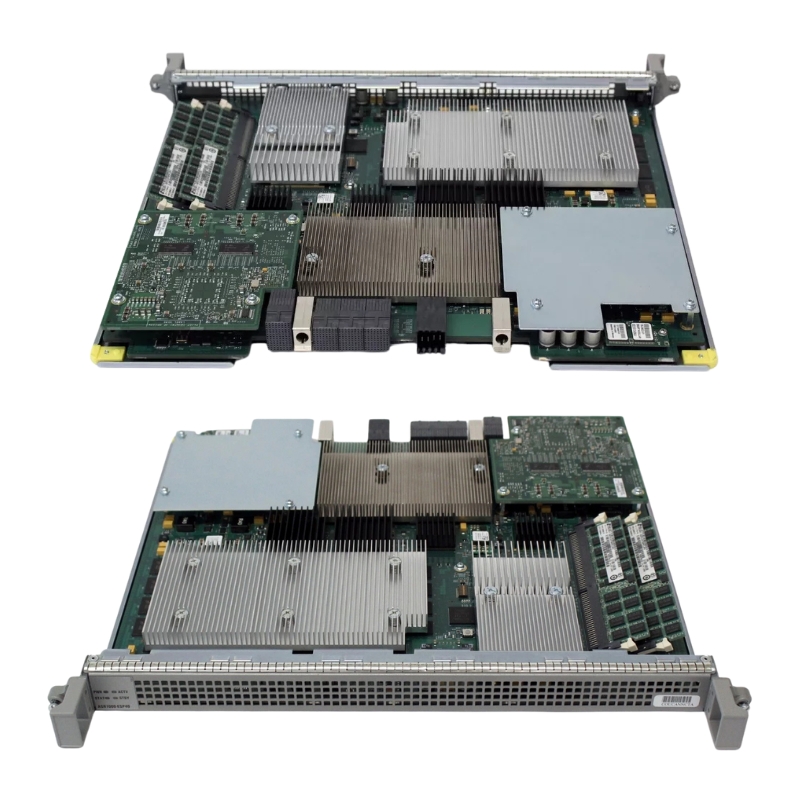
Cisco ASR1000-ESP40 40GBPS Service Module Aggregation Services Router. Excellent Refurbished with 1 year replacement warranty
| SKU/MPN | Warranty | Price | Condition | You save |
|---|---|---|---|---|
| ASR1000-ESP40 | 1 Year Warranty | $332.00 | Excellent Refurbished | You save: $116.20 (26%) |
| ASR1000-ESP40 | 1 Year Warranty | $1,690.00 | Factory-Sealed New in Original Box (FSB) | You save: $591.50 (26%) |
The Cisco ASR1000-ESP40 Embedded Services Processor is a high-performance plug-in module engineered to deliver ultra-fast 40Gbps throughput for modern enterprise and service provider networks. Designed for modular router architectures, it enhances processing efficiency, strengthens data handling capacity, and ensures stable operation in demanding network environments. This advanced control processing unit integrates seamlessly into Cisco ASR systems, providing scalable performance, improved traffic control, and dependable service delivery for mission-critical networking infrastructures.
The Cisco ASR1000-ESP40 Embedded Services Processor Plug-in Module 40Gbps is a high-performance forwarding engine designed to deliver advanced packet processing capabilities within service provider and enterprise edge environments. It plays a central role in enabling large-scale data handling, deep service integration, and consistent forwarding efficiency under demanding network conditions. Built for modular deployment within the Cisco ASR 1000 Series architecture, this processor is engineered to handle complex networking tasks while maintaining stable throughput and deterministic forwarding behavior.
Within modern networking infrastructures, the demand for high-speed data processing continues to grow due to cloud adoption, virtualization, and increased application-layer traffic. The ESP40 module is designed to address these requirements by offloading intensive forwarding operations from the main route processor, ensuring that control plane and data plane functions remain separated for optimal performance. This separation enables smoother traffic handling and improved scalability across evolving network environments.
As part of the broader ecosystem developed by the Embedded Services Processor 40Gbps contributes to a unified architecture that emphasizes resilience, modularity, and service integration. It supports advanced routing, switching, and service functions that are essential for carrier-grade deployments and enterprise WAN edge configurations.
In service provider edge environments, the ESP40 module serves as the core forwarding component responsible for processing large volumes of ingress and egress traffic. Its primary function is to ensure that data packets are efficiently routed across multiple network paths without introducing bottlenecks or unnecessary latency. This makes it suitable for aggregation points where multiple customer networks converge.
The processor enables edge routers to handle complex service chains that include traffic shaping, encapsulation, and policy enforcement. By integrating multiple service capabilities directly into the forwarding plane, it reduces reliance on external hardware appliances and simplifies overall network design. This results in lower operational overhead and improved network responsiveness.
At the heart of the ESP40 module lies a highly optimized packet processing engine. This engine is responsible for inspecting, classifying, and forwarding packets based on predefined routing and policy rules. It operates at high speeds while maintaining consistency in packet handling, even under heavy load conditions.
The packet processing pipeline is designed to support both IPv4 and IPv6 traffic, ensuring compatibility with modern and legacy network infrastructures. It also enables support for tunneling protocols and encapsulation methods that are commonly used in service provider networks.
The architecture of the Embedded Services Processor 40Gbps is built around a modular and scalable design philosophy. It integrates hardware acceleration components with tightly coupled software control mechanisms, allowing it to achieve high throughput while maintaining flexibility for service deployment.
Hardware acceleration is a key feature of the ESP40 module, enabling it to process large volumes of traffic without relying solely on general-purpose CPU resources. Specialized processing units within the module handle repetitive and computationally intensive tasks such as packet lookup, forwarding decisions, and quality enforcement.
The forwarding plane is optimized for deterministic packet handling. It uses advanced lookup mechanisms to quickly determine packet destinations based on routing tables and service policies. This reduces processing delays and ensures consistent throughput even during peak traffic periods.
The architecture supports parallel processing techniques, allowing multiple packet flows to be handled simultaneously. This ensures that network congestion is minimized and service-level expectations are consistently met.
Efficient memory utilization plays a critical role in maintaining stable performance. The ESP40 module includes a high-speed memory subsystem that manages packet buffering and temporary storage during processing cycles. This ensures that traffic bursts can be absorbed without packet loss.
Buffer management is dynamically adjusted based on network conditions, allowing the system to prioritize critical traffic while maintaining fairness across multiple flows. This adaptability is essential in environments where traffic patterns are unpredictable.
The ESP40 module operates in conjunction with advanced network operating software that provides configuration, control, and monitoring capabilities. This integration allows network administrators to define routing policies, security rules, and service behaviors in a centralized manner.
The tight coupling between hardware and software ensures that changes in network policy are immediately reflected in forwarding behavior. This reduces configuration delays and enhances operational efficiency across distributed networks.
The Embedded Services Processor 40Gbps is designed to support high-throughput environments where consistent performance is essential. Its architecture ensures that large-scale traffic flows can be processed without degradation in service quality.
Low latency is a critical requirement in modern networking environments, particularly for applications such as voice, video, and real-time data analytics. The ESP40 module is engineered to minimize processing delays through optimized forwarding paths and reduced software intervention in critical packet flows.
The ESP40 module supports a wide range of integrated services that extend beyond basic packet forwarding. These services enable network operators to implement advanced functionality directly within the routing infrastructure.
Security is a fundamental component of the ESP40 design. The module supports multiple layers of protection that help safeguard network traffic against unauthorized access and malicious activity.
Quality of service functions are essential for maintaining predictable network behavior. The ESP40 module supports advanced classification and scheduling techniques that allow different types of traffic to be prioritized appropriately.
This ensures that critical applications receive sufficient bandwidth while less sensitive traffic is managed efficiently. The result is a balanced network environment that supports diverse application requirements.
The versatility of the ESP40 module allows it to be deployed in a wide range of networking environments, from enterprise edge locations to large-scale service provider infrastructures.
In enterprise environments, the module is commonly used to support wide area network connectivity between distributed offices and data centers. It enables secure and efficient communication across geographically dispersed locations.
The ability to handle encrypted traffic, enforce policies, and maintain high throughput makes it suitable for organizations with demanding connectivity requirements.
Within service provider networks, the ESP40 module functions as an aggregation point for multiple customer connections. It processes large volumes of traffic while enforcing service-level agreements and routing policies.
This role is critical in ensuring that providers can deliver consistent performance across shared infrastructure environments.
High availability is a core requirement in modern network design, and the ESP40 module is engineered to support redundancy mechanisms that minimize downtime. It works in conjunction with system-level failover strategies to ensure continuous operation in the event of hardware or software issues.
Redundant configurations allow multiple processing units to operate in parallel, ensuring that traffic can be rerouted seamlessly if one component becomes unavailable. This contributes to improved network resilience and operational continuity.
Operational efficiency is enhanced through centralized management tools that allow administrators to monitor performance, configure services, and troubleshoot issues. The ESP40 module provides detailed visibility into traffic patterns and system behavior.
This visibility supports proactive maintenance and helps identify potential issues before they impact network performance. It also enables fine-tuning of policies to optimize resource utilization.
The integration layer ensures that all components within the routing platform communicate efficiently. It coordinates control signals, data forwarding instructions, and service policies across the system.
This coordination enables consistent behavior across distributed hardware modules and ensures that network services remain stable and predictable.
Large-scale deployments require systems that can scale without compromising performance. The ESP40 module supports such scalability through modular expansion and efficient load distribution mechanisms.
As network demand grows, additional capacity can be introduced without redesigning the entire infrastructure. This makes it suitable for long-term deployment strategies in both enterprise and service provider environments.
Traffic engineering is a critical aspect of modern networking, allowing operators to control the flow of data across complex infrastructures. The ESP40 module supports advanced traffic engineering techniques that enable fine-grained control over packet distribution.
These capabilities help optimize bandwidth utilization and ensure that critical services receive appropriate network resources. By intelligently managing traffic flows, the system improves overall efficiency and reliability.


 Contact Us
 Information
 Catalog
 Solid State Drives (SSD)
 Network Switches
 Hard Disk Drives
 HBA & Controllers
 PC & Servers
 PC & Server Memory
 CPU & Processors
 Network Routers
 Power Supplies
 Tape Drives & Libraries
 Network Devices
 Computer & Network Cables