(7% discount is applied at checkout)
Cart is empty
Your go-to destination for cutting-edge server products
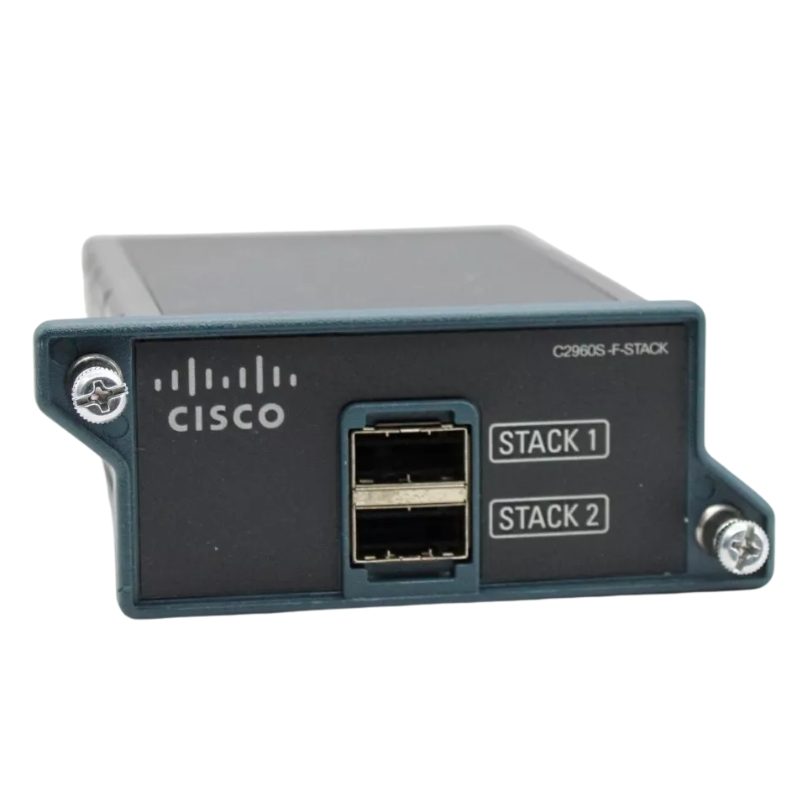


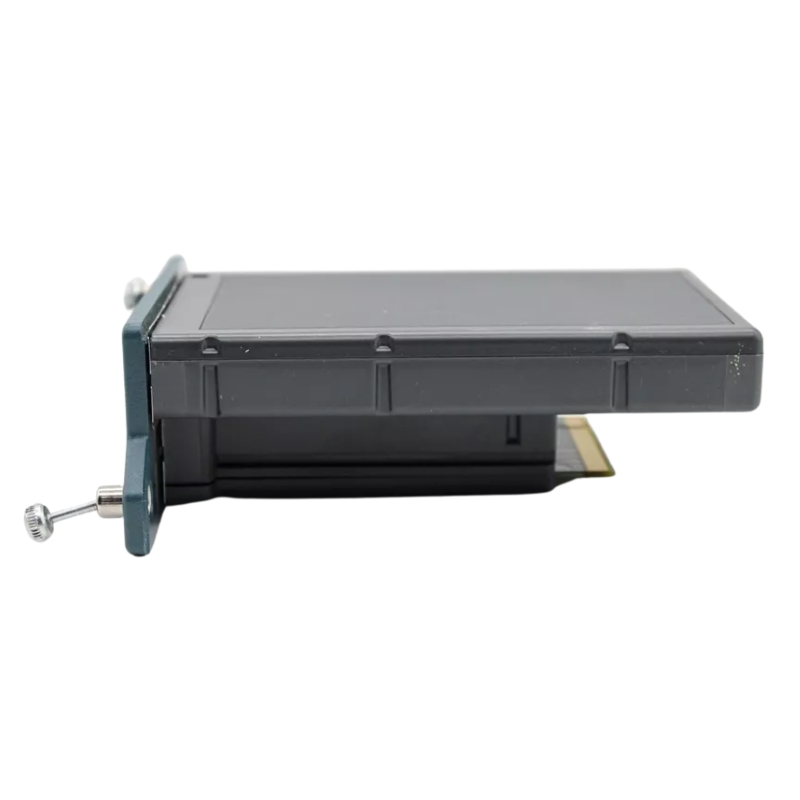
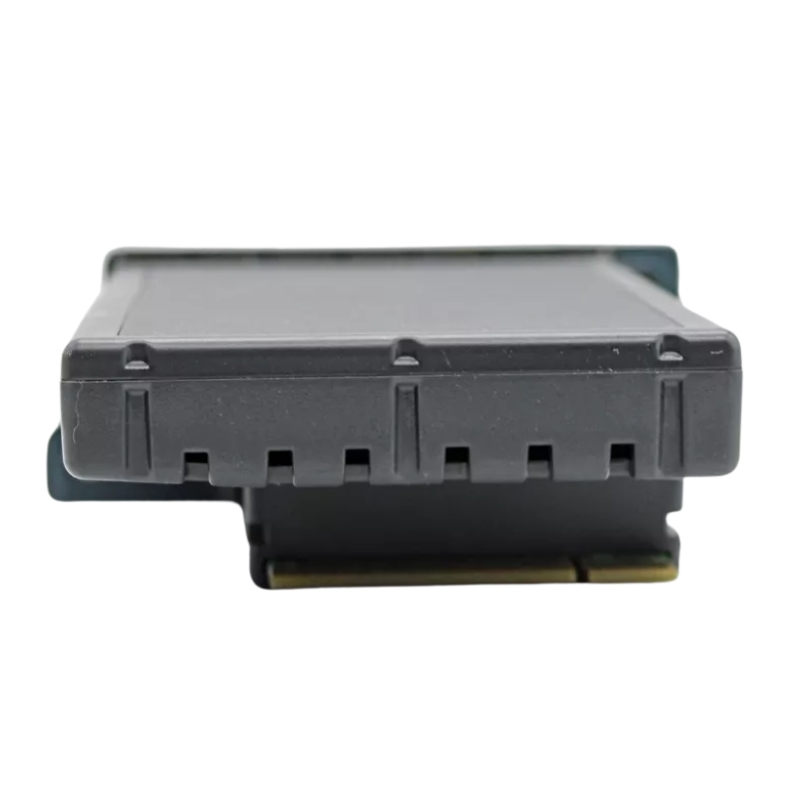
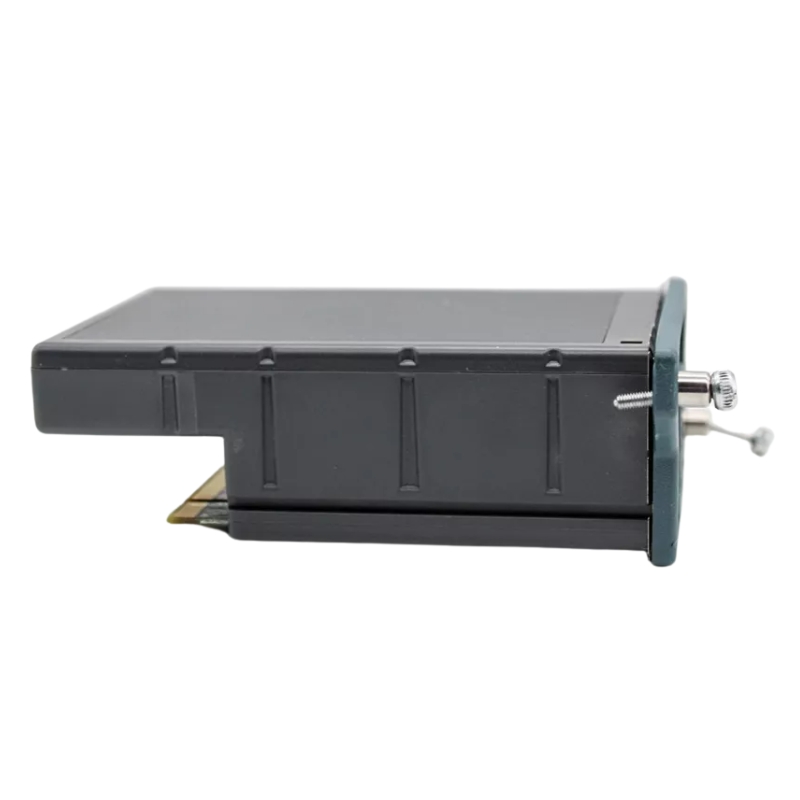
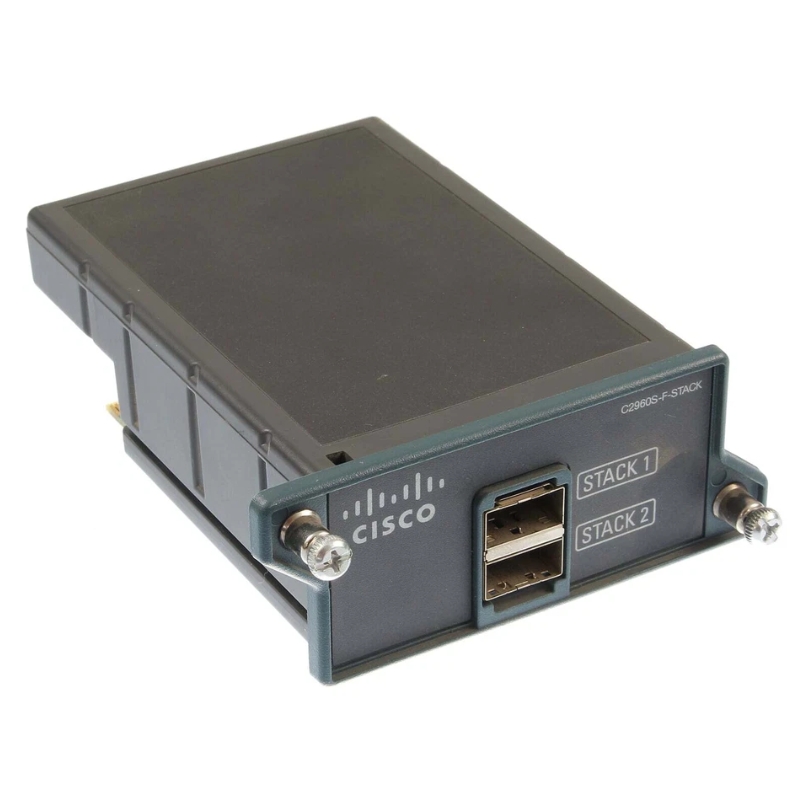
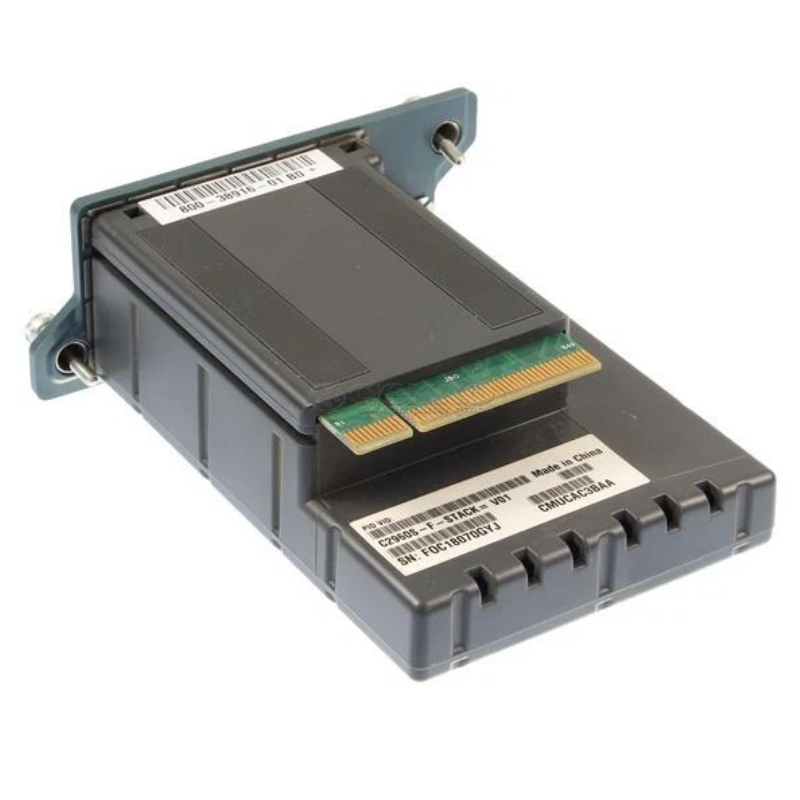
Cisco C2960S-F-STACK= FlexStack Stacking Module Hot-Swappable. Factory-Sealed New in Original Box (FSB) with 1 year replacement warranty
| SKU/MPN | Warranty | Price | Condition | You save |
|---|---|---|---|---|
| C2960S-F-STACK= | 1 Year Warranty | $60.00 | Excellent Refurbished | You save: $21.00 (26%) |
| C2960S-F-STACK= | 1 Year Warranty | $585.00 | Factory-Sealed New in Original Box (FSB) | You save: $204.75 (26%) |
The C2960S-F-STACK= Cisco FlexStack Module represents a critical networking component designed specifically for Cisco Catalyst 2960-S Series switches. It enables physical switches to be interconnected into a single logical switching system, improving scalability, manageability, and redundancy within enterprise-grade network infrastructures. As a hot-swappable stacking module, it allows network administrators to insert, remove, or replace the module without shutting down the switch, minimizing operational disruptions and maintaining business continuity in high-availability environments.
This category encompasses stacking modules that are engineered to enhance Layer 2 switching performance by enabling multiple switches to operate as a unified system. The Cisco FlexStack architecture is particularly valuable in campus networks, branch offices, and medium-scale enterprise deployments where expansion flexibility and simplified management are essential. The C2960S-F-STACK= module is widely recognized for its stability, low latency stacking communication, and ease of deployment in modular switching environments.
Cisco FlexStack is a proprietary stacking technology developed to interconnect compatible Cisco Catalyst switches into a single logical switch domain. By using dedicated stacking hardware modules such as the C2960S-F-STACK=, multiple physical switches can function as one virtual switch with a shared control plane and unified configuration.
FlexStack improves network efficiency by reducing administrative overhead and enabling centralized configuration. Instead of managing multiple independent switches, administrators can manage a stack as a single entity. This reduces complexity in VLAN configuration, Spanning Tree Protocol management, and firmware upgrades. The stacking bandwidth ensures rapid inter-switch communication, minimizing bottlenecks in data transfer across connected devices.
The FlexStack system uses a high-speed ring topology that ensures redundancy and load balancing across stack members. Each switch in the stack participates in forwarding decisions, while one switch acts as the stack master. The master switch maintains the configuration database and distributes updates across the stack members, ensuring synchronization and operational consistency.
One of the most significant features of the C2960S-F-STACK= module is its hot-swappable design. This allows network administrators to insert or remove the stacking module without powering down the switch. In enterprise environments where downtime can lead to financial loss or operational disruption, this feature ensures continuous service availability and maintenance flexibility.
The module supports high-speed stack interconnects that enable efficient data transfer between stacked switches. This ensures that traffic flows seamlessly across devices, maintaining low latency and high throughput even under heavy network loads. The interconnect architecture is optimized for predictable performance in enterprise LAN environments.
The stacking module allows multiple Cisco Catalyst 2960-S switches to be combined into a scalable network system. Organizations can expand their network infrastructure by simply adding additional switches to the stack, eliminating the need for complex reconfiguration or major hardware replacement.
With FlexStack technology, administrators can manage multiple switches through a single management interface. This unified approach simplifies tasks such as configuration changes, monitoring, firmware upgrades, and security policy enforcement across the entire stack.
Hot-swappability is particularly valuable in mission-critical environments where continuous uptime is required. The C2960S-F-STACK= module can be replaced without interrupting network services, reducing downtime risks during maintenance or hardware upgrades.
Network teams benefit from increased operational flexibility, as they can perform maintenance tasks during business hours without disrupting users. This feature is especially useful in environments such as hospitals, financial institutions, and educational campuses.
The ability to swap modules without powering down equipment simplifies maintenance procedures. Technicians can quickly replace faulty modules, ensuring faster recovery times and reduced service interruptions.
The C2960S-F-STACK= module is specifically designed for Cisco Catalyst 2960-S Series switches. It ensures full compatibility with models that support FlexStack functionality, allowing seamless integration into existing network infrastructures.
A typical FlexStack configuration supports a defined number of stack members, allowing organizations to scale their network while maintaining performance consistency. These limitations ensure optimal bandwidth distribution and system stability.
Proper installation requires compatible stacking ports and firmware versions on supported switches. Ensuring version alignment is critical to achieving full functionality and avoiding compatibility issues within the stack.
Within a FlexStack environment, one switch is automatically elected as the stack master. This election is based on predefined priority rules, including switch priority values and uptime. The master switch is responsible for managing configuration files and coordinating stack-wide operations.
Traffic within a FlexStack system is intelligently distributed across stack members. The architecture ensures that data packets are forwarded efficiently, minimizing congestion and optimizing bandwidth utilization between devices.
The control plane is synchronized across all stack members, ensuring that routing and switching decisions are consistent. This synchronization allows for seamless failover in the event that the master switch experiences failure.
The FlexStack system improves bandwidth utilization by distributing traffic loads across multiple switches. This reduces congestion and ensures more efficient data handling in enterprise environments.
Organizations can scale their network in a linear fashion by adding additional switches to the stack. This predictable scaling model simplifies capacity planning and infrastructure expansion.
Direct stack interconnects reduce the need for external uplinks between switches, minimizing latency and improving overall network responsiveness.
In the event of a stack master failure, another switch in the stack automatically assumes the master role. This failover mechanism ensures continuous network operation without manual intervention.
FlexStack provides redundant paths between switches, ensuring that a single point of failure does not disrupt network connectivity. This redundancy is essential for maintaining service continuity in enterprise environments.
All configuration data is synchronized across stack members, ensuring that backup copies are always available. This simplifies recovery procedures in the event of hardware failure.
The C2960S-F-STACK= module is widely used in campus environments where multiple access layer switches need to be managed efficiently. It enables centralized control across classrooms, offices, and administrative buildings.
In branch office environments, FlexStack simplifies network expansion and reduces the need for dedicated network engineering resources at remote locations.
Retail stores and hospitality environments benefit from stackable switching systems that allow easy expansion and consistent configuration across multiple service points.
Healthcare networks require high availability and minimal downtime. The hot-swappable and redundant nature of FlexStack ensures reliable connectivity for critical systems and patient care infrastructure.
Ensuring that all stack members run the same firmware version is essential for maintaining stability and preventing compatibility issues.
Using a ring topology is recommended to provide redundancy and ensure uninterrupted communication between stack members even if a single link fails.
Assigning appropriate switch priorities helps control master election behavior, ensuring that the most capable device assumes the primary role in the stack.
Compared to traditional stacking solutions, Cisco FlexStack provides greater flexibility, improved scalability, and simplified management. Traditional systems often require more complex configuration and lack hot-swapping capabilities.
FlexStack offers optimized bandwidth utilization and lower latency compared to older stacking technologies, making it more suitable for modern enterprise environments.
The unified management model of FlexStack reduces administrative overhead and improves operational efficiency across IT teams.
The C2960S-F-STACK= module is commonly available through enterprise networking distributors and authorized Cisco partners. Availability may vary depending on region and product lifecycle stage.
Organizations should consider Cisco’s product lifecycle policies when planning long-term deployments to ensure continued support and compatibility.


 Contact Us
 Information
 Catalog
 Solid State Drives (SSD)
 Network Switches
 Hard Disk Drives
 HBA & Controllers
 PC & Servers
 PC & Server Memory
 CPU & Processors
 Network Routers
 Power Supplies
 Tape Drives & Libraries
 Network Devices
 Computer & Network Cables