(7% discount is applied at checkout)
Cart is empty
Your go-to destination for cutting-edge server products
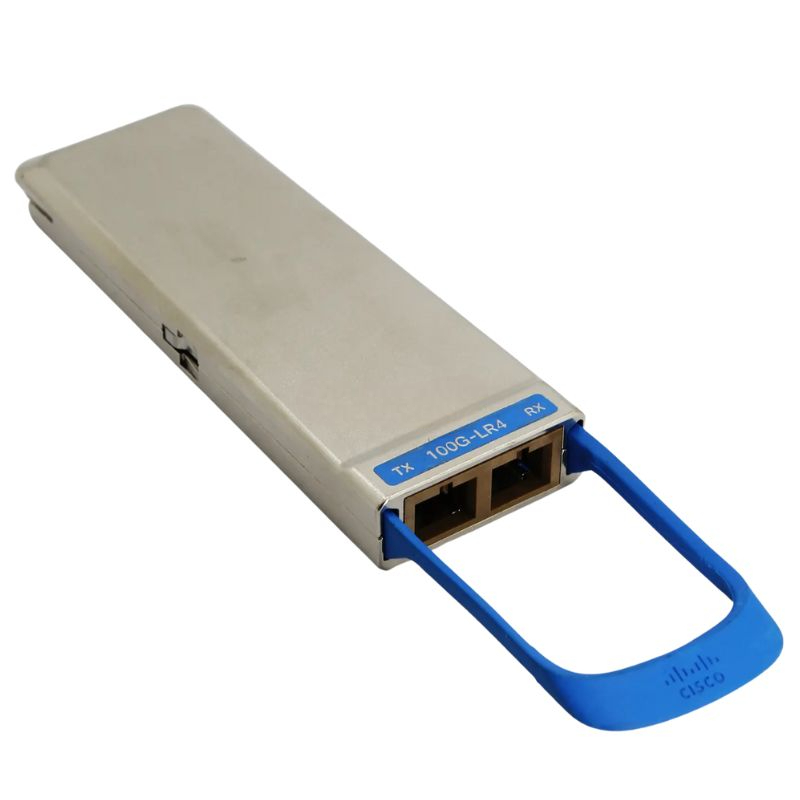


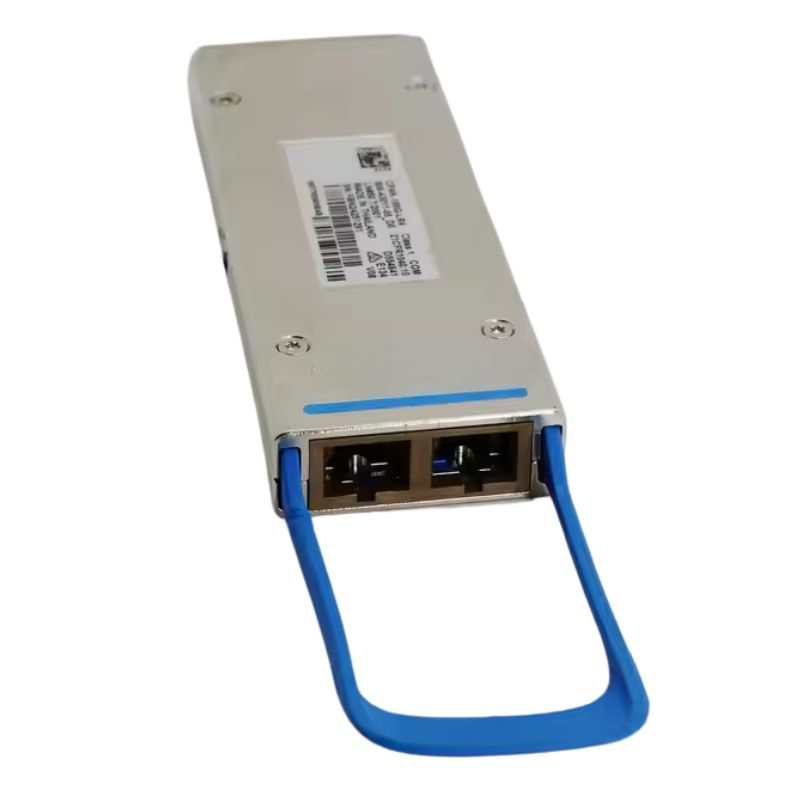
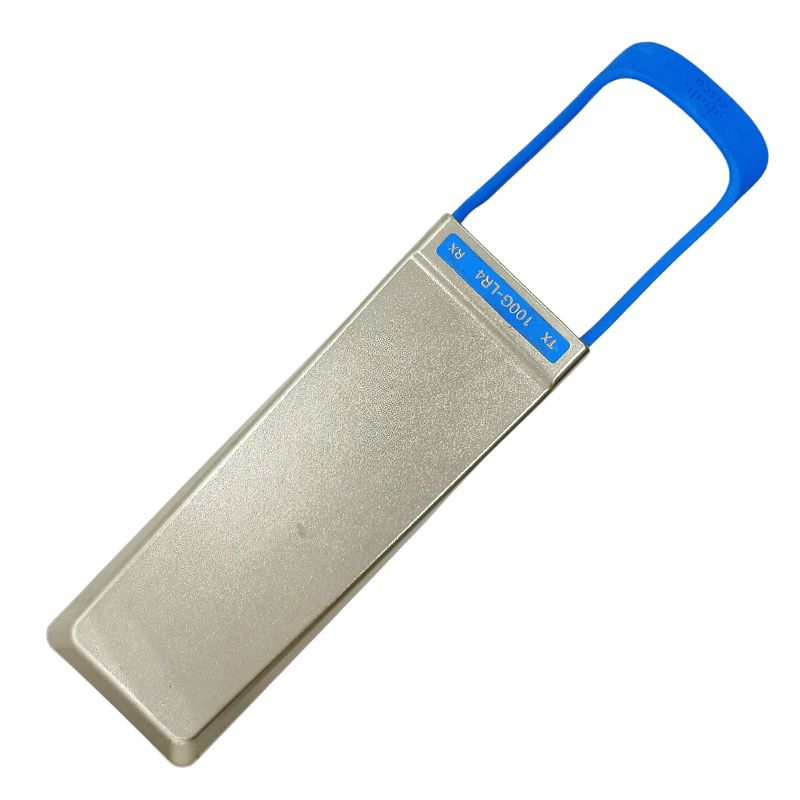
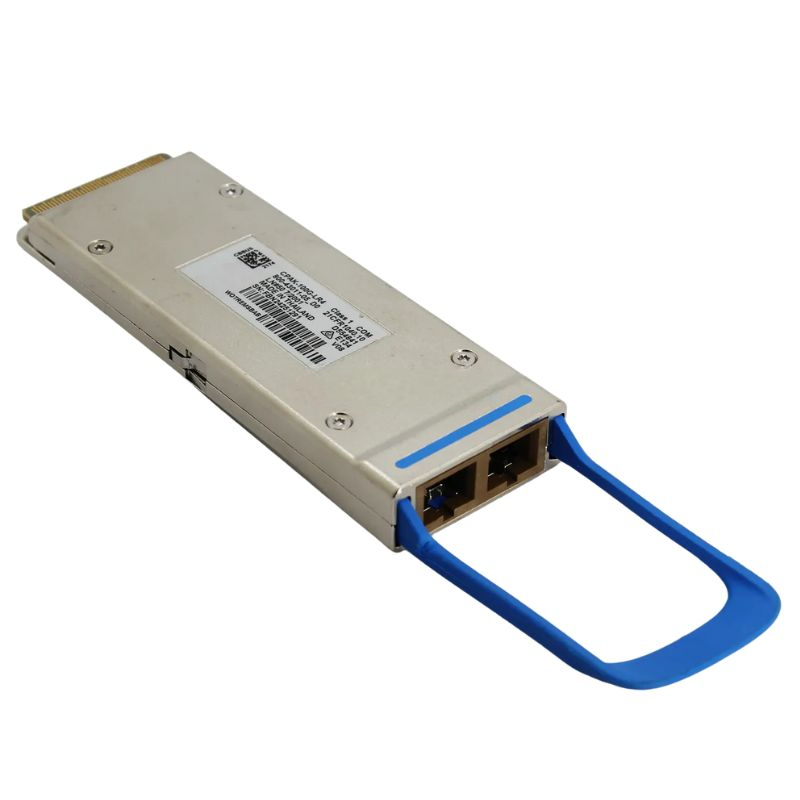
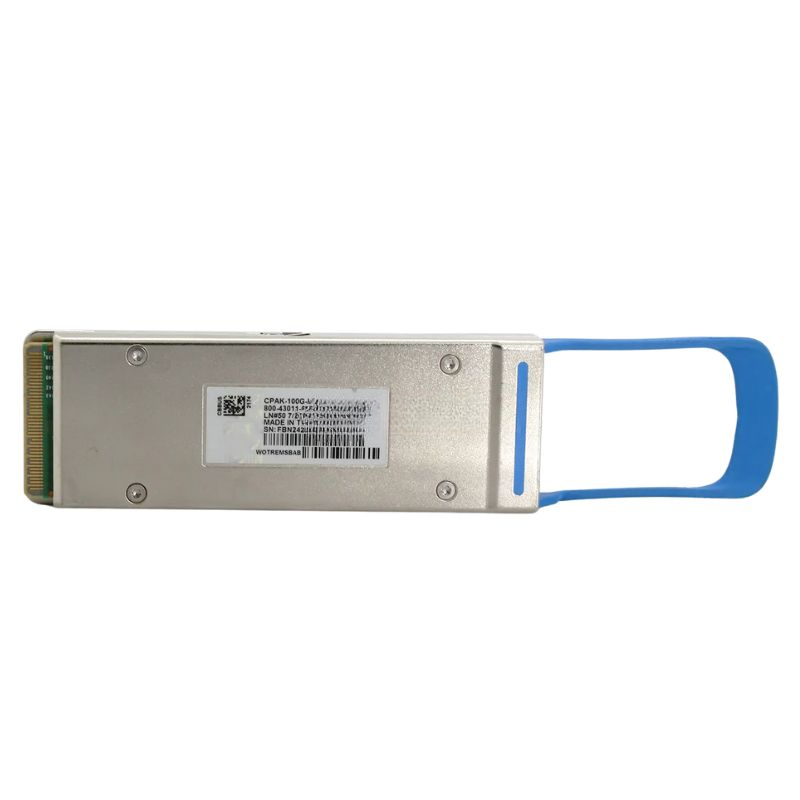
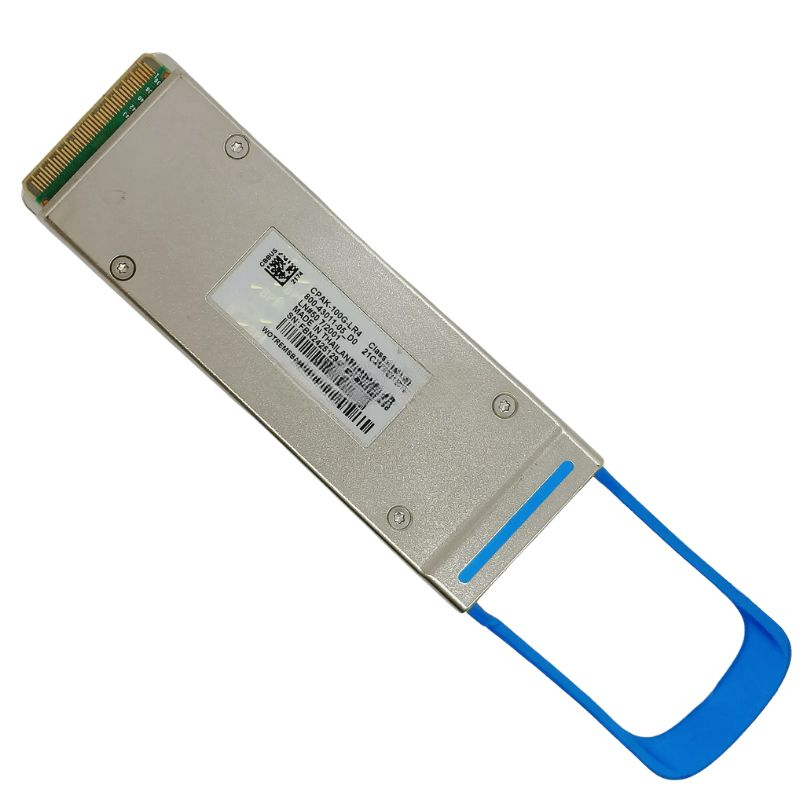
Cisco CPAK-100G-LR4 100GBPS Transceiver Module Single Mode Optical Fiber. New Sealed with 1 Year Replacement Warranty
| SKU/MPN | Warranty | Price | Condition | You save |
|---|---|---|---|---|
| CPAK-100G-LR4 | 1 Year Warranty | $175.00 | New Sealed in Box (NIB) | You save: $61.25 (26%) |
| CPAK-100G-LR4 | 1 Year Warranty | $66.00 | Excellent Refurbished | You save: $23.10 (26%) |
The Cisco CPAK-100G-LR4 is a high-performance 100 Gigabit Ethernet optical transceiver engineered for long-reach data transmission over single-mode fiber networks. Designed for modern high-density data centers and carrier-grade backbone infrastructures, this module delivers exceptional bandwidth scalability, reliability, and energy efficiency.
The Cisco CPAK-100G-LR4 100Gbps Transceiver Module Single Mode Optical Fiber category represents a high-performance class of optical networking components designed for ultra-fast data transmission across modern enterprise, telecom, and cloud-scale infrastructures. Manufactured by
The CPAK form factor is a Cisco-designed optical module architecture that balances compact size with high-speed data throughput capabilities. Unlike traditional larger transceiver formats, CPAK is engineered to provide optimized port density while maintaining robust thermal performance and signal integrity. This design enables network operators to deploy higher numbers of 100G links within constrained chassis environments, particularly in high-density data center switches and aggregation routers.
The 100Gbps throughput of the CPAK-100G-LR4 module enables it to handle extremely large volumes of data traffic with minimal latency. This makes it suitable for backbone networks, inter-data center connectivity, and large-scale cloud service providers. The module ensures stable and consistent transmission even under heavy traffic loads, supporting mission-critical applications that require uninterrupted bandwidth availability.
LR4 technology divides the 100Gbps signal into four separate wavelengths, each carrying 25Gbps of data. These wavelengths are transmitted simultaneously over single-mode fiber and then recombined at the receiving end. This method significantly enhances transmission efficiency and allows high-speed data movement across extended distances without degradation of performance.
Advanced error correction mechanisms and optical calibration technologies are integrated into the CPAK-100G-LR4 module. These features ensure that signal degradation is minimized and data integrity is preserved across long transmission paths. The module is optimized to reduce bit error rates, ensuring reliable communication for sensitive enterprise and cloud workloads.
Core routers benefit significantly from CPAK-100G-LR4 modules due to their ability to handle high-capacity traffic routing across geographically distributed networks. At the edge layer, these modules ensure fast uplink and downlink performance, supporting services such as CDN delivery, enterprise WAN connectivity, and high-frequency trading systems.
The module is optimized for seamless compatibility within Cisco networking ecosystems, ensuring efficient integration with supported switches and routers. This compatibility reduces configuration complexity and enhances system stability in large-scale deployments.
Advanced thermal management techniques are embedded into the module design to ensure stable operation even under continuous high-load conditions. Efficient heat dissipation helps maintain performance consistency and prolongs module lifespan, reducing maintenance frequency in enterprise environments.
Telecom operators utilize CPAK-100G-LR4 modules in backbone infrastructure to handle massive volumes of voice, video, and data traffic. The high bandwidth capacity ensures uninterrupted service delivery for millions of end users across metropolitan and long-distance networks.
The CPAK-100G-LR4 module is designed for high availability environments where network downtime is unacceptable. Its robust construction and advanced optical alignment ensure stable operation even under demanding workloads.
In critical network architectures, redundancy is essential. The module supports failover configurations that allow alternate paths to take over in the event of a link failure, ensuring continuous service availability and minimizing disruption.
Deployment requires attention to fiber quality, connector cleanliness, and environmental conditions. Maintaining proper installation practices ensures maximum module efficiency and long-term operational reliability.
Continuous monitoring of optical signal strength and transmission quality is essential for maintaining network health. The CPAK-100G-LR4 module supports diagnostic features that assist in proactive maintenance.
Designed for extended operational life, the module maintains consistent performance over time when used within recommended environmental and operational parameters. This durability reduces replacement costs and improves long-term infrastructure stability.
Although optical modules primarily focus on physical transmission, the CPAK-100G-LR4 plays a key role in supporting secure data channels by enabling high-speed encrypted traffic flow across network backbones.
Single-mode optical fiber transmission inherently reduces susceptibility to electromagnetic interference, ensuring cleaner and more secure data transmission compared to copper-based alternatives.
As data consumption continues to grow, CPAK-100G-LR4 modules allow organizations to scale network capacity without redesigning core infrastructure. This scalability is essential for cloud-native applications and big data analytics environments.
By minimizing signal conversion delays and optimizing optical pathways, the CPAK-100G-LR4 module contributes to reduced network latency, which is critical for time-sensitive applications.
Financial institutions rely on ultra-low latency communication enabled by 100G optical modules to execute high-frequency trading operations where milliseconds can impact profitability.
Research institutions use high-capacity optical networks to transfer large datasets between computing clusters, enabling advanced simulations and scientific modeling.
Proper rack design, airflow management, and fiber routing are essential to ensure optimal performance and prevent physical stress on optical connections.


 Contact Us
 Information
 Catalog
 Solid State Drives (SSD)
 Network Switches
 Hard Disk Drives
 HBA & Controllers
 PC & Servers
 PC & Server Memory
 CPU & Processors
 Network Routers
 Power Supplies
 Tape Drives & Libraries
 Network Devices
 Computer & Network Cables