(7% discount is applied at checkout)
Cart is empty
Your go-to destination for cutting-edge server products
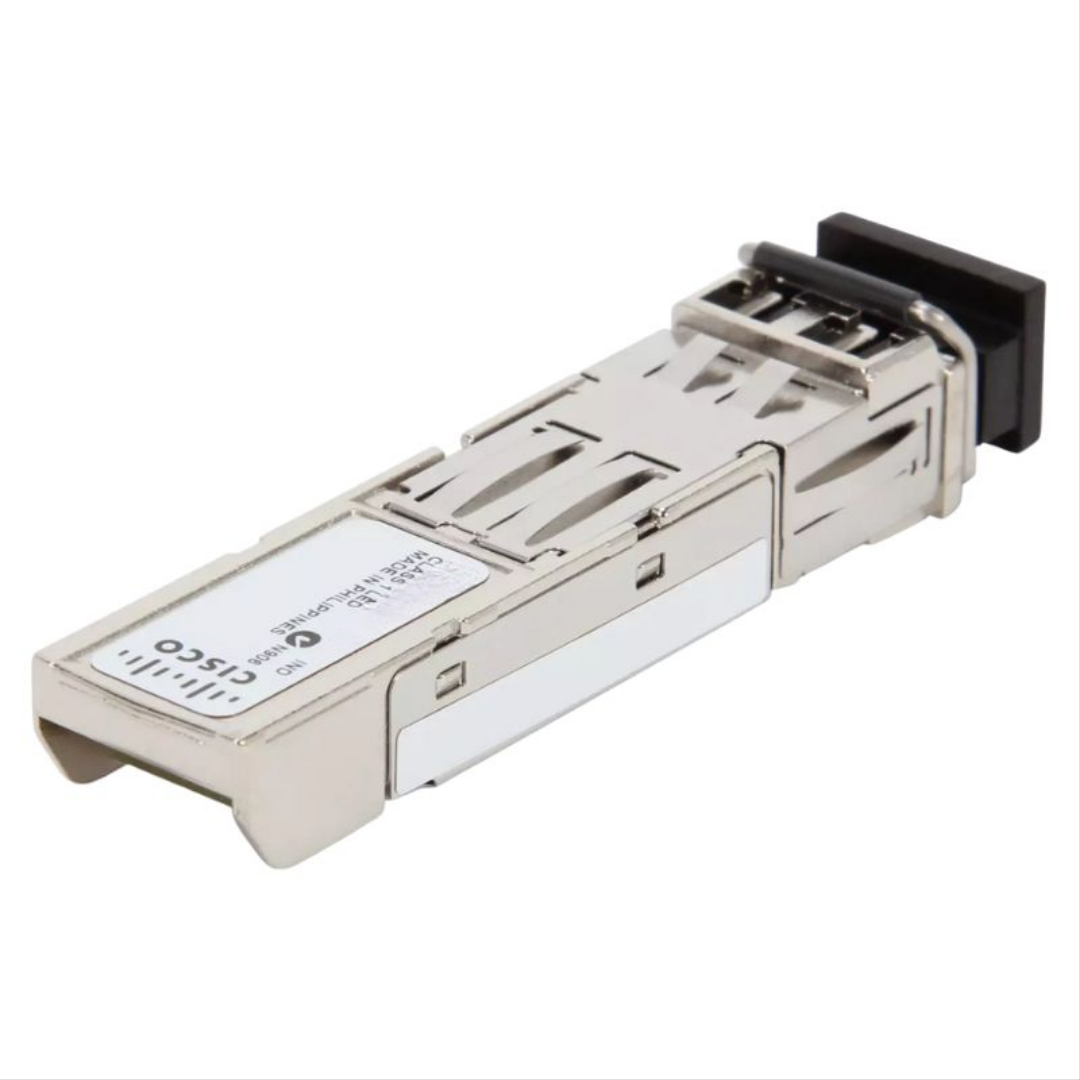


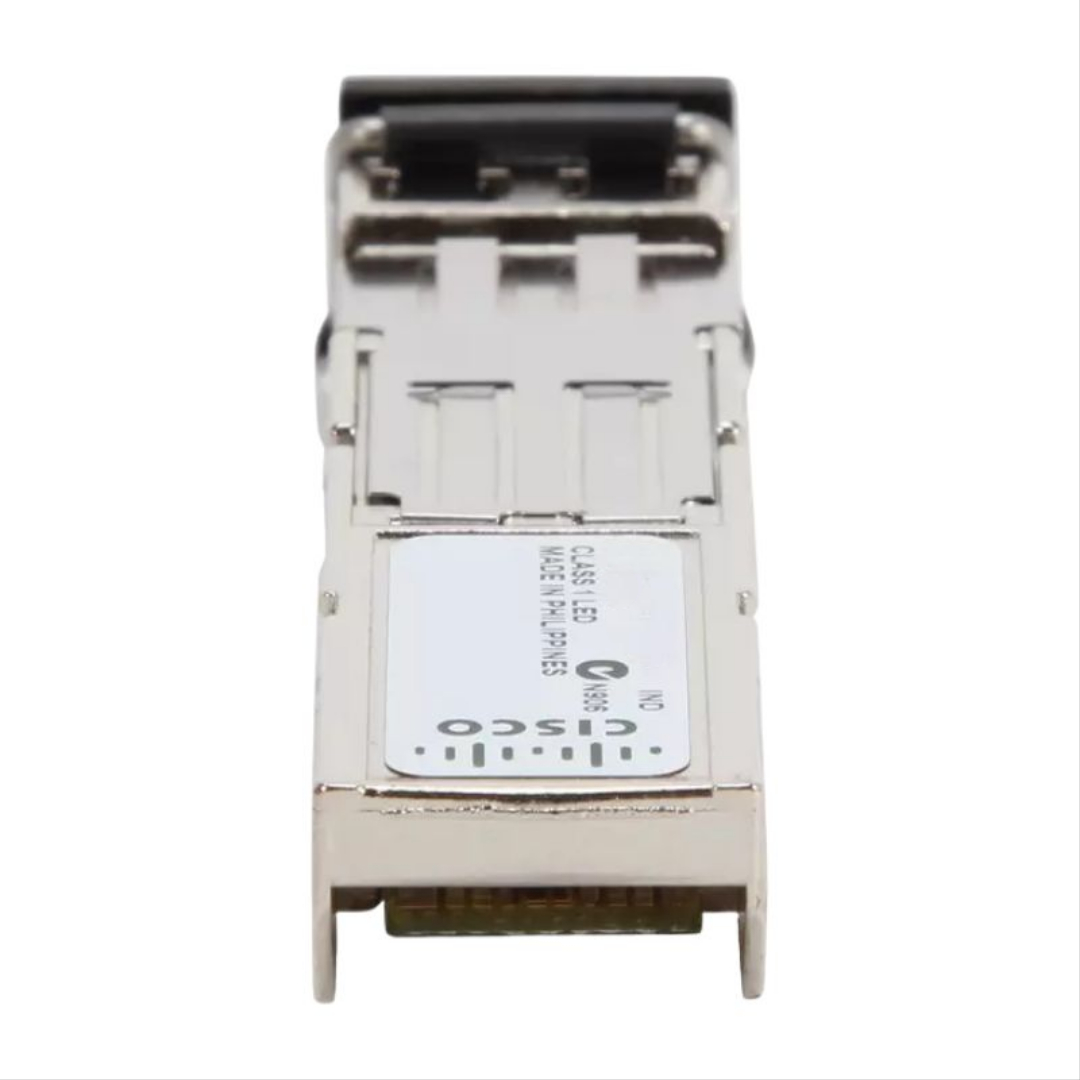
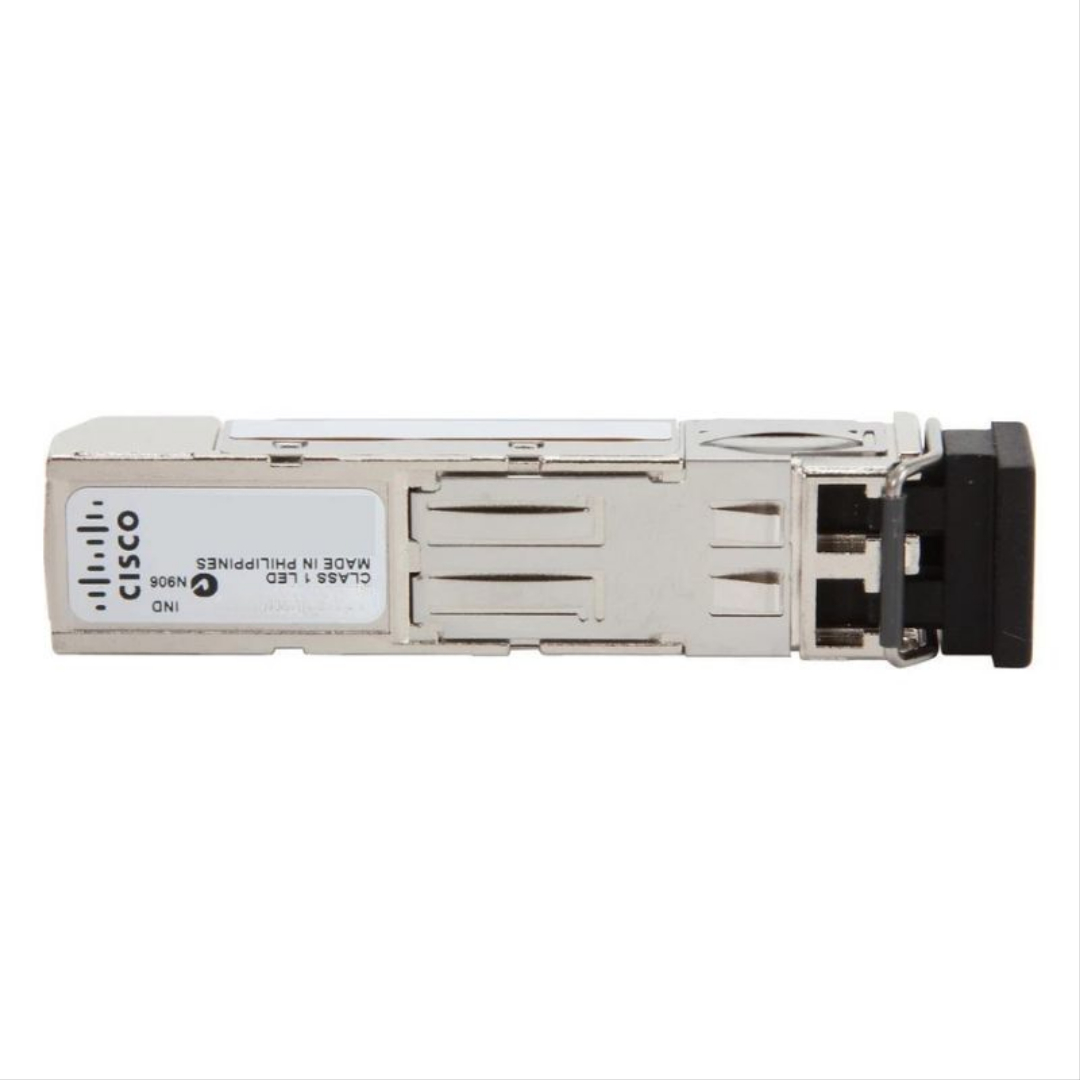
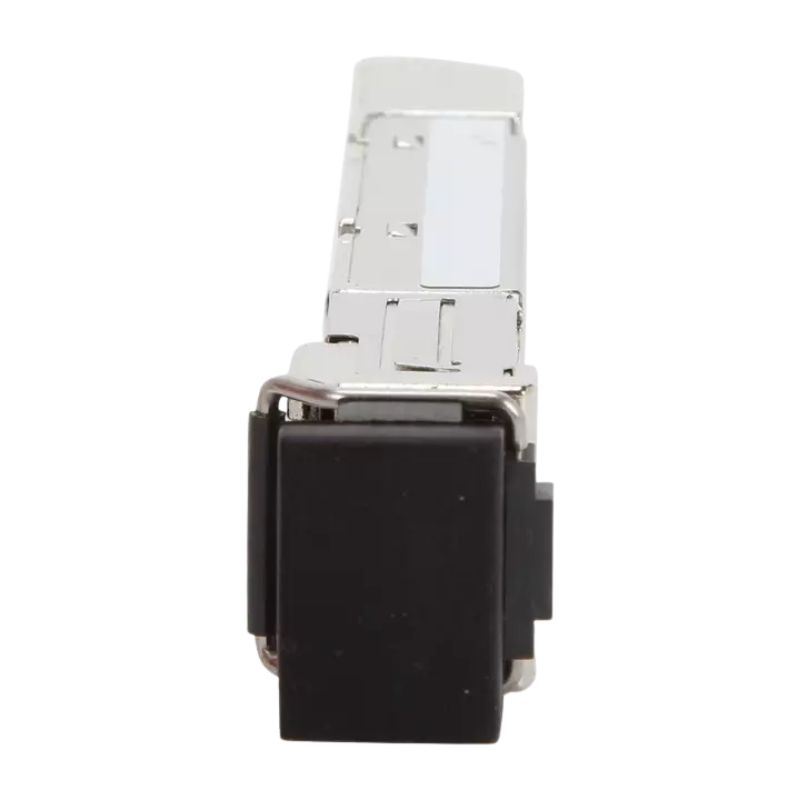
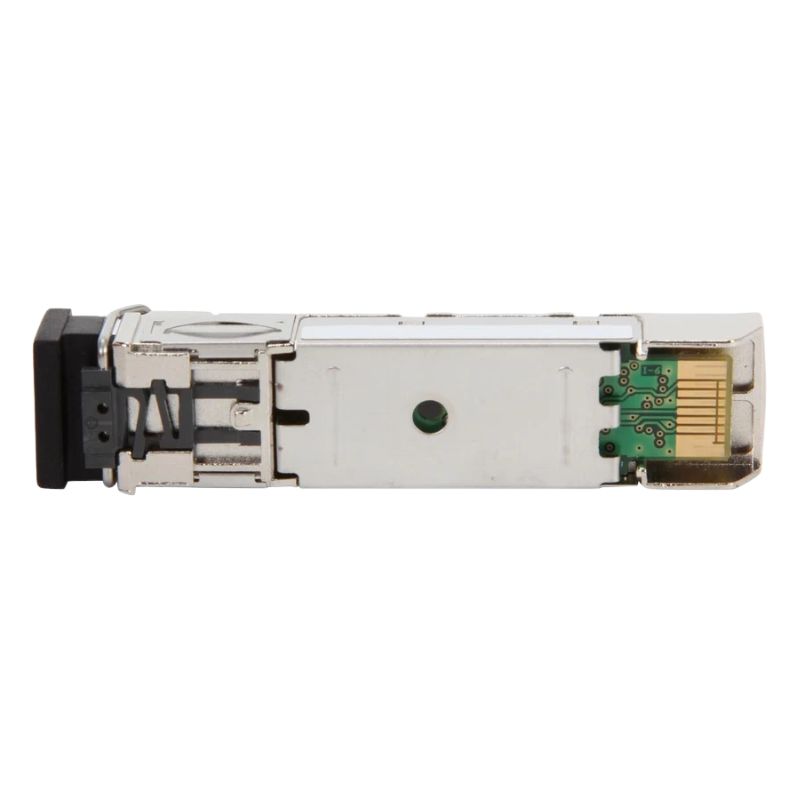
Cisco GLC-FE-100LX= GBIC-SFP Transceiver Module. Factory-Sealed New in Original Box (FSB) with 1 year replacement warranty
| SKU/MPN | Warranty | Price | Condition | You save |
|---|---|---|---|---|
| GLC-FE-100LX= | 1 Year Warranty | $229.00 | Factory-Sealed New Retail in Original Box (FSB) | You save: $80.15 (26%) |
| GLC-FE-100LX= | 1 Year Warranty | $142.00 | Excellent Refurbished | You save: $49.70 (26%) |
The Cisco GLC-FE-100LX= is a hot-swappable Fast Ethernet SFP transceiver designed for dependable 100Mbps fiber connectivity in business, enterprise, and industrial networking environments where stable long-distance communication is essential. Built for 100BASE-LX10 Fast Ethernet deployments, this compact optical module uses a 1310 nm wavelength and a duplex LC interface to deliver reliable data transmission across single-mode fiber links up to 10 km. It is a practical solution for extending network reach between switches, routers, aggregation points, and remote network segments while maintaining Cisco-grade interoperability, consistent signal integrity, and simple field replacement.
The Cisco GLC-FE-100LX= GBIC-SFP Transceiver Module belongs to the Cisco Fast Ethernet optical transceiver family built for dependable 100BASE-LX connectivity across single-mode fiber infrastructure. This module is widely used in enterprise networks, campus environments, branch deployments, industrial communication layouts, service provider edge links, and structured optical backbones where stable Fast Ethernet transmission remains essential for long-distance network communication. As an optical transceiver designed for Cisco switching and routing platforms with compatible SFP interfaces, the Cisco GLC-FE-100LX= module supports efficient data transmission over single-mode fiber with a nominal reach of up to 10 kilometers, making it highly relevant for organizations that require reliable connectivity between buildings, floors, remote offices, equipment rooms, aggregation cabinets, and network control points. Cisco documentation describes it as a 100BASE-LX10 SFP for Fast Ethernet SFP ports, operating over standard single-mode fiber with a 1310 nm wavelength and a maximum span of 10 km. It uses a dual LC optical connector interface and is designed as a hot-swappable module, allowing network teams to install or replace it without rebooting the host switch or router.
In modern networking, optical transceiver modules serve as the physical bridge between active network equipment and fiber cabling systems. The Cisco GLC-FE-100LX= module performs this role by converting electrical signals from a switch or router port into optical signals suitable for transmission across single-mode fiber, then converting incoming optical signals back into electrical form for the host device. This process is critical in environments where copper cabling is either distance-limited, vulnerable to electromagnetic interference, or impractical for inter-building and long-run network links. The Cisco GLC-FE-100LX= category therefore represents more than a simple accessory; it is a foundational connectivity component that supports the practical extension of Fast Ethernet services over optical infrastructure in real-world deployments.
Because many organizations still operate mixed-speed or transitional networks that include legacy industrial systems, surveillance networks, remote utility infrastructure, manufacturing control networks, and branch communication links, Fast Ethernet optics remain relevant in procurement cycles. The Cisco GLC-FE-100LX= transceiver fits into these environments where 100 Mbps fiber uplinks continue to provide the right balance of cost, stability, compatibility, and manageable throughput. In these settings, the value of the module lies not only in basic link establishment but also in maintaining interoperability across installed Cisco infrastructure, simplifying spares management, and supporting structured network design standards that rely on Cisco-qualified transceivers.
The Cisco GLC-FE-100LX= is built around the 100BASE-LX10 optical standard for Fast Ethernet applications. It uses single-mode fiber and a 1310 nm optical wavelength, which is commonly chosen for long-distance campus and metropolitan-style enterprise links due to its practical attenuation profile and broad compatibility with standard SMF infrastructure. Cisco documentation lists a cable distance of up to 10 km for this model and identifies it as a dual LC optical transceiver intended for Fast Ethernet SFP ports. These design choices make the module suitable for structured enterprise deployments that need compact, pluggable optical interfaces rather than fixed optical ports.
One of the most important design benefits of the Cisco GLC-FE-100LX= is its small form-factor pluggable construction. The SFP format allows a switch or router to support modular media flexibility, enabling the network administrator to choose fiber or copper connectivity based on deployment needs. Rather than being locked into a permanent port type, organizations can populate only the interfaces they need and select transceivers according to distance, fiber type, and operational environment. This modularity is particularly valuable in projects involving phased rollouts, mixed building types, evolving fiber pathways, or segmented network expansion across multiple facilities.
The module’s dual LC connector format aligns with standard fiber patching practices in enterprise and campus environments. LC connectors are widely used because they support compact high-density patching and are well suited for structured cabling racks, patch panels, wall enclosures, and distribution frames. For the Cisco GLC-FE-100LX= category, this means deployment is straightforward within existing fiber management systems where LC termination is already standard. Organizations that have invested in structured single-mode cabling can often integrate this transceiver without redesigning the physical fiber plant, which simplifies both upgrades and maintenance planning.
Campus networking is one of the clearest use cases for the Cisco GLC-FE-100LX= transceiver module. Many campus networks span multiple buildings, utility rooms, outdoor cabinets, and departmental facilities. Even when core services have moved to Gigabit or higher-speed architectures, numerous edge segments and secondary systems continue to operate effectively on Fast Ethernet. The Cisco GLC-FE-100LX= is well suited for connecting these remote or secondary segments over single-mode fiber where copper Ethernet cannot reach.
In a university environment, the module can support links between administrative offices, dormitory access switches, research outbuildings, security offices, and utility facilities. In a hospital campus, it can connect ancillary buildings, medical storage areas, parking systems, or remote registration spaces to a central communications room. In corporate office parks, it can provide Fast Ethernet optical links between security control rooms, warehouse annexes, training centers, and branch structures that are physically separated from the main network core.
The 10 km reach is particularly useful for enterprise campuses with large footprints. Instead of deploying short-distance multimode optics that require intermediate aggregation or media conversion, a single-mode 100BASE-LX10 transceiver can extend the link across a larger distance in one standards-based hop, provided the fiber path and host devices are suitable. This reduces design complexity and may help control infrastructure costs in environments where bandwidth requirements are moderate but reach requirements are substantial.
Although the specific Cisco GLC-FE-100LX= model is a commercial-temperature optic rather than the ruggedized RGD variant, it still occupies an important place in industrial-adjacent and operational technology networks where equipment rooms are climate-controlled and where long single-mode links are required. Industrial organizations often run a mix of automation systems, monitoring systems, security platforms, and facility control networks that do not always require Gigabit throughput. In these environments, a dependable Fast Ethernet optical module can be a practical and economical choice for connecting remote cabinets, control rooms, substations, pumping stations, utility buildings, and maintenance facilities.
Operational technology environments value determinism, long product life, compatibility with installed equipment, and ease of maintenance. The Cisco GLC-FE-100LX= fits this pattern in scenarios where Cisco switching infrastructure has already been deployed and where the optical path relies on single-mode fiber over several kilometers. It is especially relevant when the network is designed around dedicated traffic types such as telemetry, PLC communications, serial-over-IP gateways, remote HMI access, access control traffic, or segmented surveillance backhaul that do not demand high-bandwidth uplinks.
Another factor driving the use of modules like the Cisco GLC-FE-100LX= is the longevity of industrial infrastructure. Production environments, utility networks, and municipal systems frequently remain operational for many years, and technology refresh cycles are often slower than in conventional office IT. That means replacement optics, spare stock, and platform-compatible transceivers are critical to sustaining uptime. A category page focused on the Cisco GLC-FE-100LX= is therefore relevant to buyers who are not only building new links but also maintaining installed Cisco fiber connections in operational networks that cannot tolerate prolonged downtime.
The Cisco GLC-FE-100LX= is designed for single-mode fiber, and this choice delivers several deployment advantages compared with shorter-range multimode alternatives. Single-mode fiber is typically selected for longer link spans, improved future scalability, and more predictable long-distance optical performance. For organizations building or maintaining structured optical backbones, single-mode infrastructure often serves as the strategic medium because it can support multiple generations of network speed upgrades over time.
When paired with single-mode cabling, the Cisco GLC-FE-100LX= can support a stable Fast Ethernet link across distances up to 10 km, making it suitable for building interconnects, utility runs, remote office links, and protected distribution pathways. This is especially important in areas where copper cabling would exceed distance limits, where electromagnetic interference from machinery or power systems could disrupt copper transmission, or where outdoor and underground pathways favor fiber construction.
Single-mode fiber also supports cleaner segmentation between facilities. Rather than depending on electrical transport across long runs, organizations can create optical uplinks that isolate buildings while maintaining reliable network reach. In a campus security context, this could mean linking a remote gatehouse to a central control room. In a municipal environment, it might mean connecting a public works building to a central IT site. In an industrial facility, it may support communication between a process area and a management network room. The Cisco GLC-FE-100LX= category addresses these scenarios by offering a Cisco-qualified 100BASE-LX10 optical option that fits established Fast Ethernet architectures.
Structured fiber backbone design depends on selecting transceivers that align with cable type, termination standard, link distance, and device compatibility. The Cisco GLC-FE-100LX= is relevant to backbone planning because it occupies a clear position in the Cisco Fast Ethernet optical lineup: it is the single-mode 10 km option for environments requiring 100BASE-LX10 operation. This allows planners to distinguish it from shorter-range multimode options such as 100BASE-FX and from longer-distance single-mode variants such as 100BASE-EX or 100BASE-ZX.
When building a backbone strategy, organizations often classify fiber links by purpose. Some links are short intra-building uplinks, some are medium-distance campus interconnects, and others are long-haul connections to remote infrastructure. The Cisco GLC-FE-100LX= sits comfortably in the medium-distance category where 10 km reach is appropriate. It provides a balance between optical reach and practical deployment cost, making it attractive for campuses, branch estates, and enterprise compounds that need more than a short indoor link but do not require 40 km or 80 km optics.
Because the module uses LC connectivity and the SFP form factor, it also aligns with modern patching practices in racks and cabinets. High-density LC patch panels are common in structured cabling systems, and SFP-based ports are standard across a wide range of Cisco switches and routers. The result is a clean integration path for organizations extending a fiber backbone while maintaining modularity at the device layer.
Cisco identifies the 100BASE-X SFP family as hot-swappable, and this has direct operational benefits for organizations deploying the Cisco GLC-FE-100LX=. Hot-swappability means the module can be installed or replaced while the host switch or router remains powered on, avoiding a full system reboot. In live networks, that capability is significant because it shortens maintenance windows, reduces the blast radius of a simple optics replacement, and helps preserve service continuity during troubleshooting or expansion.
For example, if a branch fiber uplink fails due to a damaged transceiver, a technician can replace the Cisco GLC-FE-100LX= without taking the entire access switch offline. If a new building connection is being activated, the required transceiver can be inserted into the available SFP slot as part of the cutover process without a disruptive restart. In environments such as healthcare, retail, education, transportation, and light industrial operations, where network services support active business processes throughout the day, this maintenance flexibility improves both resilience and support efficiency.
Hot-swappable transceivers also contribute to better inventory utilization. Spare modules can be kept on hand and rapidly deployed where needed, whether for incident response, temporary testing, or incremental rollout. The Cisco GLC-FE-100LX= category is therefore relevant not only from a procurement standpoint but also from a support lifecycle perspective, because the module is part of an operational model built around modular replacement and fast recovery.
Branch networks often require stable and moderately sized uplinks rather than extremely high-speed optical transport. In such environments, the Cisco GLC-FE-100LX= is an effective option for extending Fast Ethernet services over single-mode fiber between a branch building and a local aggregation point, between office wings on a shared campus, or between a remote outbuilding and a central communications room. Its 10 km optical reach makes it especially useful for organizations with dispersed real estate, business parks, logistics compounds, education sites, or mixed office and warehouse properties.
Remote sites are another strong fit for this transceiver category. Municipal offices, utility stations, security outposts, service depots, and monitoring facilities often need reliable connectivity back to a central location, but the actual traffic profile may remain well within Fast Ethernet capacity. In these scenarios, the Cisco GLC-FE-100LX= offers a straightforward way to deliver optical transport over single-mode fiber using Cisco equipment that may already be in service.
Because many remote sites emphasize low-touch operation, a stable Cisco-qualified optic can reduce uncertainty during deployment. Installers know the expected connector type, fiber medium, and link budget class. Operations teams know which spare module to stock. Documentation teams can reference a consistent part number across diagrams and asset records. This standardization is one reason why specific transceiver categories remain valuable even when the underlying technology is mature.
Cisco’s 100BASE-X SFP documentation includes environmental and power information for the Fast Ethernet transceiver family, and the Cisco GLC-FE-100LX= falls within the commercial operating category rather than the industrial ruggedized segment. Cisco lists the commercial operating range for this model at 0 to 70 degrees Celsius, with storage ratings extending beyond normal room conditions. Power consumption for the related 100BASE-X family is low, making the module suitable for dense switch deployments where optical flexibility is required without major power overhead.
These environmental details are important for deployment planning. In a climate-controlled communications room, data closet, office MDF, IDF, or campus network cabinet with suitable thermal management, the Cisco GLC-FE-100LX= is an appropriate choice. In harsher outdoor or industrial conditions, buyers may instead evaluate ruggedized Cisco alternatives. For category page purposes, highlighting this distinction helps purchasers align the module with the correct physical environment and avoid specification mismatches.
Low power consumption and compact dimensions also support practical rack design. When many fiber uplinks are required in a distribution switch or access layer aggregation point, the SFP form factor allows multiple optical connections without consuming the space of larger legacy transceiver types. That density is especially useful in networks where several branch fibers, security links, or building interconnects terminate in one switch stack or routing node.
Fast Ethernet optics remain part of real operational networks, especially where stability, compatibility, and structured long-distance fiber transport are more important than headline throughput. The Cisco GLC-FE-100LX= offers long-term value because it supports a practical set of requirements that still exist across enterprise, education, healthcare, industrial support, transportation, public sector, and branch networking environments. These requirements include 10 km single-mode reach, LC-based fiber connectivity, Cisco platform compatibility, hot-swappable maintenance, and support for established Fast Ethernet architectures.
For network maintenance teams, the module provides a predictable replacement path when an installed optic fails or when a dormant fiber path needs to be reactivated. For project teams, it offers a standards-based option for extending a Cisco network across buildings or remote facilities using single-mode cabling. For procurement managers, it represents a clearly defined Cisco part number that aligns with asset records, approved vendor lists, and technical support expectations. For resellers and system integrators, it is a useful transceiver category because the need for exact optical compatibility often drives direct part-number searches and repeat orders.
A major reason organizations seek the Cisco GLC-FE-100LX= transceiver module is compatibility with Cisco infrastructure. In Cisco’s optical transceiver portfolio, the GLC-FE-100LX model is positioned for use in Fast Ethernet or dual-rate Fast/Gigabit Ethernet ports on supported Cisco switches and routers. Cisco also references this transceiver across multiple product families and support documents, reinforcing its role as a qualified optic for compatible Cisco platforms.
Compatibility matters at several levels. At the electrical and firmware level, the host device must recognize the transceiver, power it appropriately, and support the media type in the associated port configuration. At the operational level, the network administrator must be able to rely on stable link negotiation behavior, proper alarm and status reporting, and predictable performance across software releases. Cisco-qualified transceivers are designed to fit within this operational framework, which is why buyers managing Cisco switching and routing estates often prioritize original Cisco optics rather than unverified alternatives.
In many network environments, optical modules are treated as standardized lifecycle components. Spare inventory, maintenance procedures, and procurement rules are often built around approved Cisco part numbers. The Cisco GLC-FE-100LX= category therefore appeals not only to engineers designing new links but also to operations teams that need exact-match replacement optics for installed Cisco equipment. Whether the task involves restoring a failed fiber uplink, expanding a branch switch stack, or adding a new distribution link, a known Cisco module simplifies support alignment and change control.


 Contact Us
 Information
 Catalog
 Solid State Drives (SSD)
 Network Switches
 Hard Disk Drives
 HBA & Controllers
 PC & Servers
 PC & Server Memory
 CPU & Processors
 Network Routers
 Power Supplies
 Tape Drives & Libraries
 Network Devices
 Computer & Network Cables