(7% discount is applied at checkout)
Cart is empty
Your go-to destination for cutting-edge server products
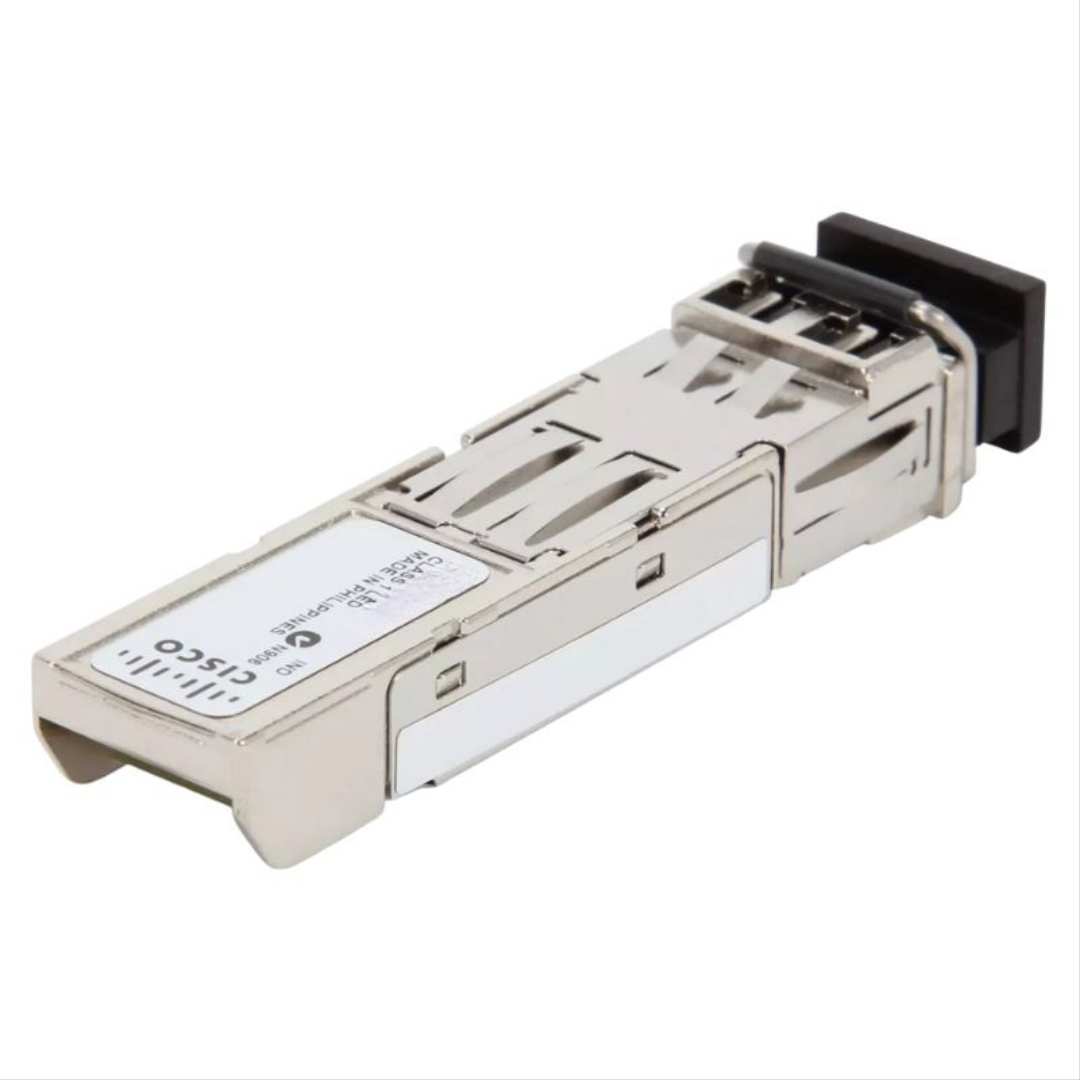


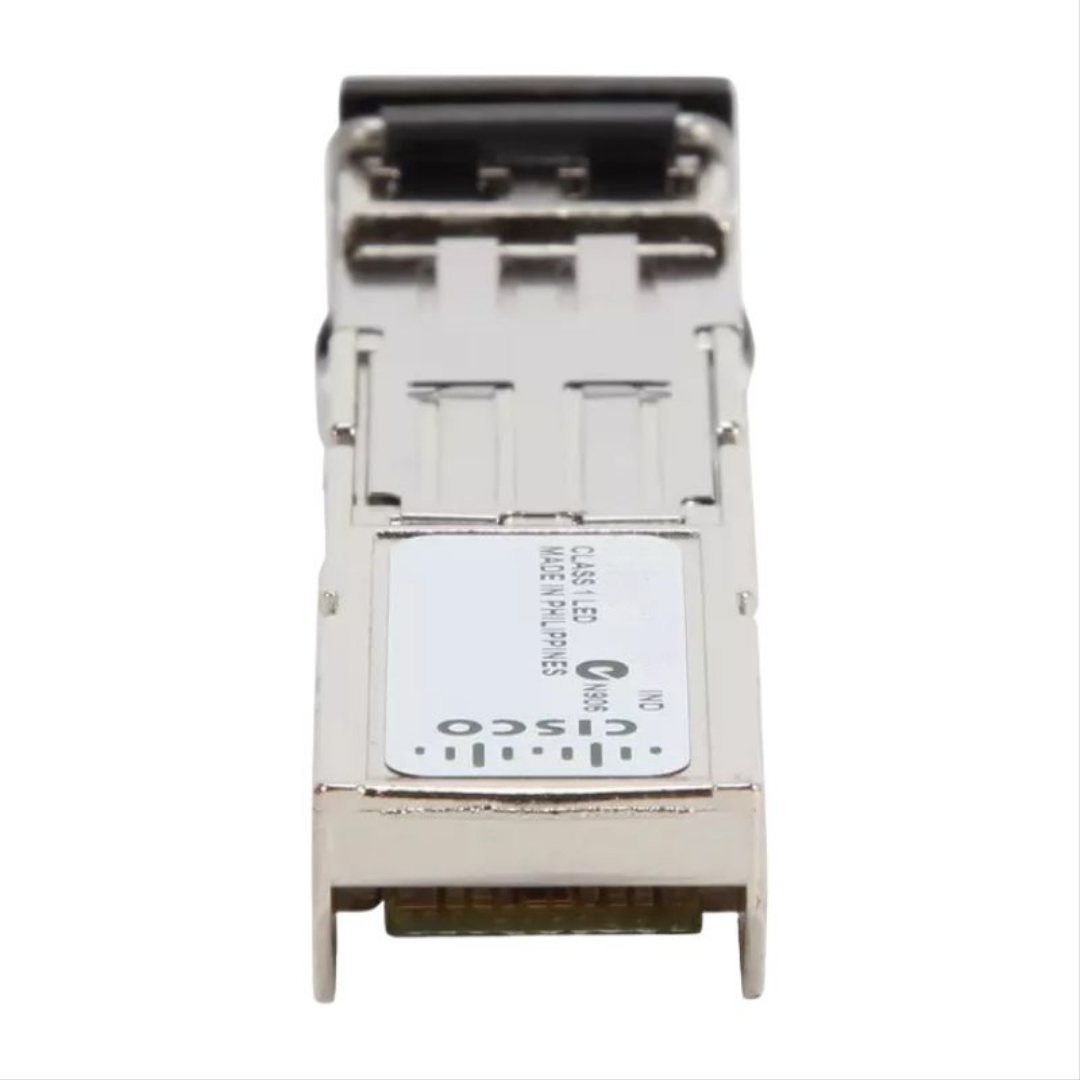
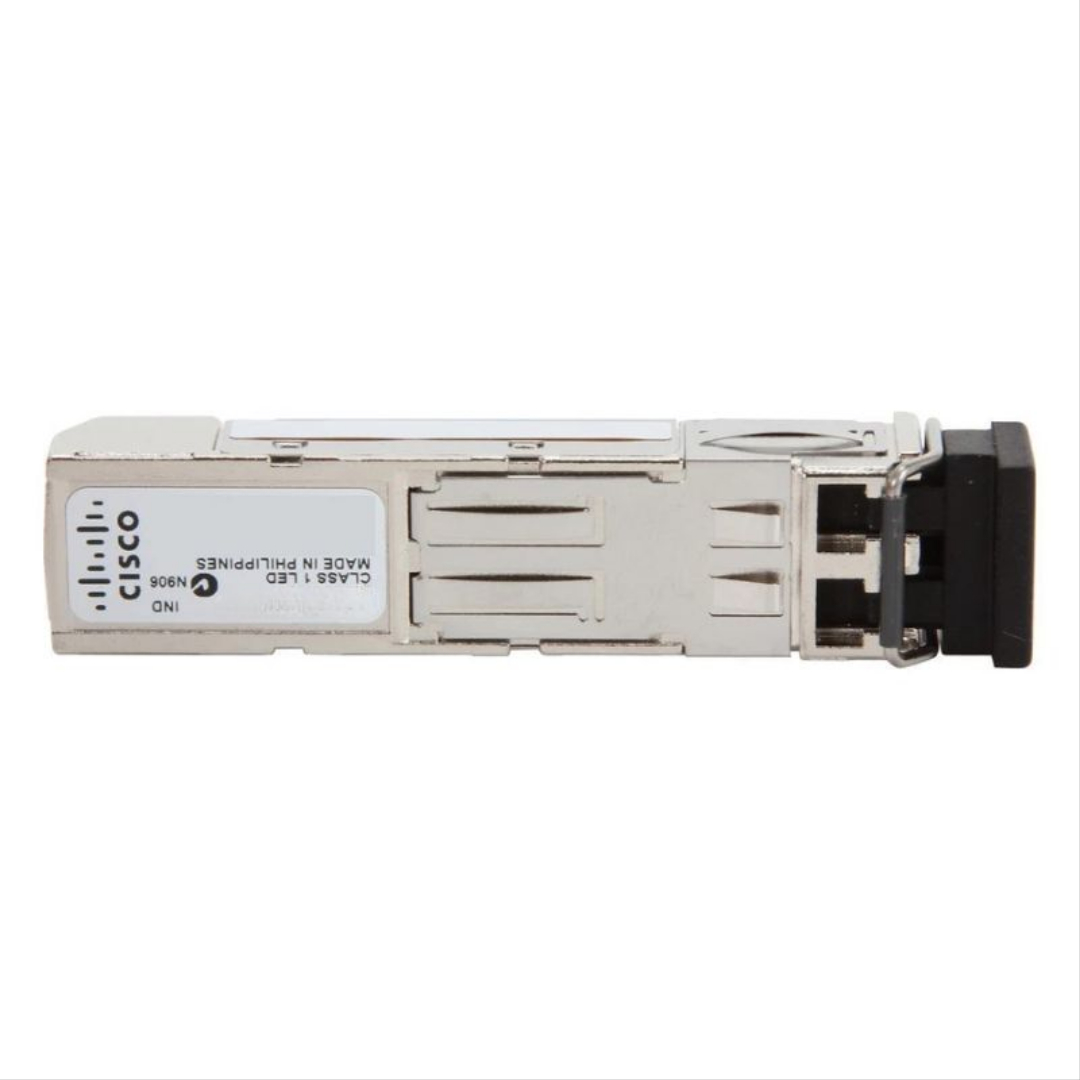
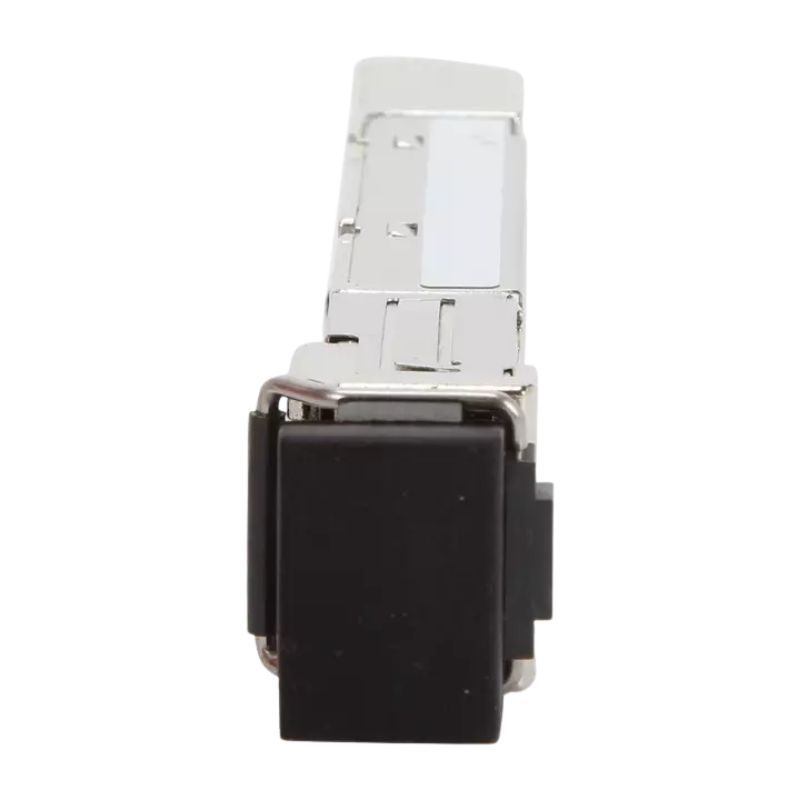
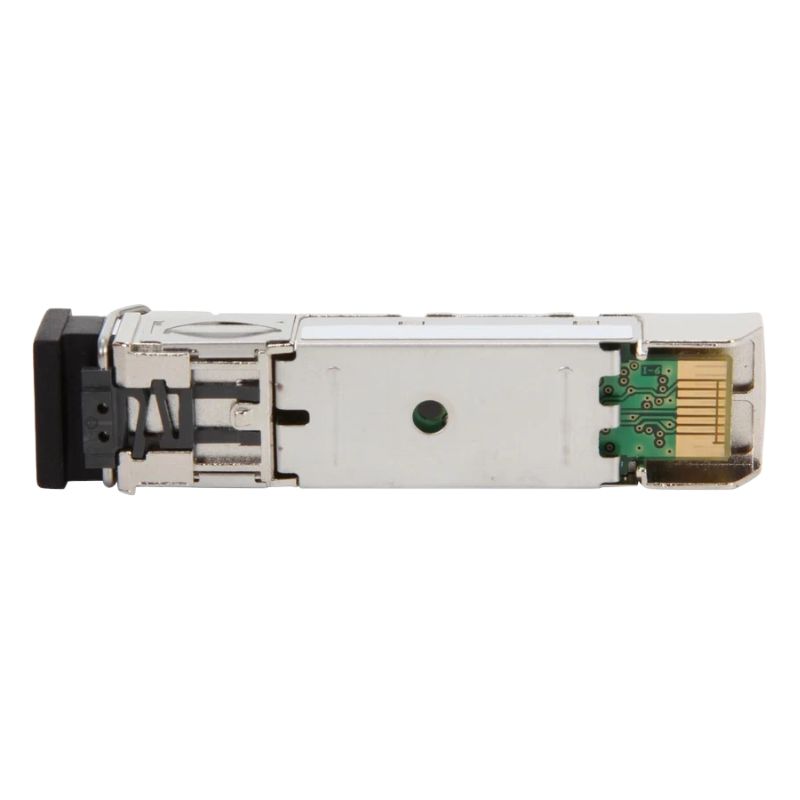
Cisco GLC-FE-100LX= 100MBPS Transceiver Module. Excellent Refurbished with 1 year replacement warranty
| SKU/MPN | Warranty | Price | Condition | You save |
|---|---|---|---|---|
| GLC-FE-100LX= | 1 Year Warranty | $229.00 | Factory-Sealed New Retail in Original Box (FSB) | You save: $80.15 (26%) |
| GLC-FE-100LX= | 1 Year Warranty | $142.00 | Excellent Refurbished | You save: $49.70 (26%) |
The Cisco GLC-FE-100LX= is a hot-swappable 100Mbps Fast Ethernet transceiver engineered for dependable fiber connectivity in enterprise and industrial networking environments. Designed as a 100BASE-LX10 Small Form-Factor Pluggable module, it provides a practical way to extend Fast Ethernet links over single-mode optical fiber while maintaining stable signal integrity across long-distance connections. With a 1310 nm optical wavelength, LC duplex interface, and support for transmission distances of up to 10 kilometers, this Cisco SFP module is an excellent fit for organizations that need reliable uplinks between switches, routers, distribution closets, branch locations, and campus network segments.
The Cisco GLC-FE-100LX= 100MBPS Transceiver Module belongs to Cisco’s Fast Ethernet optical transceiver family and is designed for network environments that still depend on reliable 100Mbps fiber connectivity across enterprise, industrial, campus, branch, and legacy infrastructure deployments. This model is a 100BASE-LX small form-factor pluggable transceiver engineered for use with compatible Cisco switches and routers that support Fast Ethernet SFP interfaces or dual-rate Fast Ethernet and Gigabit Ethernet capable ports. It uses a compact hot-swappable SFP format, allowing network administrators to install, replace, or upgrade connectivity modules without redesigning the surrounding switching or routing platform.
Within the broader transceiver category, the Cisco GLC-FE-100LX= module serves a very specific role. It provides 100Mbps optical connectivity over single-mode fiber using an LC connector interface and a nominal 1310 nm wavelength. It is commonly selected when network links must extend farther than typical copper Ethernet runs, when electromagnetic interference makes fiber a better fit than twisted-pair cabling, or when an organization needs to connect buildings, wiring closets, industrial control spaces, utility cabinets, or remote rooms over a secure and stable fiber path. Because it is a 100BASE-LX Fast Ethernet transceiver rather than a Gigabit optic, it fits environments where bandwidth needs remain modest but link reliability, distance support, and compatibility with installed infrastructure remain critical.
Many enterprise networks contain a mix of modern and legacy equipment. In these environments, a 100Mbps transceiver module such as the Cisco GLC-FE-100LX= can be especially valuable. Rather than forcing a complete migration to higher-speed optics in every segment of the network, organizations can continue operating Fast Ethernet access, control, monitoring, or edge devices while maintaining the quality and consistency of Cisco optical networking components. This makes the module relevant in manufacturing floors, transportation systems, utility monitoring, campus edge cabinets, older enterprise buildings, and specialized applications where deterministic connectivity matters more than maximum throughput.
Cisco Fast Ethernet SFP modules are designed to provide modular optical connectivity for network devices that support pluggable optics. The GLC-FE-100LX= is one of the single-mode fiber members of this family. It is positioned alongside other Fast Ethernet Cisco SFP variants such as short-range multimode options and bidirectional single-strand models, but the GLC-FE-100LX= is tailored for conventional single-mode fiber deployments over longer distances. This makes it an important choice when the cabling plant is based on standard single-mode fiber and the network design calls for stable Fast Ethernet transport over several kilometers.
The module is frequently used in scenarios where fiber uplinks connect wiring closets to a central distribution layer, where industrial field switches link back to control rooms, or where branch offices need a dependable optical handoff to a larger Cisco switching platform. Because the module fits the widely adopted SFP form factor, it supports operational flexibility. A network team can populate only the ports they need, keep spare optics on hand for quick replacement, and adapt port media types according to the cabling available in each installation site.
The “equals” sign in the Cisco part number traditionally indicates a spare or orderable replacement format within Cisco’s catalog. For buyers and infrastructure teams, this matters because the category is not only about a single optical component but also about lifecycle planning, replacement inventory, maintenance readiness, and compatibility assurance. Organizations that standardize on Cisco optics often do so to simplify support, maintain consistent performance expectations, and reduce the risk of unsupported third-party transceiver behavior.
The Cisco GLC-FE-100LX= module is based on 100BASE-LX Fast Ethernet optical networking principles. In practical deployment terms, this means it provides 100Mbps network communication over single-mode fiber and is intended for longer-reach Fast Ethernet links than typical multimode Fast Ethernet optics. The module uses dual LC optical connectors and operates at a 1310 nm wavelength, a common wavelength for single-mode optical communication in enterprise and campus networking environments.
Single-mode fiber is chosen when network designers need extended distance, lower attenuation over long runs, and more stable optical transmission characteristics across building-to-building or site-to-site pathways. In the case of the GLC-FE-100LX=, the module is associated with Fast Ethernet over standard single-mode fiber spans up to approximately 10 kilometers in supported Cisco documentation and platform guidance. That reach makes it suitable for inter-building links on campuses, remote office aggregation points, utility substations, transportation hubs, educational institutions, warehouse facilities, and perimeter infrastructure where copper cannot deliver the necessary range.
The 1310 nm optical wavelength used by the Cisco GLC-FE-100LX= is well established in single-mode networking environments. For long-distance Fast Ethernet optical communication, this wavelength offers an effective balance between reach, signal quality, and compatibility with common single-mode cabling practices. In a category page context, this technical characteristic is important because buyers comparing transceiver modules need to understand that wavelength, fiber type, and connector type are not minor details. They directly affect interoperability, installation planning, patch panel design, and the distance a network can reliably support.
Optical modules operating at 1310 nm are often chosen for structured fiber installations where predictable performance is required across campus backbones or facility-to-facility links. For the Cisco GLC-FE-100LX=, this wavelength works together with the module’s Fast Ethernet signaling characteristics to support stable 100Mbps connectivity across single-mode infrastructure. In environments where uptime matters more than peak speed, this stability is often the key reason to keep a Fast Ethernet optical architecture in place.
Single-mode fiber remains a preferred medium for long-distance structured network links because it is designed to carry light in a way that minimizes modal dispersion. In practical networking terms, that means the signal can travel farther with better integrity than on multimode fiber for many long-run applications. The Cisco GLC-FE-100LX= benefits from this property by enabling Fast Ethernet links that can extend far beyond standard copper limitations. Copper Ethernet is typically constrained to short horizontal runs, whereas a single-mode optic such as this one can bridge buildings, industrial zones, and distributed campus structures.
Another advantage of single-mode fiber in the GLC-FE-100LX= category is immunity to electromagnetic interference. In factories, utility sites, transit facilities, and power environments, copper cabling can be exposed to electrical noise, grounding issues, or harsh electromagnetic conditions. Fiber avoids many of these challenges and helps preserve link quality in places where stable communication is essential for monitoring systems, automation equipment, security devices, or access control networks.
One of the most important category-level advantages of the Cisco GLC-FE-100LX= 100MBPS Transceiver Module is its SFP form factor. The small form-factor pluggable design gives network operators flexibility when building or maintaining Cisco-based infrastructure. Rather than ordering a switch with permanently fixed media types on every port, organizations can use compatible Cisco hardware with modular SFP slots and populate those slots with the exact optic needed for each connection. This simplifies network design, supports mixed media environments, and makes field replacement much easier.
The hot-swappable nature of the module is equally significant. In supported hardware, an administrator can replace or insert the module without shutting down the entire device, which reduces operational disruption and accelerates maintenance workflows. In a branch office, campus wiring closet, or industrial cabinet, that can translate into less downtime and faster restoration if a module needs replacement. Hot-swappable optics also improve sparing strategy. An IT department can stock the GLC-FE-100LX= as a replacement optic and deploy it quickly when a Fast Ethernet fiber port needs restoration.
The compact design of the GLC-FE-100LX= supports efficient use of space in network hardware. Dense switch deployments, aggregation devices, and modular routing platforms often need to maximize port count without consuming excessive rack space. The SFP form factor enables high port density while preserving the flexibility of optical uplinks. For customers maintaining large numbers of Fast Ethernet ports in a distribution environment, that compact format can be a practical advantage in both new installations and long-running legacy deployments.
Because the SFP category has become a familiar standard for network technicians and data center personnel, handling and replacement procedures are straightforward. This contributes to faster operational workflows, fewer installation errors, and easier inventory standardization across multiple sites. In organizations with many field technicians or managed service teams, using a known Cisco SFP format can simplify training and maintenance documentation.
The Cisco GLC-FE-100LX= uses an LC optical connector interface, which aligns well with modern structured fiber environments. LC connectors are compact, widely deployed, and easy to integrate into patch panels, distribution frames, and network cabinets. In the context of category page content, the LC connector detail matters because it affects how the optic will connect to existing cabling and whether additional adapters or patching changes will be required.
Many enterprise and campus fiber infrastructures are already built around LC patching. As a result, the GLC-FE-100LX= can often be introduced into an existing optical environment without major cabling changes. This helps preserve infrastructure investment and reduces deployment friction when replacing failed modules or extending a Fast Ethernet optical segment. For organizations that continue to run specialized 100Mbps devices over fiber, the use of LC connectors keeps the module practical and easy to integrate.
One of the defining characteristics of the Cisco GLC-FE-100LX= is its support for longer-distance Fast Ethernet links over single-mode fiber. Cisco documentation for the Fast Ethernet SFP family places the 100BASE-LX model in the category of modules designed for ordinary single-mode fiber spans up to 10 kilometers. This reach is a major differentiator compared with copper Ethernet and short-range multimode optics. It makes the module relevant in a wide variety of campus and distributed facility topologies where equipment must communicate across significant physical distance.
In practical terms, a 10-kilometer-class Fast Ethernet optic can serve as a building interconnect module, a remote cabinet uplink, a utility site aggregation optic, or a secure optical extension to a branch location inside a private campus environment. While many organizations now prefer Gigabit or multi-gigabit speeds for backbone connectivity, there remain many scenarios where the bandwidth requirement is low but the need for distance, durability of design, and compatibility with existing Fast Ethernet hardware remains high.
Large educational campuses, hospitals, government complexes, industrial parks, and corporate campuses often include multiple buildings separated by roads, parking areas, outdoor conduits, or utility easements. In these environments, copper Ethernet is impractical for inter-building runs because of its distance limitations and susceptibility to electrical issues. The Cisco GLC-FE-100LX= enables a Fast Ethernet optical link over single-mode fiber, making it suitable for connecting satellite buildings, security stations, warehouse offices, training centers, and remote administration facilities.
For example, a university might maintain legacy access switches in older dormitory or maintenance buildings that only need modest throughput for administrative systems, printers, voice endpoints, and security devices. Rather than replacing all those edge switches immediately, the institution can use single-mode fiber uplinks terminated with Cisco GLC-FE-100LX= modules to maintain dependable inter-building connectivity. This preserves service continuity while allowing modernization to happen in stages.
Remote cabinets are common in transportation systems, smart campuses, industrial operations, and municipal infrastructure. These cabinets may contain traffic controllers, environmental sensors, video systems, badge readers, radio equipment, or small Cisco access devices that need backhaul to a central control room. Because these applications often do not require high bandwidth but do require long distance and electrical isolation, the Cisco GLC-FE-100LX= fits naturally into the design.
By using single-mode fiber and an LC optical interface, the module allows a remote cabinet to connect over long runs without the grounding and interference concerns associated with copper. This can improve resilience in outdoor or electrically noisy environments and reduce the risk of communication problems caused by lightning exposure, power fluctuations, or heavy industrial machinery nearby.
When organizations choose the Cisco GLC-FE-100LX= instead of a generic optical module, they are often buying more than a transceiver. They are also buying consistency in procurement, platform alignment, support expectations, and lifecycle management. Cisco-branded optics are commonly preferred in environments where administrators want predictable interoperability with Cisco switches and routers, especially when those devices are covered by maintenance contracts or formal support policies.
Optical modules are small components, but they can have a large effect on network reliability if the wrong part is used. Compatibility problems may appear as intermittent link failures, unsupported transceiver messages, inconsistent port behavior, or difficulty during troubleshooting. Using a Cisco GLC-FE-100LX= module in a Cisco environment helps reduce these uncertainties. It aligns the optic with the vendor’s documented module family and simplifies the process of validating whether the port, cable type, and remote endpoint match the intended design.
For IT teams responsible for uptime across multiple sites, predictable interoperability can be more valuable than the marginal cost savings of unverified optics. Standardization reduces troubleshooting time, makes spare inventory easier to manage, and supports more consistent documentation. In large distributed organizations, that can translate into measurable operational savings over the life of the network.
The Cisco GLC-FE-100LX= category also supports disciplined inventory management. Network teams that maintain spare optics for break-fix support need clearly labeled, platform-appropriate parts that technicians can deploy without uncertainty. Because the GLC-FE-100LX= is a defined Cisco Fast Ethernet single-mode SFP model, it can be stocked as a standard spare for compatible Fast Ethernet optical ports. This is especially useful for organizations with multiple remote sites or industrial facilities where on-site replacement must happen quickly.
Standardization also helps during audits, hardware refresh planning, and lifecycle reviews. If an organization knows exactly which Cisco Fast Ethernet optics are installed across its environment, it can plan cabling upgrades, switch migrations, and spare stock levels with greater confidence. This reduces the chance of last-minute compatibility surprises during maintenance windows.
Choosing the Cisco GLC-FE-100LX= requires attention to the surrounding optical infrastructure. Because it is a single-mode Fast Ethernet transceiver with LC connectivity, the cabling plant, patch panels, jumpers, and remote transceiver must all align with the design requirements of a 100BASE-LX optical link. Category page buyers often focus first on the part number, but the larger deployment picture matters just as much. Correct fiber type, proper cleaning practices, careful connector handling, and validated link design all contribute to reliable operation.
The module is associated with standard single-mode fiber deployment rather than multimode fiber. This distinction is critical. A network team selecting optics for a project must verify the installed cable type in the pathway and confirm that both ends of the link are designed for the same optical standard. Because the GLC-FE-100LX= is intended for single-mode use, it fits pathways where the organization has already deployed single-mode backbone cabling or where new single-mode runs are being installed for longer reach and future flexibility.
Single-mode cabling is often chosen for campus backbones and outdoor conduit routes because it can support long distances and a range of future optical upgrades. Even if the current link only needs 100Mbps, the presence of single-mode fiber gives the organization room to modernize later without replacing the physical cable. In that sense, the Cisco GLC-FE-100LX= can serve as a practical optic for today’s Fast Ethernet needs while the cabling itself remains suitable for higher-capacity projects in the future.
Optical networking reliability depends heavily on clean connectors and careful handling. LC-based transceivers such as the Cisco GLC-FE-100LX= should be installed using clean fiber patch leads, inspected connector end faces, and dust-protected handling practices. Even a properly specified transceiver can show degraded performance if contamination is present on the optical path. In environments with remote cabinets, outdoor access points, or industrial dust exposure, this becomes even more important.
For category buyers managing enterprise installations, it is wise to treat the transceiver as one element of a complete optical system. Patch cable quality, bend radius discipline, connector cleaning, fiber documentation, and remote endpoint validation all contribute to the final outcome. A well-matched Cisco optic and a poorly maintained patching environment will not deliver the same result as a well-designed, carefully maintained fiber link.
The Cisco GLC-FE-100LX= is valuable not only because of its optical specifications, but also because of how it fits into Cisco switching and routing ecosystems. Cisco Fast Ethernet SFP modules are typically used in Cisco platforms that provide dedicated Fast Ethernet SFP ports or dual-rate interfaces capable of supporting Fast Ethernet and Gigabit Ethernet optical operation depending on the inserted module. This gives network architects a measure of flexibility when planning mixed-speed networks or maintaining older edge segments inside a broader Cisco infrastructure.
In real-world deployments, compatibility is one of the most important factors when selecting a transceiver. A transceiver that appears to match the optical specification on paper may still create support issues if it is not validated for the target switch or router. Cisco-branded modules such as the GLC-FE-100LX= are commonly chosen to reduce uncertainty around platform recognition, digital diagnostics behavior where applicable, software support expectations, and vendor accountability. For enterprises that value standardized support contracts and predictable lifecycle management, this is a major benefit.


 Contact Us
 Information
 Catalog
 Solid State Drives (SSD)
 Network Switches
 Hard Disk Drives
 HBA & Controllers
 PC & Servers
 PC & Server Memory
 CPU & Processors
 Network Routers
 Power Supplies
 Tape Drives & Libraries
 Network Devices
 Computer & Network Cables