(7% discount is applied at checkout)
Cart is empty
Your go-to destination for cutting-edge server products


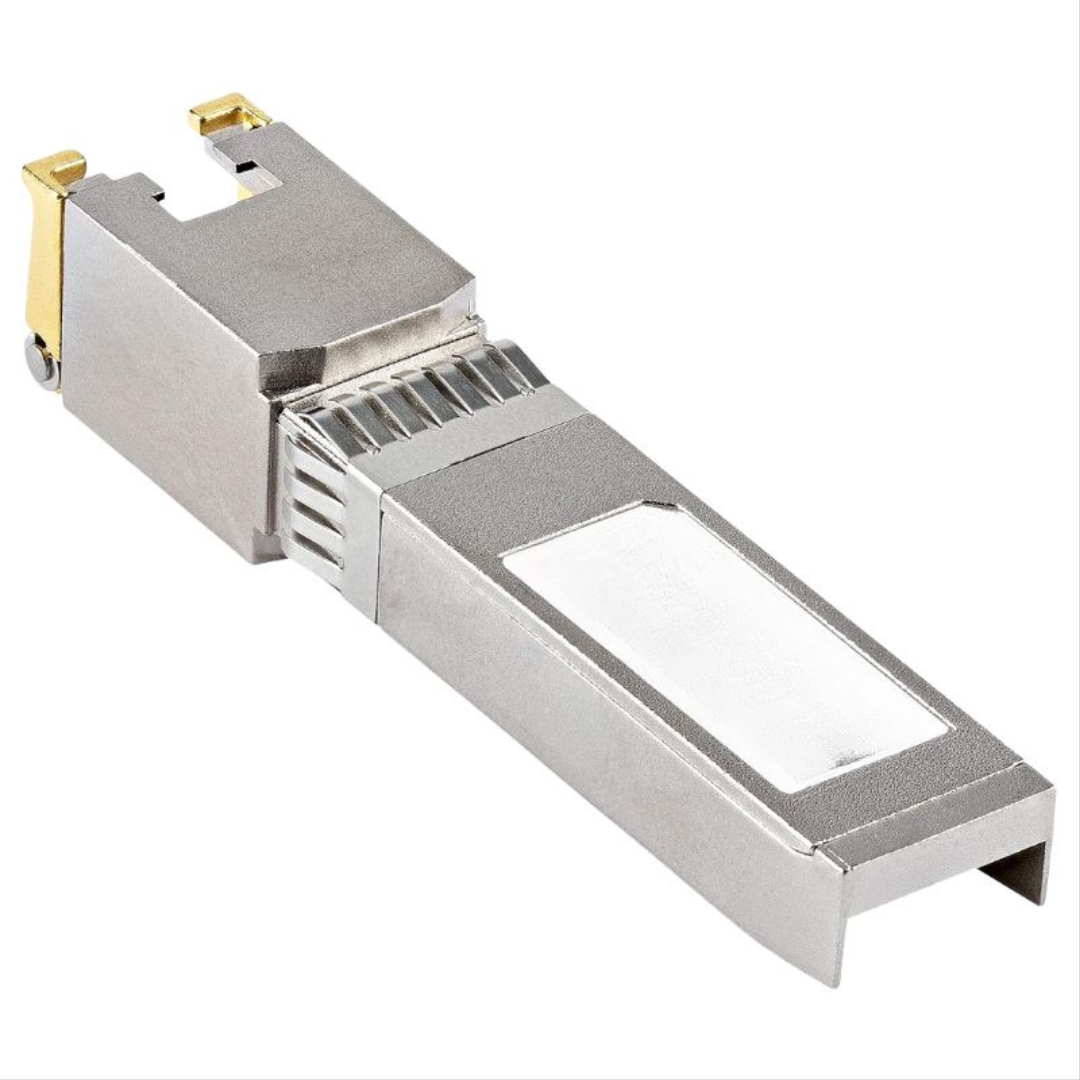
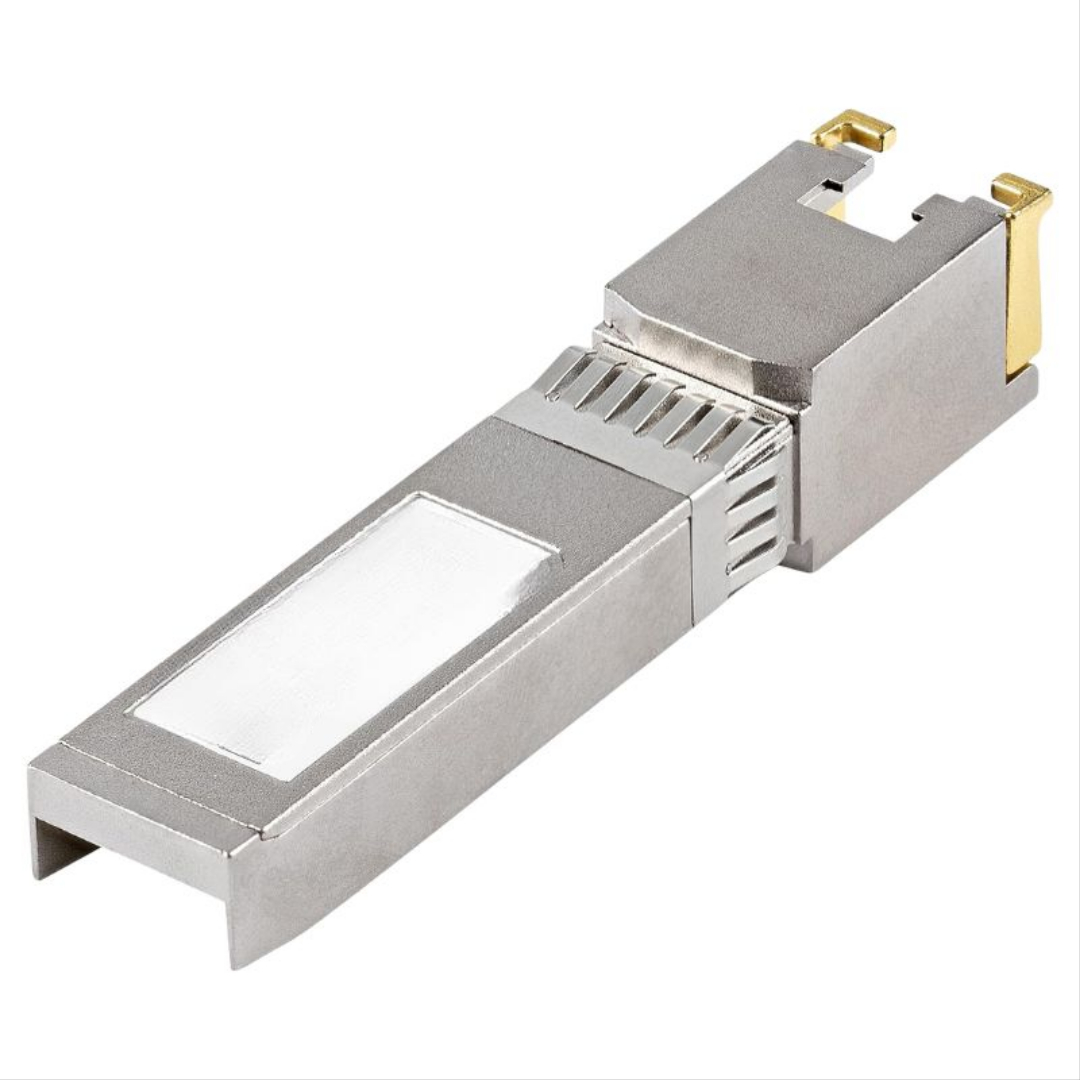
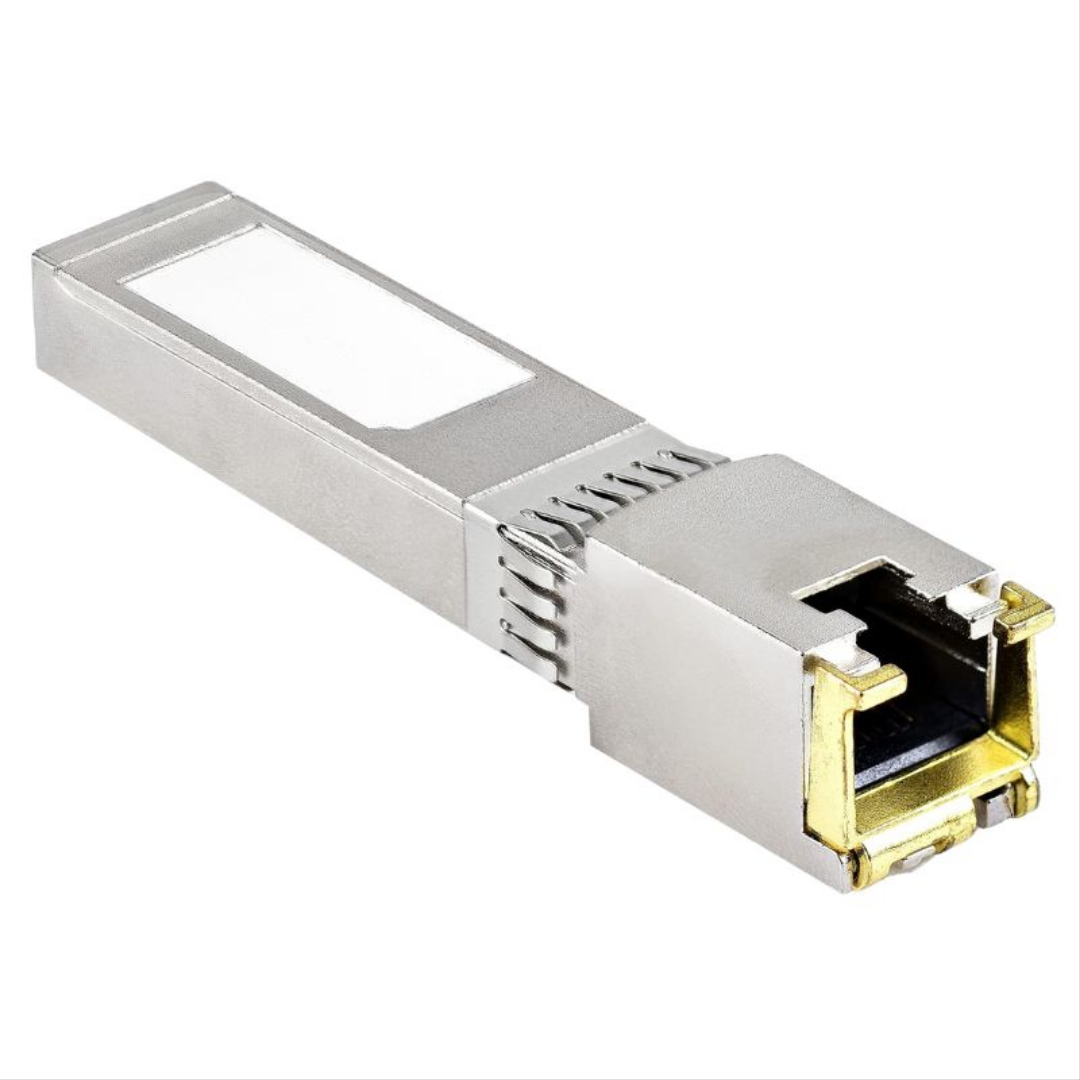
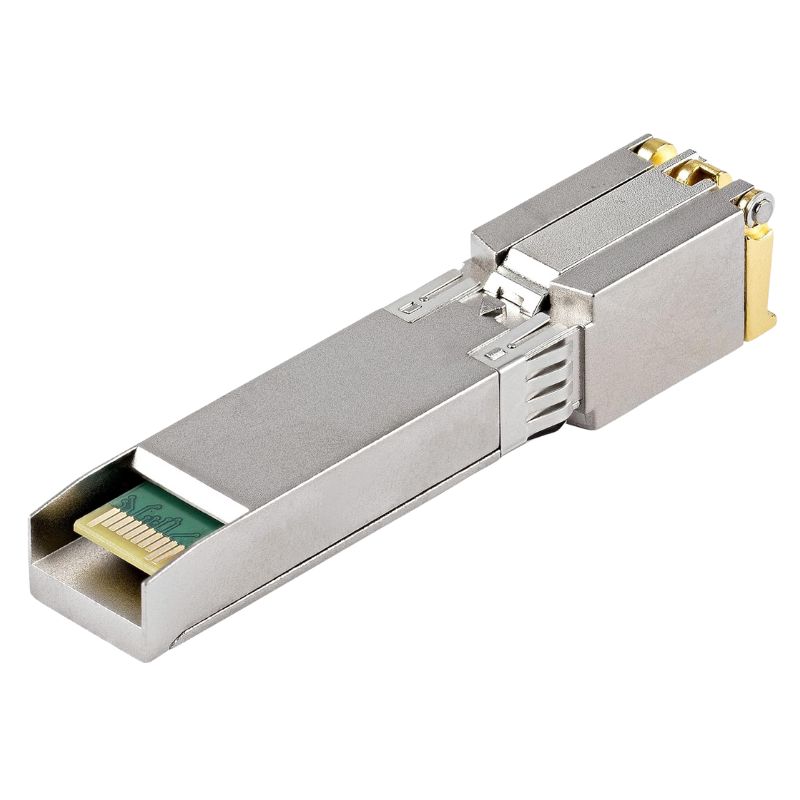
Cisco GLC-FE-T-I Transceiver Module SFP. Factory-Sealed New in Original Box (FSB) with 1 year replacement warranty
| SKU/MPN | Warranty | Price | Condition | You save |
|---|---|---|---|---|
| GLC-FE-T-I | 1 Year Warranty | $163.00 | Excellent Refurbished | You save: $57.05 (26%) |
| GLC-FE-T-I | 1 Year Warranty | Contact us for a price | Factory-Sealed New in Original Box (FSB) |
The Cisco GLC-FE-T-I is a compact 100BASE-T SFP transceiver module built for dependable Fast Ethernet connectivity in demanding network environments. Designed for industrial-grade deployment, this hot-swappable Small Form-Factor Pluggable module enables copper-based network links over standard twisted-pair cabling while maintaining the flexibility of an SFP interface. It is a practical option for organizations that need stable 100 Mbps Ethernet transmission, straightforward RJ-45 copper integration, and rugged operating support in environments where temperature conditions are more extreme than standard office networking installations.
The Cisco GLC-FE-T-I Transceiver Module SFP belongs to the Cisco Fast Ethernet transceiver family and is built for environments that require dependable copper uplink connectivity, compact Small Form-Factor Pluggable deployment, and stable network operation in industrial conditions. This module is a 100BASE-T copper SFP designed for Fast Ethernet applications over standard twisted-pair copper cabling, making it a practical choice for industrial switching, factory automation networks, utility infrastructure, transportation systems, building control networks, outdoor cabinets, and other operational technology environments where durable and predictable network links are essential.
As an industrial-rated SFP transceiver, the Cisco GLC-FE-T-I is positioned for installations where network hardware must operate under tougher temperature and environmental conditions than those found in standard office wiring closets. It is used in Cisco industrial Ethernet platforms and compatible network equipment that support Fast Ethernet SFP uplinks. The module provides a compact pluggable interface that simplifies deployment, maintenance, and replacement while enabling administrators to extend copper connectivity without redesigning the switch platform. Because it is based on a copper Fast Ethernet interface, the Cisco GLC-FE-T-I is particularly valuable in locations where copper cabling is already installed, where short-to-medium link distances are required, or where organizations want a cost-effective and practical method of connecting industrial switches, controllers, access devices, monitoring systems, or edge infrastructure.
Within the wider Cisco transceiver ecosystem, the Cisco GLC-FE-T-I category is important because it serves the operational need for industrial-grade 100 Mbps copper connectivity in a modular SFP format. While many enterprise networks have moved heavily toward Gigabit and fiber-based uplinks, a substantial number of industrial networks, machine networks, and control networks continue to rely on Fast Ethernet infrastructure for deterministic traffic, control system compatibility, legacy equipment integration, and stable long-life deployments. In these environments, the GLC-FE-T-I provides a highly relevant balance of reliability, compatibility, and operational simplicity.
The Cisco GLC-FE-T-I is designed as a 100BASE-T Fast Ethernet copper SFP module that connects through an RJ-45 copper interface and typically supports standard Category 5 or better twisted-pair cabling. This makes it a straightforward solution for network administrators who need to terminate Fast Ethernet links over common copper infrastructure without using a fixed integrated copper uplink port. The SFP form factor allows the module to be inserted into compatible Cisco switch or router SFP slots, enabling flexible port provisioning based on the actual network media requirement at a given location.
One of the most practical benefits of this architecture is the separation between the base network device and the media-specific transceiver. Rather than committing every uplink or expansion port to a permanent connector type, the platform can be equipped with the specific SFP needed for the site. In one industrial cabinet, an administrator might use fiber modules for long-distance or high-interference links, while in another location the Cisco GLC-FE-T-I may be selected because the target device is nearby and already wired with copper cabling. This modularity improves inventory planning, simplifies network expansion, and helps organizations standardize on Cisco switching platforms while still tailoring the media interface to the environment.
The module is associated with Fast Ethernet performance rather than Gigabit throughput, which is often an intentional design choice in industrial networks. Many programmable logic controllers, industrial gateways, sensor aggregation systems, power distribution devices, access control systems, and environmental monitoring systems do not require Gigabit uplinks for their day-to-day traffic volumes. Instead, they need stable 100 Mbps communication with consistent performance, easy troubleshooting, and compatibility with installed equipment. In such cases, a Cisco 100BASE-T industrial SFP can be a better fit than a higher-speed module that adds cost without meaningful operational benefit.
Because the Cisco GLC-FE-T-I uses copper media, it also supports deployment scenarios where fiber termination would be unnecessary or inconvenient. Industrial facilities often contain network segments inside control rooms, local equipment racks, production cells, distribution frames, or plant-floor cabinets where copper is more convenient to install, maintain, and patch. For these short-reach segments, a copper SFP provides practical flexibility while keeping the overall switching design modular and serviceable.
The Small Form-Factor Pluggable format remains one of the most useful hardware standards in network design because it allows administrators to adapt ports to changing media requirements. In industrial environments, where network topologies can evolve around production changes, facility expansion, utility upgrades, or transportation infrastructure modernization, this flexibility has long-term value. The Cisco GLC-FE-T-I fits directly into this strategy by giving compatible Cisco platforms a removable copper Fast Ethernet interface that can be installed, replaced, or reallocated as needed.
Instead of treating every port as fixed and permanent, SFP-based design supports lifecycle planning. A switch installed in an industrial enclosure may begin service with copper uplinks to nearby equipment. Later, as the facility expands or electromagnetic conditions change, some of those uplinks might be converted to fiber while others remain copper. The modular SFP approach makes those transitions easier. The Cisco GLC-FE-T-I therefore supports not just a link connection, but a broader network architecture philosophy centered on adaptability, efficient maintenance, and long-term deployment flexibility.
A defining characteristic of the Cisco GLC-FE-T-I Transceiver Module SFP category is its industrial orientation. Industrial-rated transceivers are selected for installations where temperature swings, enclosure conditions, dust exposure, vibration, and extended equipment lifecycles require stronger resilience than conventional office networking products. In a factory, utility substation, roadside cabinet, rail system, oil and gas site, mining operation, water treatment facility, warehouse, or smart infrastructure deployment, network devices are frequently exposed to environmental stresses that are not typical in standard enterprise server rooms.
The industrial positioning of the Cisco GLC-FE-T-I makes it appropriate for Cisco Industrial Ethernet deployments where a transceiver must continue operating reliably in demanding conditions. In many operational technology environments, network interruptions affect not just information access but also machine control, process visibility, monitoring systems, and plant availability. The choice of transceiver therefore has operational significance. A module used in an industrial cabinet cannot be evaluated only on speed and connector type; it must also be assessed for its ability to support uptime in real-world field conditions.
Industrial networks often operate continuously for years with minimal service windows. Unlike a traditional office switch that may be easy to access during business hours, an industrial switch might be mounted inside a locked roadside enclosure, above a production line, within a hazardous processing area, or at a remote utility location. Replacing a failed transceiver in such an environment can be time-consuming and disruptive. For this reason, organizations value industrial-rated modules like the Cisco GLC-FE-T-I because they are aligned with the operational need for long-term stability and reduced maintenance intervention.
Operational technology networks differ from traditional information technology environments in several important ways. They often support machine communications, supervisory control systems, telemetry, security monitoring, process automation, power control, and environmental sensing. These applications are sensitive not only to bandwidth and latency but also to availability, deterministic behavior, and infrastructure longevity. The Cisco GLC-FE-T-I category fits well in such networks because it addresses the need for modular Fast Ethernet connectivity in a ruggedized deployment model.
Industrial network architects frequently build around a mixture of legacy and modern devices. Some systems may still rely on 100 Mbps interfaces because the attached equipment was certified, validated, or originally engineered around Fast Ethernet communication. Replacing those endpoints may not be feasible, cost-effective, or operationally acceptable. In these situations, the Cisco GLC-FE-T-I provides a way to connect industrial Cisco platforms to existing copper-based Fast Ethernet equipment without compromising the modularity of the switch hardware. It becomes a bridge between long-life industrial assets and the broader managed network infrastructure.
Although fiber optics receive significant attention in modern networking, copper transceiver modules remain highly relevant in specific environments, particularly where short-to-medium link distances, installed cabling reuse, simple termination, and straightforward maintenance are priorities. The Cisco GLC-FE-T-I leverages these practical advantages by providing a copper-based Fast Ethernet SFP option for Cisco deployments that do not require fiber media.
One of the main strengths of copper connectivity is familiarity. Technicians across enterprise, industrial, and facilities environments are accustomed to working with RJ-45 connectors and twisted-pair cabling. This simplifies installation, patching, testing, and troubleshooting. In industrial plants and distributed facilities where staff may support a combination of networking, controls, electrical systems, and automation equipment, using copper links where appropriate can streamline operations. The Cisco GLC-FE-T-I fits naturally into this workflow by presenting a familiar RJ-45-based Fast Ethernet interface through the modular SFP slot.
Copper also offers cost and convenience advantages for nearby devices. When the distance is well within the supported range of Fast Ethernet copper, deploying fiber may be unnecessary. A copper SFP uplink can connect local control panels, cameras, badge systems, industrial workstations, PLC cabinets, or secondary switches using existing structured cabling or straightforward patch runs. This reduces installation complexity while still preserving the modularity of the SFP port.
The Cisco GLC-FE-T-I category is associated with standard copper Fast Ethernet reach over twisted-pair cabling, typically up to 100 meters under appropriate cabling conditions. This distance profile aligns well with many industrial and commercial edge deployments. Within a plant, utility building, warehouse, transportation station, or campus facility, a 100-meter reach often covers the span between a switch and a nearby controller cabinet, access node, local switch, or equipment cluster.
This reach profile supports a wide range of use cases. A network engineer may deploy the module to connect an industrial switch in a manufacturing cell to a local HMI cabinet, to link a distribution switch to a nearby access switch in a warehouse, or to provide Fast Ethernet uplink connectivity to monitoring equipment in a building automation room. Because the link uses familiar copper cabling, field service teams can often validate continuity and link status with standard network test tools, simplifying day-to-day support.
The Cisco GLC-FE-T-I Transceiver Module SFP is most commonly associated with Cisco Industrial Ethernet and related network platforms that need Fast Ethernet copper uplinks in a pluggable form. In these environments, the module is not simply an accessory; it is part of the strategy for building flexible and maintainable industrial communications infrastructure.
Industrial Ethernet switches are deployed across manufacturing, energy, transportation, smart city, utilities, and heavy industry environments. These switches aggregate machine traffic, provide uplinks to control systems, connect surveillance and access devices, and extend visibility across operational infrastructure. Because industrial sites often include a mix of copper and fiber segments, SFP-based switches are ideal. The Cisco GLC-FE-T-I allows one of those SFP slots to be assigned specifically to a Fast Ethernet copper role.
In a manufacturing environment, the module may connect a switch in a production line cabinet to a packaging machine controller, robotics cell, quality inspection station, or industrial workstation. In a substation or utility environment, it may be used to connect monitoring equipment, relay systems, environmental sensors, or local network extensions. In transportation systems, it can support connections for signaling support devices, local ticketing infrastructure, surveillance edge nodes, or platform control equipment where Fast Ethernet is sufficient and copper cabling is preferred.
Manufacturing networks often include a large number of edge devices that communicate at predictable, relatively modest bandwidth levels but require continuous uptime. Machine controllers, barcode systems, industrial terminals, quality monitoring systems, and process instrumentation frequently use Fast Ethernet interfaces. In these cases, the Cisco GLC-FE-T-I can be a practical fit for connecting Cisco industrial switches to nearby copper-based assets.
On a production floor, it is common to find cabinets that combine switches, power supplies, automation hardware, and interface modules. The ability to install a copper Fast Ethernet SFP into a Cisco switch provides flexibility when the exact media requirement differs from cabinet to cabinet. One line may need fiber uplinks due to distance or interference, while another may simply need a short copper connection to a machine network. The Cisco GLC-FE-T-I helps support this diversity of deployment models without forcing separate switch hardware for each media type.
Utilities and energy operators rely on robust communications networks to connect monitoring systems, protection devices, controllers, and supervisory applications. These networks may span substations, generation sites, water treatment plants, pumping stations, renewable energy sites, or distribution facilities. Because many of these environments are exposed to environmental extremes and long operational lifecycles, industrial-rated networking components are essential.
The Cisco GLC-FE-T-I supports the need for modular Fast Ethernet copper connectivity in such deployments. It can be used where local copper links connect control devices, access nodes, environmental systems, or network extensions within a substation building or equipment shelter. Its industrial focus makes it suitable for infrastructure projects where uptime, durability, and compatibility with Cisco industrial switching are more important than maximum port speed.
When organizations purchase SFP transceivers, compatibility is one of the most important considerations. The Cisco GLC-FE-T-I category is relevant specifically because it aligns with Cisco platforms that support industrial or Fast Ethernet SFP modules. In enterprise procurement, a transceiver is never selected in isolation; it is selected as part of a platform strategy involving switch families, environmental requirements, support models, lifecycle planning, and operational standards.
Cisco transceivers are typically chosen by organizations that want validated interoperability with Cisco networking equipment, reduced risk of compatibility issues, and alignment with Cisco documentation and support practices. The GLC-FE-T-I fits into this framework by serving as an original Cisco module for compatible platforms that require industrial Fast Ethernet copper SFP capability. For many buyers, especially those operating critical infrastructure, using a Cisco-coded module rather than a generic alternative supports procurement consistency and lowers operational uncertainty.
Compatibility also matters at the software and lifecycle level. Industrial switches often remain in service for long periods, and organizations want confidence that their transceiver choices match the intended platform support matrix. By selecting the Cisco GLC-FE-T-I category for the correct Cisco environment, administrators can maintain consistent hardware standards across field deployments and simplify spare inventory management.
The operational value of a pluggable transceiver extends beyond link establishment. In long-lived industrial and enterprise environments, serviceability and lifecycle management are major factors in total cost of ownership. The Cisco GLC-FE-T-I category supports efficient maintenance because the transceiver can be replaced independently of the switch chassis or mainboard. If a module needs to be swapped due to failure, media redesign, or inventory standardization, the administrator can change the SFP without replacing the entire network device.
This is particularly important in industrial deployments where access windows may be limited. If a network cabinet supports a production line, transportation control point, or remote monitoring station, administrators want to minimize the scope of hardware intervention. A pluggable module makes that possible. The Cisco GLC-FE-T-I can be stocked as a spare and inserted into a compatible SFP slot when needed, reducing downtime and preserving the larger investment in the switch platform.
Lifecycle management also benefits from media flexibility. Organizations may initially deploy the module to support an installed copper link, then later transition the site to fiber if infrastructure changes. Because the switch remains SFP-based, that migration can occur by replacing the module rather than the entire switch. This makes the Cisco GLC-FE-T-I not only a transceiver purchase, but part of a broader strategy for phased infrastructure evolution.
Not every network upgrade involves replacing all infrastructure with the newest speed standard. In many real-world projects, modernization happens in stages. A facility may upgrade its switching layer while retaining certain controllers, cameras, access devices, or automation endpoints that still operate at Fast Ethernet speeds. The Cisco GLC-FE-T-I is well suited to this type of staged migration because it allows modern Cisco-compatible SFP-based switches to maintain copper Fast Ethernet connectivity for legacy or specialized devices.
This capability is valuable in manufacturing plants, hospitals, campuses, warehouses, transportation systems, and utility facilities where operational continuity matters more than a full rip-and-replace approach. The network team may deploy newer Cisco switching platforms for improved management, segmentation, resilience, and security while still preserving connectivity to installed equipment that has years of useful life remaining. The GLC-FE-T-I supports that coexistence model by giving the switch a pluggable 100BASE-T copper interface for legacy or edge systems.
Expansion projects also benefit. When a facility adds a new control room, warehouse zone, monitoring cabinet, or machine line, the easiest option may be to extend the existing copper Fast Ethernet topology into the new space. Rather than introducing media converters or separate switch models, the administrator can use the Cisco GLC-FE-T-I in a compatible switch and maintain a consistent hardware architecture.


 Contact Us
 Information
 Catalog
 Solid State Drives (SSD)
 Network Switches
 Hard Disk Drives
 HBA & Controllers
 PC & Servers
 PC & Server Memory
 CPU & Processors
 Network Routers
 Power Supplies
 Tape Drives & Libraries
 Network Devices
 Computer & Network Cables