(7% discount is applied at checkout)
Cart is empty
Your go-to destination for cutting-edge server products
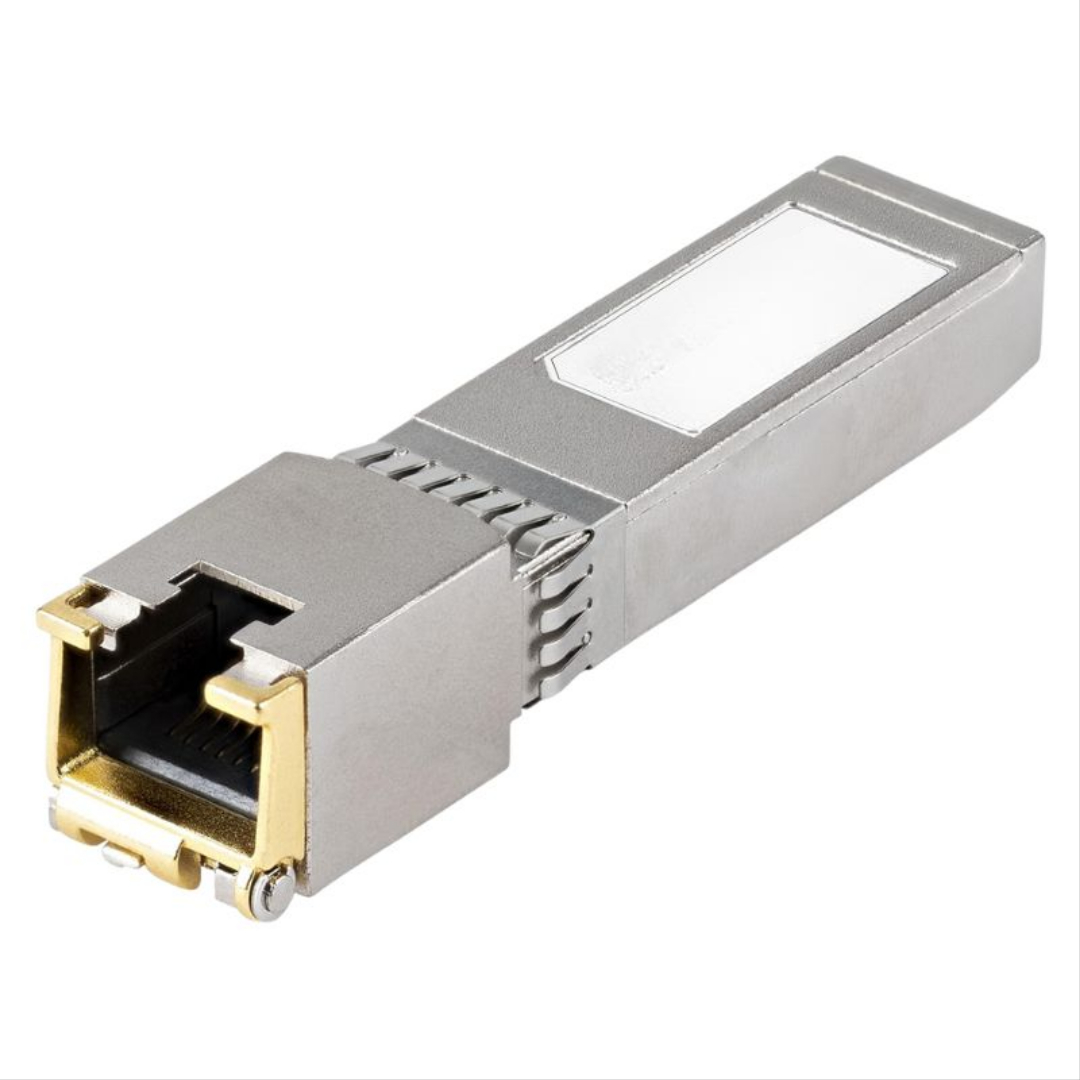


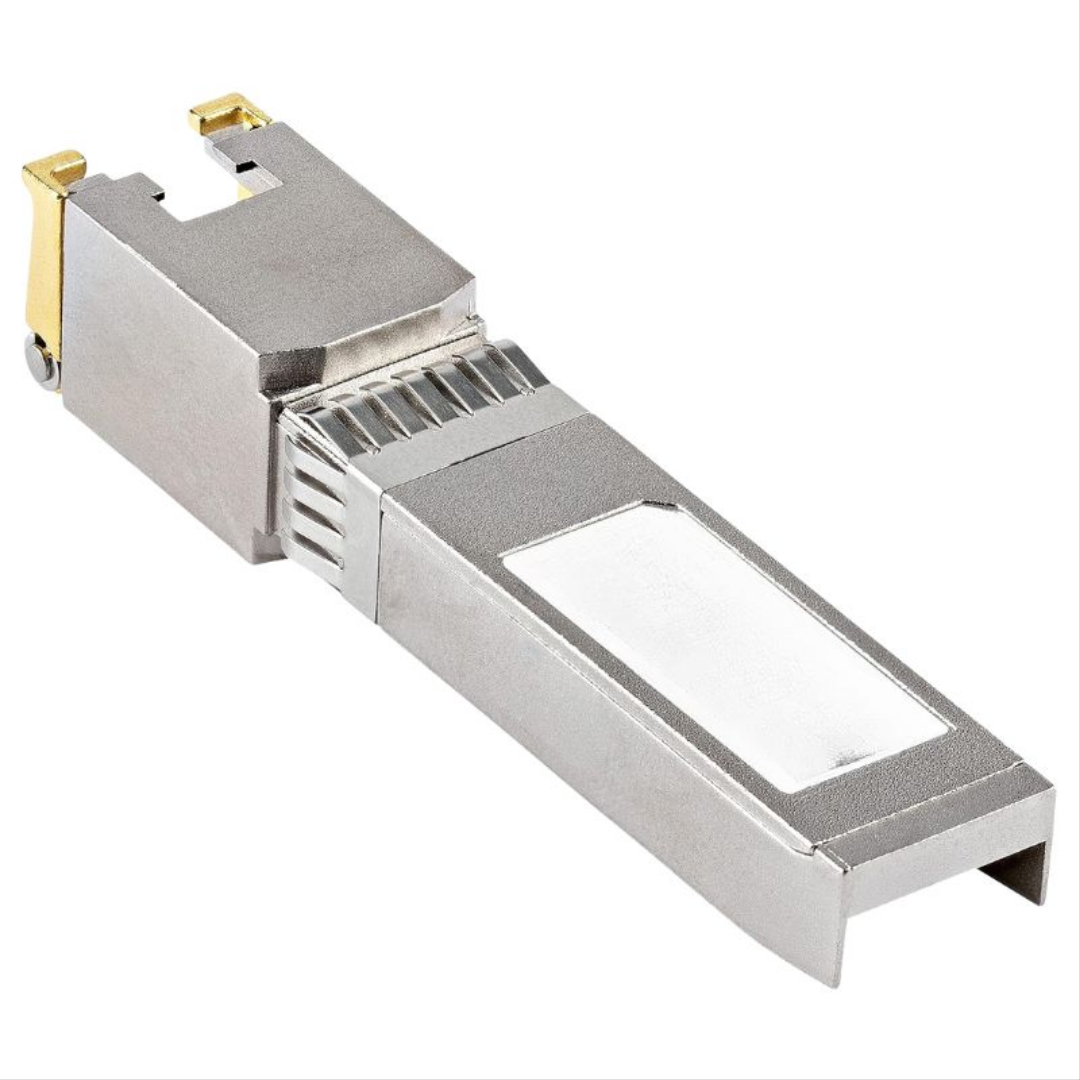
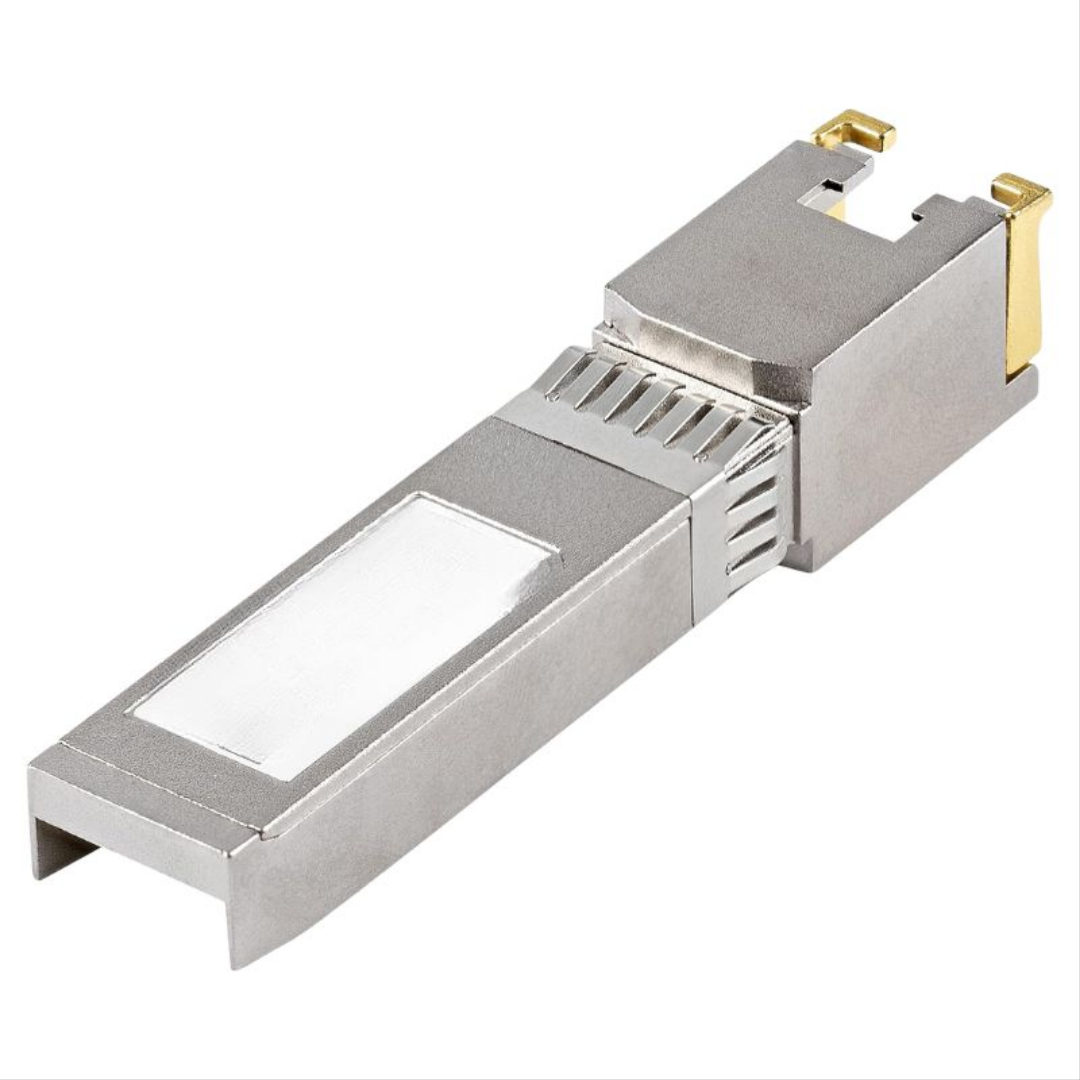
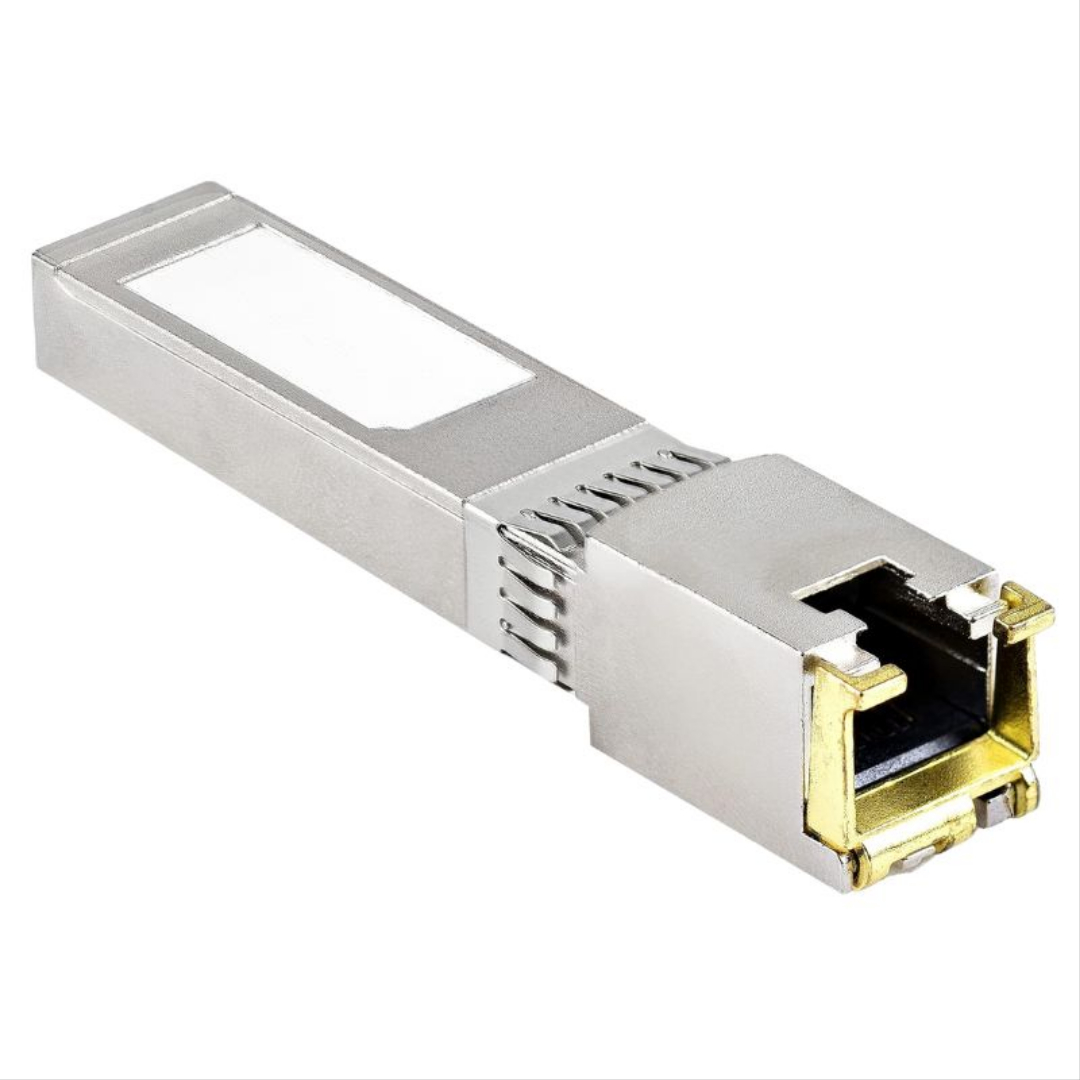
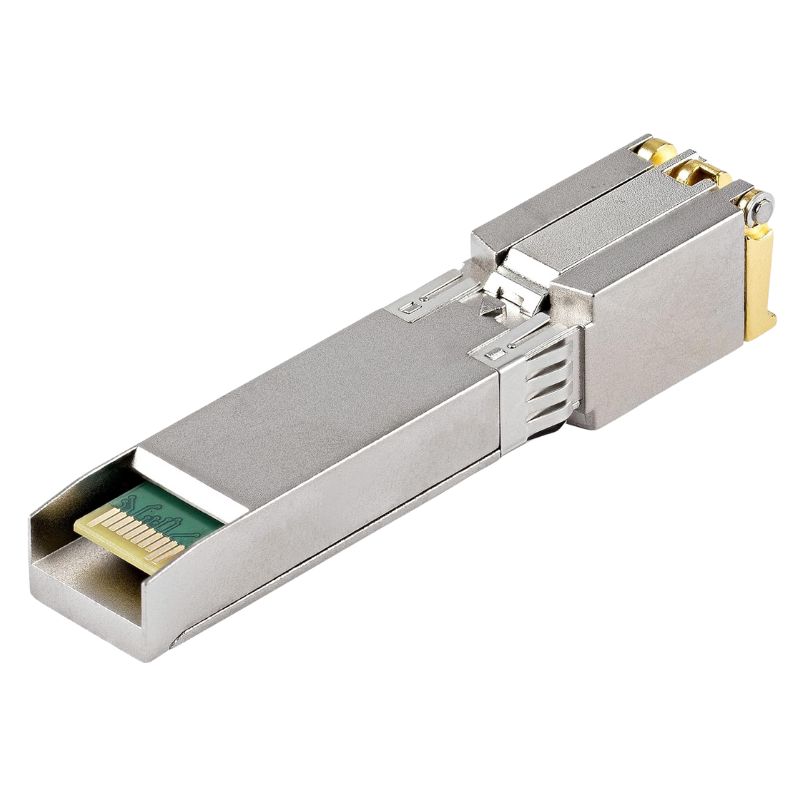
Cisco GLC-FE-T-I 100Mbps Transceiver Module RJ-45 Connector. Excellent Refurbished with 1 year replacement warranty
| SKU/MPN | Warranty | Price | Condition | You save |
|---|---|---|---|---|
| GLC-FE-T-I | 1 Year Warranty | $163.00 | Excellent Refurbished | You save: $57.05 (26%) |
| GLC-FE-T-I | 1 Year Warranty | Contact us for a price | Factory-Sealed New in Original Box (FSB) |
The Cisco GLC-FE-T-I is a compact 100Mbps Small Form-Factor Pluggable transceiver designed for dependable Fast Ethernet connectivity over copper cabling. Built with an RJ-45 interface, this hot-swappable SFP module is a practical choice for enterprise and industrial networking environments that require stable 100Base-TX communication across standard twisted-pair infrastructure. Its compact Mini-GBIC form factor allows flexible deployment in compatible Cisco switches, routers, and industrial Ethernet platforms while maintaining efficient space utilization inside networking hardware. Designed for wired LAN applications, the module supports a data transfer speed of 100 Mbit/s and can transmit data over distances up to 328.08 feet, making it suitable for short-range network extensions, edge connectivity, and structured cabling deployments.
The Cisco GLC-FE-T-I 100Mbps Transceiver Module RJ-45 Connector belongs to an important category of Cisco pluggable transceivers developed for Fast Ethernet copper connectivity in enterprise and industrial networking environments. This module is designed for organizations that need a compact and dependable interface for extending 100Mbps Ethernet connections over standard twisted-pair copper cabling. As a hot-swappable Small Form-Factor Pluggable transceiver, the Cisco GLC-FE-T-I enables compatible Cisco networking equipment to support copper Fast Ethernet links while maintaining the flexibility, serviceability, and deployment efficiency expected in modern network infrastructures.
Within the broader transceiver category, the Cisco GLC-FE-T-I occupies a specialized position because it focuses on 100Mbps copper transmission rather than fiber uplinks or Gigabit-only connectivity. Many networks still depend on Fast Ethernet connectivity for legacy infrastructure, industrial systems, branch connectivity, embedded devices, monitoring systems, manufacturing controls, building automation platforms, and security appliances that do not require Gigabit bandwidth but do require stable and standards-based Ethernet communication. This makes the Cisco GLC-FE-T-I a practical solution for environments where network planners need to preserve interoperability with installed equipment while still using modular Cisco switching and routing platforms.
The module uses an RJ-45 interface, which is one of the most widely deployed connector types in structured copper cabling systems. This familiar copper interface simplifies installation in offices, retail spaces, schools, warehouses, plants, and remote communication sites because it can connect to standard Ethernet patch panels, wall outlets, copper patch leads, and existing Category-rated twisted-pair cabling. Rather than requiring specialized fiber patching, the Cisco GLC-FE-T-I allows administrators to deploy Fast Ethernet uplinks or device links using common copper infrastructure, making it a practical option for locations where fiber is unnecessary, unavailable, or not cost-effective for the intended network segment.
Cisco transceiver modules cover a wide range of network media types, speeds, connector styles, transmission distances, and deployment models. Within this broad category, some modules are designed for Gigabit Ethernet over multimode fiber, some for single-mode fiber over long distances, some for bidirectional optical communication, and others for copper Ethernet links. The Cisco GLC-FE-T-I belongs to the copper Fast Ethernet transceiver subcategory, meaning its primary role is to provide 100Mbps Ethernet communication over twisted-pair cabling through a modular SFP form factor.
This placement is significant because it allows organizations to use modular Cisco switches and routers in mixed-speed environments. Not every deployment requires fiber optics or Gigabit throughput. In many cases, the devices at the network edge, in industrial enclosures, or inside specialized control systems are built around Fast Ethernet interfaces. Instead of replacing those devices or forcing a redesign of the network architecture, administrators can use a module such as the Cisco GLC-FE-T-I to bridge modern Cisco hardware with installed 100Mbps copper infrastructure.
The category value of this module is therefore not limited to simple connectivity. It supports practical migration strategies, preserves compatibility with legacy devices, and helps network teams maintain service continuity across a broad range of infrastructure generations. In networks where a core platform may be highly advanced but some field devices remain 100Mbps copper-based, this module creates an efficient operational link between the two.
There is a tendency to view 100Mbps networking as outdated simply because multi-gigabit technologies are now common in data centers and campus backbones. However, Fast Ethernet remains relevant in many operational environments. Security cameras, industrial sensors, control systems, programmable logic controllers, building access devices, branch appliances, serial-to-Ethernet gateways, remote management equipment, and certain WAN edge devices often continue to rely on 100Mbps connectivity. In these scenarios, stability, compatibility, rugged deployment, and predictable operation are more important than maximum bandwidth.
The Cisco GLC-FE-T-I addresses this need by giving compatible Cisco hardware a modular copper Fast Ethernet option. It is especially useful where administrators want to consolidate platforms, standardize on Cisco switching or routing hardware, and still connect equipment that operates at 100Mbps over RJ-45 copper links. This capability can reduce the need for external media converters, avoid unnecessary hardware sprawl, and simplify cable management by keeping the connection native to the SFP slot of the Cisco device.
The main function of the Cisco GLC-FE-T-I is to convert the SFP slot on a compatible Cisco networking device into a 100Mbps copper Ethernet interface that uses an RJ-45 connector. This allows a switch, router, or industrial Ethernet platform with SFP capability to connect to copper Ethernet infrastructure using a pluggable transceiver rather than a fixed port. The module performs the physical layer interface function required for Fast Ethernet communication and enables the device to exchange data over twisted-pair cabling with compatible network equipment.
In practical terms, this means the module can be installed into a supported Cisco platform and then connected by copper Ethernet cable to another switch, a field device, a control system, a monitoring appliance, a remote endpoint, or any other networked system designed for 100Mbps copper Ethernet communication. The RJ-45 interface allows the use of commonly deployed copper patch cables, which simplifies provisioning and maintenance. In many network closets and industrial cabinets, this is an advantage because copper infrastructure is already in place and technicians are accustomed to working with RJ-45 terminations.
Because it is an SFP-based transceiver, the Cisco GLC-FE-T-I also supports modularity. Instead of locking the administrator into a permanently fixed media type, the host device can be adapted to different link requirements by installing the appropriate transceiver. One port may use fiber for long-distance uplinks, while another port on the same platform may use the GLC-FE-T-I for short-range copper Fast Ethernet connectivity. This media flexibility is one of the defining benefits of modular transceiver-based networking.
The RJ-45 connector remains one of the most practical and recognizable interfaces in Ethernet networking. Its widespread use across enterprise offices, industrial floors, retail environments, educational campuses, and branch sites means that support teams can deploy the Cisco GLC-FE-T-I without specialized optical handling practices. Copper patch leads are easy to source, simple to replace, and straightforward to test. Structured cabling systems built around RJ-45 outlets and patch panels also make moves, adds, and changes more efficient.
For organizations with large installed copper cabling bases, the RJ-45 design of the Cisco GLC-FE-T-I can reduce deployment friction. There is no need to route fiber to every endpoint where Fast Ethernet copper service is sufficient. In locations where electromagnetic considerations, distance requirements, or very high bandwidth are not driving factors, copper Ethernet remains a practical medium. The module therefore serves a valuable role by aligning Cisco modular hardware with the physical cabling realities of many business and industrial facilities.
One of the strongest reasons to choose a Cisco Fast Ethernet copper transceiver module category such as the GLC-FE-T-I is its value in mixed infrastructure environments. Many organizations do not operate entirely new networks. Instead, they manage a layered infrastructure that includes recently deployed switches, older industrial devices, legacy communications appliances, branch routers, embedded control hardware, and third-party endpoints with varying speed and media requirements.
In such environments, the Cisco GLC-FE-T-I allows a compatible Cisco host platform to communicate with equipment that expects a 100Mbps copper Ethernet connection. This is especially useful during phased refresh cycles. A company might replace a legacy switch with a newer Cisco model but still need to keep dozens of field devices online. By installing a copper Fast Ethernet SFP in the new platform, the organization can preserve connectivity without replacing every attached endpoint at once.
This compatibility-oriented deployment strategy can be valuable in manufacturing facilities, transportation networks, utilities, hospitals, educational campuses, and distributed retail operations. In each of these sectors, endpoint replacement is often more complex than replacing the aggregation or access hardware. The Cisco GLC-FE-T-I supports a gradual transition path, letting the network core or distribution layer evolve while older or specialized edge devices remain in service until their replacement becomes operationally or financially practical.
The Cisco GLC-FE-T-I is often associated with demanding deployment conditions where reliability and environmental suitability are essential. In industrial and extended-temperature networking categories, transceivers may be installed in control cabinets, roadside enclosures, substations, transit infrastructure, utility sites, outdoor cabinets, plant-floor network segments, and surveillance environments where conditions are more challenging than in a traditional office wiring closet.
In these scenarios, organizations are not simply choosing a transceiver based on connector type or data rate. They are choosing a module category that fits operational conditions, equipment compatibility, and long-term support requirements. The GLC-FE-T-I is relevant because it gives compatible Cisco devices a copper Fast Ethernet option that aligns with industrial network designs where many attached devices still use 100Mbps copper ports. In a manufacturing or infrastructure setting, this can include sensors, controllers, IP-enabled automation components, remote telemetry devices, and legacy supervisory systems.
The ability to use a modular copper transceiver in these environments can simplify spare parts management and improve maintenance efficiency. Instead of deploying separate external conversion hardware, the connectivity function is handled directly by the SFP module installed in the host device. This reduces complexity and can help standardize field support practices.
Copper Ethernet transceivers are closely tied to cabling quality and installation practice. The Cisco GLC-FE-T-I uses an RJ-45 interface and is intended for copper Ethernet connectivity over twisted-pair cable. In structured networking environments, this usually means Category-rated cabling that is already present in the facility or installed specifically for the endpoint link. The copper media model is attractive because it is familiar, flexible, and cost-efficient for short to moderate distances within buildings, wiring closets, equipment rooms, and industrial cabinets.
For category page purposes, it is important to understand that the value of the Cisco GLC-FE-T-I extends beyond the transceiver itself. It is part of a broader copper Fast Ethernet connectivity system that includes the host platform, patch cable, horizontal cabling, patch panel, remote endpoint, and link management practices. When all of these elements are aligned, the result is a dependable Ethernet path suitable for device access, monitoring, control traffic, or branch connectivity.
Because the module uses copper rather than optical fiber, organizations can often leverage existing installed cabling without retraining technicians in optical cleaning, fiber polarity, fiber patch selection, or transceiver wavelength matching. This is especially useful in distributed organizations where many remote sites are serviced by general IT staff or field technicians who are more accustomed to RJ-45 copper deployments than to optical network maintenance.
Fast Ethernet over copper remains common in device categories that do not generate heavy traffic but do require dependable connectivity. Examples include access control panels, time clocks, point-of-sale controllers, badge readers, machine controllers, environmental sensors, serial terminal servers, digital signage appliances, and industrial human-machine interface equipment. These systems often exchange modest volumes of data, yet they must remain connected around the clock.
The Cisco GLC-FE-T-I supports this reality by giving compatible Cisco platforms a native way to connect to such devices through a pluggable RJ-45 transceiver. In a campus or industrial architecture, this can help reduce the number of specialized intermediary devices required to keep older or lower-speed equipment online. The result is a cleaner design with fewer conversion points and a more unified approach to switch-based connectivity.
One of the key strengths of the Cisco GLC-FE-T-I category is its hot-swappable SFP design. In modular networking, hot-swappability allows the transceiver to be installed or replaced without powering down the entire host device, provided the platform and maintenance procedures support such operation. This is important for enterprises and industrial operators because it reduces service disruption during upgrades, replacements, troubleshooting, or media changes.
In a practical sense, the hot-swappable nature of the module means an administrator can reconfigure a port’s physical connectivity role without replacing the switch or router. If a deployment changes from copper Fast Ethernet to fiber, the transceiver can be swapped accordingly. If a failed copper module needs replacement, it can often be exchanged with minimal interruption to adjacent services on the same device. This improves maintainability and supports the modular operating model that Cisco transceiver-based platforms are known for.
For organizations with distributed locations, the hot-swappable design also helps with spare inventory planning. Rather than stocking multiple separate hardware appliances for every possible media requirement, teams can keep a controlled inventory of transceiver types and use them as needed across supported Cisco platforms. This can simplify field support and reduce the overall burden of managing mixed connectivity needs.
The Cisco GLC-FE-T-I is useful in environments where not every port on a device should be configured the same way. A Cisco switch or router with multiple SFP-capable ports may need one fiber uplink to a core switch, another optical link to a remote cabinet, and one copper Fast Ethernet connection to an industrial controller or legacy access switch. Modular transceivers make that possible without requiring a dedicated device model for every media combination.
This port-level customization is especially helpful in access and distribution networks where the topology evolves over time. A site may begin with copper-connected endpoints and later add fiber uplinks. Another site may need to integrate a specialized machine controller that only supports 100Mbps copper. By using the Cisco GLC-FE-T-I where appropriate, administrators can tailor the host platform to the site’s exact physical connectivity needs rather than forcing the site into a one-size-fits-all hardware design.
Choosing a Cisco-branded transceiver category such as the GLC-FE-T-I can offer operational advantages for organizations that standardize on Cisco infrastructure. Compatibility validation, lifecycle support alignment, and simplified procurement are often major considerations in enterprise purchasing decisions. A transceiver is a relatively small component, but it plays a direct role in link stability and physical connectivity, so many organizations prefer to use transceivers aligned with the host platform vendor’s compatibility and support practices.
For IT teams managing large numbers of Cisco switches and routers, the Cisco GLC-FE-T-I fits into a familiar ecosystem of modular networking components. This consistency can make documentation, sparing, maintenance, and deployment planning more straightforward. It can also reduce ambiguity during troubleshooting because the transceiver category is known and expected within the Cisco environment.
In addition, organizations working under strict change-control procedures often prefer supported module combinations to reduce operational risk. Using a Cisco transceiver with a compatible Cisco platform can help simplify internal approval workflows, particularly in regulated industries, government settings, critical infrastructure, or heavily standardized enterprise networks.
Network teams often think beyond immediate connectivity and evaluate components in terms of lifecycle stability. The Cisco GLC-FE-T-I is relevant in this context because it supports infrastructure continuity where Fast Ethernet copper devices remain important. Instead of forcing a rapid migration of all attached systems, the module allows planners to integrate legacy-speed endpoints into a broader Cisco roadmap.
This matters in sectors where endpoint turnover is slow. Industrial control systems, medical devices, security subsystems, transportation equipment, and utility automation platforms often stay in service far longer than conventional office PCs or access points. Replacing them purely to move from 100Mbps to Gigabit may not be operationally justified. A transceiver like the Cisco GLC-FE-T-I helps maintain compatibility during that extended lifecycle, enabling the network around those systems to modernize without breaking communication with installed equipment.
Although the Cisco GLC-FE-T-I is a physical connectivity component rather than a security appliance, it can still be important in secure network designs because it enables connectivity for devices that may be placed into segmented or policy-controlled parts of the network. Many industrial and operational technology devices that use 100Mbps copper are not directly exposed to the broader enterprise environment. Instead, they are placed into dedicated VLANs, isolated switch domains, or carefully monitored infrastructure zones.
When a compatible Cisco platform is responsible for hosting these secure segments, the GLC-FE-T-I can provide the physical link required to attach the endpoint or downstream Fast Ethernet device while the Cisco platform enforces the larger network design. This makes the module useful not just as a cable interface, but as an enabling component within segmented architectures for surveillance, automation, utilities, healthcare operations, or secure branch equipment.
In this way, the module supports a broader operational objective: keeping lower-speed but mission-critical devices connected to a modern Cisco-managed network without sacrificing the modularity and control of the infrastructure.


 Contact Us
 Information
 Catalog
 Solid State Drives (SSD)
 Network Switches
 Hard Disk Drives
 HBA & Controllers
 PC & Servers
 PC & Server Memory
 CPU & Processors
 Network Routers
 Power Supplies
 Tape Drives & Libraries
 Network Devices
 Computer & Network Cables