(7% discount is applied at checkout)
Cart is empty
Your go-to destination for cutting-edge server products
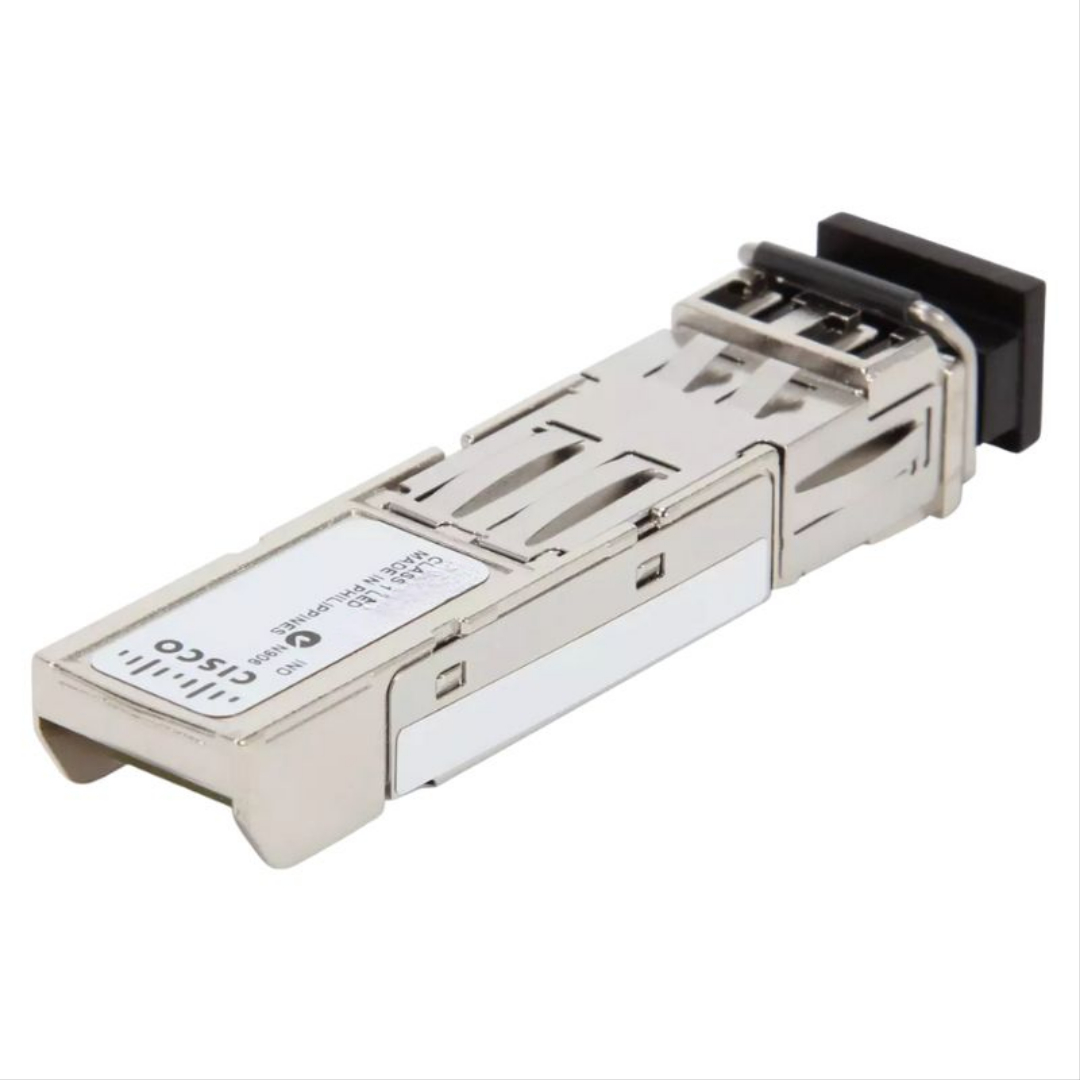


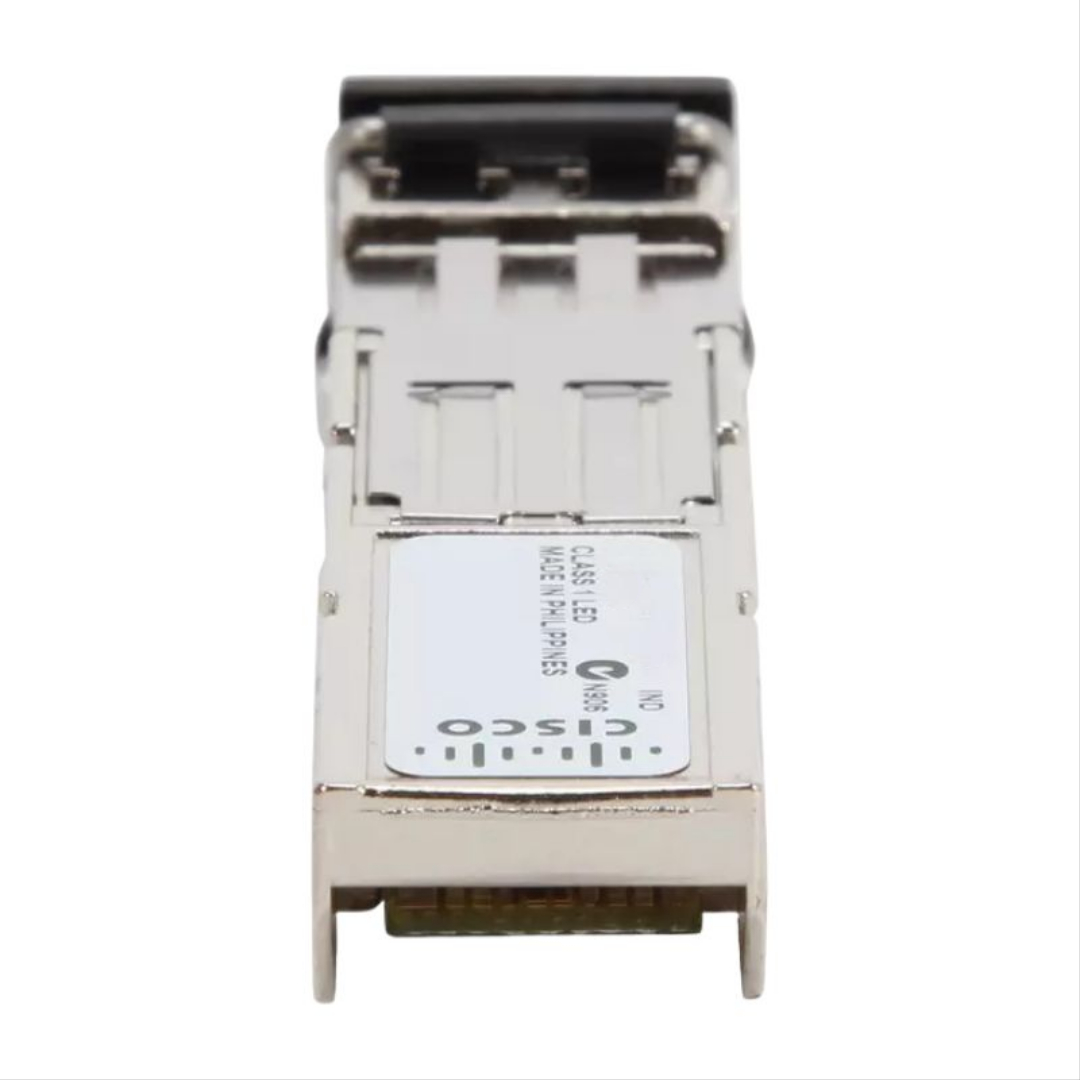
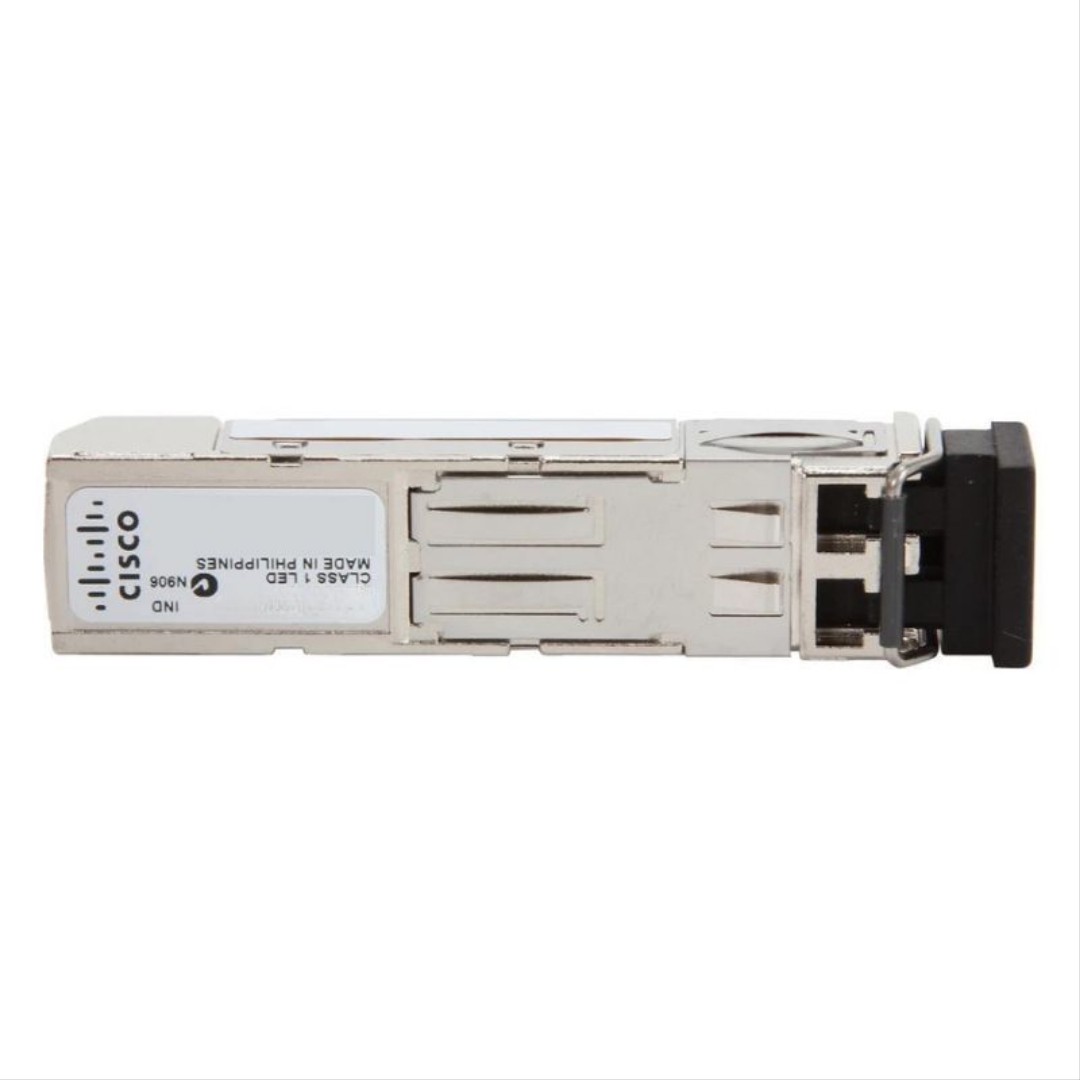
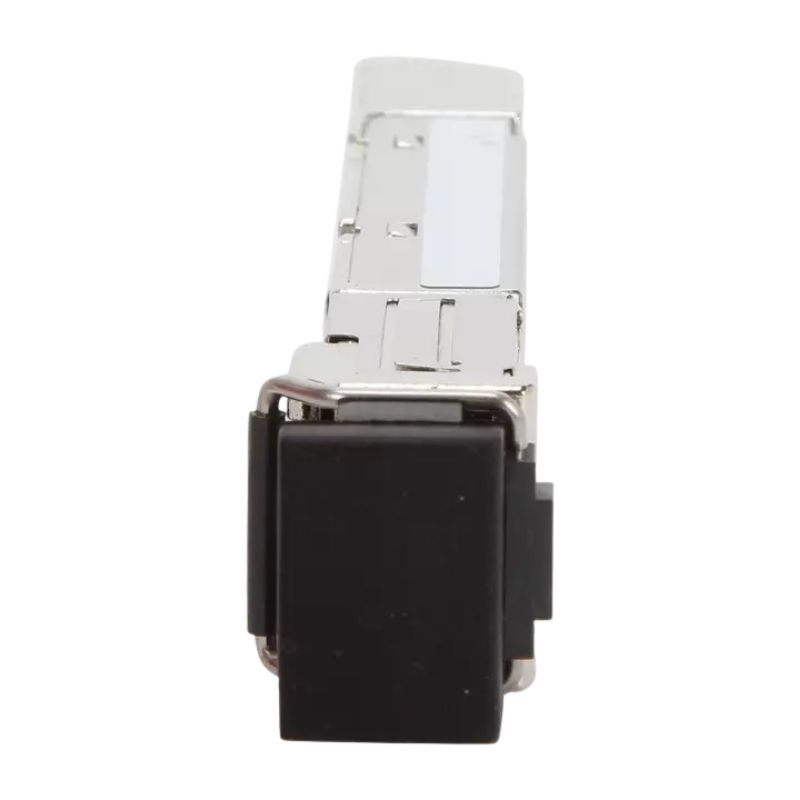
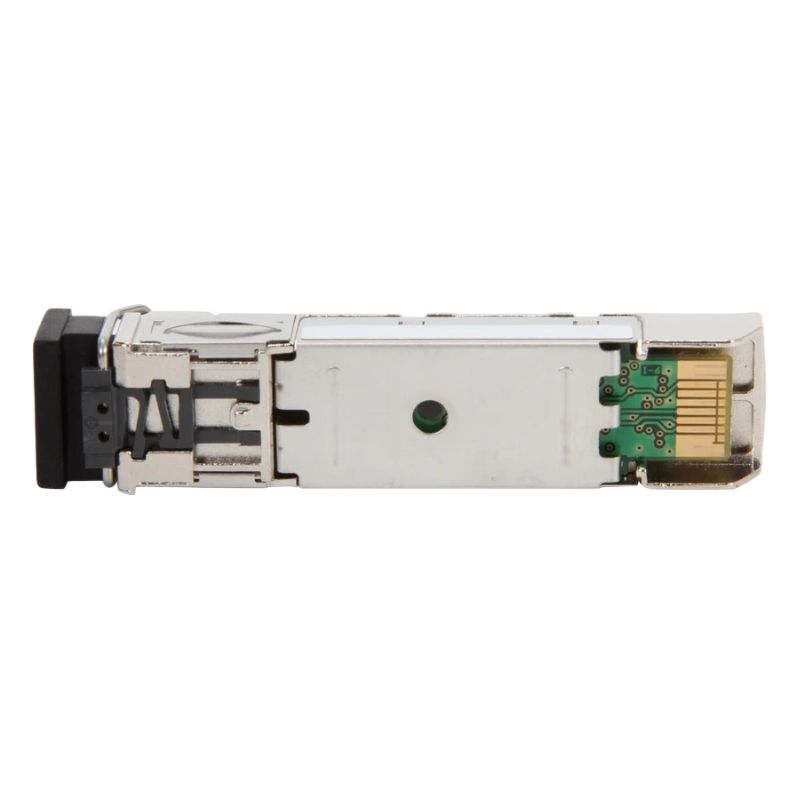
Cisco GLC-FE-100LX-RGD 100MBPS SFP Transceiver Module. Factory-Sealed New in Original Box (FSB) with 1 year replacement warranty
| SKU/MPN | Warranty | Price | Condition | You save |
|---|---|---|---|---|
| GLC-FE-100LX-RGD | 1 Year Warranty | $196.00 | Excellent Refurbished | You save: $68.60 (26%) |
| GLC-FE-100LX-RGD | 1 Year Warranty | $222.00 | Factory-Sealed New Retail in Original Box (FSB) | You save: $77.70 (26%) |
The Cisco GLC-FE-100LX-RGD is a ruggedized 100Mbps Small Form-Factor Pluggable transceiver designed for dependable Fast Ethernet fiber connectivity in demanding network environments. Built for 100BASE-LX operation, this plug-in module uses a 1310 nm optical wavelength and supports long-distance data transmission of up to 6.2 miles over single-mode fiber cabling. It is engineered to deliver stable wired network communication while fitting into compatible SFP or Mini-GBIC interfaces on supported Cisco networking equipment. With its LC single-mode optical interface and adherence to IEEE 802.3 and IEEE 802.3ah standards, this transceiver is well suited for industrial networking, enterprise edge deployments, utility communications, transportation infrastructure, and other installations where reliable fiber uplinks are essential.
Manufacturer: Cisco
Part Number: GLC-FE-100LX-RGD
Product Category: SFP (Mini-GBIC) Transceiver Module
Connectivity Technology : Wired
Cabling Type : 100base-lx
Data Link Protocol : Fast Ethernet
Optical Wave Length : 1310 Nm
Max Transfer Distance : 6.2 Miles
Compliant Standards : Ieee 802.3, Ieee 802.3ah
Interfaces : 1 X Network - Ethernet 100base-lx - Lc Single Mode X 2
Compatible Slots : 1 X Sfp (mini-gbic)
The Cisco GLC-FE-100LX-RGD 100MBPS SFP Transceiver Module belongs to the rugged Fast Ethernet optical transceiver category designed for dependable fiber connectivity in industrial, enterprise edge, utility, transportation, and harsh-environment networking deployments. This Cisco small form-factor pluggable module is built for 100BASE-LX10 Fast Ethernet communication over single-mode fiber and is engineered to support long-reach optical links in installations where reliability, environmental resilience, and stable network performance are essential. As a member of Cisco rugged SFP transceiver solutions, the Cisco GLC-FE-100LX-RGD module addresses the needs of organizations that require industrial temperature tolerance, compact optical uplinks, and seamless compatibility with supported Cisco switches and routers.
In environments where copper cabling is not practical, where electromagnetic interference is a concern, or where the network must extend across large facilities and outdoor areas, a fiber-based 100Mbps transceiver remains highly relevant. The Cisco GLC-FE-100LX-RGD is intended for those scenarios. It supports 100BASE-LX10 operation, uses a 1310 nm wavelength, connects through a dual LC optical interface, and is associated with single-mode fiber links that can reach up to 10 kilometers under supported conditions. This makes the module a practical solution for industrial control networks, substation communications, plant-floor aggregation, road-side cabinets, rail infrastructure, surveillance systems, water treatment facilities, and secure enterprise access layers that still rely on Fast Ethernet optical infrastructure for operational consistency and equipment compatibility.
The rugged designation is a critical part of the Cisco GLC-FE-100LX-RGD category. Rugged Cisco transceivers are selected not merely for link activation but for dependable operation in environments where temperatures, vibration exposure, cabinet conditions, and infrastructure longevity requirements exceed the expectations of standard office-grade networking hardware. The module is part of a category of Cisco industrial optical interfaces designed to support harsh operating conditions while preserving Cisco deployment consistency across routers, industrial Ethernet switches, and specialized networking platforms. In industrial modernization projects, the transceiver often serves as the bridge between legacy Fast Ethernet systems and managed Cisco infrastructure, allowing organizations to maintain dependable field connectivity while standardizing around Cisco networking equipment.
The Cisco GLC-FE-100LX-RGD is categorized as a 100Mbps Fast Ethernet SFP transceiver rather than a Gigabit module, which makes it especially relevant for networks that still operate critical devices, controllers, sensors, remote terminals, and industrial systems at 100Mbps. Many industrial networks do not require Gigabit throughput at every endpoint. Instead, they require deterministic behavior, link stability, long-distance fiber communication, and compatibility with existing Fast Ethernet interfaces. In those deployments, the Cisco GLC-FE-100LX-RGD occupies an important place because it supports a proven optical standard while leveraging the hot-swappable convenience and compact density advantages of the SFP form factor.
As a 100BASE-LX10 module, it is designed for single-mode fiber communication over longer distances than multimode Fast Ethernet transceivers. The long-wavelength optical signaling centered around 1310 nm is associated with dependable single-mode fiber transport for campus, industrial, and distributed infrastructure use cases. The 10-kilometer reach profile is particularly valuable in geographically spread installations where control rooms, substations, security nodes, utility cabinets, and remote network segments must remain connected without the signal limitations of copper Ethernet cabling. In industrial and outdoor scenarios, fiber also offers important immunity advantages against electromagnetic noise, grounding differences, and lightning-related disturbances that can affect copper links.
Within the broader Cisco optical networking category, the Cisco GLC-FE-100LX-RGD can be understood as a specialized module that solves a very specific but still widely encountered problem: delivering stable Fast Ethernet optical connectivity in rugged deployments while maintaining Cisco platform compatibility. Organizations that are standardizing on Cisco industrial Ethernet switches or ruggedized routers often require transceivers that match the environmental profile of the host device. The Cisco GLC-FE-100LX-RGD satisfies that need by pairing Fast Ethernet optical performance with industrial suitability, making it a logical choice for operators that cannot use commercial-temperature optics in exposed or temperature-variable installations.
Although enterprise data center and campus backbone environments have moved far beyond 100Mbps, Fast Ethernet remains significant in industrial networking, operational technology, transportation control, utility systems, and long-lived infrastructure deployments. A substantial number of controllers, remote terminal units, intelligent electronic devices, serial-over-Ethernet gateways, machine interfaces, surveillance encoders, and hardened field devices continue to operate on Fast Ethernet interfaces. Replacing all of these endpoints at once is often neither cost-effective nor operationally feasible. Instead, organizations deploy industrial Cisco switching and routing platforms that can integrate these devices into secure, managed, and segmented networks.
In such cases, the Cisco GLC-FE-100LX-RGD becomes part of a practical migration strategy. It allows operators to continue using 100Mbps optical links where appropriate while gaining the management, visibility, and reliability advantages of Cisco infrastructure. This is especially useful in power utilities, oil and gas sites, factory automation environments, warehouse systems, municipal infrastructure, and transportation networks where field equipment lifecycles are long and where dependable communication matters more than headline bandwidth. The value of the transceiver therefore lies not only in raw technical specifications but also in its role as a stable interoperability component in operational networks that must remain online for many years.
The Cisco GLC-FE-100LX-RGD category is centered on 100BASE-LX10 optical communication over single-mode fiber. This optical profile is widely associated with 1310 nm signaling and long-distance Fast Ethernet transport. The use of single-mode fiber allows significantly greater reach than typical multimode Fast Ethernet transceivers and helps reduce attenuation over extended cable runs. In practical deployment planning, this makes the module suitable for links between buildings, industrial zones, substations, utility control points, perimeter network cabinets, and remote surveillance aggregation locations.
The dual LC connector design is another important characteristic. LC connectors remain a common optical interface standard because they support compact port density, dependable fiber termination, and easy integration with patch panels and optical distribution hardware. For network administrators, the LC interface simplifies adoption because it aligns with common structured fiber practices across enterprise and industrial installations. The module’s SFP format further improves serviceability by enabling hot-swappable installation in compatible Cisco ports, allowing upgrades, replacements, and link changes without major disruption to the host platform.
Fiber link planning for a Cisco GLC-FE-100LX-RGD deployment should consider cable quality, connector cleanliness, splice integrity, patch panel losses, and the supported characteristics of the host platform. While the module is associated with 10-kilometer single-mode operation, real-world performance always depends on the total optical path. Industrial and utility environments often include multiple patch points, cabinet transitions, environmental enclosures, and long outdoor fiber segments. Proper planning helps ensure that the optical budget remains appropriate for the intended run. This makes the transceiver not simply a plug-in accessory but a deliberate part of the site’s physical network architecture.
Single-mode fiber is a strong fit for the Cisco GLC-FE-100LX-RGD category because many industrial and municipal networks span large physical footprints. A water treatment facility may have pump stations and control points separated by long distances. A transportation authority may have signaling, monitoring, and communication cabinets distributed along a rail or roadside corridor. A utility network may connect substation equipment, distribution automation nodes, and regional control systems. In these environments, the use of single-mode fiber provides distance flexibility and helps reduce concerns associated with copper media in electrically noisy or geographically dispersed settings.
Single-mode fiber also supports cleaner long-distance transmission characteristics, which is particularly important when network uptime affects physical operations and public services. By pairing single-mode optical transport with a ruggedized Cisco SFP, organizations gain a combination of media durability, long-reach communication, and vendor consistency. The result is a networking approach that aligns with industrial expectations for longevity and predictable behavior.
One of the defining reasons organizations choose the Cisco GLC-FE-100LX-RGD instead of a standard Fast Ethernet optical module is its rugged environmental profile. Rugged SFP transceivers are intended for installations where ambient conditions may vary widely and where commercial office hardware is not appropriate. Industrial networking cabinets can be exposed to heat, cold, dust, vibration, and inconsistent enclosure conditions. Outdoor infrastructure cabinets can face seasonal extremes, solar loading, and variable ventilation. Utility and transportation deployments may place equipment in spaces that are not climate-controlled in the way traditional enterprise wiring closets are.
The Cisco GLC-FE-100LX-RGD belongs to the Cisco rugged transceiver family that is associated with industrial temperature operation. This rugged classification makes it suitable for industrial Ethernet switches and rugged routers deployed in manufacturing, utility, smart grid, transportation, and remote infrastructure settings. For organizations planning network infrastructure in such conditions, the environmental rating of the transceiver is not a secondary detail. It is a primary selection criterion because the optical module must be able to operate reliably under the same environmental conditions as the host switch or router.
Environmental resilience matters for more than survivability alone. It also affects operational confidence. If a network is supporting industrial control, remote monitoring, security video backhaul, or utility communications, unplanned outages caused by component limitations can create significant operational disruption. By using a rugged Cisco optical transceiver that aligns with the intended deployment environment, organizations reduce the risk of premature failures and avoid the mismatch that occurs when a hardened switch is paired with a non-hardened optical module.
Industrial networks differ from conventional office LANs because they are often integrated into physical processes. A link may connect a programmable automation controller network, a remote I/O cabinet, a traffic management node, a substation communications system, or a plant-floor switch cluster. In these environments, the network is not merely carrying office data. It is enabling visibility, telemetry, coordination, alarms, remote management, and process continuity. Hardware reliability therefore becomes closely tied to operational continuity.
The Cisco GLC-FE-100LX-RGD is relevant in this context because it helps maintain optical connectivity in deployments where the network edge may be exposed to temperature stress or infrastructure aging. Rugged transceivers help organizations preserve a consistent operational profile across the access layer and aggregation edge. They also simplify procurement for teams that want a single approved optical family for industrial Cisco devices rather than a mix of commercial and rugged parts. This standardization improves maintenance planning, sparing strategy, and field replacement procedures.
The Cisco GLC-FE-100LX-RGD 100MBPS SFP Transceiver Module is best understood as part of a wider Cisco ecosystem rather than as a standalone optical accessory. Cisco rugged SFP modules are commonly deployed in compatible Cisco industrial Ethernet switches, connected grid products, rugged routers, and specialized access platforms that support field-replaceable transceivers. This compatibility model is important because optical modules are not selected in isolation. They are chosen based on the network architecture, host device capabilities, temperature requirements, optical media plan, and long-term operational support strategy.
In Cisco-based industrial infrastructure, the transceiver may be installed in industrial Ethernet switches serving manufacturing cells, remote cabinets, substations, rail signaling points, or surveillance aggregation cabinets. It may also be used in ruggedized routers and connected infrastructure devices where Fast Ethernet optical uplinks remain necessary for field communication. By using a Cisco-coded module within a Cisco platform, organizations aim to preserve interoperability, simplify support, and maintain consistent behavior in inventory, diagnostics, and operational workflows.
Compatibility matters at several levels. At the physical level, the host device must support the SFP module and the intended Fast Ethernet optical mode. At the operational level, the network team may expect consistent recognition, interface behavior, and management visibility within Cisco software environments. At the lifecycle level, organizations often prefer Cisco modules for standardization, especially in regulated or critical infrastructure deployments where approved hardware lists and vendor support policies play a major role in purchasing decisions. The Cisco GLC-FE-100LX-RGD fits into that strategy by serving as a rugged Fast Ethernet optical option for supported Cisco hardware families.
Standardizing on Cisco transceiver modules can simplify deployment and maintenance across large networks. Industrial and utility operators frequently manage many remote cabinets, facilities, and field nodes. Using a common Cisco optical family helps streamline spare stocking, technician training, documentation, and replacement practices. It also reduces the risk of inconsistency between sites, especially when multiple contractors, internal teams, or regional operators are involved in network maintenance.
For organizations with strict operational procedures, approved bill-of-material frameworks, or long asset lifecycles, this kind of standardization is a significant advantage. A rugged Cisco Fast Ethernet transceiver such as the GLC-FE-100LX-RGD becomes part of a controlled infrastructure model rather than a one-off accessory purchase. That is particularly valuable in sectors where uptime, change management, and documented compatibility are essential.
The Cisco GLC-FE-100LX-RGD category has a particularly strong fit in industrial Ethernet and operational technology environments. These are networks where connectivity supports production systems, utilities, field equipment, telemetry, and infrastructure monitoring rather than conventional office traffic alone. Industrial Ethernet environments often blend modern IP networking with long-lived field devices, supervisory control systems, and automation platforms that continue to rely on Fast Ethernet uplinks. Rugged optical modules allow these systems to remain integrated into secure and managed Cisco networks without forcing premature replacement of functioning field equipment.
In manufacturing, the module can be used to connect industrial switches between production zones, control rooms, and supervisory network segments. In utilities, it can support communications between substation devices, control centers, and distribution automation equipment. In transportation, it can provide optical links between roadside cabinets, signal controllers, station systems, and surveillance nodes. In oil and gas or mining operations, it can help connect remote operational areas where environmental conditions and long cable runs make fiber the preferred medium. In municipal infrastructure, it can serve water treatment facilities, pumping stations, public safety communication nodes, and traffic management systems.
Operational technology networks often prioritize deterministic availability, equipment longevity, and environmental resilience over raw bandwidth. This makes the Cisco GLC-FE-100LX-RGD especially relevant. A rugged 100Mbps optical module may be exactly the right fit for a site where the connected devices do not require Gigabit throughput but absolutely require a stable and long-reach link. In this sense, the module represents an optimization for real-world infrastructure needs rather than a compromise.
Critical infrastructure operators frequently build networks with long service lives. A substation, a transportation control point, or a manufacturing line may remain in operation for many years with periodic modernization rather than full replacement. Components used in these networks must therefore support long-term maintenance strategies. The Cisco GLC-FE-100LX-RGD fits this model because it supports a common optical standard, a widely recognized SFP form factor, and rugged environmental expectations aligned with critical infrastructure deployment practices.
When infrastructure operators invest in Cisco industrial Ethernet platforms, they often seek optical modules that can remain part of the network standard over time. This helps with spare inventory planning, documented support procedures, and predictable replacement cycles. The module’s relevance in long-lifecycle networks is therefore a major reason it remains a practical category page product even in an era of much higher nominal Ethernet speeds.
A key strength of the Cisco GLC-FE-100LX-RGD 100MBPS SFP Transceiver Module is its ability to support long-distance Fast Ethernet connectivity over single-mode fiber. In many industrial, campus, and utility environments, the distance between network points exceeds what is practical for copper Ethernet. Copper cable length limitations, susceptibility to interference, and grounding concerns often make fiber the superior choice. The Cisco GLC-FE-100LX-RGD addresses this need by providing a compact Cisco optical interface designed for approximately 10-kilometer 100BASE-LX10 links under supported conditions.
This long-reach capability makes the module useful in inter-building connections, plant-wide uplinks, perimeter cabinet communications, remote monitoring sites, and distributed infrastructure segments. It can serve as a practical uplink from an industrial switch in a field cabinet back to an aggregation switch in a control room, or from a remote operations enclosure back to a campus core or utility communications node. In transportation systems, it can help connect distributed cabinets along a corridor. In surveillance networks, it can link camera aggregation switches to centralized monitoring locations without depending on short-range copper infrastructure.
Distance planning with the Cisco GLC-FE-100LX-RGD also benefits from the operational characteristics of single-mode fiber. Single-mode runs are well suited for large facilities, outdoor trenches, campus ducts, and utility right-of-way installations. Because fiber is non-conductive, it also helps mitigate electrical concerns in sites with heavy machinery, outdoor exposure, or distributed grounding domains. The result is a link strategy that supports both physical reach and operational stability.
There are many practical scenarios in which a 10-kilometer rugged Fast Ethernet optical transceiver remains useful. A water utility may need to connect pumping stations spread across a municipal area. A power operator may need optical communications between substation assets and a regional network aggregation point. A large manufacturing campus may require reliable optical uplinks between separate buildings or production zones. A rail operator may need to connect signal and monitoring equipment across station property or trackside infrastructure. A warehouse complex may need dependable links between distant facilities or perimeter systems.
In all of these cases, the Cisco GLC-FE-100LX-RGD can support the optical path while the surrounding Cisco infrastructure provides switching, segmentation, quality of service, and secure network management. The transceiver is therefore not only a hardware item but also a foundational part of how long-distance Fast Ethernet field connectivity is physically realized.
The small form-factor pluggable design of the Cisco GLC-FE-100LX-RGD contributes significantly to its deployment value. SFP modules are field-replaceable, compact, and widely understood by network technicians, which simplifies installation and maintenance in both enterprise and industrial environments. Instead of relying on fixed optical ports, compatible Cisco switches and routers can be equipped with the appropriate transceiver for the exact media and distance requirement of each site. This gives network architects greater flexibility and allows operators to maintain a common hardware platform while adapting the uplink type to local conditions.
For example, one industrial switch may use a copper uplink in a nearby cabinet, another may use multimode fiber within a plant building, and a third may require a rugged single-mode Fast Ethernet transceiver such as the Cisco GLC-FE-100LX-RGD for a long outdoor run. The SFP model makes this possible without changing the base platform. It also supports faster service replacement because a failed transceiver can be swapped without replacing the switch or router itself. In operational environments where downtime has a direct impact on production or public services, this modularity is a meaningful advantage.
Another benefit of the SFP form factor is inventory efficiency. Network teams can stock a smaller number of host platforms and a defined range of optical modules rather than maintaining separate fixed-port hardware variations for each connectivity requirement. For Cisco-centric industrial networks, this supports standardized deployment models and reduces complexity across planning, installation, and field maintenance.


 Contact Us
 Information
 Catalog
 Solid State Drives (SSD)
 Network Switches
 Hard Disk Drives
 HBA & Controllers
 PC & Servers
 PC & Server Memory
 CPU & Processors
 Network Routers
 Power Supplies
 Tape Drives & Libraries
 Network Devices
 Computer & Network Cables