(7% discount is applied at checkout)
Cart is empty
Your go-to destination for cutting-edge server products
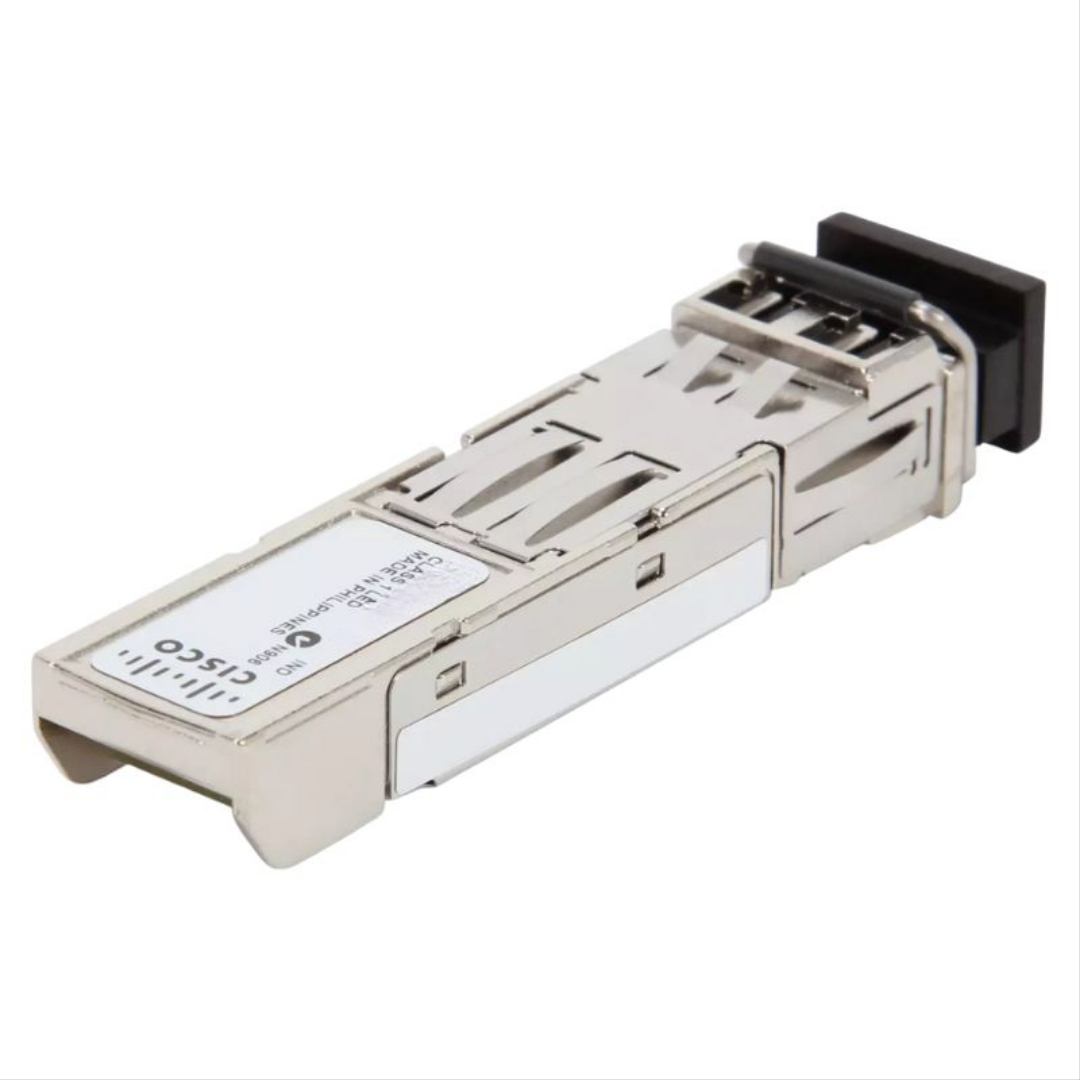


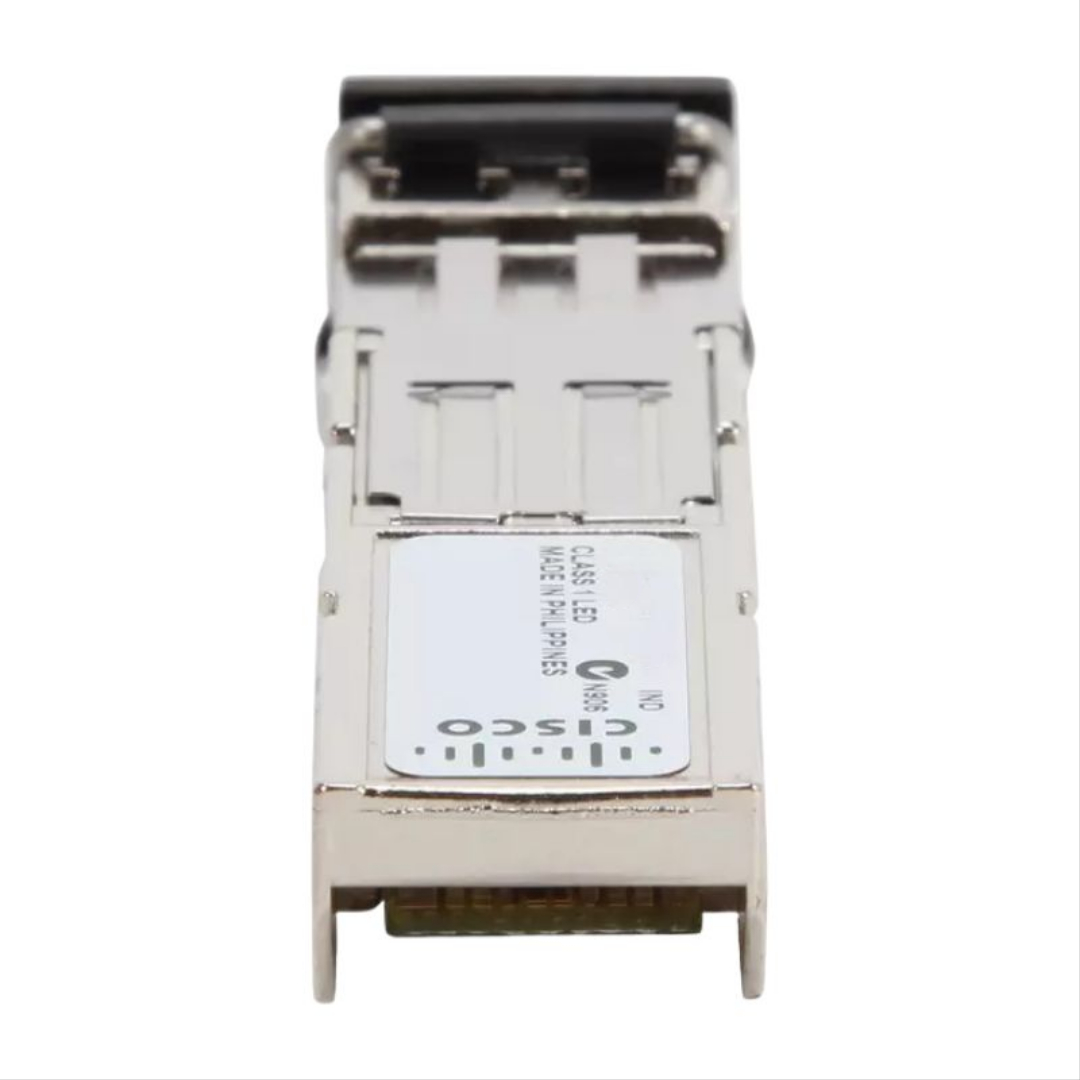
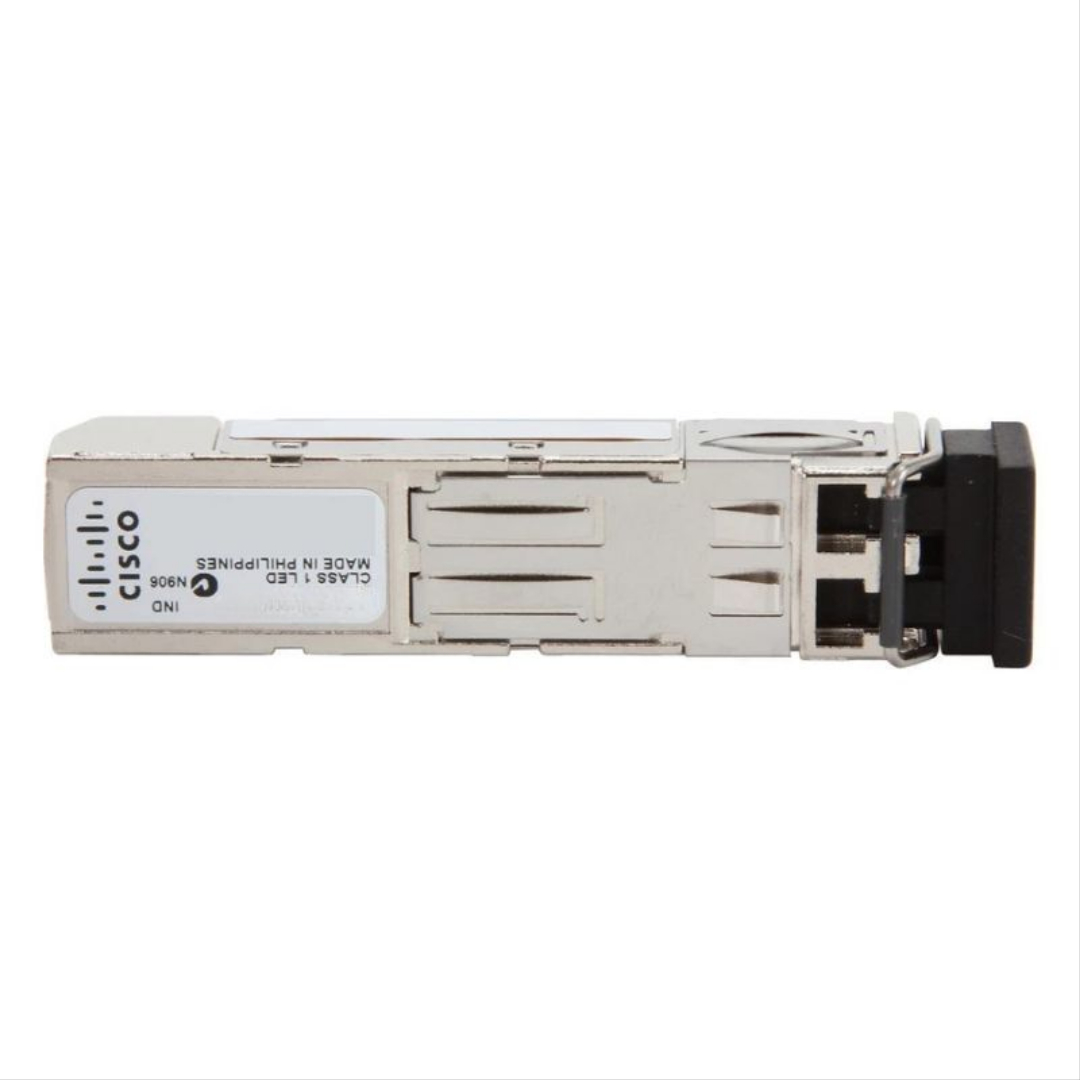
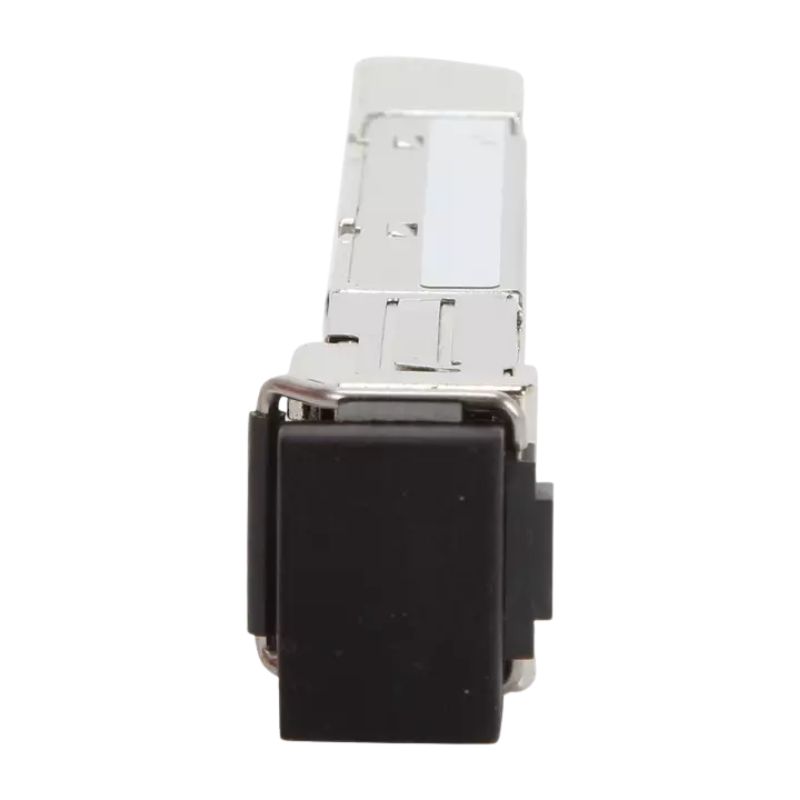
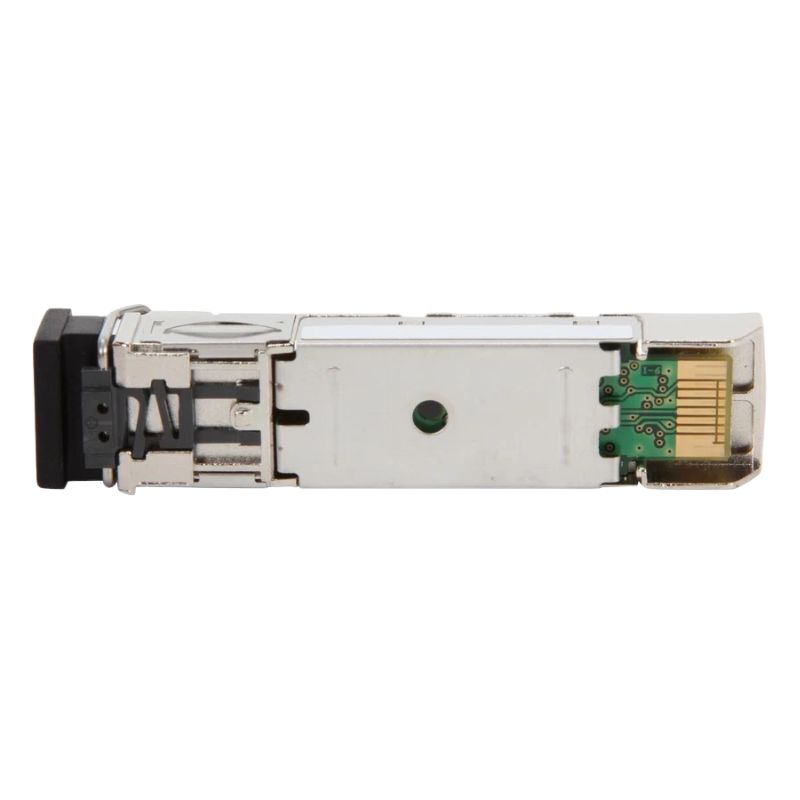
Cisco GLC-FE-100LX-RGD Connector Transceiver Module. Excellent Refurbished with 1 year replacement warranty
| SKU/MPN | Warranty | Price | Condition | You save |
|---|---|---|---|---|
| GLC-FE-100LX-RGD | 1 Year Warranty | $196.00 | Excellent Refurbished | You save: $68.60 (26%) |
| GLC-FE-100LX-RGD | 1 Year Warranty | $222.00 | Factory-Sealed New Retail in Original Box (FSB) | You save: $77.70 (26%) |
The Cisco GLC-FE-100LX-RGD is a ruggedized 100BASE-LX SFP transceiver module engineered for dependable Fast Ethernet fiber connectivity in demanding network environments. Designed as a compact plug-in Mini-GBIC, this module supports wired data transmission over single-mode fiber and uses a 1310 nm optical wavelength to deliver stable long-distance communication. It is a strong fit for industrial networking, enterprise edge deployments, and infrastructure environments where durability, signal integrity, and consistent 100 Mbps optical performance matter. With its LC duplex interface and support for distances of up to 6.2 miles, this Cisco SFP module helps extend Fast Ethernet links efficiently while maintaining compatibility with suitable Cisco networking hardware.
The Cisco GLC-FE-100LX-RGD Connector Transceiver Module belongs to a specialized class of industrial Fast Ethernet optical transceivers built for dependable fiber connectivity in environments where ordinary office-grade networking components are not sufficient. This module is associated with 100BASE-LX10 Fast Ethernet transmission and is designed for single-mode fiber deployments that require stable 100 Mbps optical links over extended distances. It uses a compact small form-factor pluggable design that fits compatible Cisco networking equipment while allowing network architects, field engineers, and infrastructure managers to deploy fiber uplinks without redesigning the switching or routing platform around fixed optical interfaces.
Within enterprise networking and industrial communication infrastructure, the Cisco GLC-FE-100LX-RGD transceiver module fills an important role. It allows compatible Cisco switches, routers, and industrial networking devices to communicate over fiber cabling where electromagnetic interference, physical separation, environmental stress, or distance limitations make copper links less practical. Instead of relying on integrated fixed optical ports, organizations can use pluggable transceiver modules to choose the right optical standard for each segment of the network. This approach improves flexibility, simplifies maintenance planning, and supports long-term infrastructure expansion without forcing a complete hardware replacement.
The GLC-FE-100LX-RGD model is especially relevant in rugged and industrial networking scenarios because it is intended for use in conditions that are more demanding than climate-controlled office networks. Manufacturing plants, transportation systems, utility sites, roadside cabinets, distribution centers, energy facilities, mining operations, port infrastructure, smart city deployments, and remote industrial sites often need durable fiber connectivity that can tolerate temperature variation, vibration exposure, and physically challenging installation environments. In these deployments, the module acts as a compact optical interface that extends Fast Ethernet communication over single-mode fiber while supporting the resilience expected from industrial Cisco networking solutions.
The Cisco GLC-FE-100LX-RGD Connector Transceiver Module belongs to the broader Cisco Fast Ethernet SFP category, a product family created to support 100 Mbps network links across different media types, cable distances, and deployment conditions. In Cisco product ecosystems, Fast Ethernet SFPs typically include multimode and single-mode variants, short-reach and long-reach models, bidirectional optical options, and ruggedized versions intended for industrial hardware. The GLC-FE-100LX-RGD occupies the single-mode, rugged, 100BASE-LX10 portion of that portfolio.
Understanding its place in the category helps buyers choose the correct transceiver for a project. Some Cisco Fast Ethernet transceivers are designed for multimode fiber and shorter links, while others target long-range single-mode applications. Some are built for ordinary commercial temperature ranges, whereas rugged versions are created for harsher environmental conditions. The GLC-FE-100LX-RGD stands out because it combines Fast Ethernet optical transmission, single-mode fiber reach, and rugged deployment suitability in one compact pluggable module.
This makes the module relevant in installations where Gigabit bandwidth is not required or where legacy industrial systems still operate on Fast Ethernet infrastructure. Many industrial environments continue to use 100 Mbps architectures because the connected devices, automation controllers, monitoring systems, and field networking designs were engineered around Fast Ethernet rather than Gigabit Ethernet. In those cases, a module such as the Cisco GLC-FE-100LX-RGD supports optical uplinks and long-distance connectivity without forcing an unnecessary platform migration to a different signaling standard.
The Cisco GLC-FE-100LX-RGD Connector Transceiver Module is centered around Fast Ethernet optical transmission using the 100BASE-LX10 standard over single-mode fiber. In practical terms, this means the module converts electrical data signals from a compatible Cisco port into optical signals suitable for transmission across fiber cabling, then converts incoming optical signals back into electrical signals for the host device. The small form-factor pluggable design makes the module field-replaceable, allowing installers to insert, remove, or swap the transceiver without replacing the entire networking appliance.
The module is commonly associated with a 1310 nm wavelength and dual LC optical connectors. Single-mode fiber is used because it supports longer transmission distances than multimode fiber in comparable Fast Ethernet optical deployments. The use of single-mode fiber makes the GLC-FE-100LX-RGD a suitable option for inter-building links, plant-wide network extensions, utility infrastructure connections, transportation corridors, perimeter facilities, and industrial campuses where equipment may be separated by significant physical distance.
From a category perspective, the module’s technical value comes from the combination of form factor, media compatibility, optical reach, and environmental suitability. It does not exist in isolation; it exists as a standardized component that must work with a compatible Cisco interface, proper fiber cabling, and an optical endpoint configured for the same transmission characteristics. When these elements align, the transceiver becomes a dependable link-enabling component in a much larger network architecture.
Fast Ethernet remains a valid networking standard in many industrial, embedded, and infrastructure-oriented environments. The Cisco GLC-FE-100LX-RGD is associated with 100BASE-LX10 operation, which is intended for 100 Mbps communication over single-mode fiber. In environments where control systems, field devices, telemetry hardware, legacy industrial endpoints, and specialized Ethernet equipment do not require Gigabit throughput, a 100BASE-LX optical transceiver offers a balanced mix of distance, simplicity, and compatibility.
The importance of 100BASE-LX10 should not be underestimated in sectors where long hardware lifecycles are common. Industrial control networks, transportation infrastructure, utility monitoring systems, and remote automation platforms are often engineered for long service periods, with equipment remaining in operation for years. Replacing every endpoint to move to a higher-speed optical standard may not be practical, economical, or necessary. The Cisco GLC-FE-100LX-RGD category therefore remains relevant because it supports the operational realities of established Fast Ethernet environments while still delivering fiber-based reliability and long-distance reach.
Single-mode fiber is a defining part of this product category. Unlike multimode fiber, which is generally used for shorter optical links, single-mode fiber is chosen for extended distances and for more predictable long-haul optical transmission. The Cisco GLC-FE-100LX-RGD transceiver is designed to work with single-mode fiber in order to deliver approximately 10 km reach in compatible installations. This makes it useful in campus and industrial networks where devices are spread across multiple buildings, yards, substations, production halls, or outdoor sites.
Single-mode fiber also helps reduce susceptibility to electromagnetic interference, which is a major advantage in industrial environments containing heavy machinery, power equipment, motors, drives, or high-voltage infrastructure. By moving data over optical media rather than copper cabling, organizations can create links that are more suitable for electrically noisy environments. The result is improved network stability and a cleaner transmission path for Fast Ethernet communications between Cisco devices and connected infrastructure.
The Cisco GLC-FE-100LX-RGD Connector Transceiver Module is part of the SFP transceiver family, meaning it is compact, modular, and designed for insertion into a compatible SFP slot on supported Cisco hardware. The small form-factor pluggable architecture is one of the reasons this category remains valuable. It allows networking teams to tailor the media type and link characteristics of a device without needing a separate fixed-port hardware variant for every optical requirement.
The module uses dual LC optical connectors, a common connector style in enterprise and industrial fiber networking. LC connectors are valued for their compact size and suitability for dense interface environments where multiple optical ports must fit within limited panel space. In rugged industrial equipment, that compactness can be especially useful because device footprints are often constrained by cabinet dimensions, DIN-rail installation requirements, or compact enclosure designs.
From a maintenance standpoint, a pluggable optical module is also easier to service than a permanently integrated transceiver. If a transceiver fails, if a project needs a different optical reach, or if a network redesign changes the media requirement, the module can be replaced independently of the router or switch. This lowers service complexity and can reduce downtime during field support operations. For integrators building large numbers of similar industrial cabinets or transportation nodes, the ability to standardize around a known Cisco rugged SFP model simplifies deployment documentation and spare parts planning.
The SFP format delivers more than space savings. It supports modularity across different Cisco platforms, enabling one device family to work with multiple transceiver types depending on project requirements. In the case of the Cisco GLC-FE-100LX-RGD, the SFP format means that the optical interface can be selected for rugged Fast Ethernet single-mode links while the host device itself remains flexible enough to support other optical or copper options in different ports or deployments.
This flexibility matters in mixed environments. A single industrial switch might use one port with a short-range multimode transceiver inside a plant, another port with a rugged single-mode transceiver for a long outdoor link, and another connection using copper Ethernet for nearby equipment. The SFP ecosystem makes that level of customization practical. The GLC-FE-100LX-RGD category therefore fits naturally into modular Cisco networking strategies where field adaptability is just as important as baseline connectivity.
One of the strongest reasons to choose the Cisco GLC-FE-100LX-RGD Connector Transceiver Module is its alignment with rugged and industrial networking requirements. Not all transceivers are built for the same environmental profile. In industrial and infrastructure settings, environmental tolerance is not a luxury feature; it is a design requirement that directly affects uptime, maintenance cost, and long-term reliability.
Rugged networking hardware is commonly deployed in settings where temperature can fluctuate significantly, where airborne dust or contaminants may be present, where equipment is installed in outdoor or semi-outdoor cabinets, or where vibration from vehicles, machinery, or industrial operations can affect hardware over time. In these environments, choosing a commercial-only transceiver may create avoidable risk. The Cisco GLC-FE-100LX-RGD category is intended to address that gap by providing a rugged optical interface suitable for use alongside Cisco industrial switches and routers.
Industrial network operators often manage assets that are physically dispersed and difficult to reach quickly. A transceiver failure at a remote transportation cabinet, a utility substation, or an edge manufacturing location can disrupt monitoring, communications, or control data. Selecting a rugged transceiver category reduces the likelihood that environmental stress will become the weak point in the network. This is especially important for infrastructure operators who maintain service-level expectations across many remote sites with limited on-site technical staffing.
Temperature tolerance is one of the defining concerns in rugged networking. Networking equipment installed outdoors or in industrial facilities may face heat buildup in enclosures, low overnight temperatures, seasonal extremes, and thermal cycling caused by changing operating conditions. A rugged transceiver category such as the Cisco GLC-FE-100LX-RGD is attractive because it is aligned with industrial temperature operation expectations found in Cisco rugged networking platforms.
This gives engineers confidence when specifying optical links for transportation systems, energy facilities, industrial automation cabinets, and utility networks. Instead of treating the transceiver as an afterthought, they can align the optical module with the environmental rating strategy of the host platform. The result is a more coherent infrastructure design in which the switch, router, and pluggable optics are selected as parts of a complete industrial networking solution rather than as unrelated components.
Edge locations often have fewer environmental protections than centralized data rooms. Cabinets may be mounted near tracks, roadways, plant equipment, pipelines, substations, or utility assets. These sites may experience dust, vibration, intermittent maintenance windows, and challenging access conditions. The Cisco GLC-FE-100LX-RGD category is therefore particularly relevant to infrastructure owners who need compact fiber transceivers that align with rugged deployment scenarios and long operational lifecycles.
By using fiber connectivity, these sites can benefit from electrical isolation, distance support, and reduced sensitivity to electromagnetic interference. By using a ruggedized transceiver variant, they add an additional layer of practical durability to the optical link itself. This combination makes the category valuable in operational technology environments where network reliability supports safety, visibility, and business continuity.
The Cisco GLC-FE-100LX-RGD Connector Transceiver Module can be used in a wide variety of Fast Ethernet optical topologies. Although the specific design depends on the host device and site layout, the category is commonly associated with uplinks, aggregation links, control network backbones, remote equipment interconnects, and secure fiber runs between industrial or infrastructure locations. Its 100 Mbps single-mode design makes it appropriate for deterministic communication environments where moderate bandwidth, long reach, and ruggedness are more important than maximizing throughput.
One common use case is the industrial ring or linear network. In manufacturing or process environments, multiple industrial switches may connect controllers, HMIs, sensors, cameras, and field systems. A rugged single-mode transceiver can provide the optical uplink between production zones, control rooms, and remote process areas. Another common design is the transportation corridor network, where traffic systems, signaling equipment, station infrastructure, or roadside cabinets must be connected over fiber back to a control center or aggregation node.
Utility and energy networks also benefit from this type of transceiver. Electrical substations, renewable energy sites, pumping stations, and remote telemetry assets frequently use industrial networking hardware with optical uplinks. In such cases, the Cisco GLC-FE-100LX-RGD module becomes the small but critical component that enables the long-distance fiber path carrying monitoring data, control traffic, alarms, and management communications.
Not every deployment of the GLC-FE-100LX-RGD occurs in a heavy industrial setting. The module is also useful for campus-style networks where a Cisco industrial switch or router must connect to another building, warehouse, security checkpoint, utility room, or edge cabinet over single-mode fiber. A 10 km Fast Ethernet optical capability is more than enough for many campus and municipal layouts, making the transceiver suitable for smart building infrastructure, warehouse distribution networks, educational facilities with industrial edge hardware, and public sector installations.
Because the module uses single-mode fiber, it can support longer outdoor runs and building-to-building connectivity without the distance constraints of multimode options. This makes it practical for organizations that need to extend operational networks beyond a central communications room and into physically separate facilities or remote perimeter assets.
In industrial automation, not every network requires Gigabit throughput. Many programmable logic controllers, remote I/O devices, protocol gateways, and monitoring systems exchange relatively small amounts of critical data. What matters more is reliability, deterministic communication behavior, and survivability in industrial conditions. The Cisco GLC-FE-100LX-RGD transceiver category aligns well with these priorities because it provides fiber-based Fast Ethernet connectivity without forcing a redesign of the existing control network architecture.
In these environments, the transceiver may be used to connect control panels across a plant, link production cells to a central industrial switch, or provide a fiber path from an outdoor process area to an indoor control room. It can also be used where electrical isolation is important, such as around high-power equipment or in facilities where long copper runs would be more vulnerable to interference and grounding complications.
A major advantage of selecting a Cisco-branded transceiver module is ecosystem alignment. The Cisco GLC-FE-100LX-RGD Connector Transceiver Module is intended for compatible Cisco platforms that support rugged or industrial SFP modules. In practice, this gives customers a clearer path to validated hardware combinations, documented support matrices, and deployment guidance that is easier to verify than with generic optics of uncertain origin.
Compatibility matters because an optical transceiver must operate not only at the correct wavelength and media type, but also within the electrical, thermal, and firmware expectations of the host platform. In industrial environments, this becomes even more important. Network operators want confidence that the switch or router recognizes the module correctly, that the optical interface behaves as expected, and that the deployment remains supportable over the life of the installation.
Using a Cisco-compatible rugged transceiver can also simplify procurement and maintenance for organizations that standardize on Cisco infrastructure. The same purchasing framework, support relationships, documentation approach, and lifecycle planning methods used for routers and switches can extend to the optical transceiver layer. This may seem like a small administrative detail, but across a large industrial estate it can significantly reduce operational friction.
Standardization is a major goal in enterprise and industrial infrastructure design. When organizations use the same transceiver family across multiple projects, they can reduce spare inventory complexity, shorten installation training time, and make field troubleshooting more predictable. The Cisco GLC-FE-100LX-RGD category supports this strategy by giving customers a rugged Fast Ethernet optical option that fits naturally within Cisco industrial networking portfolios.
For systems integrators, this is equally important. Reusing a validated Cisco rugged transceiver model across transportation cabinets, plant networks, utility substations, or municipal infrastructure projects helps streamline engineering templates and bill-of-material structures. It also simplifies documentation for future maintenance teams who must understand exactly what optics were deployed at each site.
Although modern networking conversations often focus on Gigabit and multi-gigabit speeds, Fast Ethernet over fiber remains a highly relevant design choice in many rugged applications. The Cisco GLC-FE-100LX-RGD Connector Transceiver Module demonstrates why. In industrial and infrastructure environments, the most important performance metrics are not always raw bandwidth. Network designers often care more about signal integrity, reach, compatibility with existing equipment, environmental suitability, and predictable operational behavior.
Fiber-based Fast Ethernet offers several practical benefits in these scenarios. It enables long-distance communication without the attenuation and electromagnetic limitations of copper. It supports electrical isolation between devices in different buildings or power domains. It helps maintain stable links in noisy industrial settings. It also fits well with legacy and long-life equipment that was designed around 100 Mbps Ethernet rather than around Gigabit standards.
For many operational technology networks, surveillance backbones, telemetry links, and industrial control systems, 100 Mbps is entirely adequate. The more important requirement is that the connection be reliable every day, in every season, under real-world field conditions. The Cisco GLC-FE-100LX-RGD category is therefore less about chasing maximum throughput and more about delivering the right optical characteristics for a durable, supportable, and field-proven infrastructure link.
Industrial environments frequently contain sources of electrical noise that can degrade copper Ethernet links or complicate long-distance grounding strategies. Motors, generators, switchgear, heavy machinery, industrial drives, and power distribution equipment all contribute to challenging electromagnetic conditions. Fiber links help address these concerns because they do not conduct electrical current in the same way copper cabling does. The Cisco GLC-FE-100LX-RGD module, by enabling single-mode fiber communication, contributes to a network design that is naturally more resistant to electromagnetic interference.
This is particularly important in utilities, manufacturing, transportation, and energy facilities where network stability may influence visibility, safety, and control decisions. By using fiber and a rugged transceiver, organizations can improve link resilience while reducing some of the electrical complications associated with long copper runs between industrial zones or remote assets.


 Contact Us
 Information
 Catalog
 Solid State Drives (SSD)
 Network Switches
 Hard Disk Drives
 HBA & Controllers
 PC & Servers
 PC & Server Memory
 CPU & Processors
 Network Routers
 Power Supplies
 Tape Drives & Libraries
 Network Devices
 Computer & Network Cables