(7% discount is applied at checkout)
Cart is empty
Your go-to destination for cutting-edge server products
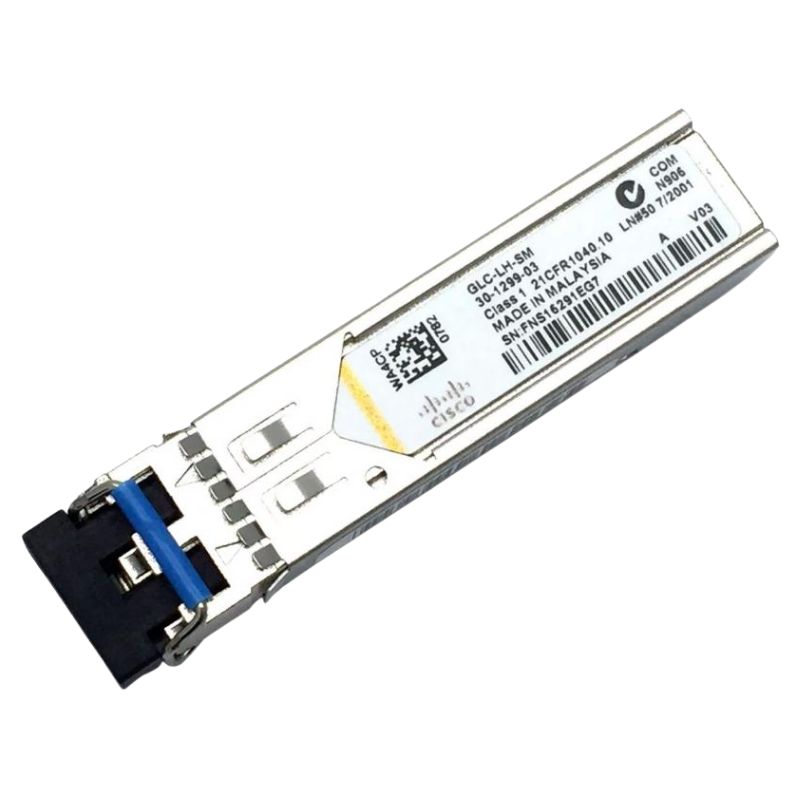


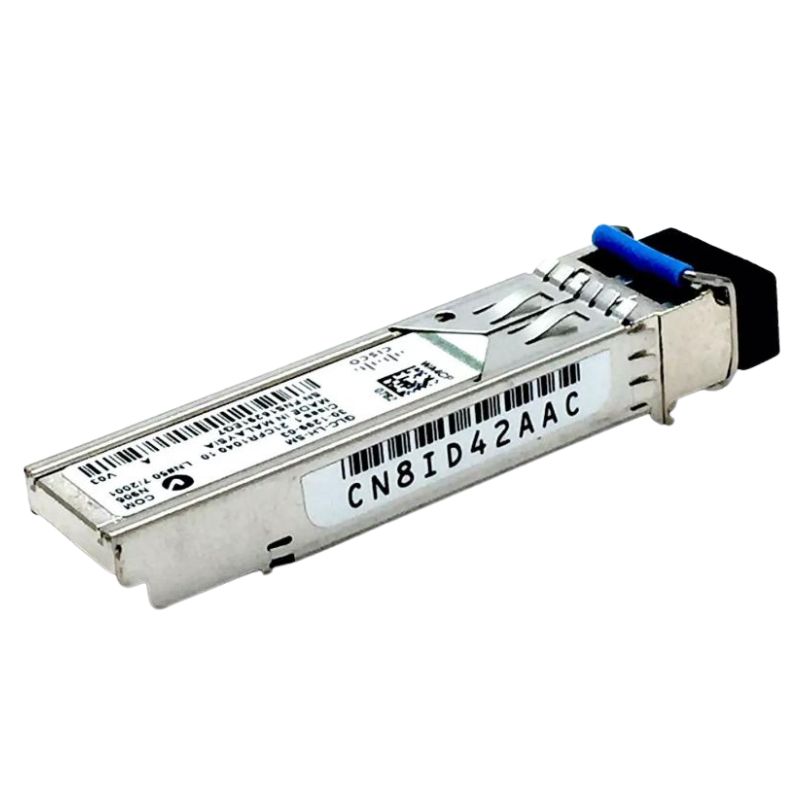
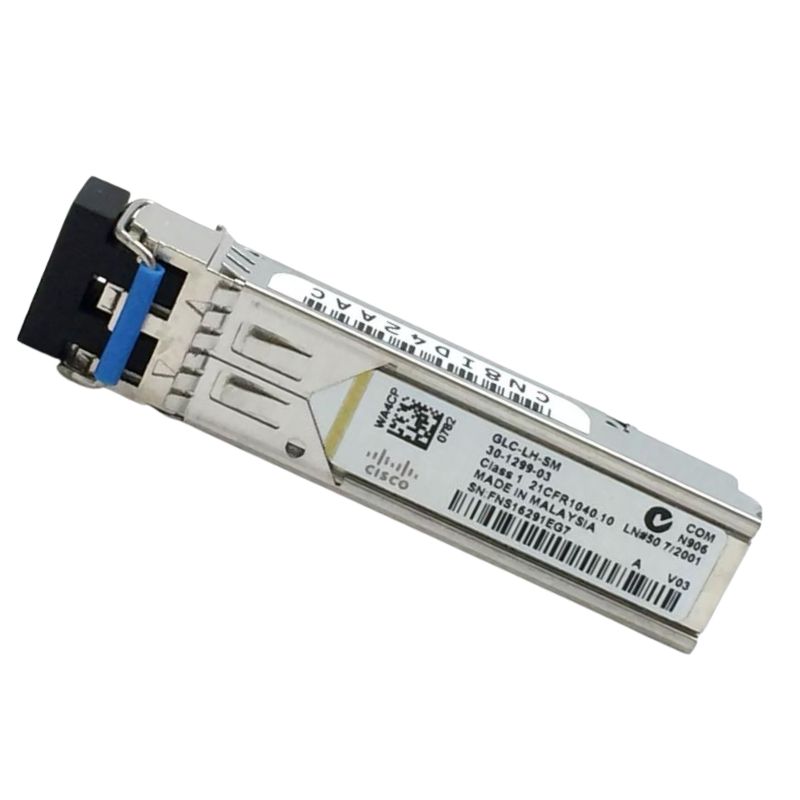
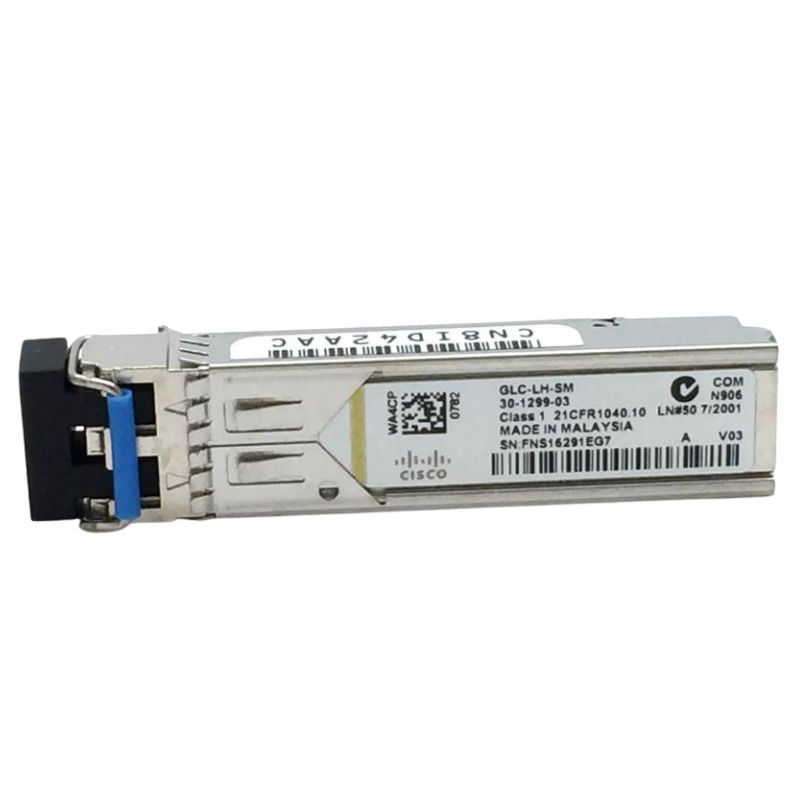
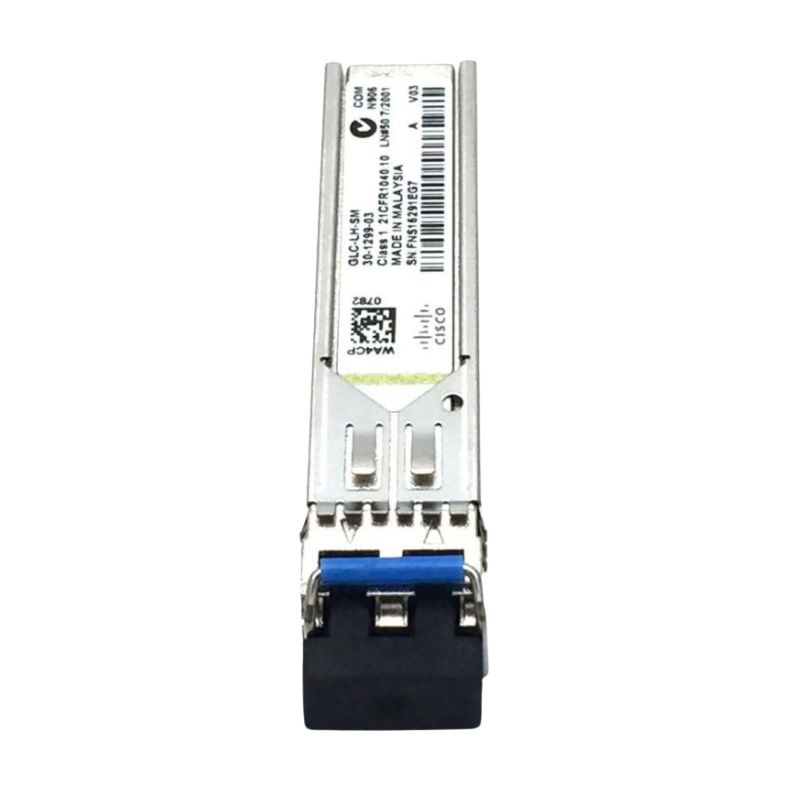
Cisco 30-1299-03 1000BASE-LX/LH SFP(Mini-GBIC) Transceiver Module. Factory-Sealed New in Original Box (FSB) with 1 year replacement warranty
| SKU/MPN | Warranty | Price | Condition | You save |
|---|---|---|---|---|
| 30-1299-03 | 1 Year Warranty | $52.00 | Excellent Refurbished | You save: $18.20 (26%) |
| 30-1299-03 | 1 Year Warranty | $138.00 | Factory-Sealed New Retail in Original Box (FSB) | You save: $48.30 (26%) |
The Cisco 30-1299-03 1000BASE-LX/LH SFP (Small Form-Factor Pluggable) transceiver module is a high-performance optical networking component designed to deliver reliable Gigabit Ethernet connectivity over both short and long-distance fiber optic links. Engineered for scalability, efficiency, and seamless integration, this module is widely used in enterprise networks, data centers, and service provider infrastructures requiring stable and high-speed data transmission.
The Cisco 30-1299-03 1000BASE-LX/LH SFP (Small Form-factor Pluggable) transceiver module is a high-performance optical networking component designed for enterprise-grade, service provider, and data center environments. This module belongs to Cisco’s widely adopted SFP family, engineered to deliver reliable Gigabit Ethernet connectivity over long distances using single-mode optical fiber infrastructure. The 1000BASE-LX/LH specification ensures compatibility with both long-haul and long-wavelength optical transmission requirements, making it a versatile solution for modern networking architectures that demand stability, scalability, and consistent throughput.
This transceiver is widely implemented in switches, routers, and network interface devices that require modular optical interfaces. It enables seamless fiber-optic communication while maintaining hot-swappable functionality, allowing IT administrators to install or replace modules without disrupting network operations. Its compact Mini-GBIC form factor contributes to space efficiency in high-density networking equipment, which is critical in large-scale enterprise deployments.
The Cisco 30-1299-03 SFP module operates using laser-based optical transmission technology optimized for 1310 nm wavelength operation. This wavelength is selected for its optimal balance between distance coverage and signal integrity when transmitted over single-mode fiber. The design allows for stable Gigabit Ethernet communication across extended distances, typically reaching up to 10 kilometers on standard single-mode fiber, and even further in engineered network environments with premium fiber infrastructure.
The optical transmitter inside the module is designed to minimize dispersion and attenuation, ensuring that signal degradation remains within acceptable thresholds even in complex routing environments. This makes the module particularly suitable for backbone network links, campus interconnects, and metropolitan area network segments.
The receiver component in the Cisco 30-1299-03 module is engineered for high sensitivity, enabling accurate interpretation of low-power optical signals over long distances. Advanced photodiode technology ensures that incoming light signals are efficiently converted into electrical signals with minimal noise interference. Integrated signal conditioning circuits further enhance data integrity by reducing jitter and improving bit error performance.
This combination of optical precision and electronic signal stabilization ensures that the module maintains consistent throughput performance even under varying environmental conditions, including temperature fluctuations and electromagnetic interference.
One of the defining characteristics of the SFP architecture is its hot-swappable capability. The Cisco 30-1299-03 module can be inserted or removed from compatible networking devices without powering down the system. This design significantly reduces downtime during maintenance operations and allows for flexible network expansion.
The hot-pluggable interface is supported through standardized electrical connectors that ensure safe insertion and removal. The module automatically initializes upon connection, negotiating link parameters with the host device to establish a stable network link.
The 1000BASE-LX/LH standard defines Gigabit Ethernet transmission over optical fiber at a nominal rate of 1.25 Gbps signaling speed, supporting effective data throughput of 1 Gbps. This makes the Cisco 30-1299-03 module suitable for bandwidth-intensive applications such as data replication, virtualization traffic, cloud service interconnects, and enterprise backbone routing.
Its consistent performance ensures low latency and high reliability, which are critical factors for modern network architectures that depend on real-time data processing and uninterrupted service availability.
The LX/LH designation refers to long-wavelength operation, which is essential for achieving extended transmission distances. By utilizing 1310 nm wavelength lasers, the module minimizes chromatic dispersion, enabling more stable signal propagation across fiber links.
This efficiency allows network engineers to design scalable infrastructures without requiring frequent signal regeneration or intermediate amplification, thereby reducing both operational complexity and cost.
Although primarily optimized for single-mode fiber applications, the Cisco 30-1299-03 SFP module can also function over multimode fiber in specific configurations using mode-conditioning patch cords. This flexibility allows organizations to integrate the module into existing fiber infrastructures without requiring immediate full-scale upgrades.
Such adaptability is particularly valuable in transitional network environments where legacy multimode installations coexist with modern single-mode deployments.
In enterprise environments, the Cisco 30-1299-03 SFP module is commonly deployed within core switching layers where high-speed data aggregation is required. It facilitates inter-switch communication across building campuses or multiple floors within corporate infrastructure.
Its ability to maintain stable connectivity over long distances makes it ideal for linking distributed network closets and central data aggregation points without compromising performance.
Modern data centers rely heavily on modular optical transceivers for scalable connectivity. The Cisco 30-1299-03 module supports inter-rack and inter-row communication, enabling efficient traffic flow between servers, storage systems, and virtualization clusters.
Its low latency and high reliability contribute to improved workload distribution and enhanced system resilience in high-demand computing environments.
Service providers frequently utilize 1000BASE-LX/LH SFP modules for metropolitan area network (MAN) connectivity. The Cisco 30-1299-03 supports extended reach requirements that are essential for connecting geographically dispersed network nodes within urban infrastructure.
This capability enables efficient data transport between corporate branches, service hubs, and regional data centers, ensuring consistent service delivery across large geographic regions.
The Mini-GBIC design of the Cisco 30-1299-03 module is optimized for high-density network equipment. Its small footprint allows multiple modules to be installed side by side within switches and routers without consuming excessive physical space.
This compact structure is particularly beneficial in environments where port density is a critical design factor, such as modular chassis-based switches and blade server networking systems.
The module is constructed using robust metal housing that provides both electromagnetic shielding and physical durability. This ensures reliable operation in demanding industrial and enterprise environments where electrical noise and physical wear could otherwise affect performance.
Integrated thermal management design allows the module to dissipate heat efficiently during continuous operation. This contributes to long-term reliability and reduces the risk of overheating in high-density deployments.
The LC duplex fiber connector interface used in the Cisco 30-1299-03 module ensures precise optical alignment between transmitting and receiving fibers. This minimizes signal loss and improves overall transmission efficiency.
The secure latch mechanism prevents accidental disconnection, ensuring stable connectivity even in environments subject to vibration or frequent maintenance activity.
The Cisco 30-1299-03 SFP module incorporates advanced error correction and signal optimization techniques to maintain data integrity across long-distance transmissions. By minimizing bit error rates, the module ensures that network communication remains accurate and reliable even under challenging conditions.
This is especially important in mission-critical environments such as financial systems, healthcare networks, and cloud infrastructure services.
Low-latency performance is a core requirement in modern networking, and this module is engineered to reduce transmission delays. Its optimized optical-electrical conversion process ensures minimal processing overhead, allowing data packets to move quickly across network segments.
This efficiency supports real-time applications such as VoIP communication, video conferencing, and high-frequency trading systems.
The Cisco 30-1299-03 module is designed to operate within a broad temperature range, making it suitable for both controlled data center environments and less predictable industrial installations. Its resilience ensures stable performance despite environmental fluctuations.
This adaptability contributes to reduced maintenance requirements and improved long-term operational stability.
The modular nature of SFP transceivers allows network architects to design scalable infrastructures that can evolve over time. The Cisco 30-1299-03 module supports incremental expansion strategies, enabling organizations to increase network capacity without replacing entire hardware systems.
This scalability is essential for growing enterprises that require flexible and cost-effective networking solutions.
As part of Cisco’s ecosystem, the 30-1299-03 module is optimized for compatibility with a wide range of Cisco switches and routers. This ensures seamless integration, simplified configuration, and reduced compatibility issues during deployment.
The standardized SFP interface also allows for interoperability with other compliant networking systems, provided that optical and protocol specifications are aligned.
The hot-swappable design and durable construction of the module contribute to reduced maintenance overhead. Network administrators can replace or upgrade modules without extensive downtime, ensuring continuous service availability.
This lifecycle efficiency is a key advantage in large-scale deployments where operational continuity is critical.
The Cisco 30-1299-03 SFP module supports efficient bandwidth utilization, enabling organizations to handle increasing data traffic demands. Its Gigabit Ethernet capability ensures that modern applications, including cloud computing and big data analytics, operate without bottlenecks.
This optimization enhances overall network productivity and user experience across distributed systems.
Even as networking technologies evolve, the 1000BASE-LX/LH standard remains relevant due to its reliability and widespread adoption. The Cisco 30-1299-03 module provides a stable foundation for hybrid infrastructures that combine legacy systems with newer high-speed technologies.
This future-ready capability ensures long-term value for organizations investing in scalable optical networking solutions.
Optical transceivers such as the Cisco 30-1299-03 are designed for low power consumption compared to alternative transmission technologies. This contributes to reduced energy costs in large-scale deployments where hundreds or thousands of modules may be in operation.
Lower power usage also reduces thermal output, improving overall system efficiency and sustainability.
Cisco ensures that each 30-1299-03 SFP module undergoes rigorous manufacturing and testing procedures. These processes guarantee consistent optical performance, mechanical durability, and compliance with industry standards.
High-precision assembly techniques are used to align optical components accurately, ensuring maximum signal efficiency and reliability.
The module adheres to established Gigabit Ethernet and optical networking standards, ensuring compatibility with a wide range of networking equipment. This compliance is essential for maintaining interoperability in complex multi-vendor environments.
Adherence to standards also ensures predictable performance characteristics, simplifying network design and troubleshooting processes.
Each module is subjected to extensive testing under simulated operational conditions. This includes stress testing for temperature variation, signal degradation analysis, and long-duration performance validation.
These quality control measures ensure that the Cisco 30-1299-03 module delivers consistent performance throughout its operational lifecycle.


 Contact Us
 Information
 Catalog
 Solid State Drives (SSD)
 Network Switches
 Hard Disk Drives
 HBA & Controllers
 PC & Servers
 PC & Server Memory
 CPU & Processors
 Network Routers
 Power Supplies
 Tape Drives & Libraries
 Network Devices
 Computer & Network Cables