(7% discount is applied at checkout)
Cart is empty
Your go-to destination for cutting-edge server products
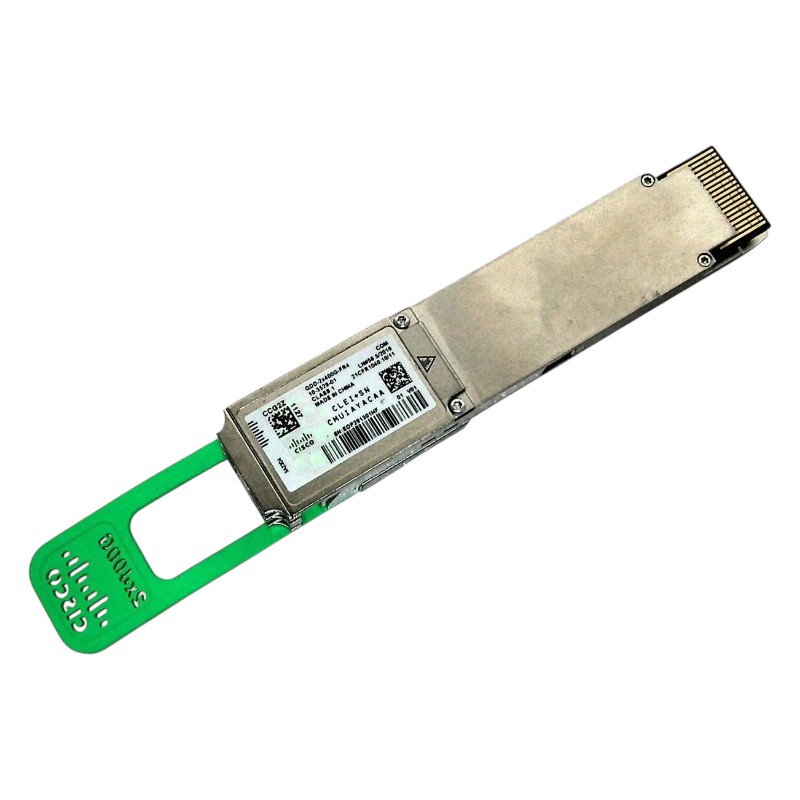


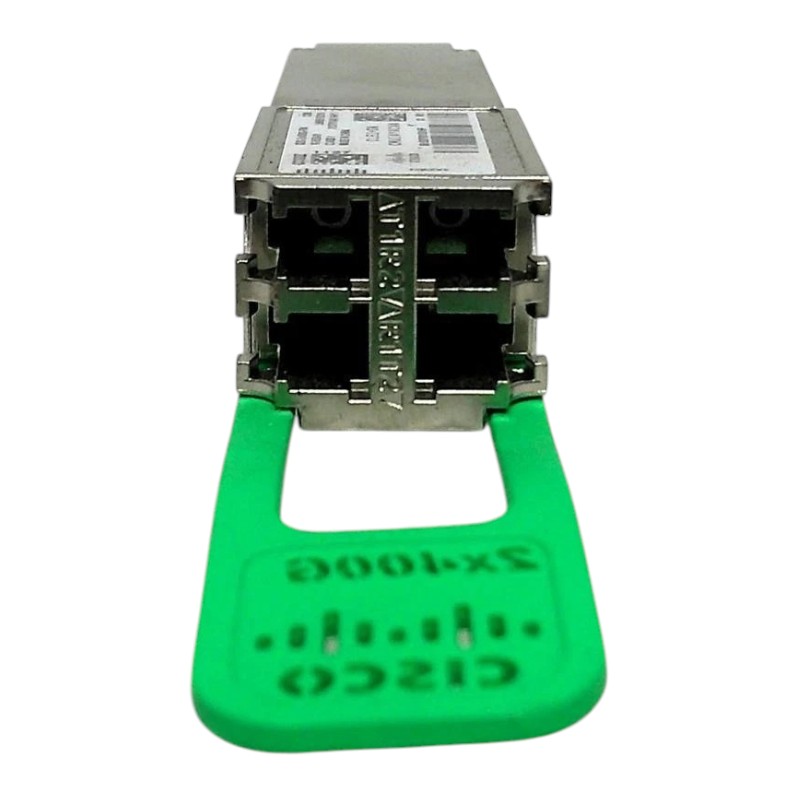
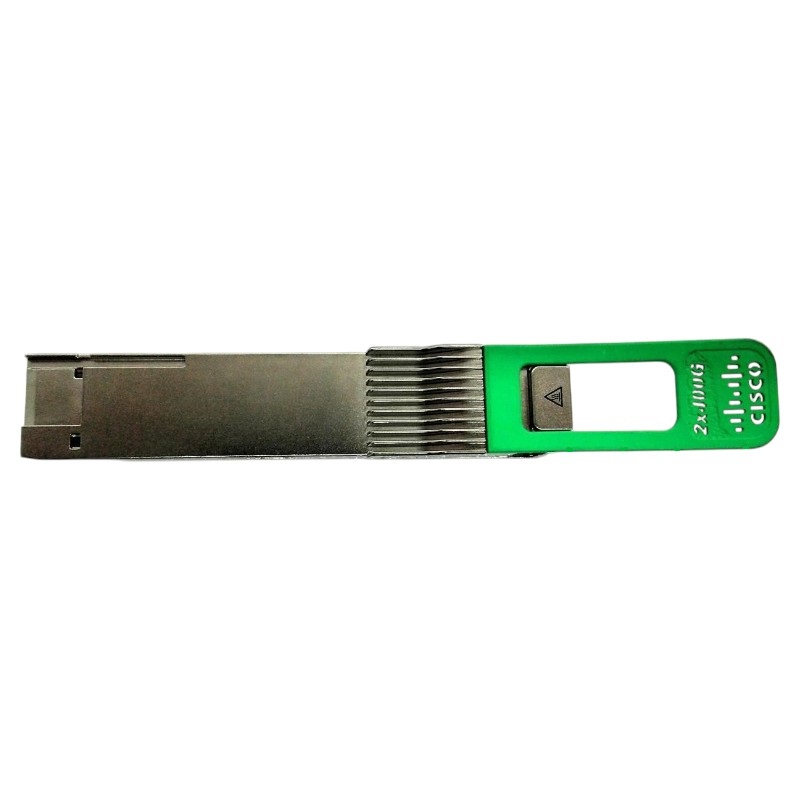
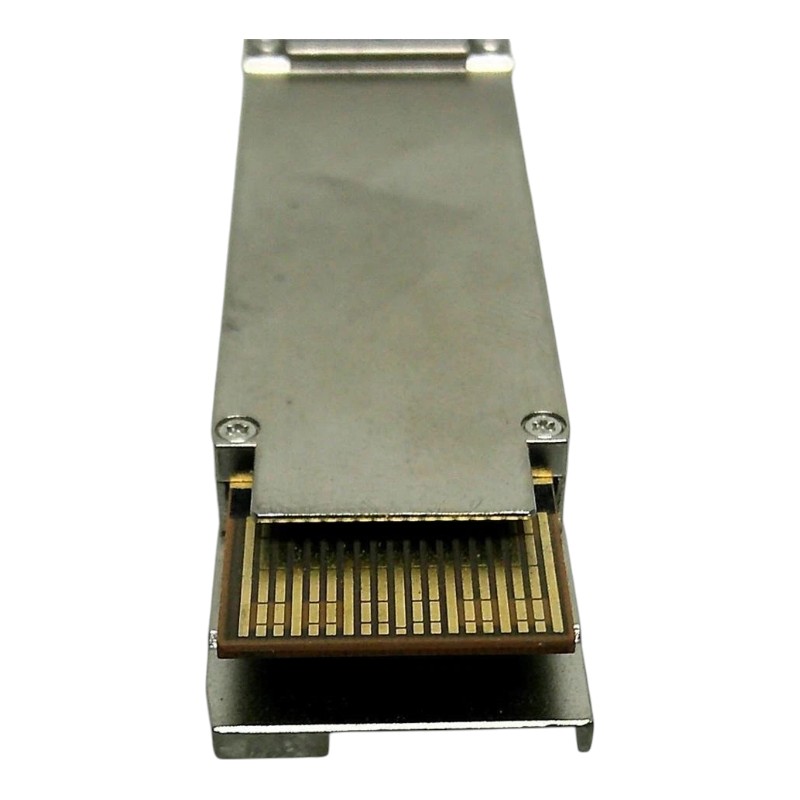
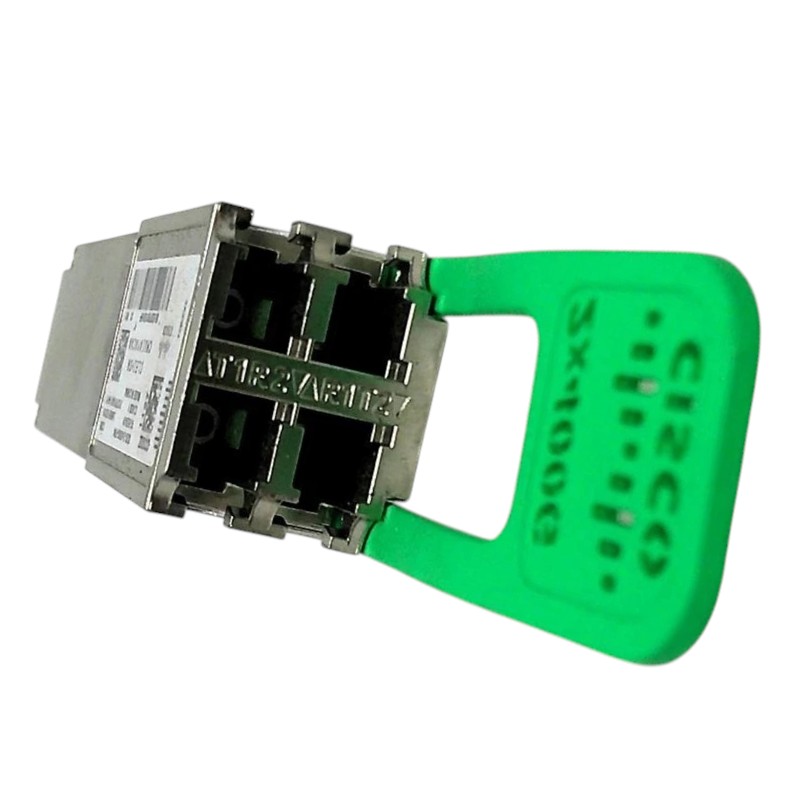
Cisco QDD-2X400G-FR4 800 Gigabit Ethernet Qsfp-dd 2x400g-fr4, 2-km Duplex SMF Transceiver. Factory-Sealed New in Original Box (FSB) with 1-Year Replacement Warranty
The Cisco QDD-2X400G-FR4 is a next-generation 800 Gigabit Ethernet transceiver designed for high-capacity data transmission. This QSFP-DD 2x400G-FR4 module delivers exceptional performance over single-mode fiber, making it ideal for advanced networking infrastructures and optical communication systems.
The Cisco QDD-2X400G-FR4 800 Gigabit Ethernet QSFP-DD 2x400G-FR4 optical transceiver is engineered for modern hyperscale networking infrastructures that demand ultra-high bandwidth, low latency, and long-distance optical connectivity. Built around advanced QSFP-DD technology, this transceiver supports dual 400 Gigabit Ethernet channels while enabling efficient 800G aggregation across enterprise, service provider, and cloud environments. The module is optimized for duplex single-mode fiber applications and supports transmission distances up to 2 kilometers, making it suitable for data center interconnects, campus backbone deployments, and high-capacity aggregation layers.
The design of the Cisco QDD-2X400G-FR4 module incorporates dense optical integration with high-speed PAM4 signaling technology. This architecture allows network operators to maximize throughput while minimizing physical rack space, cable congestion, and power consumption. The optical engine is developed to support scalable migration strategies from 100G and 400G environments toward next-generation 800G Ethernet ecosystems.
Modern cloud infrastructures rely heavily on optical transport systems that can deliver high reliability and low operational overhead. The Cisco QDD-2X400G-FR4 optical transceiver provides this capability by integrating advanced digital diagnostics, thermal monitoring, intelligent signal conditioning, and optimized forward error correction compatibility. These features improve signal integrity and ensure stable network operation under demanding workloads.
The QSFP-DD form factor delivers exceptional port density for modern switching and routing platforms. Compared with earlier QSFP and CFP technologies, the QSFP-DD standard provides greater lane scalability and significantly improved bandwidth efficiency. Cisco designed this transceiver to align with evolving Ethernet standards while maintaining compatibility with high-performance data center architectures.
The compact dimensions of the QSFP-DD module allow network administrators to deploy larger numbers of high-speed ports within the same rack footprint. This capability is particularly important in hyperscale facilities where maximizing switching capacity per rack unit is essential. The compact optical module also contributes to simplified airflow management and thermal optimization.
QSFP-DD technology introduces double-density electrical interfaces that support increased signal throughput without dramatically increasing power requirements. The Cisco QDD-2X400G-FR4 module leverages this architecture to provide stable and scalable 800G connectivity for next-generation infrastructure deployments.
800 Gigabit Ethernet networking is becoming increasingly important for organizations handling artificial intelligence workloads, machine learning clusters, cloud-native applications, and high-performance computing environments. The Cisco QDD-2X400G-FR4 module supports these demanding applications by delivering exceptional throughput and low transmission latency across optical fiber infrastructures.
The module uses advanced modulation technologies to transmit large volumes of data efficiently over duplex single-mode fiber cabling. This allows network operators to achieve high-density connectivity without requiring excessive cabling complexity or additional infrastructure investment. By supporting two independent 400G channels, the transceiver enables flexible traffic engineering and scalable deployment models.
High-bandwidth Ethernet connectivity is essential for reducing network bottlenecks in modern distributed computing environments. The Cisco QDD-2X400G-FR4 transceiver helps maintain application responsiveness while supporting bandwidth-intensive services such as distributed storage, virtualization, video streaming, and AI-driven analytics.
The 2x400G-FR4 optical design enables efficient dual-channel operation within a single transceiver module. Each 400G FR4 channel uses wavelength division multiplexing technology to transport data over duplex single-mode fiber infrastructure. This design significantly improves fiber utilization while maintaining reliable long-distance communication.
FR4 technology utilizes four optical wavelengths for data transmission, allowing the module to efficiently aggregate multiple high-speed electrical lanes into a streamlined optical interface. The architecture supports stable transmission performance across distances of up to 2 kilometers, which is ideal for inter-building links, metropolitan aggregation points, and enterprise campus environments.
The dual-channel configuration allows organizations to deploy flexible network architectures that support redundancy, segmentation, and traffic balancing. Enterprises can optimize bandwidth allocation while maintaining scalable optical connectivity across high-performance networking infrastructures.
The Cisco QDD-2X400G-FR4 transceiver uses PAM4 signaling technology to achieve higher data rates without requiring additional optical lanes. Pulse amplitude modulation with four signal levels enables greater data transmission efficiency compared with traditional NRZ encoding methods.
PAM4 modulation allows the module to double effective bandwidth capacity while maintaining manageable electrical interface speeds. This efficiency contributes to reduced infrastructure complexity and lower operational costs in large-scale deployments. The technology also supports improved scalability for future Ethernet migration strategies.
Signal integrity is preserved through advanced digital signal processing algorithms integrated into the transceiver hardware. These technologies help compensate for optical attenuation, electrical interference, and transmission impairments that can occur in high-speed networking environments.
Single-mode fiber connectivity remains the preferred solution for high-speed long-distance Ethernet transport. The Cisco QDD-2X400G-FR4 optical transceiver is optimized for duplex SMF infrastructure, providing excellent signal stability and reduced attenuation over extended distances.
Duplex fiber configurations simplify cable management while supporting efficient bidirectional communication. This approach helps organizations maintain structured and scalable cabling systems within enterprise campuses, cloud facilities, and telecommunications infrastructures.
The 2-kilometer transmission range makes the module suitable for data center interconnect applications, distributed cloud environments, and metropolitan optical transport networks. Organizations benefit from reliable high-speed connectivity without requiring excessive optical amplification or additional network equipment.
Hyperscale data centers require extremely high-density networking solutions capable of supporting millions of simultaneous transactions and massive east-west traffic patterns. The Cisco QDD-2X400G-FR4 transceiver is designed specifically for these environments, providing scalable 800G connectivity that supports modern cloud application architectures.
Large-scale cloud facilities depend on low-latency optical communication between compute clusters, storage arrays, and spine-leaf switching infrastructures. The Cisco optical module delivers reliable high-speed transmission while minimizing power consumption and physical space requirements.
The transceiver enables network architects to simplify infrastructure design while maintaining high throughput capacity. Its advanced optical integration supports efficient traffic aggregation and reduced network complexity in dense deployment environments.
Artificial intelligence and machine learning environments generate enormous volumes of east-west traffic between GPU clusters, storage systems, and distributed computing frameworks. The Cisco QDD-2X400G-FR4 transceiver supports these workloads by delivering ultra-fast optical communication with minimal latency.
AI workloads often involve real-time synchronization between processing nodes, requiring deterministic network performance and high-bandwidth connectivity. The 800 Gigabit Ethernet capabilities of this transceiver help eliminate communication bottlenecks while enabling rapid dataset movement across distributed systems.
Machine learning training infrastructures frequently operate across multiple racks or data halls. The 2-kilometer transmission distance supported by the module allows organizations to extend high-speed AI networking beyond individual racks while maintaining exceptional signal integrity.
Cloud providers require scalable optical networking technologies that support virtualization, containerized applications, and multi-tenant architectures. The Cisco QDD-2X400G-FR4 optical module enables efficient bandwidth scaling while reducing overall infrastructure complexity.
Service providers can deploy the transceiver within high-capacity aggregation layers, core switching platforms, and interconnect systems. Its dual 400G architecture supports flexible traffic management and efficient resource utilization across dynamic cloud environments.
The compact QSFP-DD design contributes to improved rack efficiency and simplified operational management. By reducing cabling density and minimizing hardware footprint, organizations can optimize cooling efficiency and lower operational expenses.
The Cisco QDD-2X400G-FR4 transceiver is engineered for seamless integration with Cisco high-performance switching platforms. It supports advanced Ethernet features required for enterprise, cloud, and service provider networking environments.
Cisco networking platforms utilize intelligent software management capabilities that enhance optical module visibility and operational monitoring. Administrators can access detailed diagnostic information, including optical power levels, temperature readings, voltage monitoring, and transmission status indicators.
The integration between Cisco switches and Cisco optical transceivers ensures optimized interoperability and predictable network behavior. This compatibility helps organizations maintain stable infrastructure performance while simplifying deployment and troubleshooting procedures.
Spine-leaf architectures depend on consistent low-latency communication between switching layers. The Cisco QDD-2X400G-FR4 module supports these topologies by delivering scalable 800G optical connectivity across distributed data center fabrics.
High-density switching environments require optical modules that provide reliable thermal performance and efficient airflow compatibility. Cisco engineered this transceiver to operate effectively within demanding high-port-density deployments.
The module enables simplified scalability for growing infrastructures. Organizations can expand switching capacity while preserving efficient cabling layouts and maintaining consistent network performance across large-scale deployments.
Modern enterprise networking strategies require infrastructure investments that support future scalability. The Cisco QDD-2X400G-FR4 transceiver aligns with emerging Ethernet standards and next-generation optical networking requirements.
Forward-compatible optical technologies allow organizations to protect long-term infrastructure investments while simplifying migration strategies toward higher-capacity networking platforms. The QSFP-DD ecosystem continues to evolve, making it a preferred choice for future-ready deployments.
By supporting advanced modulation methods and scalable optical architectures, the Cisco transceiver enables smooth transitions toward evolving bandwidth requirements without requiring complete infrastructure redesigns.
High-speed optical transceivers generate significant thermal loads due to advanced digital signal processing and high-bandwidth optical operations. Cisco designed the QDD-2X400G-FR4 module with optimized thermal characteristics to ensure stable operation within dense networking environments.
The transceiver incorporates efficient heat dissipation materials and precision thermal engineering techniques. These technologies help maintain reliable operating temperatures even within large-scale deployments containing hundreds of high-speed optical interfaces.
Proper thermal management contributes directly to improved component longevity and operational reliability. The module is engineered to support continuous high-performance operation in demanding enterprise and hyperscale facilities.
Power efficiency is a critical factor in modern data center design. The Cisco QDD-2X400G-FR4 transceiver reduces energy consumption through optimized optical circuitry, intelligent signal processing, and compact high-density integration.
Lower power consumption contributes to reduced cooling requirements and improved sustainability metrics. Organizations seeking environmentally responsible networking solutions benefit from the efficiency improvements delivered by modern QSFP-DD optical technologies.
Efficient optical networking hardware also supports lower total cost of ownership. Reduced power demands help organizations control operational expenses while supporting scalable high-bandwidth infrastructure growth.
The Cisco QDD-2X400G-FR4 transceiver includes comprehensive digital optical monitoring capabilities that enhance visibility into real-time operational conditions. Administrators can monitor temperature, optical output power, receive signal strength, voltage levels, and module health metrics.
These diagnostic functions improve proactive maintenance and reduce network downtime. By identifying potential optical degradation before failures occur, organizations can maintain stable network operations and improve infrastructure reliability.
Digital monitoring also simplifies troubleshooting procedures in large-scale deployments. Network engineers can quickly isolate connectivity issues and optimize performance across complex optical transport environments.
Enterprise networking environments demand optical components capable of maintaining stable performance under continuous operation. Cisco designs its optical transceivers to meet stringent quality standards and rigorous reliability testing procedures.
The QDD-2X400G-FR4 module is engineered to withstand demanding operational conditions while delivering consistent high-speed connectivity. The robust construction supports long-term deployment within mission-critical networking infrastructures.
Reliability is particularly important for cloud service providers, financial institutions, research organizations, and telecommunications operators where downtime can result in substantial operational impact. Cisco optical solutions help minimize service interruptions and support business continuity objectives.
Many organizations are transitioning from 100 Gigabit and 400 Gigabit Ethernet infrastructures toward higher-capacity networking architectures. The Cisco QDD-2X400G-FR4 transceiver supports these migration initiatives by enabling flexible 800G deployment strategies.
The dual 400G architecture allows enterprises to consolidate existing optical connections while preparing for future bandwidth growth. This scalability reduces infrastructure fragmentation and simplifies network modernization projects.
Migration strategies often require balancing legacy compatibility with next-generation performance requirements. Cisco optical technologies provide a practical pathway for organizations expanding toward ultra-high-speed Ethernet environments.
Bandwidth demand continues to grow due to cloud computing, edge services, AI workloads, and real-time digital applications. Future-proof networking infrastructure requires optical technologies capable of supporting rapidly evolving performance requirements.
The Cisco QDD-2X400G-FR4 module provides a foundation for scalable optical transport systems that can adapt to changing traffic patterns and increasing data volumes. Its advanced architecture supports long-term infrastructure planning and efficient network evolution.
Future-ready transceiver technologies also contribute to improved investment protection. Organizations deploying scalable optical solutions can reduce upgrade frequency while maintaining competitive operational capabilities.
High-speed Ethernet networks require advanced error correction mechanisms to maintain reliable data transmission across optical infrastructures. The Cisco QDD-2X400G-FR4 transceiver supports forward error correction technologies that improve signal stability and reduce transmission errors.
Forward error correction enables reliable operation at extremely high data rates by compensating for transmission impairments and maintaining signal integrity. This capability is essential for stable 800 Gigabit Ethernet communication across extended fiber distances.
Improved error correction performance contributes to reduced packet loss and enhanced application responsiveness. Organizations benefit from stable network performance even during periods of heavy traffic utilization.
Low latency is a critical requirement for distributed applications, cloud services, financial transactions, and AI processing environments. The Cisco QDD-2X400G-FR4 optical transceiver supports ultra-fast communication by minimizing transmission delays and optimizing signal processing efficiency.
High-speed optical interconnects reduce application response times while improving synchronization across distributed computing environments. This capability is particularly important in latency-sensitive infrastructures handling real-time data processing and analytics.
Efficient optical communication also contributes to improved user experiences across cloud applications, streaming services, and enterprise collaboration platforms. The module helps maintain consistent network responsiveness while supporting large-scale traffic loads.
Telecommunications providers require scalable and reliable optical transport solutions capable of supporting high-capacity backbone infrastructures. The Cisco QDD-2X400G-FR4 module delivers carrier-grade Ethernet connectivity optimized for demanding operational environments.
Service providers can utilize the transceiver for metro aggregation, cloud interconnection, and high-speed transport services. Its 2-kilometer reach and dual 400G architecture support flexible deployment scenarios across telecommunications networks.
Carrier-grade optical technologies also require predictable performance characteristics and long-term operational stability. Cisco optical modules are engineered to deliver consistent reliability under continuous high-bandwidth workloads.
Large enterprises increasingly rely on high-capacity backbone infrastructures to support hybrid cloud connectivity, remote collaboration, and distributed application environments. The Cisco QDD-2X400G-FR4 transceiver provides the bandwidth scalability required for these modernization initiatives.
Enterprise network architects can deploy the module within core switching layers, campus aggregation systems, and inter-building optical links. The high-speed Ethernet capabilities help organizations accommodate growing data traffic while maintaining efficient network operations.
Modern enterprise infrastructures also prioritize operational simplicity and centralized management. Cisco optical technologies integrate with intelligent monitoring platforms that improve visibility and simplify infrastructure administration.
High-density networking environments often struggle with cable congestion and airflow restrictions. The Cisco QDD-2X400G-FR4 module helps reduce cabling complexity by consolidating multiple high-speed connections into compact optical interfaces.
Efficient cable management contributes to improved airflow optimization, simplified maintenance procedures, and enhanced rack organization. Organizations benefit from cleaner infrastructure layouts and more manageable deployment environments.
Reducing cable density also improves scalability for expanding data center infrastructures. Network administrators can deploy additional high-speed links without significantly increasing physical infrastructure complexity.
Rack space efficiency is a major consideration for modern enterprise and hyperscale facilities. The compact QSFP-DD design allows organizations to maximize port density while minimizing physical hardware requirements.
Higher port density enables greater bandwidth capacity within smaller deployment footprints. This capability supports efficient scaling for cloud providers, telecommunications operators, and enterprise networking environments.
Optimized rack utilization also contributes to reduced operational costs by improving power efficiency, cooling performance, and infrastructure scalability. The Cisco QDD-2X400G-FR4 transceiver aligns with modern data center efficiency objectives while supporting ultra-high-speed Ethernet connectivity.


 Contact Us
 Information
 Catalog
 Solid State Drives (SSD)
 Network Switches
 Hard Disk Drives
 HBA & Controllers
 PC & Servers
 PC & Server Memory
 CPU & Processors
 Network Routers
 Power Supplies
 Tape Drives & Libraries
 Network Devices
 Computer & Network Cables