(7% discount is applied at checkout)
Cart is empty
Your go-to destination for cutting-edge server products
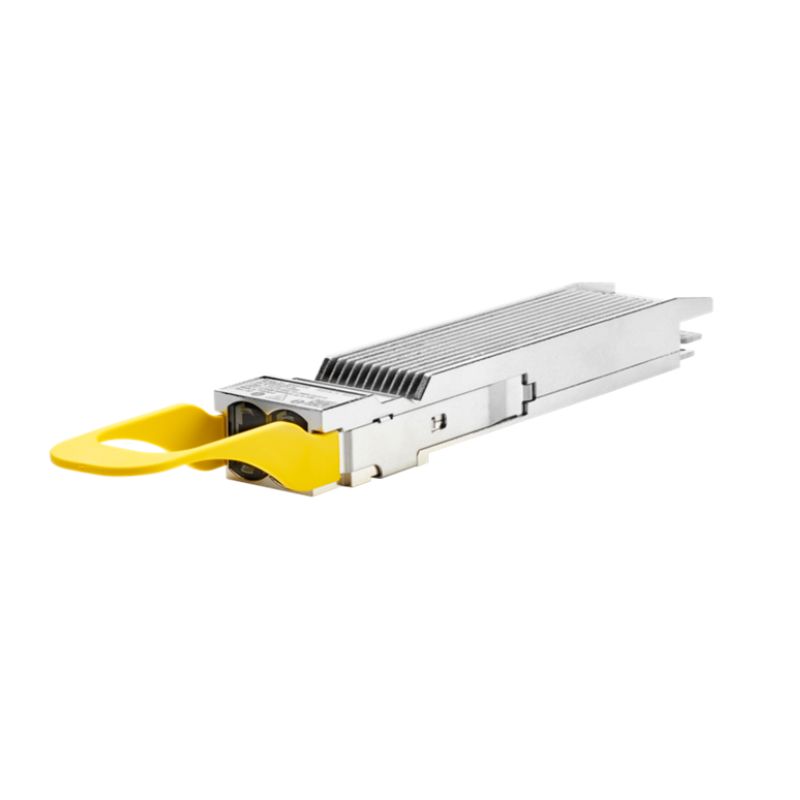


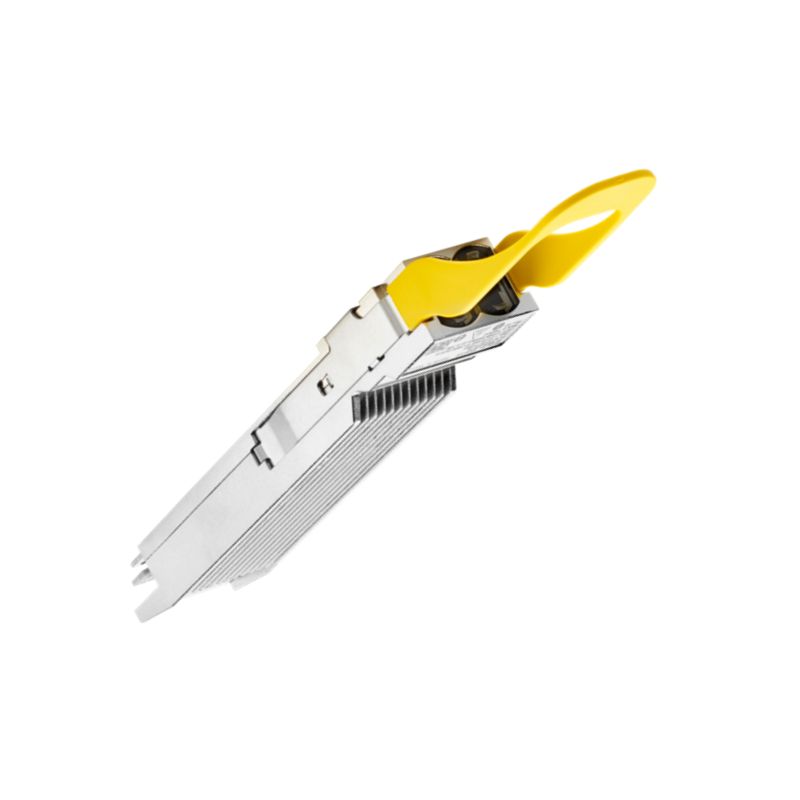
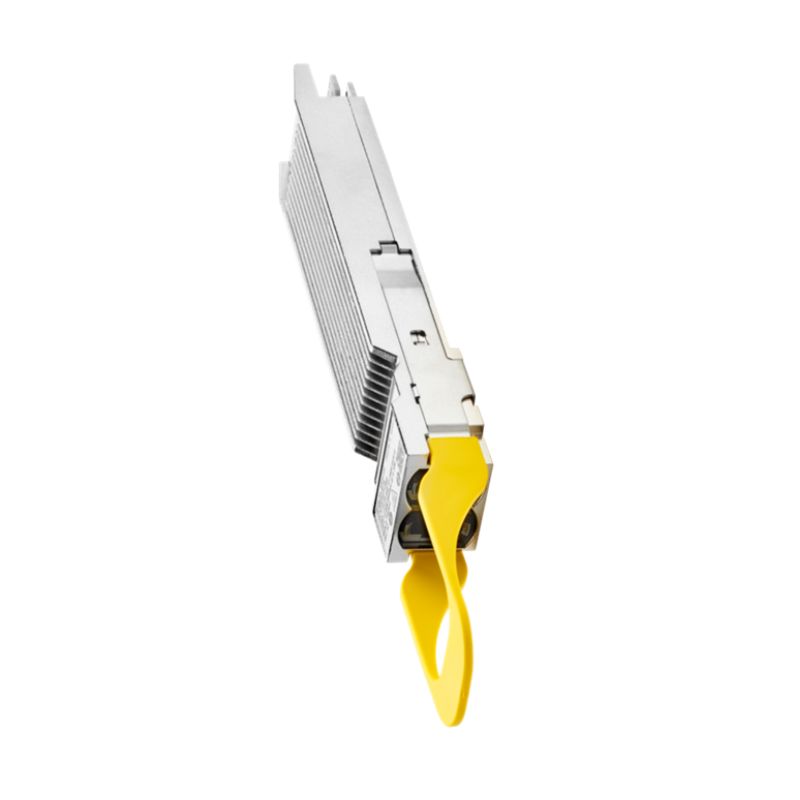
HPE P79923-001 800GbE OSFP 2-port Single-mode 500m InfiniBand XDR/Ethernet Transceiver. New Sealed with 1-Year Replacement Warranty
The HPE P79923-001 is a high-performance 800GbE OSFP transceiver engineered for modern data center, cloud computing, AI infrastructure, high-performance computing (HPC), and enterprise networking environments. Designed to deliver ultra-fast connectivity, this optical module supports dual-port operation and provides reliable single-mode fiber communication across distances of up to 500 meters. Combining InfiniBand XDR and Ethernet networking capabilities, the transceiver enables organizations to build scalable, low-latency, and bandwidth-intensive network architectures capable of supporting demanding workloads.
The HPE P79923-001 800GbE OSFP 2-port Single-mode 500m InfiniBand XDR/Ethernet Transceiver is designed to support next-generation networking environments that demand exceptional bandwidth, low latency communication, and reliable optical connectivity. Built for modern enterprise infrastructures, cloud computing platforms, artificial intelligence clusters, high-performance computing deployments, and large-scale data centers, this transceiver enables organizations to achieve superior network efficiency while supporting increasingly demanding workloads.
As network architectures continue to evolve, organizations require optical transceiver solutions capable of handling growing data traffic while maintaining signal integrity across extended distances. This category of high-speed optical networking components provides the foundation for scalable network expansion, helping businesses improve application performance, accelerate data movement, and optimize resource utilization throughout the infrastructure.
The implementation of advanced optical technology enables seamless communication between servers, switches, storage systems, and network devices. By supporting ultra-high bandwidth transmission, these transceivers contribute to faster data processing, improved workload distribution, and enhanced operational efficiency across mission-critical environments.
The OSFP form factor represents a significant advancement in optical connectivity technology. Engineered to accommodate higher lane counts, increased power capabilities, and enhanced thermal management, OSFP modules provide an effective platform for supporting the most demanding networking applications.
Organizations deploying high-density switching environments benefit from the compact design and efficient integration offered by OSFP technology. The form factor supports advanced networking requirements while enabling improved port density within modern switching platforms.
Modern computing environments generate unprecedented volumes of data that must be transferred rapidly and efficiently. The 800 Gigabit Ethernet category addresses these challenges by providing exceptionally high throughput capabilities that support data-intensive applications and demanding workloads.
Organizations implementing advanced analytics, machine learning platforms, scientific simulations, and large-scale virtualization environments require network components capable of sustaining massive data flows. High-bandwidth transceivers help eliminate communication bottlenecks and ensure optimal utilization of network resources.
The availability of 800GbE connectivity allows enterprises to consolidate network infrastructure while simultaneously increasing overall performance. This combination of efficiency and scalability helps reduce complexity and supports long-term technology investment strategies.
By enabling rapid data exchange between critical systems, high-speed optical modules contribute to improved application responsiveness, faster processing times, and enhanced user experiences across enterprise environments.
Single-mode fiber connectivity remains a preferred solution for environments requiring extended transmission distances and superior signal quality. The utilization of single-mode optical technology enables efficient communication over longer distances while minimizing signal degradation.
In modern networking infrastructures, single-mode fiber supports critical interconnections between core switches, aggregation layers, storage networks, and distributed computing resources. This capability makes it an essential component within enterprise, cloud, and carrier-grade environments.
Organizations seeking dependable optical communication solutions frequently adopt single-mode technologies to ensure long-term scalability and network efficiency.
Accelerated computing environments require networking technologies capable of delivering exceptional performance characteristics. InfiniBand XDR connectivity supports the demanding communication requirements of advanced computing clusters, artificial intelligence systems, research environments, and large-scale computational workloads.
By facilitating low-latency communication and high-bandwidth data transfer, InfiniBand technologies help optimize workload performance across distributed computing infrastructures. This capability is especially valuable in environments where processing speed and data movement directly impact operational outcomes.
Organizations deploying GPU clusters, machine learning frameworks, scientific research applications, and computational modeling platforms benefit from networking solutions that minimize communication delays while maximizing throughput.
The combination of InfiniBand support and advanced optical connectivity provides an effective foundation for next-generation computing initiatives. These capabilities contribute to improved scalability, enhanced processing efficiency, and greater overall infrastructure performance.
Ethernet remains the dominant networking technology within enterprise and data center environments. Advanced transceiver categories that support Ethernet connectivity provide organizations with the flexibility required to integrate high-performance networking solutions into existing infrastructures.
The widespread adoption of Ethernet-based architectures allows businesses to maintain operational consistency while introducing higher-speed connectivity capabilities. This compatibility simplifies deployment processes and helps reduce integration challenges.
As networking demands continue to increase, Ethernet-based optical solutions remain essential components within modern digital infrastructures.
Large-scale data centers require networking components capable of supporting continuous growth and evolving performance requirements. High-capacity optical transceiver categories play a vital role in enabling scalable infrastructure development while maintaining operational efficiency.
By supporting higher bandwidth densities, organizations can maximize rack utilization, improve network architecture efficiency, and reduce infrastructure complexity. These advantages contribute to more effective resource allocation and improved overall system performance.
Scalable optical networking solutions help organizations address challenges associated with increasing data volumes, expanding application requirements, and growing user demands. The resulting infrastructure supports long-term business objectives while maintaining operational flexibility.
Data center operators benefit from enhanced network efficiency, streamlined deployment strategies, and improved support for future technological advancements.
Artificial intelligence and machine learning environments place extraordinary demands on network infrastructure. Large datasets, distributed training models, and intensive computational requirements necessitate high-speed communication between processing resources.
Advanced optical transceiver categories provide the bandwidth and responsiveness needed to support these workloads efficiently. Fast communication between compute nodes helps reduce training times, improve model development efficiency, and accelerate research activities.
As artificial intelligence adoption continues to expand across industries, networking infrastructure capable of supporting large-scale computational environments becomes increasingly important. High-performance optical connectivity contributes directly to improved system utilization and enhanced workload execution.
Organizations implementing artificial intelligence strategies benefit from networking solutions designed to accommodate rapid data movement and demanding performance requirements.
The rapid pace of technological innovation requires networking solutions that can adapt to changing requirements and support long-term infrastructure growth. Advanced optical transceiver categories provide organizations with a future-ready foundation capable of accommodating emerging technologies and evolving business demands.
By supporting high-bandwidth communication, scalable deployment models, and advanced networking standards, these solutions help organizations prepare for future expansion while maintaining operational efficiency. Investments in high-performance optical connectivity contribute to infrastructure longevity and improved return on technology expenditures.
Whether supporting cloud platforms, enterprise networks, artificial intelligence environments, high-performance computing clusters, or large-scale data centers, advanced optical transceiver solutions deliver the connectivity, scalability, and performance required for modern digital operations.
Organizations seeking to maximize network efficiency, improve workload performance, and support future technological growth can leverage high-capacity optical networking technologies as critical components within their infrastructure strategies.


 Contact Us
 Information
 Catalog
 Solid State Drives (SSD)
 Network Switches
 Hard Disk Drives
 HBA & Controllers
 PC & Servers
 PC & Server Memory
 CPU & Processors
 Network Routers
 Power Supplies
 Tape Drives & Libraries
 Network Devices
 Computer & Network Cables