(7% discount is applied at checkout)
Cart is empty
Your go-to destination for cutting-edge server products
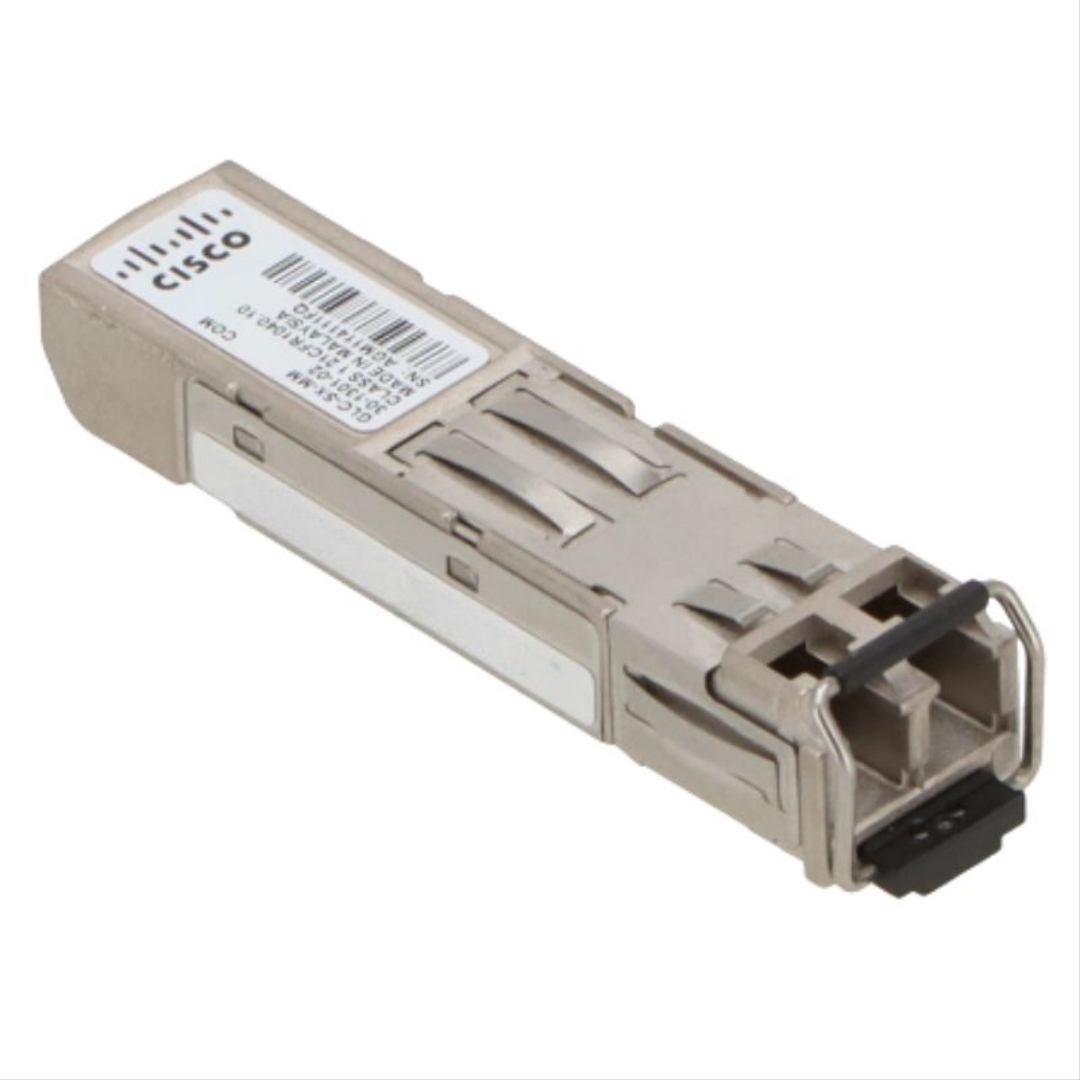


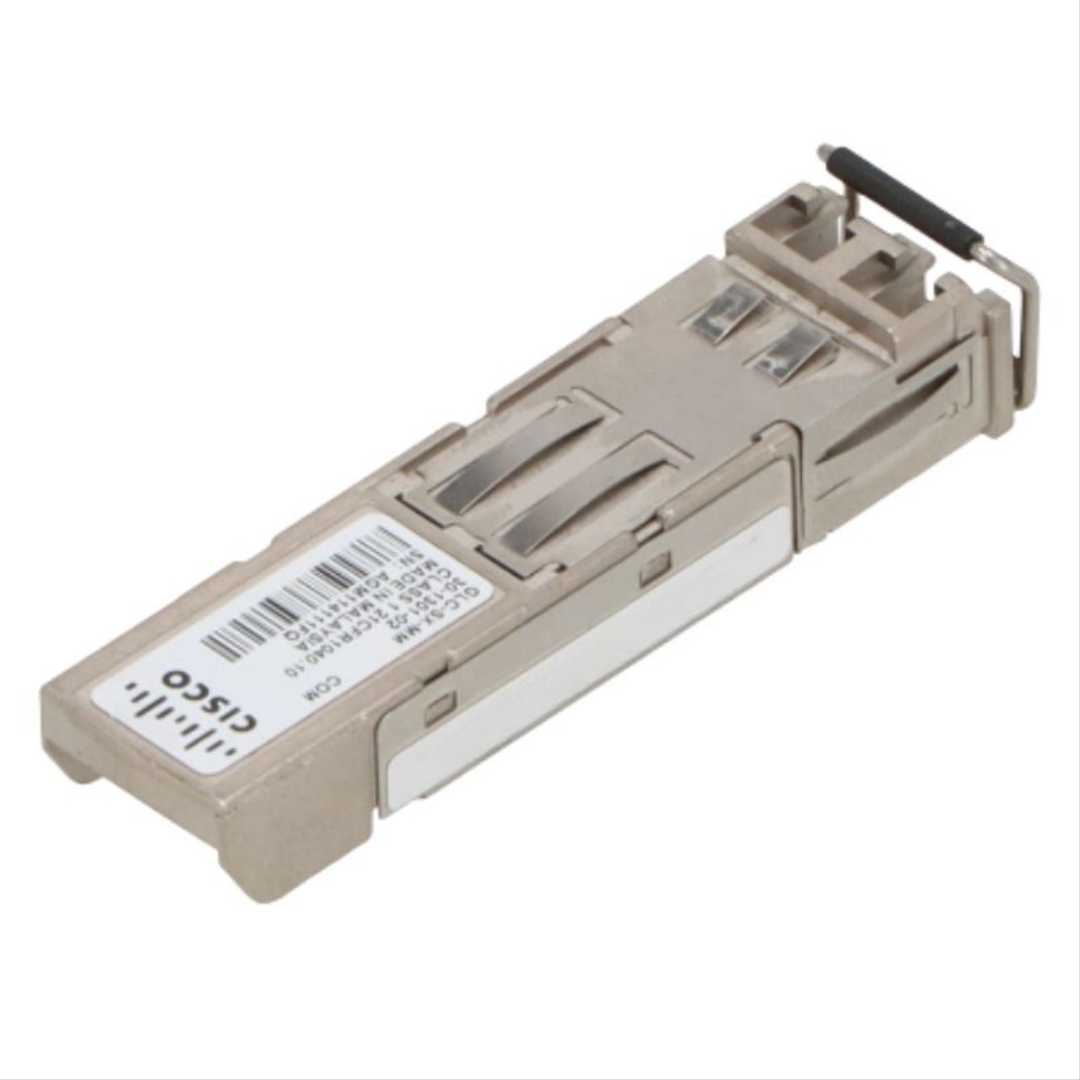
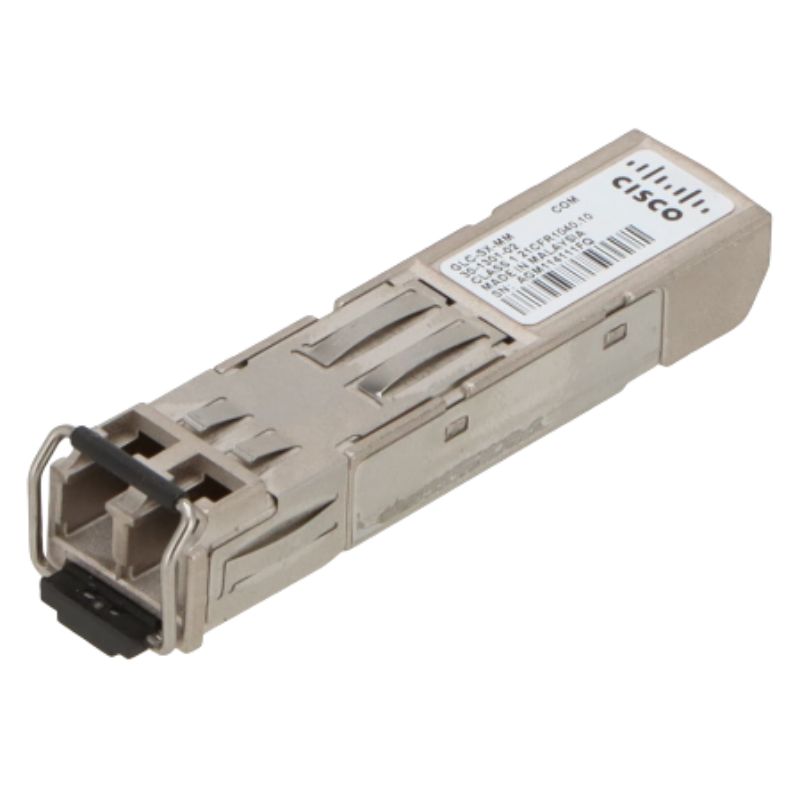
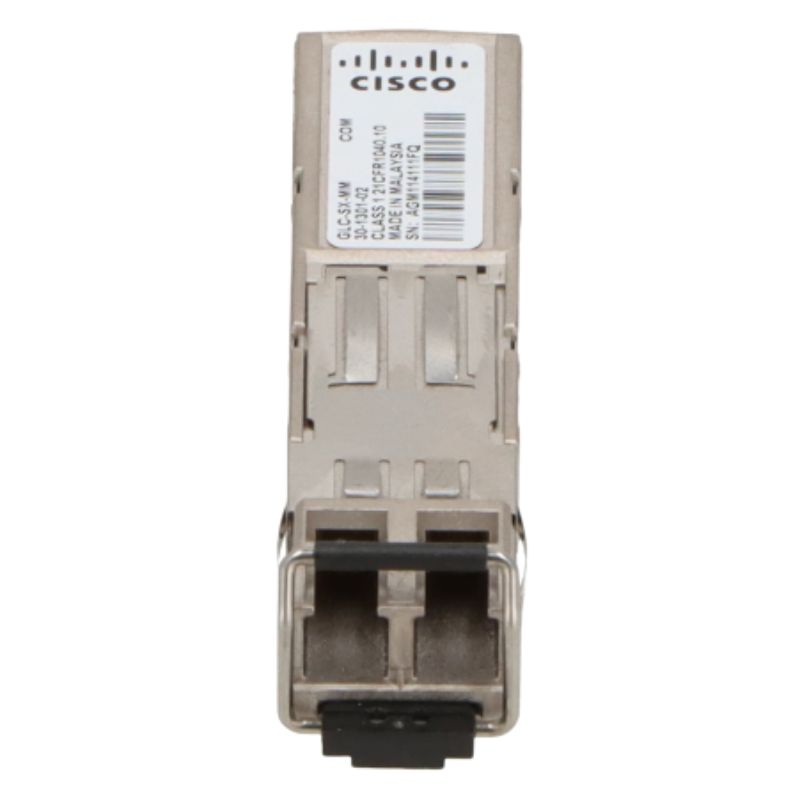
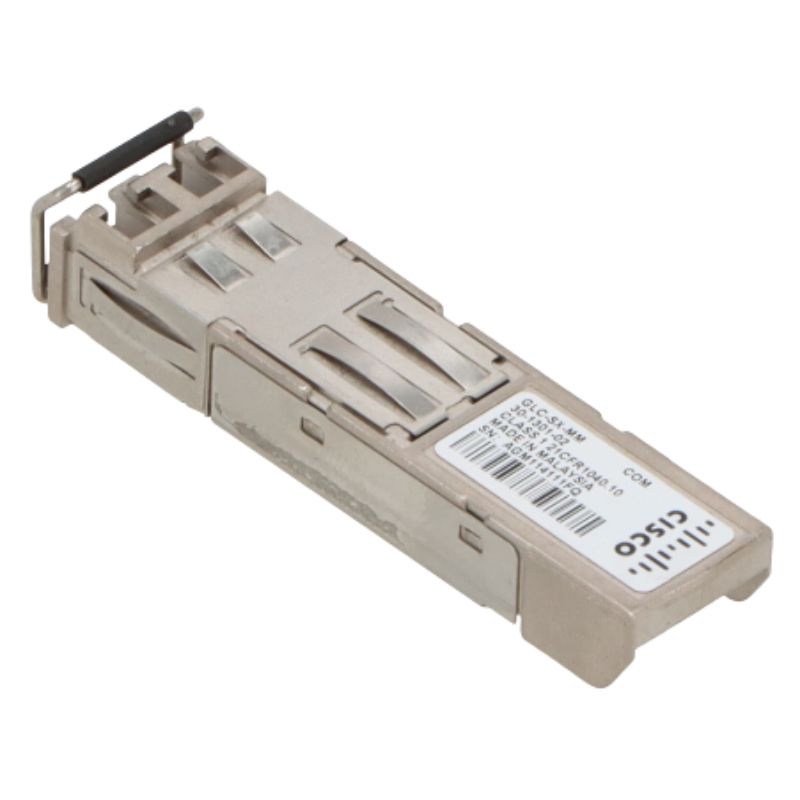
Cisco 30-1301-02 Multi Mode Gigabit Ethernet SFP 1.25GBPS Transceiver. Factory-Sealed New in Original Box (FSB) with 1 year replacement warranty
| SKU/MPN | Warranty | Price | Condition | You save |
|---|---|---|---|---|
| 30-1301-02 | 1 Year Warranty | $50.00 | Excellent Refurbished | You save: $17.50 (26%) |
| 30-1301-02 | 1 Year Warranty | $76.00 | Factory-Sealed New in Original Box (FSB) | You save: $26.60 (26%) |
Overview of High-Performance Cisco SFP Transceiver Module
This plug-in optical transceiver module is engineered to support high-speed Gigabit Ethernet connectivity, ensuring seamless data, voice, and video transmission across enterprise, education, and government networks.
The Cisco 30-1301-02 Multi Mode Gigabit Ethernet SFP 1.25Gbps Transceiver is a high-performance optical networking component designed to deliver reliable data transmission across short to medium-range fiber optic links. The SFP architecture is engineered to offer flexibility, modularity, and scalability, allowing network administrators to upgrade or replace optical interfaces without redesigning entire networking systems.
In contemporary networking environments, the demand for higher bandwidth, reduced latency, and improved signal integrity has made optical transceivers essential. The Cisco 30-1301-02 model is optimized for Gigabit Ethernet applications, operating at a data rate of 1.25Gbps, making it suitable for enterprise switches, routers, storage area networks, and campus backbone connections where stable and efficient data flow is required.
Multi mode fiber (MMF) is a type of optical fiber that allows multiple light modes to propagate simultaneously, making it ideal for relatively short-distance communication. The Cisco 30-1301-02 SFP transceiver is designed specifically for multi mode fiber environments, ensuring optimal coupling efficiency and reduced signal attenuation over typical enterprise distances.
Multi mode fiber typically uses a larger core diameter than single mode fiber, which allows easier alignment and cost-effective deployment. However, this also introduces modal dispersion, which can affect signal quality over long distances. The Cisco 30-1301-02 addresses these challenges through precise optical alignment, optimized laser output, and enhanced receiver sensitivity, ensuring stable Gigabit Ethernet transmission within the intended operational range.
A defining feature of multi mode SFP transceivers like the Cisco 30-1301-02 is the use of an 850nm wavelength VCSEL (Vertical Cavity Surface Emitting Laser). This wavelength is particularly well-suited for multi mode fiber because it balances cost efficiency with high-speed data transmission capability. The 850nm wavelength supports efficient signal propagation through OM2, OM3, and OM4 fiber types, which are commonly deployed in structured cabling systems.
The use of VCSEL technology enhances energy efficiency and reduces heat generation, which is critical in densely populated networking environments such as data centers and enterprise switching racks. This contributes to improved long-term reliability and reduced operational maintenance costs.
The Cisco 30-1301-02 follows the standardized SFP form factor, which ensures compatibility with a wide range of networking hardware. The compact design allows for high port density in switches and routers, enabling organizations to maximize bandwidth within limited physical rack space. This modular approach simplifies network expansion, as additional optical interfaces can be added without significant infrastructure changes.
The transceiver is hot-swappable, meaning it can be installed or removed without shutting down the network device. This feature is particularly important in mission-critical environments where downtime must be minimized. It supports seamless upgrades and maintenance, allowing IT administrators to replace or upgrade optical modules with minimal service interruption.
Maintaining signal integrity is a key engineering objective in the Cisco 30-1301-02 design. The module incorporates advanced digital diagnostics monitoring (DDM) capabilities that provide real-time information about optical performance parameters such as transmit power, receive power, temperature, and voltage. This allows proactive network management and early detection of potential issues.
The transceiver’s internal circuitry is optimized to minimize bit error rates (BER), ensuring accurate data transmission even under varying environmental conditions. High-quality optical components and precision alignment further enhance performance stability across supported Gigabit Ethernet applications.
The Cisco 30-1301-02 is fully compliant with IEEE 802.3 Gigabit Ethernet standards, ensuring interoperability across a wide range of networking equipment. This compliance guarantees that the module can be integrated into heterogeneous network environments without compatibility concerns, making it a versatile choice for enterprise IT infrastructures.
Gigabit Ethernet remains a foundational technology in modern networking due to its balance between performance and cost efficiency. The 1.25Gbps throughput offered by this SFP transceiver supports applications such as high-speed data transfer, server connectivity, storage replication, and backbone aggregation.
In enterprise networks, the Cisco 30-1301-02 is commonly deployed in access switches, distribution switches, and core routing devices. It enables fiber uplinks between network layers, improving bandwidth distribution and reducing congestion in copper-based systems. Its compatibility with Cisco networking hardware ensures seamless plug-and-play functionality in supported devices.
In addition to enterprise environments, this SFP module is frequently used in campus networks, educational institutions, healthcare systems, and financial organizations where reliable and secure data transmission is critical.
The Cisco 30-1301-02 transceiver is engineered for low power consumption, which is essential in large-scale deployments where hundreds or thousands of modules may operate simultaneously. Efficient power usage contributes to reduced heat generation, improving overall system stability and reducing the need for extensive cooling infrastructure.
Thermal stability is a critical factor in optical networking performance. Excessive heat can degrade laser performance and reduce module lifespan. The Cisco design incorporates optimized thermal pathways and energy-efficient components to ensure consistent operation across a wide temperature range.
Enterprise networks require extremely high levels of uptime and reliability. The Cisco 30-1301-02 is built with industrial-grade components that undergo rigorous testing for durability, signal stability, and environmental resilience. This ensures that the transceiver can operate reliably in demanding conditions such as high-density server rooms and edge networking environments.
The robust construction minimizes failure rates and ensures long-term operational consistency, making it suitable for organizations that cannot afford network interruptions or performance degradation.
In data centers, the Cisco 30-1301-02 plays a crucial role in connecting servers, storage systems, and networking equipment. Its ability to support high-speed multi mode fiber links enables efficient east-west traffic flow, which is essential for virtualization, cloud computing, and distributed applications.
Data center operators rely on predictable and stable optical performance to maintain service-level agreements. The consistent throughput and low latency characteristics of this SFP module make it a dependable component in high-performance computing environments.
Campus networks often span multiple buildings and floors, requiring reliable fiber connectivity between access and core layers. The Cisco 30-1301-02 provides an effective solution for short-range fiber links within such environments, ensuring seamless communication between departmental networks, administrative systems, and centralized servers.
Its plug-and-play nature simplifies deployment in structured cabling systems, allowing network engineers to quickly scale infrastructure as organizational needs grow.
Each Cisco 30-1301-02 transceiver undergoes extensive testing to ensure compliance with optical performance standards and interoperability requirements. These tests include signal integrity verification, environmental stress testing, and long-duration operational validation.
The module adheres to multiple international networking and safety standards, ensuring safe operation in global deployments. These certifications guarantee compatibility with regulated enterprise environments and support deployment across various industries including telecommunications, healthcare, and government infrastructure.
The compact SFP design of the Cisco 30-1301-02 enables high-density port configurations, allowing organizations to expand network capacity without increasing physical infrastructure footprint. This is particularly valuable in modern data centers where space optimization is a critical design consideration.
The scalability of SFP-based systems allows network architects to deploy incremental upgrades as bandwidth demands increase, ensuring long-term adaptability.
Modern network architectures rely heavily on modular and flexible components. The Cisco 30-1301-02 integrates seamlessly into hierarchical and spine-leaf architectures commonly used in advanced data centers. Its compatibility with multi mode fiber ensures efficient short-range interconnects between network nodes.
This adaptability makes it suitable for both legacy infrastructure upgrades and new network deployments, providing continuity across evolving technological environments.


 Contact Us
 Information
 Catalog
 Solid State Drives (SSD)
 Network Switches
 Hard Disk Drives
 HBA & Controllers
 PC & Servers
 PC & Server Memory
 CPU & Processors
 Network Routers
 Power Supplies
 Tape Drives & Libraries
 Network Devices
 Computer & Network Cables