(7% discount is applied at checkout)
Cart is empty
Your go-to destination for cutting-edge server products



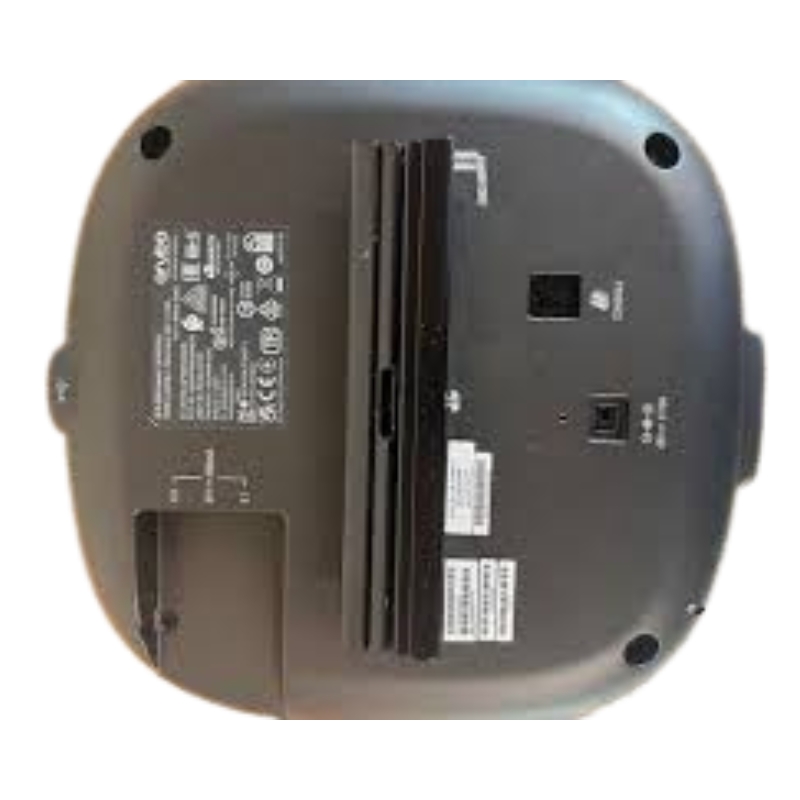
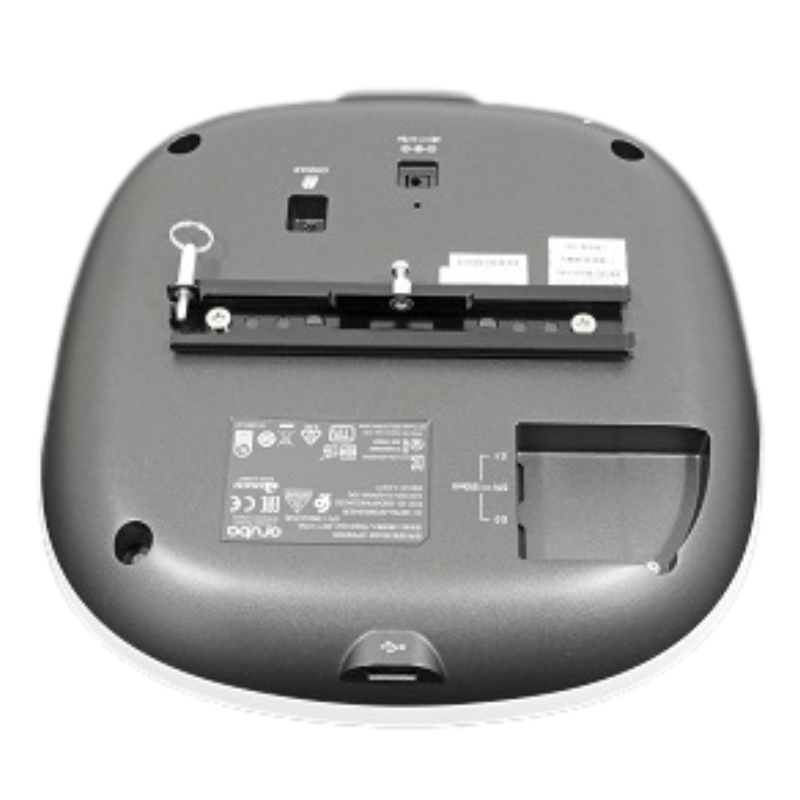
HPE JZ335A Aruba AP-535 Dual Radio Internal Antenna. New Sealed with 1 year replacement warranty
The HPE JZ335A Aruba AP‑535 is a high‑performance wireless access point engineered with next‑generation 802.11ax (Wi‑Fi 6) technology, delivering exceptional multi‑gigabit throughput and optimized connectivity for dense enterprise environments.
The HPE JZ335A Aruba AP-535 802.11ax 3.55 Gbit/s Wireless Access Point category represents a modern generation of enterprise-grade wireless networking solutions engineered to deliver exceptional connectivity, scalability, and security for organizations of every size. Built on advanced IEEE 802.11ax technology, this wireless access point category is designed to address increasing demands for higher bandwidth, lower latency, greater client density, and consistent wireless performance across offices, educational institutions, healthcare facilities, retail environments, hospitality venues, industrial locations, and government organizations.
As digital transformation continues to reshape business operations, wireless infrastructure has become an essential component of modern IT environments. The Aruba AP-535 family supports organizations that require dependable wireless connectivity for cloud applications, video conferencing, voice communications, IoT deployments, mobile workforces, and bandwidth-intensive business applications. Its advanced hardware architecture enables efficient data transmission while maintaining stable performance under heavy client loads.
The HPE JZ335A Aruba AP-535 category is based on Wi-Fi 6 technology, also known as IEEE 802.11ax, which significantly improves wireless efficiency compared to previous wireless generations. Rather than focusing solely on maximum throughput, Wi-Fi 6 optimizes communication among numerous connected devices operating simultaneously within busy enterprise environments.
Modern organizations depend on uninterrupted wireless access for desktop replacements, smartphones, tablets, laptops, handheld scanners, wireless printers, digital signage, collaboration systems, surveillance devices, and countless Internet of Things endpoints. This category is specifically engineered to maintain reliable communication across these diverse device ecosystems while improving network responsiveness.
Enterprise wireless deployments frequently encounter situations where hundreds of wireless devices connect within limited physical spaces. Corporate conference rooms, lecture halls, airports, shopping centers, hospitals, convention centers, and educational campuses all require wireless infrastructure capable of handling substantial client density without sacrificing performance.
The Aruba AP-535 category is optimized to efficiently allocate wireless resources among connected clients, minimizing congestion while maximizing available bandwidth. Intelligent scheduling and advanced radio management contribute to smoother user experiences throughout demanding deployments.
IEEE 802.11ax introduces numerous technological enhancements that improve spectral efficiency and increase overall network capacity. Organizations deploying this wireless access point category benefit from enhanced utilization of available wireless channels, enabling more users to share network resources effectively.
These improvements help reduce contention among wireless clients while maintaining consistent throughput during peak operational periods. Businesses relying on cloud-hosted applications particularly benefit from lower latency and improved wireless responsiveness.
With wireless speeds reaching up to 3.55 Gbit/s, this category provides substantial bandwidth for demanding enterprise workloads. High-definition video streaming, unified communications, cloud storage synchronization, virtual desktop infrastructure, large file transfers, and collaborative productivity platforms all benefit from higher wireless capacity.
The increased throughput enables organizations to consolidate multiple wireless services onto a single infrastructure while maintaining excellent user experiences throughout the enterprise.
Wireless environments constantly change as users move between locations and neighboring networks compete for radio spectrum. Intelligent radio resource management continuously analyzes environmental conditions to optimize channel selection, transmit power, and overall wireless performance.
Automatic optimization minimizes interference while maximizing wireless coverage, reducing administrative overhead and simplifying ongoing network maintenance.
Enterprise wireless networks often experience uneven client distribution where one access point becomes heavily utilized while nearby units remain underused. Advanced client balancing mechanisms distribute wireless devices more efficiently across available access points, improving network stability and overall performance.
The 2.4 GHz frequency band continues to provide broad wireless coverage across large facilities while supporting legacy wireless devices that remain essential to business operations. Warehousing equipment, barcode scanners, industrial controllers, and specialized enterprise hardware frequently depend upon reliable 2.4 GHz connectivity.
The 5 GHz radio spectrum offers higher throughput, additional channels, and reduced interference for modern enterprise clients. Business laptops, smartphones, tablets, and collaboration devices achieve significantly improved performance when utilizing this frequency range.
Intelligent client steering mechanisms guide compatible devices toward the most appropriate frequency band, improving overall wireless efficiency while maintaining compatibility across mixed-device environments.
Cloud-hosted software platforms have become central to modern enterprise productivity. Employees routinely access customer relationship management systems, enterprise resource planning applications, accounting platforms, collaboration suites, document repositories, and business intelligence tools through wireless connections.
The Aruba AP-535 category provides dependable wireless connectivity that supports responsive cloud application performance while minimizing communication delays.
Voice over IP, video conferencing, instant messaging, and collaborative communication platforms require low latency and consistent packet delivery. Enterprise-grade wireless infrastructure enables these communication technologies to operate reliably throughout offices and campuses.
High-definition video meetings demand considerable bandwidth while maintaining stable connections. The advanced wireless capabilities available within this category help organizations deliver smooth conferencing experiences for remote workers, hybrid teams, executives, and customers.
Wireless security remains one of the most important considerations for enterprise IT administrators. Organizations require strong authentication methods that verify user identities before allowing access to sensitive corporate resources.
This category supports enterprise authentication mechanisms designed to protect confidential business information while simplifying secure access for authorized users.
Encryption technologies safeguard wireless communications against unauthorized interception. Modern encryption standards protect confidential business communications, customer information, financial records, healthcare data, educational content, and intellectual property.
Many organizations provide guest wireless access for visitors, contractors, customers, and temporary personnel. Secure guest networking separates visitor traffic from internal corporate resources while maintaining convenient Internet connectivity.
Growing businesses benefit from wireless infrastructure that supports expansion without requiring extensive redesign. The Aruba AP-535 category accommodates evolving operational requirements while maintaining centralized management capabilities.
Enterprise campuses often include hundreds or thousands of wireless access points distributed throughout multiple buildings. Consistent hardware platforms simplify deployment planning, firmware management, monitoring, and long-term maintenance.
Organizations frequently expand office facilities, educational campuses, healthcare complexes, and manufacturing plants. Scalable wireless architecture allows administrators to extend network coverage while preserving consistent operational standards.
Office buildings present diverse wireless challenges including partition walls, conference rooms, executive offices, collaboration spaces, and open work areas. Proper placement of enterprise access points ensures comprehensive wireless coverage throughout these varied environments.
Schools, colleges, and universities require dependable wireless networking across classrooms, libraries, laboratories, auditoriums, dormitories, and administrative offices. Reliable connectivity supports digital learning platforms, online testing, collaborative instruction, and educational research.
Hospitals and healthcare providers increasingly depend on wireless infrastructure for electronic medical records, patient monitoring, medical imaging, mobile nursing stations, telemedicine, and clinical communications.
Large meeting spaces often experience sudden spikes in wireless demand as hundreds of attendees simultaneously access presentations, video streams, cloud applications, and messaging platforms. Enterprise wireless optimization helps maintain service quality during these demanding scenarios.
Retail environments depend upon reliable wireless networking for inventory systems, point-of-sale terminals, mobile payment processing, digital displays, employee communications, customer engagement applications, and operational analytics.
Hotels, resorts, convention centers, and entertainment venues require dependable guest wireless access alongside operational networking that supports reservation systems, staff communications, surveillance, and property management applications.
Enterprise administrators benefit from centralized management platforms that simplify provisioning, monitoring, firmware updates, performance analysis, configuration management, and troubleshooting across large wireless deployments.
Centralized administration reduces operational complexity while improving visibility into network performance and wireless client activity.
Continuous monitoring enables administrators to identify bottlenecks, interference sources, overloaded access points, authentication failures, roaming issues, and connectivity problems before users experience significant disruptions.
Keeping enterprise infrastructure updated helps organizations maintain security, improve stability, introduce new features, and optimize wireless performance throughout the equipment lifecycle.
Employees increasingly move throughout office buildings while remaining connected to voice calls, collaboration meetings, cloud applications, and business systems. Efficient roaming mechanisms minimize interruptions during transitions between wireless coverage areas.
Reliable roaming capabilities improve operational efficiency by allowing healthcare professionals, warehouse personnel, educators, executives, retail associates, and manufacturing employees to remain continuously connected throughout their workday.
Organizations continue expanding connected device ecosystems that include environmental sensors, surveillance cameras, asset tracking systems, automation controllers, smart lighting, digital signage, occupancy sensors, and building management technologies.
The Aruba AP-535 category provides the wireless foundation necessary for supporting diverse IoT infrastructures while maintaining enterprise performance expectations.
Modern commercial facilities integrate intelligent building technologies to improve operational efficiency, sustainability, security, and occupant comfort. Enterprise wireless networking enables communication among these distributed systems while supporting centralized management platforms.


 Contact Us
 Information
 Catalog
 Solid State Drives (SSD)
 Network Switches
 Hard Disk Drives
 HBA & Controllers
 PC & Servers
 PC & Server Memory
 CPU & Processors
 Network Routers
 Power Supplies
 Tape Drives & Libraries
 Network Devices
 Computer & Network Cables