(7% discount is applied at checkout)
Cart is empty
Your go-to destination for cutting-edge server products


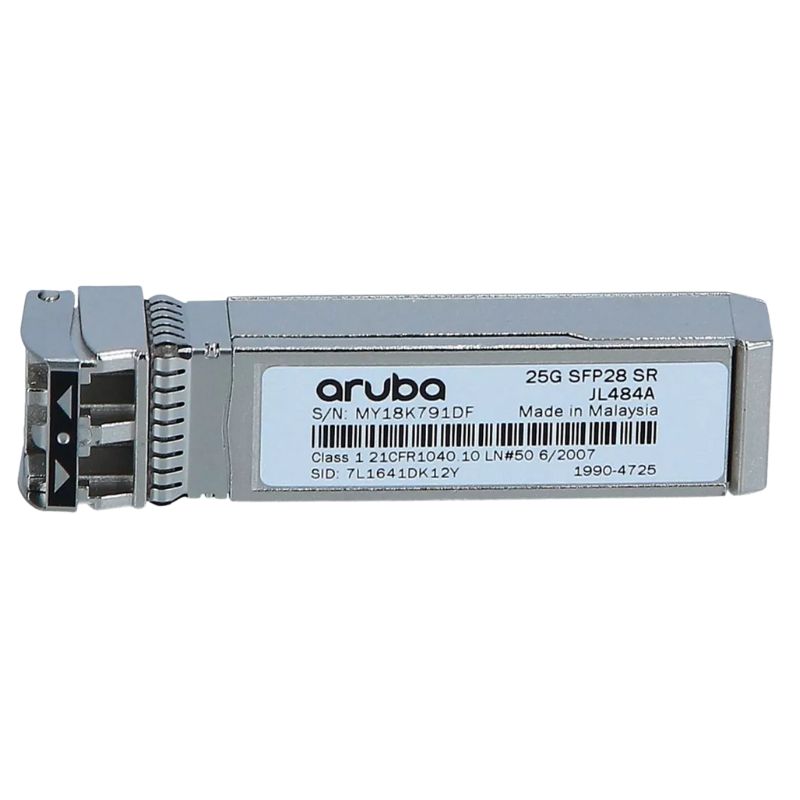
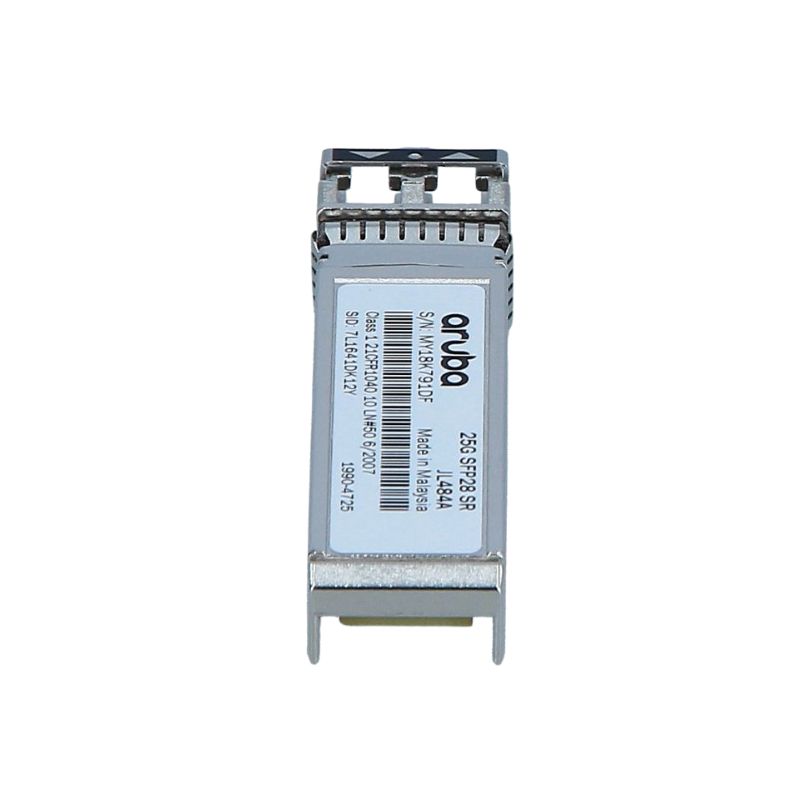
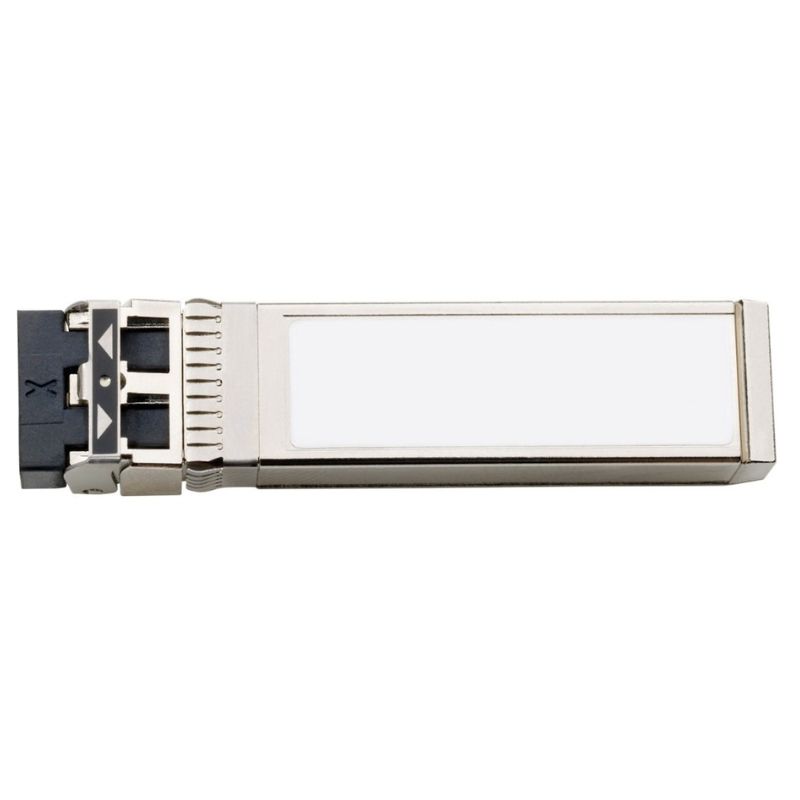
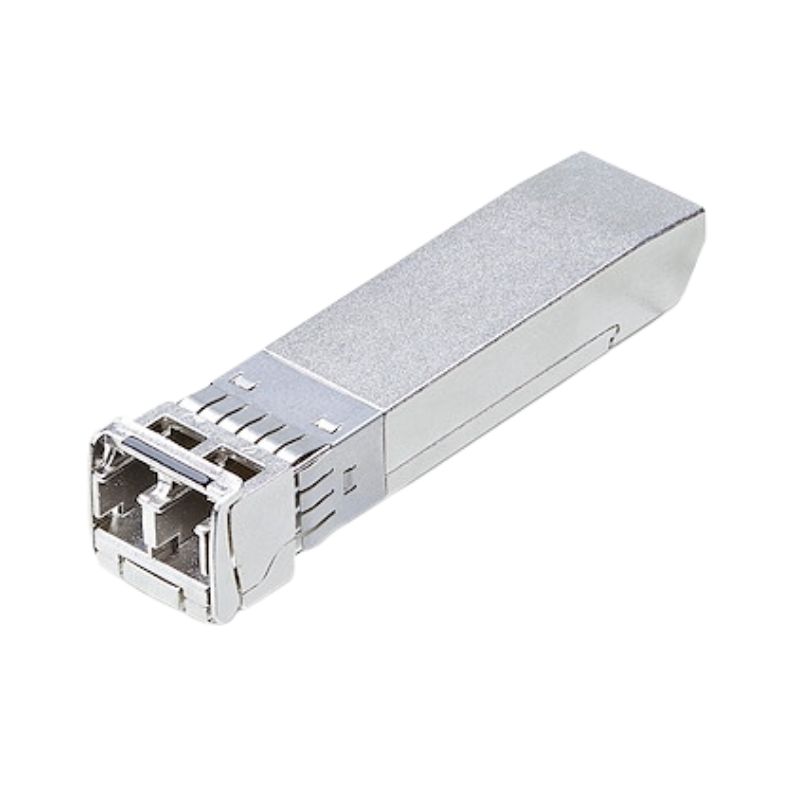
HPE JL484A Aruba 25G SFP28 LC SR 100M MMF Transceiver. Factory-Sealed New in Original Box (FSB) with 3 Years Warranty
The HPE JL484A Aruba 25G SFP28 LC SR Transceiver is crafted to deliver dependable short‑range optical connectivity for high‑speed enterprise networks. Built for multi‑mode fiber applications, this compact module ensures consistent 25‑gigabit data transmission, offering low latency, stable performance, and efficient signal handling across dense switching environments. Its plug‑in design supports seamless integration into modern infrastructures requiring fast, reliable wired communication.
The HPE JL484A Aruba 25G SFP28 LC SR 100M MMF Transceiver belongs to a high-performance optical networking hardware category designed for modern data center connectivity, enterprise switching environments, and high-speed aggregation networks. This class of optical transceivers is engineered to support 25 Gigabit Ethernet transmission over multimode fiber infrastructure, delivering high bandwidth density, low latency communication, and energy-efficient performance for next-generation network architectures.
This transceiver category is widely integrated into scalable network environments where high throughput and compact form factor design are critical. The SFP28 interface supports hot-pluggable functionality, allowing seamless installation and replacement without interrupting active network operations. This makes it a fundamental component in environments requiring continuous uptime and flexible infrastructure expansion.
The 25G SFP28 optical transceiver architecture is based on enhanced electrical and optical signaling techniques that improve data transmission efficiency over short-range multimode fiber links. The SFP28 form factor is an evolution of earlier SFP and SFP+ standards, optimized specifically for 25 Gigabit per second data rates while maintaining compatibility with existing networking hardware ecosystems that support high-density port configurations.
At the core of this transceiver design is advanced laser diode technology combined with integrated photodiode receivers that convert electrical signals into optical light pulses and vice versa. The signal processing mechanisms are optimized for reduced jitter, improved signal integrity, and minimal packet loss, making the module suitable for mission-critical networking environments.
The electrical interface of the SFP28 module is designed to support high-speed serial data transmission with controlled impedance pathways. This ensures that signal degradation is minimized even at sustained high throughput levels. The module maintains strict compliance with industry standards for electromagnetic compatibility and signal timing accuracy, which is essential for maintaining deterministic network performance in data centers.
The optical transmission system used in the JL484A category relies on vertical-cavity surface-emitting laser technology optimized for multimode fiber channels. The emitted light operates at a wavelength typically centered around 850 nanometers, which is ideal for short-range transmission over multimode fiber types such as OM3 and OM4. The optical modulation scheme ensures consistent signal clarity across supported distances up to 100 meters under standard deployment conditions.
The HPE JL484A Aruba 25G SFP28 LC SR transceiver is designed specifically for multimode fiber environments, enabling efficient short-reach interconnects within racks, between adjacent racks, and across structured cabling systems in enterprise data centers. Multimode fiber provides a cost-effective and scalable medium for high-bandwidth transmission over limited distances, making it suitable for server-to-switch and switch-to-switch connectivity.
Fiber compatibility typically includes OM3, OM4, and in some cases OM5 cabling systems, each offering varying degrees of modal bandwidth and transmission performance. The 100-meter reach capability is generally achieved under optimized OM4 conditions, while OM3 supports slightly shorter distances depending on link conditions and connector quality.
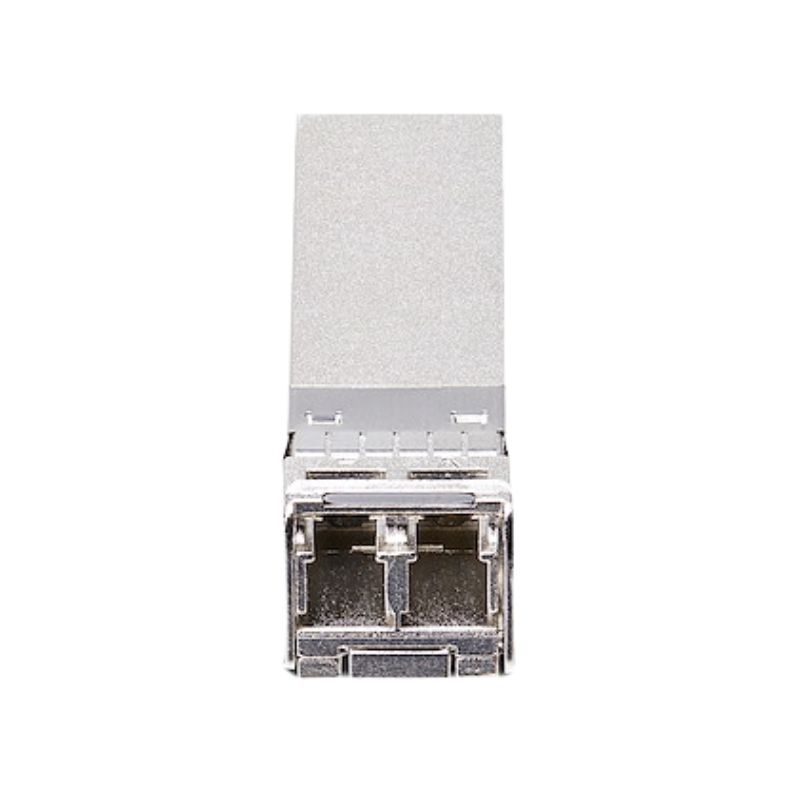
The LC duplex connector used in this transceiver category is a compact, high-precision interface designed for high-density networking environments. Its reduced footprint allows for increased port density on networking switches while maintaining reliable optical alignment. The locking mechanism ensures stable physical connection, reducing the risk of signal interruption due to vibration or cable movement.
The duplex configuration supports simultaneous bidirectional communication, enabling full-duplex data transmission. This is essential for modern networking workloads where simultaneous upload and download traffic flows are required without congestion or directional bottlenecks.
The HPE JL484A Aruba 25G SFP28 LC SR transceiver category is optimized for environments requiring low-latency, high-bandwidth interconnectivity. In data center networks, latency reduction is critical for applications such as virtualization platforms, cloud computing infrastructures, distributed databases, and high-frequency transaction systems.
The module ensures consistent bit error rate performance under standard operating conditions by employing advanced signal equalization techniques. These techniques compensate for modal dispersion in multimode fiber, ensuring that data integrity is preserved across the entire transmission distance.
Latency is minimized through the integration of efficient signal encoding and decoding processes within the transceiver chipset. The hardware is optimized to reduce processing overhead, enabling near real-time data transmission between connected devices. This makes it highly suitable for spine-leaf architectures where predictable latency behavior is required across network layers.
Signal integrity is maintained through adaptive equalization and built-in diagnostics that monitor optical power levels, temperature fluctuations, and signal degradation patterns. These features help ensure stable operation even in high-density environments where thermal and electromagnetic interference may be present.
In modern data center designs, the HPE JL484A Aruba 25G SFP28 LC SR transceiver plays a critical role in enabling scalable leaf-spine network architectures. These architectures rely on high-speed interconnects between leaf switches and spine switches to ensure non-blocking bandwidth and efficient traffic distribution.
The 25G Ethernet standard provides an optimal balance between port density and throughput, allowing organizations to scale network capacity without excessive infrastructure overhead. This makes it particularly useful in hyper-converged infrastructure deployments and cloud-native application environments.
Within leaf-spine topologies, the transceiver is commonly deployed in both leaf and spine switch layers to ensure uniform bandwidth availability across the network fabric. This enables consistent east-west traffic flow, which is essential for distributed computing workloads and microservices-based architectures.
Virtualized environments benefit significantly from the high-speed capabilities of 25G optical interconnects. Virtual machine migration, storage replication, and container orchestration systems require high-throughput, low-latency links that this transceiver category is designed to support efficiently.
This transceiver category is widely compatible with Aruba networking equipment designed to support SFP28 interfaces. It integrates seamlessly into enterprise switching platforms that require high-speed uplinks, server connectivity, and inter-switch communication channels.
Deployment scenarios include data center aggregation layers, enterprise core networks, and high-performance computing clusters. Its short-reach design makes it ideal for intra-rack and inter-rack connections where high bandwidth and low latency are required without long-distance optical transmission.
In enterprise environments, the transceiver supports critical workloads such as database replication, unified communications, storage area networks, and internal application hosting platforms. Its reliability and consistent performance make it suitable for continuous operational environments.
High-performance computing clusters benefit from the transceiver’s ability to deliver stable, high-speed communication between compute nodes. This is particularly important in scientific computing, simulation workloads, and artificial intelligence training environments where large datasets must be transferred rapidly between nodes.
Modern optical transceivers in this category include digital diagnostic monitoring capabilities that provide real-time visibility into operational parameters. These include optical power levels, temperature readings, laser bias current, and voltage supply metrics.
Such monitoring capabilities allow network administrators to proactively identify potential performance issues before they impact system availability. This contributes to improved network reliability and reduced downtime in critical infrastructure environments.
Predictive maintenance is enabled through continuous monitoring of optical performance trends. By analyzing variations in signal strength and environmental conditions, administrators can anticipate hardware degradation and plan replacements without disrupting network operations.
The 25G SFP28 LC SR transceiver category supports scalable network expansion strategies that align with evolving bandwidth demands. As organizations transition from 10G to 25G infrastructure, this module provides a cost-effective upgrade path that leverages existing multimode fiber installations.
Scalability is further enhanced by the ability to deploy multiple transceivers across high-density switch platforms, enabling exponential increases in network capacity without significant redesign of physical infrastructure.
Bandwidth expansion using this transceiver category allows incremental upgrades that align with organizational growth. This avoids the need for complete infrastructure replacement and ensures long-term investment protection.
Operational stability is a key requirement for optical transceivers deployed in enterprise and data center environments. The HPE JL484A Aruba category is engineered to maintain consistent performance under varying environmental conditions, including fluctuations in temperature and electromagnetic interference.
Environmental resilience ensures that the module continues to perform reliably in dense networking racks where airflow patterns and thermal zones may vary significantly.
The transceiver is designed to comply with strict electromagnetic compatibility standards, ensuring that it does not introduce or suffer from signal interference within high-density electronic environments. This is essential for maintaining stable network performance in complex installations.


 Contact Us
 Information
 Catalog
 Solid State Drives (SSD)
 Network Switches
 Hard Disk Drives
 HBA & Controllers
 PC & Servers
 PC & Server Memory
 CPU & Processors
 Network Routers
 Power Supplies
 Tape Drives & Libraries
 Network Devices
 Computer & Network Cables