(7% discount is applied at checkout)
Cart is empty
Your go-to destination for cutting-edge server products
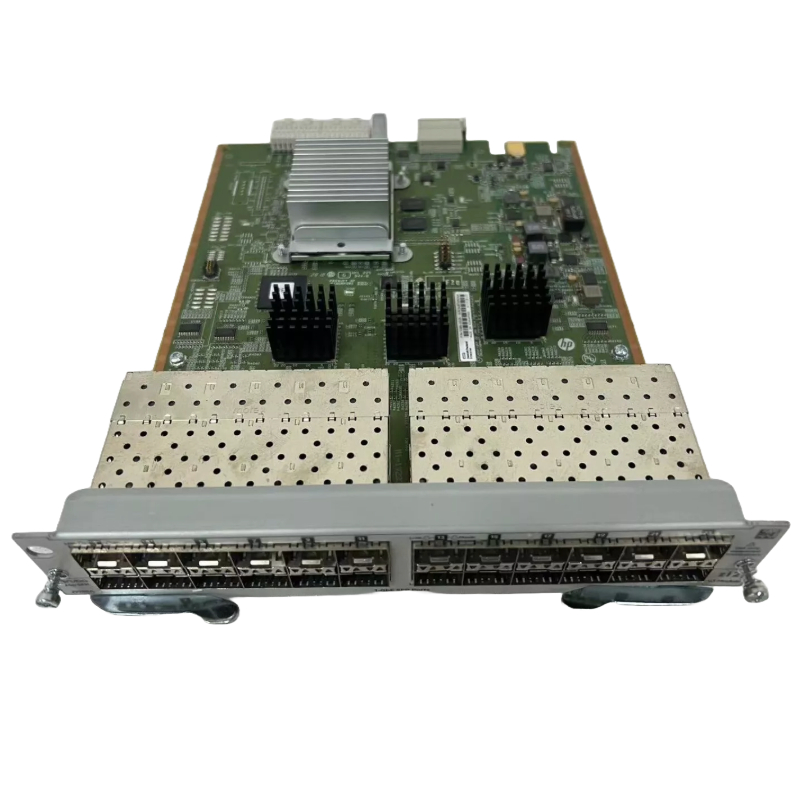


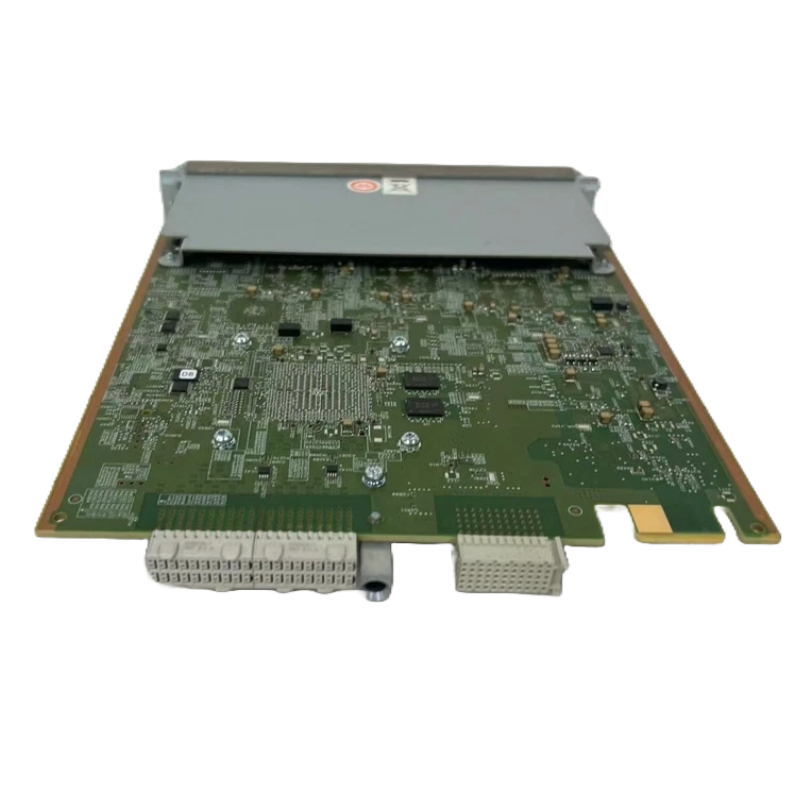
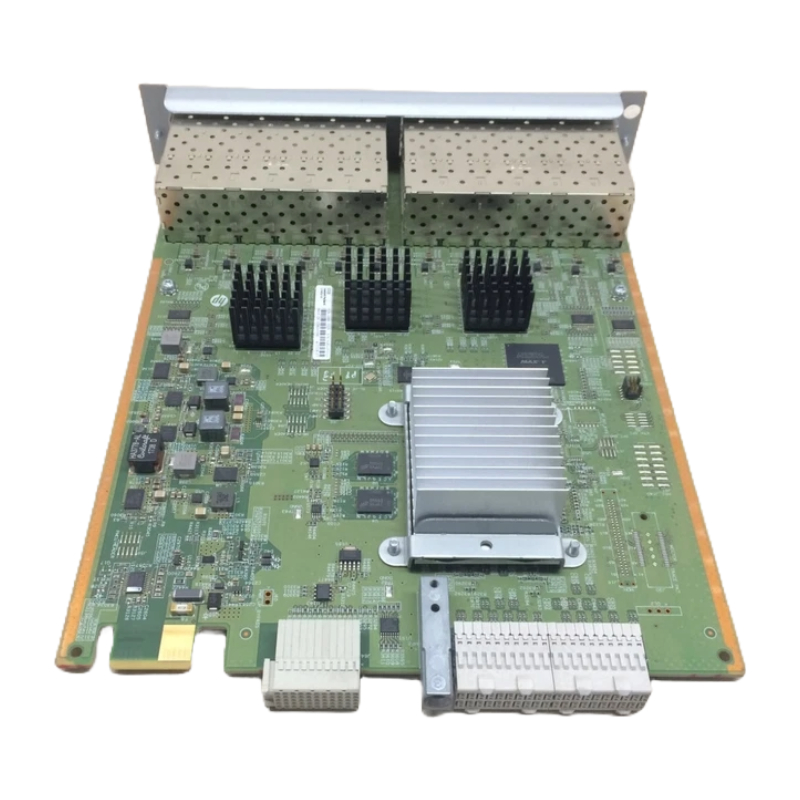
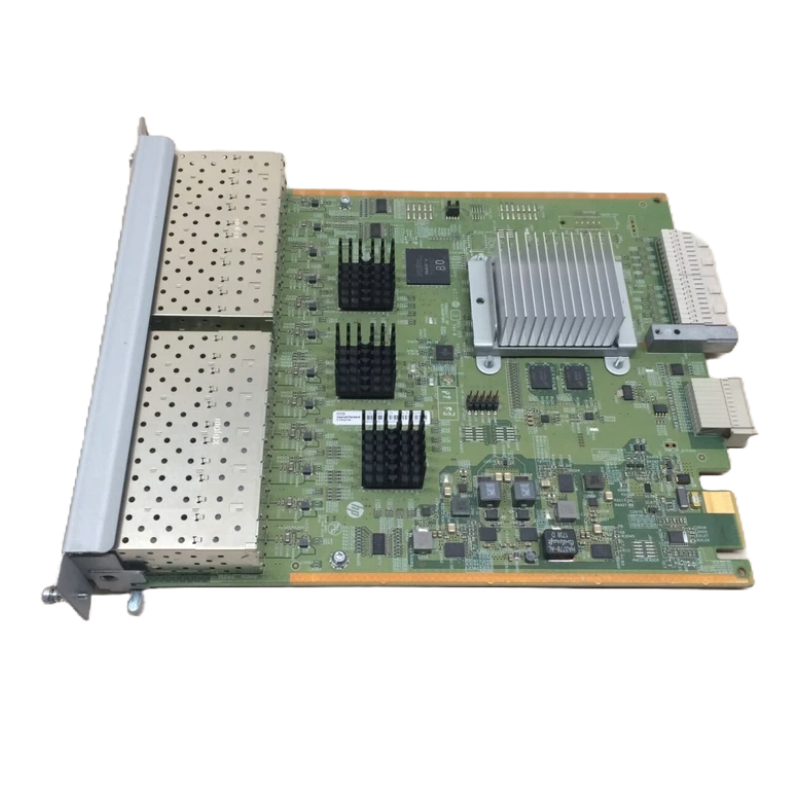
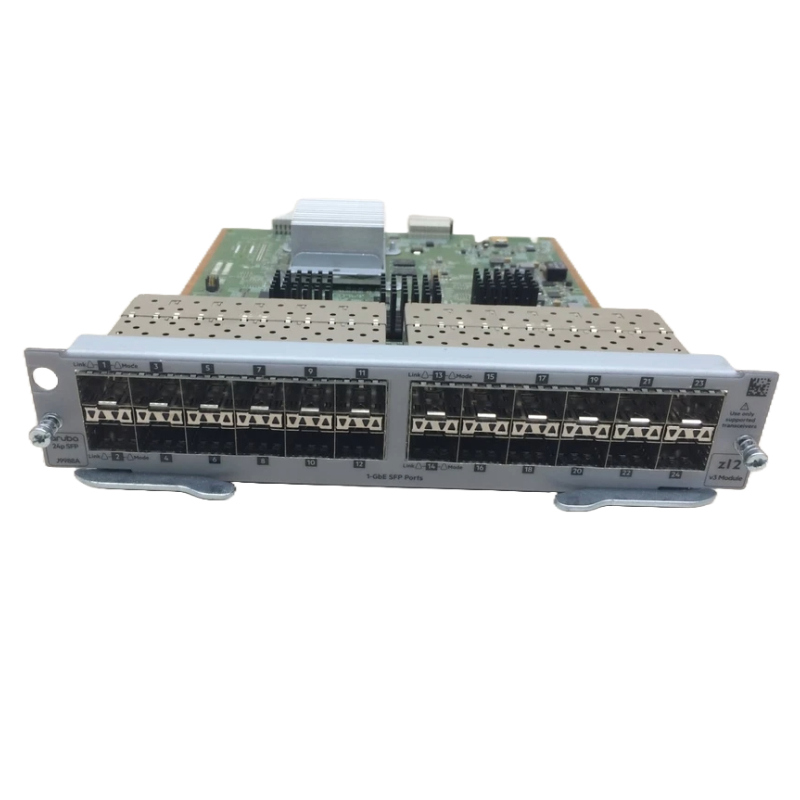
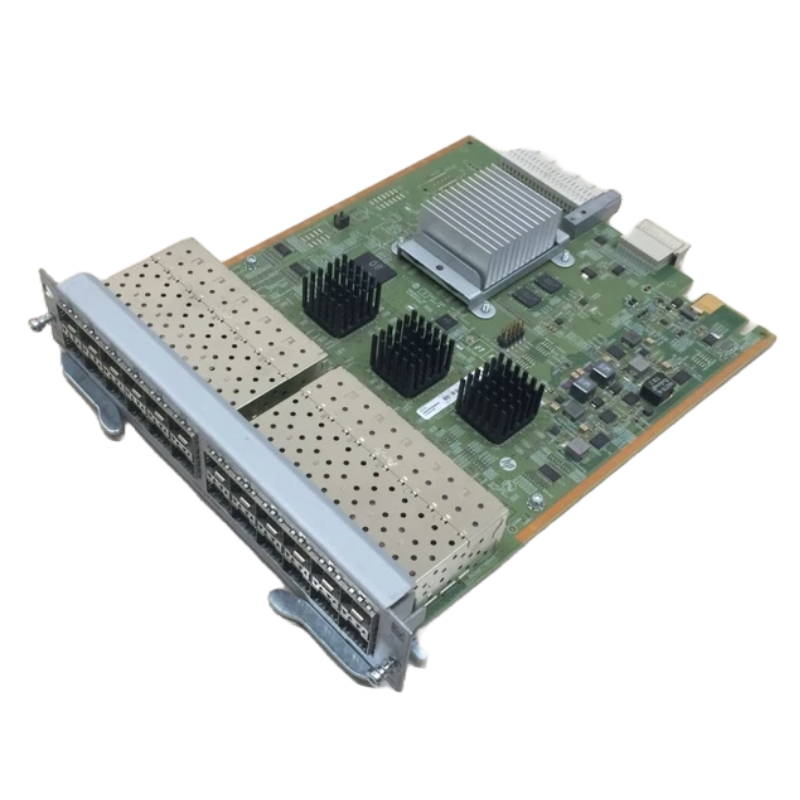
HPE J9988A 5400r 24-Ports SFP with Macsec v3 zl2 Expansion Module 1GBPS. New Sealed with 1 year replacement warranty
The [HPE J9988A Module](ca://s?q=Learn_more_about_HPE_J9988A) is a high‑performance plug‑in networking component engineered to extend switching capacity, boost secure data transmission, and deliver reliable fiber‑based connectivity for enterprise infrastructures.
The HPE J9988A 24 Ports 5400R 1Gbps SFP with MACsec V3 zl2 Expansion Module represents a high-performance optical switching expansion solution designed for enterprise-grade modular switching environments. Built for integration within HPE 5400R and zl2 series chassis platforms, this module extends network capabilities through high-density SFP-based fiber connectivity, enabling organizations to scale resilient, secure, and high-throughput network infrastructures. The inclusion of MACsec encryption support enhances its role in secure data transmission environments where confidentiality, integrity, and authentication are essential components of modern enterprise networking.
The structural design of the HPE J9988A module is centered around modular scalability within enterprise switching ecosystems. It is engineered to slot into compatible HPE chassis systems, expanding network capacity through 24 SFP ports capable of supporting 1Gbps fiber connectivity. This modular architecture allows organizations to expand optical networking capabilities without replacing entire switch infrastructures, thereby optimizing capital expenditure and extending hardware lifecycle efficiency.
This expansion module is specifically designed for seamless integration into HPE 5400R and zl2 chassis systems, ensuring compatibility with high-performance switching fabrics and centralized management systems. Once installed, the module operates as part of a unified switching architecture, leveraging the chassis backplane for inter-module communication. This eliminates the need for external stacking mechanisms while maintaining high-speed data exchange between network modules.
The internal backplane architecture provides a high-speed, low-latency communication pathway between installed modules. This ensures that traffic passing through different switching components within the chassis is handled efficiently, reducing congestion and improving deterministic performance. The result is a cohesive switching system capable of handling enterprise workloads with consistent throughput and minimal latency variation.
The deterministic behavior of the switching fabric ensures that packet forwarding remains consistent regardless of network load conditions. This is particularly critical in environments where fiber-based uplinks carry mission-critical data such as financial transactions, cloud synchronization traffic, or inter-data-center communication streams.
The HPE J9988A module provides 24 dedicated SFP ports supporting 1Gbps optical connectivity. These ports enable high-speed fiber communication across enterprise networks, ensuring low-latency transmission and extended reach compared to copper-based alternatives. The use of SFP interfaces allows flexible deployment of fiber transceivers based on distance, wavelength, and network design requirements.
The 24-port configuration is optimized for environments requiring dense optical connectivity. This makes the module suitable for aggregation layers in campus networks, data center interconnects, and enterprise backbone deployments. Each port operates independently, allowing simultaneous high-speed data transfer across multiple fiber links without degradation in performance.
Network architects can deploy scalable fiber infrastructure using interchangeable SFP transceivers, allowing adaptation to multimode or single-mode fiber environments. This flexibility supports both short-range intra-building connections and long-distance inter-building communication links within enterprise campuses.
The modular SFP design allows organizations to select appropriate optical transceivers based on network topology requirements. This ensures compatibility across diverse deployment scenarios, from high-density data center racks to distributed enterprise office environments.
The inclusion of MACsec (Media Access Control Security) in the HPE J9988A module introduces hardware-based encryption capabilities at the data link layer. This ensures that data transmitted across fiber links is protected against interception, tampering, and unauthorized access. MACsec provides encryption, integrity verification, and device authentication, making it a critical feature for organizations handling sensitive or regulated data.
MACsec operates at the Ethernet layer, encrypting traffic between directly connected network devices. This ensures that data remains protected as it traverses fiber links, even within internal enterprise networks. Unlike higher-layer encryption mechanisms, MACsec provides line-rate encryption with minimal performance overhead.
The module integrates hardware acceleration for encryption and decryption processes, ensuring that security functions do not impact network performance. This allows organizations to maintain high-speed throughput while enforcing strict data protection policies across all connected ports.
MACsec ensures that all transmitted frames are validated for integrity and authenticity before being forwarded through the network. This prevents malicious modification of data packets and ensures that only trusted devices participate in communication sessions.
The HPE J9988A expansion module is engineered to support high-performance optical networking environments where latency, bandwidth, and reliability are critical. Its fiber-based architecture ensures consistent signal quality over long distances while minimizing electromagnetic interference commonly associated with copper-based networking systems.
The switching architecture within the module is optimized for minimal latency packet forwarding across optical interfaces. This is essential for real-time applications such as financial trading systems, distributed computing clusters, and cloud service interconnectivity. The system ensures that data packets traverse the switching fabric with minimal delay and consistent timing behavior.
The HPE J9988A module leverages a modular expansion design that allows it to integrate into existing HPE chassis systems without disrupting network operations. This provides organizations with a flexible method of scaling optical connectivity while maintaining centralized management and system cohesion.
Organizations can expand their optical network capacity incrementally by adding expansion modules as demand grows. This reduces upfront infrastructure investment while allowing network growth to align with business expansion and technological evolution.
Once installed, the module becomes part of a unified switching fabric that operates as a single logical system. This simplifies network configuration and reduces administrative overhead associated with managing multiple discrete devices.
All ports within the module can be managed through centralized network management systems, allowing administrators to enforce consistent policies across the entire switching environment. This ensures operational consistency and simplifies network governance.
The HPE J9988A expansion module is widely deployed in enterprise environments that require high-speed, secure fiber connectivity. Its design makes it suitable for data centers, campus backbones, service provider networks, and mission-critical infrastructure deployments.
Within data centers, the module functions as a high-density aggregation layer component, connecting multiple switches, servers, and storage systems through fiber uplinks. This ensures efficient data flow between compute and storage resources while maintaining low latency.
The module supports direct fiber connections to high-performance servers, enabling fast data exchange for virtualization platforms, cloud workloads, and distributed computing environments.
In enterprise campus environments, the module provides backbone connectivity between buildings and network zones. Its fiber-based architecture ensures long-distance communication with minimal signal degradation.
The module supports inter-building connectivity across large campuses, enabling centralized network control and consistent performance across distributed office environments.
Each SFP port can be configured with access control policies that regulate device connectivity and data flow. This ensures that only authorized devices can communicate across the network infrastructure.
The module is designed to support evolving enterprise networking standards, ensuring compatibility with future technologies and maintaining long-term relevance within modern IT infrastructures.
As network demands evolve, the module supports adaptive upgrades through transceiver replacement and firmware enhancements, ensuring continued performance optimization without hardware replacement.


 Contact Us
 Information
 Catalog
 Solid State Drives (SSD)
 Network Switches
 Hard Disk Drives
 HBA & Controllers
 PC & Servers
 PC & Server Memory
 CPU & Processors
 Network Routers
 Power Supplies
 Tape Drives & Libraries
 Network Devices
 Computer & Network Cables