(7% discount is applied at checkout)
Cart is empty
Your go-to destination for cutting-edge server products
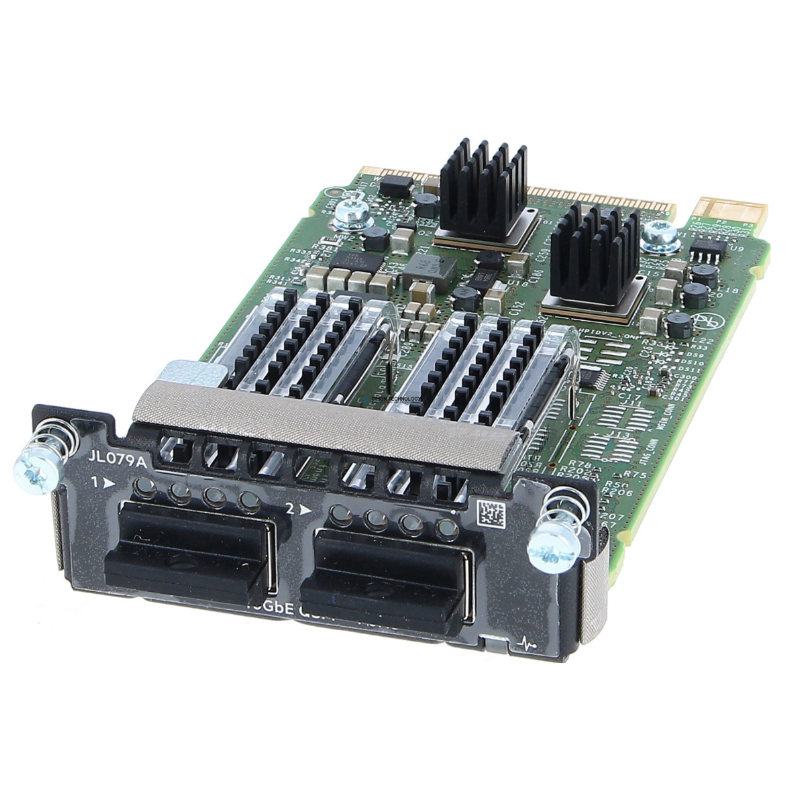


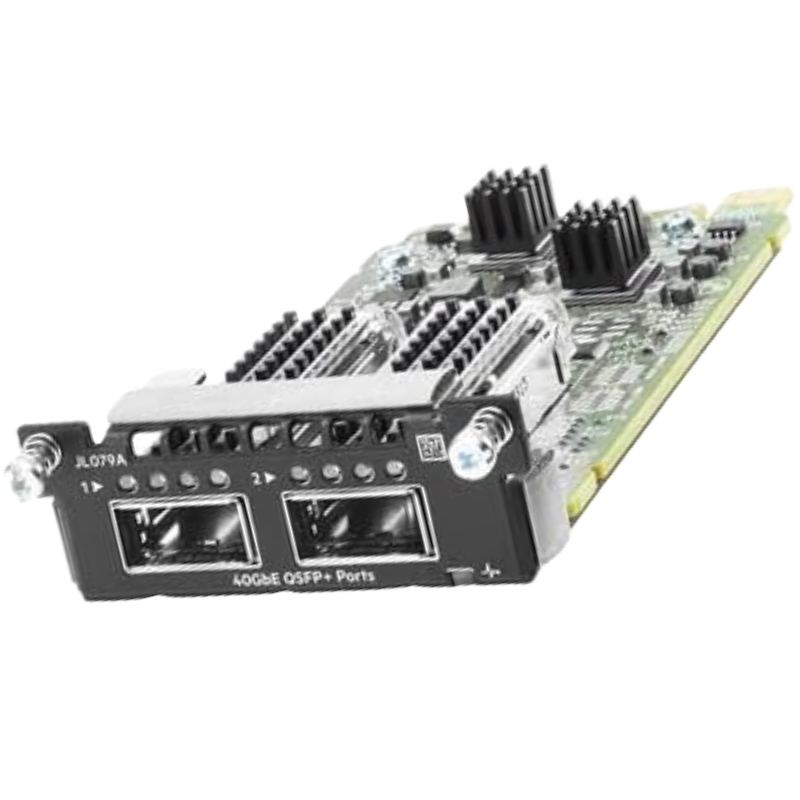
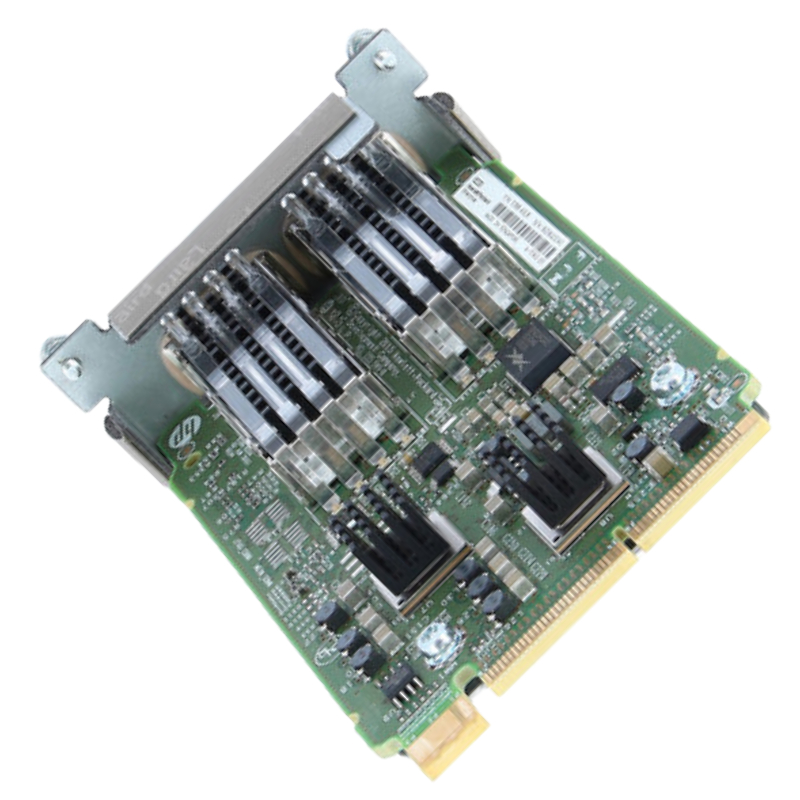
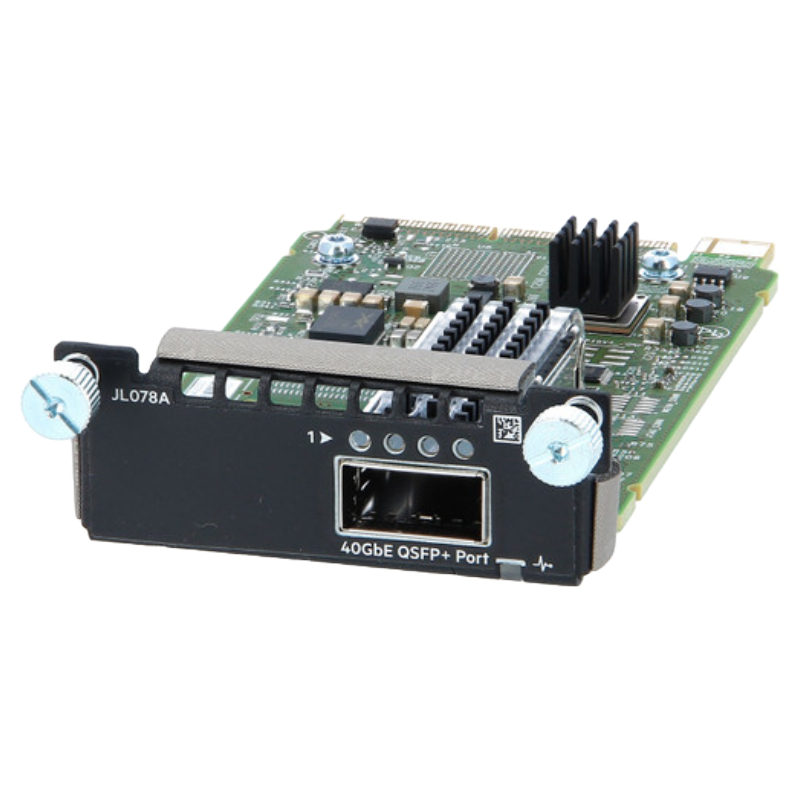
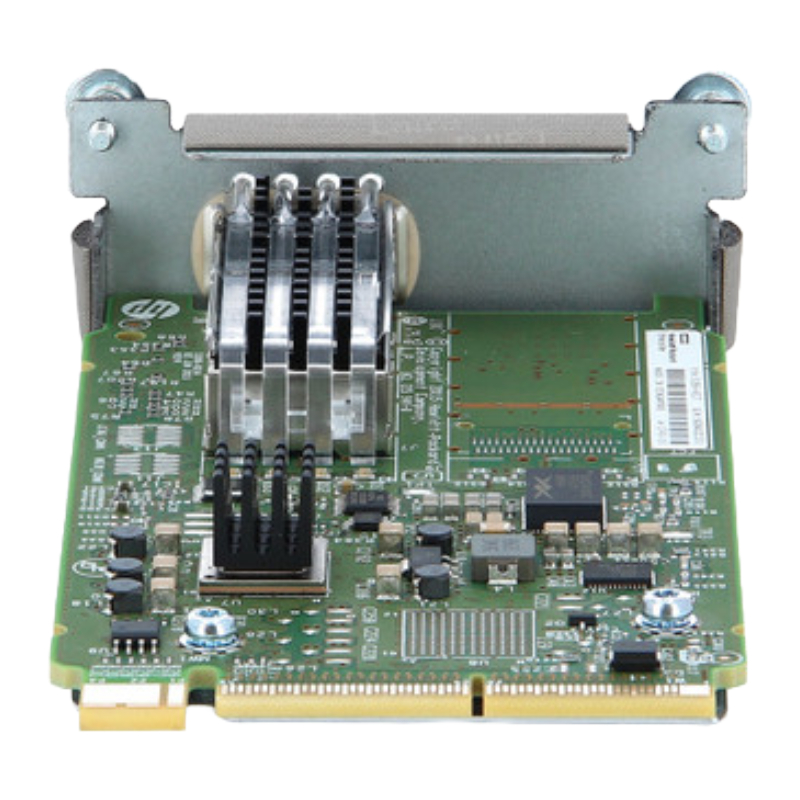
HPE JL079A Aruba 3810M 40GbE QSFP+ Module with 2 Ports. New Sealed Spare with 1 year replacement warranty
| SKU/MPN | Warranty | Price | Condition | You save |
|---|---|---|---|---|
| JL079A | 1 Year Warranty | $250.00 | New Factory-Sealed Spare | You save: $87.50 (26%) |
| JL079A | 1 Year Warranty | $285.00 | Factory-Sealed New in Original Box (FSB) | You save: $99.75 (26%) |
The HPE JL079A Aruba 3810M QSFP+ Module is engineered to expand uplink capacity with two high‑speed 40GbE ports, delivering dependable bandwidth aggregation and efficient data transport for enterprise switching environments. Designed for scalable network growth, this plug‑in module integrates seamlessly with Aruba modular infrastructures, offering robust performance for campus networks, distribution layers, and high‑demand backbone connections.
The HPE JL079A Aruba 3810M 40GbE QSFP+ Module with 2 Ports represents a high-performance uplink expansion component designed to enhance the capability of the Aruba 3810M switch series. It enables advanced network architectures by providing high-speed optical interconnectivity through QSFP+ interfaces. This module is engineered for enterprise-grade environments where bandwidth demand, low latency, and flexible uplink design are essential for maintaining stable and scalable network operations.
Built to integrate seamlessly into modular switch systems, this expansion module strengthens aggregation layers and supports high-capacity backbone connectivity. It is commonly deployed in environments that require reliable throughput between access, distribution, and core layers, ensuring efficient data movement across complex infrastructures.
The Aruba 3810M series is known for its modular architecture, allowing network administrators to expand uplink capacity based on evolving requirements. The HPE JL079A module is specifically designed for this platform, enabling two dedicated 40 Gigabit Ethernet QSFP+ ports that significantly increase switching flexibility. This integration supports dynamic network scaling without requiring full system replacement, making it suitable for long-term enterprise deployments.
Within the Aruba 3810M ecosystem, this module functions as a critical uplink enhancement tool that supports both high-density traffic aggregation and inter-switch connectivity. Its compatibility with the switch chassis ensures consistent performance and reliable operation under demanding workloads, including virtualization environments, cloud-based infrastructures, and large-scale enterprise networks.
The module leverages Quad Small Form-factor Pluggable Plus technology, commonly known as QSFP+, which enables four data transmission lanes within a single optical interface. Each lane operates at high speed to collectively achieve 40 Gigabit Ethernet throughput. This architecture ensures efficient bandwidth utilization and reduced latency when handling large volumes of network traffic.
The QSFP+ interface design also provides flexibility in optical transceiver selection, allowing compatibility with various fiber types and distances. This adaptability makes the module suitable for both short-range intra-building connections and long-distance inter-building network links, depending on the optical configuration deployed.
The 40GbE capability of the module is optimized for environments where data-intensive applications require uninterrupted throughput. Applications such as virtualization clusters, data replication systems, and high-performance computing networks benefit significantly from the increased bandwidth. The parallel lane architecture reduces bottlenecks and enhances data flow consistency across interconnected switches.
By minimizing transmission delays between uplink connections, the module contributes to lower end-to-end latency across the network. This characteristic is particularly important for real-time applications, including financial transactions, unified communications, and cloud-based application delivery systems. The optimized switching pathways ensure that data packets move efficiently across network layers.
The inclusion of two QSFP+ ports provides enhanced flexibility for network topology design. Administrators can configure redundant uplinks, load-balanced pathways, or dedicated high-capacity links depending on operational requirements. This dual-port architecture ensures that network resilience and performance can be balanced effectively within enterprise infrastructures.
The dual-port design also allows organizations to separate traffic types across different uplinks. For example, one port can handle storage replication traffic while the other manages application or user data flows. This segmentation contributes to improved traffic management and optimized network performance under heavy workloads.
Redundancy is a core feature supported by the dual-port design. In scenarios where one uplink experiences failure or degradation, the second port can maintain connectivity without interrupting critical operations. This redundancy is essential for environments requiring high availability and continuous uptime, such as enterprise data centers and service provider networks.
The module enables balanced traffic distribution across both ports, reducing congestion and improving overall throughput. Load distribution mechanisms ensure that no single uplink becomes a performance bottleneck, which enhances network stability during peak usage periods.
Scalability is a defining characteristic of the Aruba 3810M platform, and this module extends that capability further. By introducing 40GbE uplinks, organizations can scale their network infrastructure without redesigning the core architecture. This supports gradual expansion strategies where bandwidth requirements increase over time.
The modular design approach allows IT teams to adapt infrastructure based on workload demands. Whether expanding campus networks or upgrading data center interconnects, the module provides a cost-efficient pathway for scaling performance without significant disruption.
Modern enterprise environments generate increasing volumes of data due to cloud adoption, IoT expansion, and digital transformation initiatives. The module supports these evolving requirements by providing high-capacity uplink paths that accommodate growing traffic loads without performance degradation.
Within data center environments, the HPE JL079A module plays a key role in aggregation layers. It connects multiple access layer switches to core infrastructure, ensuring efficient traffic consolidation. The high-speed uplinks reduce congestion and improve data flow efficiency between server clusters and storage systems.
This aggregation capability is essential for maintaining performance consistency in environments with high virtualization density. As virtual machines and containers increase network demand, the module ensures that underlying infrastructure can support the required bandwidth levels.
The rise of virtualization and cloud computing has increased demand for high-bandwidth networking components. The module supports these environments by enabling fast data movement between virtualized workloads and storage systems. This ensures that virtual machine migrations, backup operations, and distributed application workloads operate efficiently.
Cloud-ready architectures benefit from the module’s ability to handle burst traffic conditions commonly associated with dynamic workload scaling. Its high throughput capacity ensures consistent performance even under fluctuating network demands.
Reliability is a critical design aspect of the module, ensuring consistent operation under continuous workload conditions. The hardware is designed to operate within enterprise-grade specifications, supporting long-term deployment in mission-critical environments.
Resilience is enhanced through redundant uplink configurations and stable optical connectivity. These features help maintain uninterrupted service availability even in the event of partial network failures or link disruptions.
The module contributes to fault-tolerant network design by enabling automatic failover capabilities when deployed in redundant configurations. This ensures that network services remain operational without manual intervention during hardware or link issues.
The HPE JL079A module is fully aligned with the Aruba networking ecosystem, ensuring seamless compatibility with Aruba 3810M switches. This compatibility extends to firmware, management tools, and network configuration frameworks commonly used in enterprise environments.
It supports interoperability with other Aruba switching components, enabling consistent performance across mixed infrastructure deployments. This ensures that organizations can expand their network gradually while maintaining system uniformity.
The physical construction of the module is optimized for compact integration within the switch chassis. Its design ensures efficient airflow management, contributing to stable thermal performance even under heavy network loads. Proper heat dissipation is essential for maintaining long-term hardware reliability.
The module’s structural design also emphasizes durability, ensuring it can withstand continuous operation in data center and enterprise environments. Its compact form factor allows efficient use of chassis space without compromising performance capability.
The module integrates with standard network monitoring systems used within Aruba environments. Administrators can track port utilization, bandwidth consumption, and link status to ensure optimal performance. This visibility supports proactive network management and capacity planning.
Monitoring capabilities allow IT teams to identify performance trends and adjust configurations accordingly. This contributes to improved operational efficiency and reduced downtime risk across enterprise networks.
The module is engineered to maintain consistent performance under high-demand network conditions. Its ability to support simultaneous high-speed data streams makes it suitable for environments where multiple applications compete for bandwidth resources.
Performance optimization is achieved through efficient traffic handling and high-capacity uplink pathways. This ensures that network congestion is minimized even during peak operational periods.
Different enterprise applications generate varying traffic patterns. The module accommodates these variations by providing sufficient bandwidth headroom to support unpredictable data bursts. This ensures smooth application performance across diverse workloads.
The module provides long-term value for organizations investing in scalable network infrastructure. Its ability to extend the life of existing switch platforms reduces the need for frequent hardware replacement. This contributes to cost efficiency and operational stability over time.
By supporting evolving bandwidth requirements, the module ensures that network infrastructure remains relevant in the face of continuous technological advancement and increasing data demands.


 Contact Us
 Information
 Catalog
 Solid State Drives (SSD)
 Network Switches
 Hard Disk Drives
 HBA & Controllers
 PC & Servers
 PC & Server Memory
 CPU & Processors
 Network Routers
 Power Supplies
 Tape Drives & Libraries
 Network Devices
 Computer & Network Cables