(7% discount is applied at checkout)
Cart is empty
Your go-to destination for cutting-edge server products
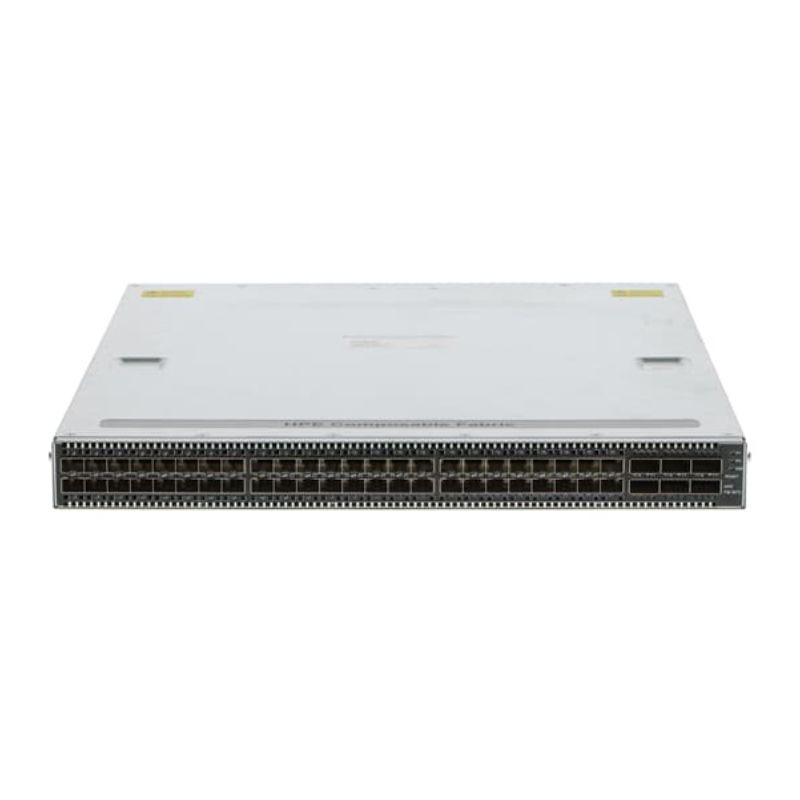


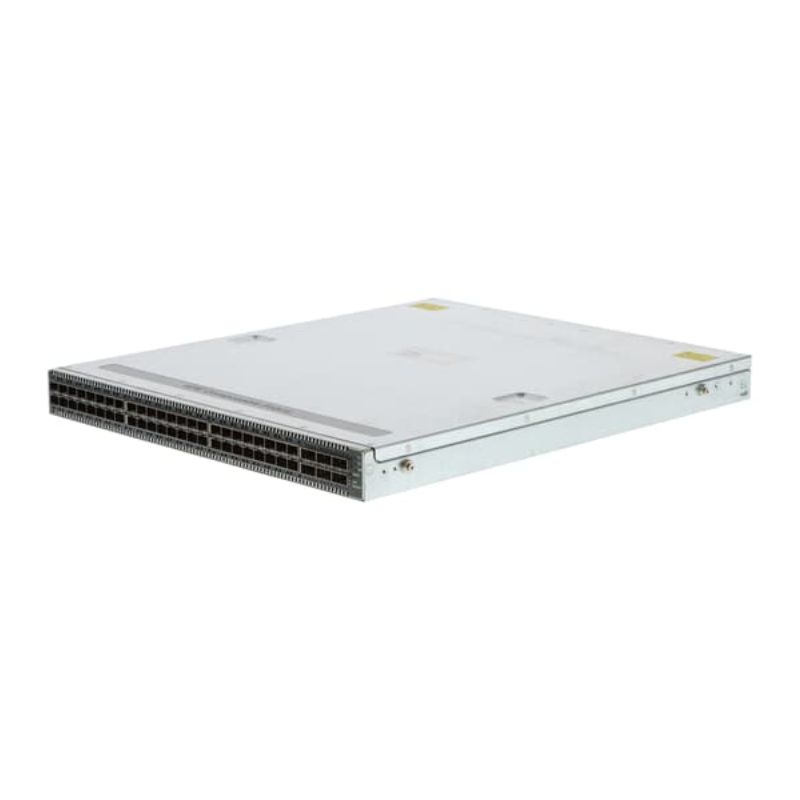
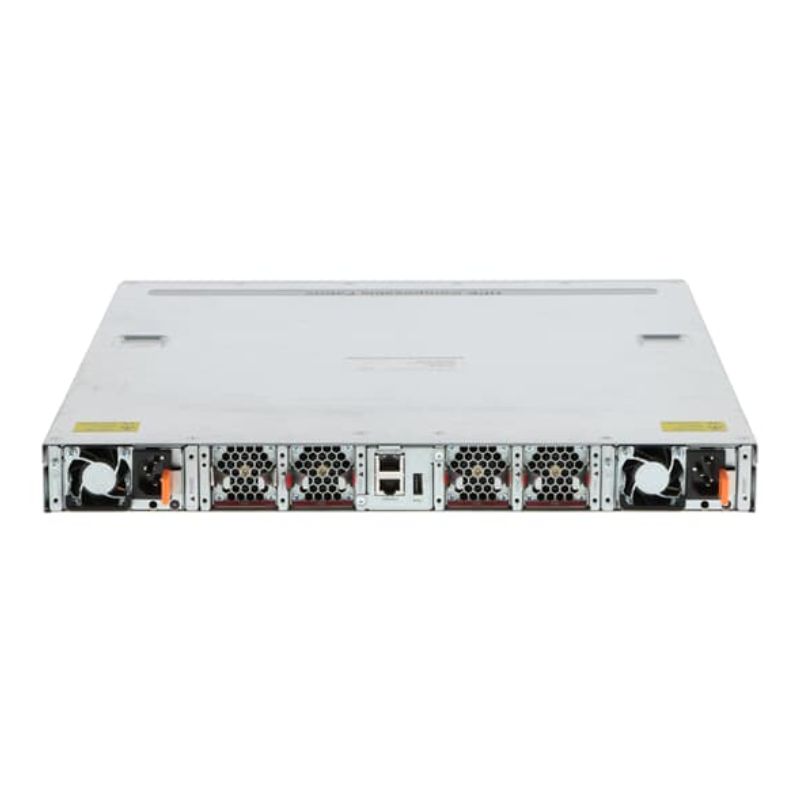
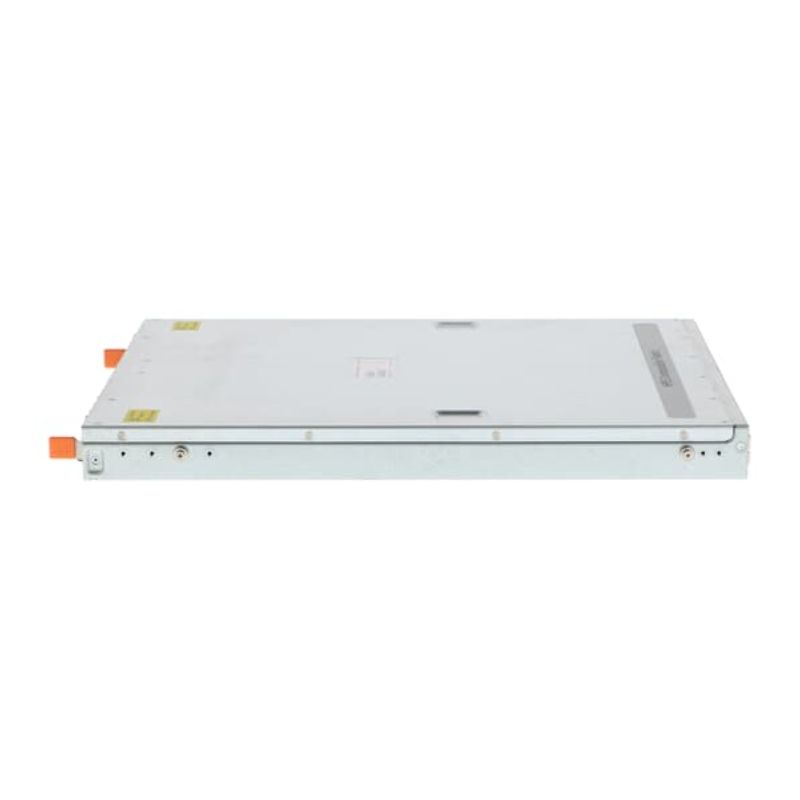
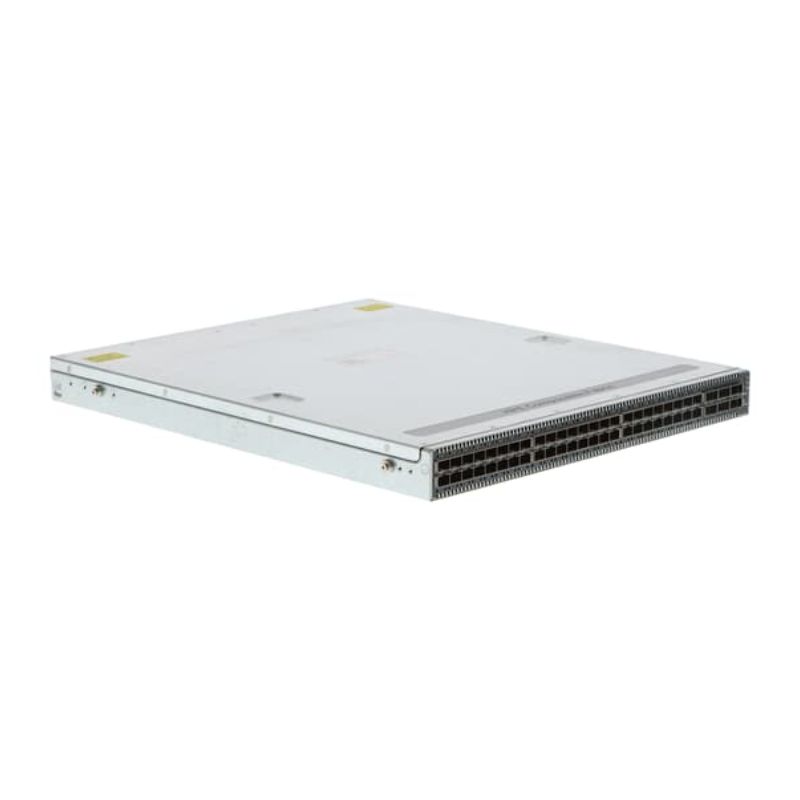
HPE P11589-001 Composable Fabric FM 2072 6-port QSFP And 48-Ports SFP+ Front-to-Back Module. Excellent Refurbished with 1 year Replacement Warranty
Designed for modern enterprise and cloud environments, this 1U rack-mount network switch delivers exceptional port density, low latency, and advanced traffic handling. It is optimized for scalable data centers that require fast east-west communication, flexible uplinks, and resilient hardware architecture.
The P11589-001 HPE Composable Fabric FM 2072 6-port QSFP+ and 48-port SFP+ Front-to-Back Module belongs to a specialized category of composable infrastructure networking components designed to deliver high-density, low-latency, and software-defined connectivity within modern data center environments. This category focuses on fabric modules that act as the networking backbone for composable systems, enabling pools of compute, storage, and networking resources to be dynamically assembled and reassembled based on workload demands.
Within composable fabric architectures, the FM 2072 module functions as a high-capacity interconnect that supports east-west traffic patterns, rapid provisioning, and consistent performance across multiple workloads. These modules are engineered to integrate seamlessly into composable frames, allowing IT teams to treat network connectivity as code-driven infrastructure rather than fixed hardware. The category emphasizes flexibility, automation, and scalability, making it ideal for private clouds, hybrid cloud extensions, and high-performance enterprise applications.
Fabric-based networking is a defining characteristic of this category. Instead of traditional hierarchical network designs, composable fabric modules provide a flat, high-bandwidth architecture that minimizes latency and reduces bottlenecks. The FM 2072 module exemplifies this approach by offering multiple high-speed uplink and downlink options, allowing traffic to flow efficiently between servers, storage resources, and upstream aggregation layers.
This category prioritizes deterministic performance and predictable latency, which are critical for applications such as virtualization, container orchestration, database clustering, and analytics platforms. By using a fabric model, network paths are optimized automatically, and congestion is minimized through intelligent traffic distribution. The FM 2072 module supports these principles by combining port density with advanced fabric intelligence.
Another defining aspect of this category is tight integration with composable infrastructure management frameworks. Fabric modules like the FM 2072 are designed to be managed programmatically, enabling administrators to define network profiles, VLANs, and bandwidth allocations through centralized software. This approach reduces manual configuration errors and accelerates deployment timelines.
The category supports rapid scaling by allowing additional fabric modules to be added without disrupting existing workloads. Front-to-back airflow design ensures compatibility with modern data center cooling strategies, maintaining thermal efficiency even as port density increases. This integration of physical design and logical management is central to the value proposition of composable fabric modules.
The category represented by the P11589-001 HPE Composable Fabric FM 2072 module is defined by its emphasis on high port density and versatile connectivity. With a combination of 6 QSFP+ ports and 48 SFP+ ports, this class of fabric modules is engineered to support a wide range of networking scenarios, from high-bandwidth uplinks to granular server-level connections.
QSFP+ ports in this category are typically used for high-speed aggregation or inter-fabric links, supporting breakout configurations and enabling flexible bandwidth allocation. SFP+ ports provide reliable 10Gb connectivity for servers, storage devices, or other network elements within the composable frame. This mix allows organizations to balance performance and cost while maintaining a unified fabric architecture.
Performance is a central theme within this category. Fabric modules are built to handle sustained high-throughput workloads without packet loss or jitter. The FM 2072 module aligns with this expectation by supporting non-blocking architectures and low-latency switching paths. These characteristics are essential for latency-sensitive applications such as real-time analytics, financial modeling, and transactional databases.
The category also emphasizes consistency under load. Even during peak utilization, fabric modules maintain predictable performance, which simplifies capacity planning and service-level management. This reliability is achieved through advanced buffering, intelligent flow control, and optimized internal switching fabrics.
Scalability is another defining feature of this category. Fabric modules are designed to grow with the environment, supporting incremental expansion without requiring a complete network redesign. The FM 2072 module fits into this model by allowing additional uplinks or downlinks to be activated as demand increases.
Future-proofing is addressed through support for industry-standard transceivers and cabling options, enabling organizations to adopt higher speeds or new technologies as they become available. This forward-looking design ensures that investments in composable fabric modules remain valuable over extended lifecycles.
Thermal efficiency and physical compatibility are critical considerations within the composable fabric module category. The P11589-001 HPE Composable Fabric FM 2072 module is part of a class of products specifically engineered for front-to-back airflow, aligning with modern hot-aisle and cold-aisle containment strategies used in enterprise and hyperscale data centers.
Front-to-back airflow ensures that cool air is drawn in from the front of the rack and exhausted at the rear, reducing recirculation and improving overall cooling efficiency. This design is essential for high-density networking equipment, where heat output can be significant due to the concentration of high-speed ports and switching components.
Within this category, thermal design directly impacts operational stability and hardware longevity. Fabric modules are expected to operate continuously under heavy workloads, often in densely populated frames. Efficient airflow and heat dissipation help maintain optimal operating temperatures, reducing the risk of thermal throttling or component degradation.
The FM 2072 module’s front-to-back airflow design supports predictable cooling behavior, making it easier for data center operators to plan and manage thermal loads. This predictability is especially important in large-scale deployments where even small inefficiencies can lead to significant energy costs.
Ease of integration and maintenance is another hallmark of this category. Fabric modules are designed for tool-less installation, hot-swappability, and clear port labeling, simplifying day-to-day operations. Front-facing ports improve accessibility, allowing technicians to connect or replace cables without disrupting adjacent equipment.
Maintenance efficiency contributes to reduced downtime and faster issue resolution. In composable environments, where infrastructure changes are frequent, the ability to quickly service fabric modules without impacting workloads is a key advantage of this category.
The composable fabric module category, exemplified by the P11589-001 HPE Composable Fabric FM 2072, is designed to support a wide array of enterprise and service provider use cases. These modules enable organizations to build agile, software-defined infrastructure that adapts to changing business requirements.
Common use cases include private cloud platforms, virtualized data centers, containerized application environments, and high-performance computing clusters. The high port density and flexible connectivity options allow multiple workload types to coexist on the same fabric without compromising performance or security.
Automation is a core value driver within this category. Fabric modules integrate with management software that enables policy-based configuration, automated provisioning, and real-time monitoring. This software-defined approach reduces operational complexity and accelerates time to value for new services.
By abstracting network configuration into reusable profiles, organizations can rapidly deploy new compute or storage resources with consistent connectivity settings. The FM 2072 module supports this model by providing the physical connectivity required to implement these profiles at scale.
From a business perspective, the composable fabric module category delivers improved agility and cost efficiency. By reducing the need for manual network reconfiguration and minimizing overprovisioning, organizations can optimize resource utilization and lower operational expenses.
The ability to scale incrementally, support diverse workloads, and maintain consistent performance makes this category particularly attractive for enterprises seeking to modernize their data centers. The FM 2072 module represents a high-density, future-ready option within this space, aligning technical capabilities with strategic business goals.


 Contact Us
 Information
 Catalog
 Solid State Drives (SSD)
 Network Switches
 Hard Disk Drives
 HBA & Controllers
 PC & Servers
 PC & Server Memory
 CPU & Processors
 Network Routers
 Power Supplies
 Tape Drives & Libraries
 Network Devices
 Computer & Network Cables