(7% discount is applied at checkout)
Cart is empty
Your go-to destination for cutting-edge server products
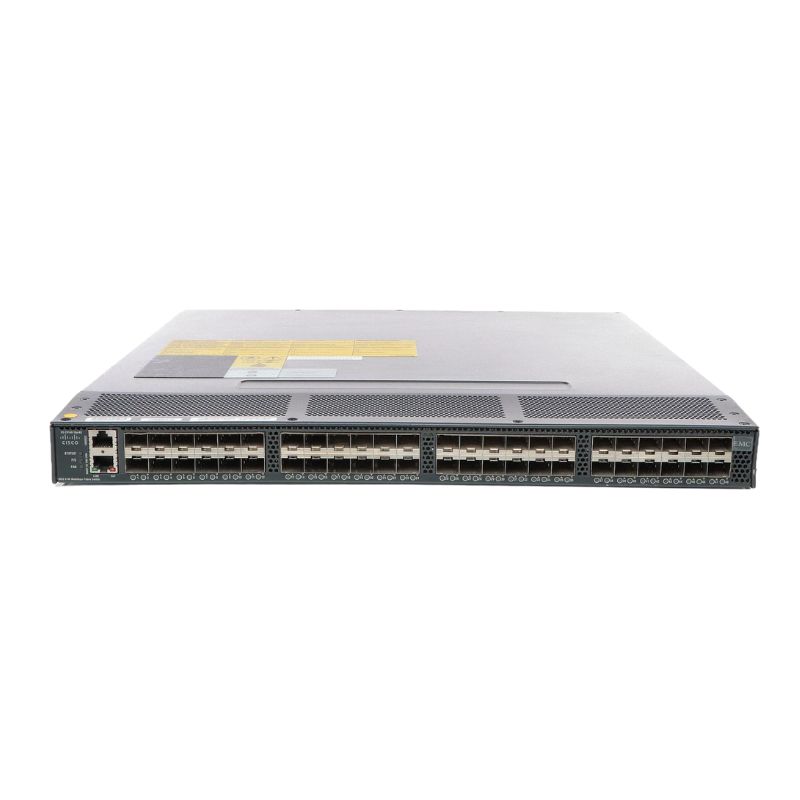


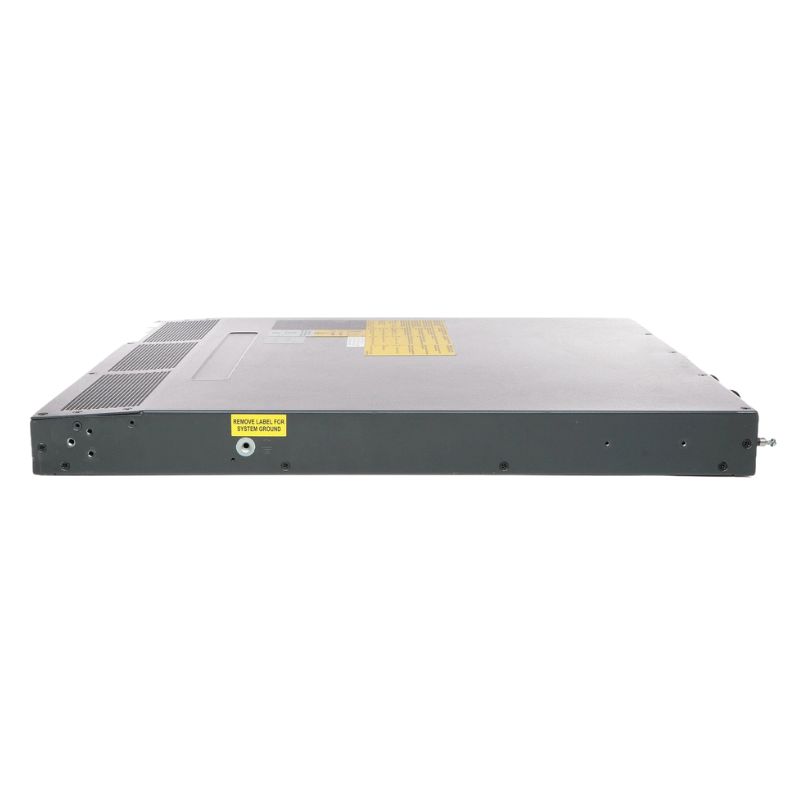
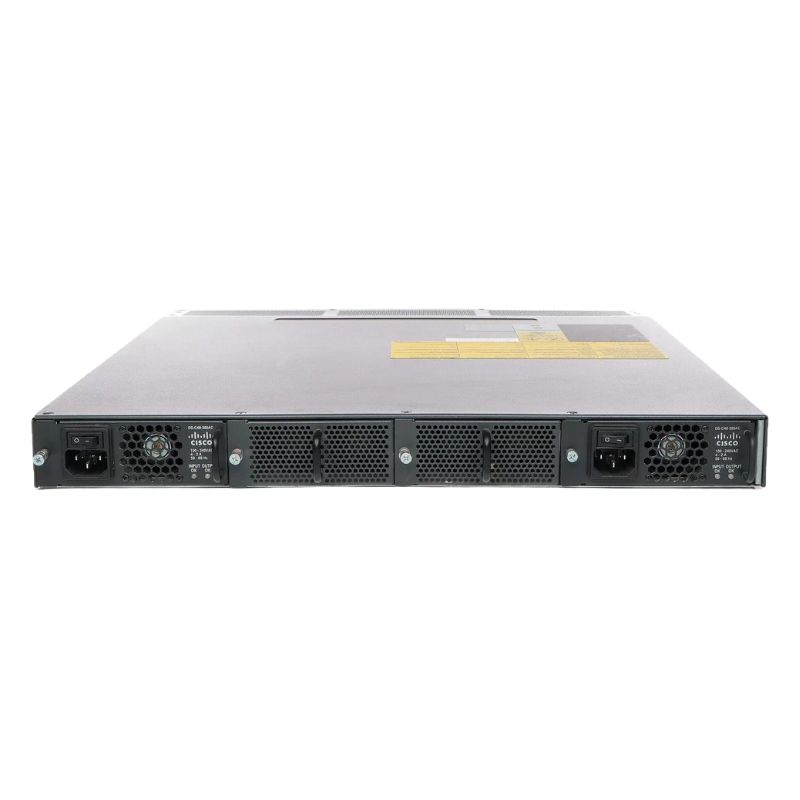
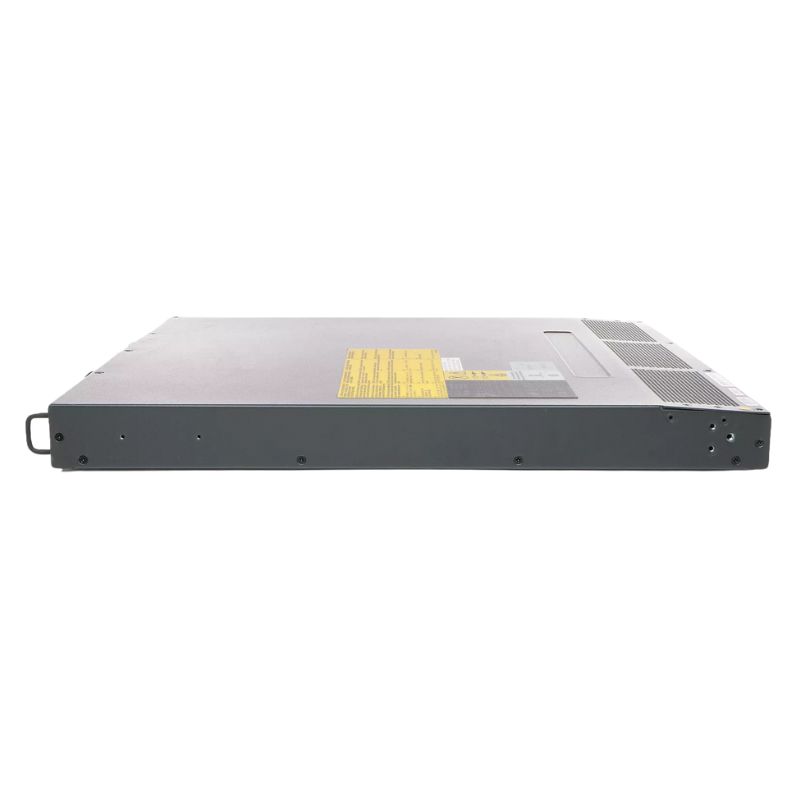
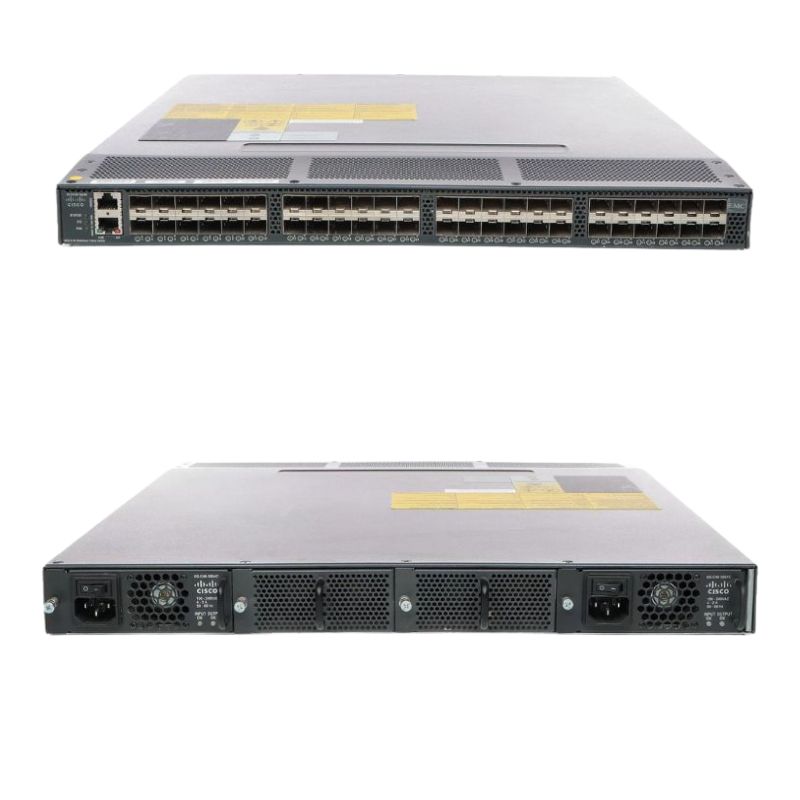
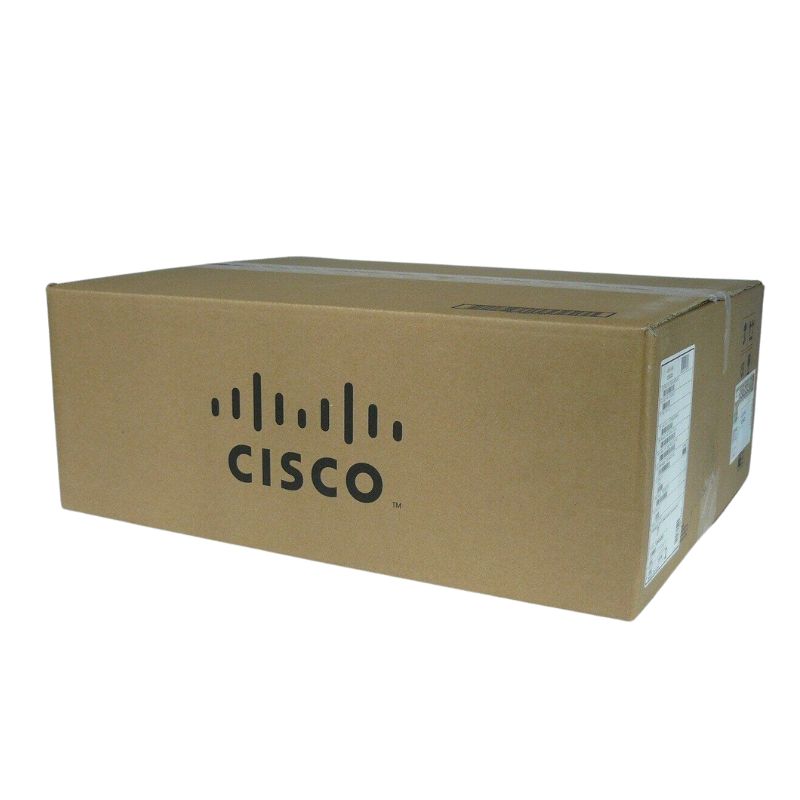
Cisco DS-C9148D-8G32P-K9 Multi-Layer Fabric Channel Managed Switch 32 Ports. Excellent Refurbished with 1 year replacement warranty
| SKU/MPN | Warranty | Price | Condition | You save |
|---|---|---|---|---|
| DS-C9148D-8G32P-K9 | 1 Year Warranty | $820.00 | Excellent Refurbished | You save: $287.00 (26%) |
| DS-C9148D-8G32P-K9 | 1 Year Warranty | $6,570.00 | New Sealed in Box (NIB) | You save: $2,299.50 (26%) |
The Cisco DS-C9148D-8G32P-K9 is a versatile multi-layer Fibre Channel switch designed to enhance data center fabric performance with advanced features, high-speed connectivity, and dependable architecture. Engineered for enterprise-grade deployments, this model supports efficient traffic flow, sophisticated management capabilities, and secure data transfer across SAN infrastructures.
This switch complies with an extensive range of FC protocols, ensuring interoperability and flexibility for diverse SAN infrastructures.
The Cisco DS-C9148D-8G32P-K9 Multi-Layer Fabric Channel Managed Switch 32 Ports occupies a focused and strategic position within enterprise networking categories that target data center fabric, storage area networks (SAN), and converged infrastructure deployments. This category description explores the DS-C9148D-8G32P-K9 as a representative product in the high-performance Cisco fabric channel switch segment, highlighting architectural design, technical capabilities, typical deployment topologies, operational advantages, and procurement considerations that matter to network architects, storage administrators, and procurement specialists searching for a reliable, scalable, and manageable 32-port fabric switch.
The DS-C9148D-8G32P-K9 is defined by its multi-layer fabric channel architecture, which is engineered to address demanding low-latency, high-throughput environments. The switch supports full fabric-layer switching capabilities and is optimized to handle the unique traffic patterns of storage fabrics and server-to-storage connectivity. Its 32-port configuration balances port density and power/space efficiency for rack-level aggregation or top-of-rack (ToR) placements in dense server or storage racks. The platform's switching fabric, forwarding planes, and hardware offload functions are designed to reduce protocol processing overhead and to deliver consistent, predictable latency for mission-critical workloads.
Physically, the DS-C9148D-8G32P-K9 fits into standard rack environments while prioritizing thermal efficiency and cable management. The chassis layout and port orientation are optimized to reduce airflow disruption and to support high-availability power configurations where dual power supplies are required. From a hardware perspective, the unit integrates ASIC-based forwarding engines and hardware-accelerated features that enable line-rate switching across all 32 ports. The inclusion of redundant power and cooling options helps maintain continuous operation under load, an essential factor in storage fabrics where downtime can lead to immediate application-level impact.
Connectivity on the DS-C9148D-8G32P-K9 is tailored for enterprise and data center cabling environments. The 32 ports are capable of supporting fabric channel protocols and are often used to connect host bus adapters (HBAs), storage arrays, and other fabric switches. Cabling strategies for deployments include short-range copper options for within-rack connections and fiber transceivers for longer runs between racks or across data halls. The switch’s port management tools support both manual and automated zoning setup, which simplifies establishing secure, logical topologies in storage environments where traffic segregation and host-to-LUN mappings matter.
Performance metrics for this family focus on throughput per port, aggregate bandwidth, and the platform’s ability to sustain I/O patterns typical of storage workloads. The multi-layer fabric approach helps optimize path selection and reduces oversubscription risk at critical aggregation points. End-to-end quality of service (QoS) mechanisms are supported to prioritize latency-sensitive traffic and to ensure predictable performance for storage replication, backup windows, and transactional databases. Performance scaling across multiple switches in a fabric is straightforward, enabling the platform to be part of a larger topology without introducing complicated configuration overhead.
Manageability is a primary consideration within this category. The DS-C9148D-8G32P-K9 supports robust management planes including command-line interface (CLI), web-based GUIs, and integration with centralized network management suites offered by Cisco. For teams that rely on automation, the switch supports scripting and programmability interfaces that allow repeatable and auditable configuration changes. Event logging, SNMP integration, and telemetry features provide operational visibility necessary for real-time troubleshooting and capacity planning. The included firmware and software modules are designed to support secure management access and to simplify routine tasks such as firmware upgrades, port lifecycle management, and fabric health checks.
Security features in this category extend beyond traditional port-based access control to include fabric-aware security constructs like zoning, role-based access control (RBAC) for management, and mechanisms for isolating sensitive traffic flows. Zoning is particularly crucial in storage fabrics because it enforces which hosts can access specific storage targets, thereby protecting data integrity and access to LUNs. The switch supports secure management channels, audit trails for administrative actions, and the ability to integrate with enterprise identity and access management solutions to centralize authorization and to maintain compliance with internal security policies.
High availability is embedded in the category’s design principles. The hardware supports redundant components where applicable, and the switch's firmware includes path redundancy mechanisms that enable fast failover in the event of link or component failures. Fabric topologies that include multiple fabric switches can be configured to provide active-active or active-passive resiliency, depending on application requirements. The DS-C9148D-8G32P-K9 is typically deployed in pairs or as part of a meshed fabric to maintain continuous data paths during maintenance windows or unforeseen hardware faults.
Enterprises adopt the DS-C9148D-8G32P-K9 family when they require dedicated, high-performance fabric switching for storage area networks, virtualization backends, or converged infrastructure. This switch is a preferred option for organizations that need tightly controlled connectivity for SAN traffic, consistent latencies for database clusters, and flexible zoning for multi-tenant storage environments. Hyperscale and cloud providers may also use this category of switches in racks where predictable storage performance is critical for service-level agreements. Additionally, the platform is suitable for backup, replication, and disaster recovery topologies that demand both throughput and secure, isolated paths for data movement.
Compatibility and integration are essential in storage fabrics. The DS-C9148D-8G32P-K9 supports interoperability with leading storage arrays and server HBAs, enabling straightforward integration into heterogeneous data centers. Vendors certify interoperability through compatibility matrices, reducing the validation burden for administrators and accelerating deployment timelines. Integration benefits extend to management and monitoring, where the switch can feed health and performance data into storage resource management tools that unify visibility across the storage and network layers.
Virtualized environments benefit from the switch’s ability to handle east-west traffic between hosts and storage arrays with minimal latency and predictable throughput. The platform supports fabric features that align well with virtual machine mobility, clustered storage, and software-defined storage constructs. In converged and hyperconverged infrastructures, where compute and storage layers are tightly integrated, the DS-C9148D-8G32P-K9 helps maintain required levels of performance and isolation while supporting the administrative models used by virtualization platforms and cloud orchestration tools.
When configuring the DS-C9148D-8G32P-K9 category devices, network and storage teams should adopt practices that prioritize redundancy, zoning hygiene, and consistent firmware baselines. Establishing a standard operating procedure for initial provisioning reduces configuration drift and supports reproducible deployments at scale. Logical zoning should be documented and automated where possible, with templates used for commonly repeated topologies. Monitoring should be configured to capture port utilization, error counters, and fabric health indicators so administrators can pro-actively identify anomalies before they affect applications. Backup and rollback plans for firmware upgrades are recommended to ensure that maintenance windows do not inadvertently lead to extended outages.
Proper QoS policies are necessary to ensure that latency-sensitive storage traffic receives priority over bulk transfers or non-critical flows. Administrators should define class-of-service profiles based on application requirements and apply these consistently across the fabric. Traffic shaping and rate-limiting can be used to safeguard critical paths during replication windows or when running simultaneous backup jobs. Combining QoS with monitoring enables dynamic adjustments and helps maintain predictable performance under fluctuating workloads.
Lifecycle management for switches in this category includes scheduled firmware validation cycles, spare parts planning, and capacity reassessment as storage growth occurs. It is advisable to maintain a spare hardware inventory for time-sensitive replacements in high-availability environments and to document end-of-support timelines for any platform models in use. Periodic capacity planning sessions should incorporate both port utilization trends and evolving application I/O characteristics so that the fabric scales in step with business demand.
When evaluating fabric channel switches in this category, buyers should align technical requirements with business objectives. Crucial decision criteria include the number of ports required today and in projected growth scenarios, the interoperability requirements with existing storage arrays and servers, redundancy and support needs, and the automation and management features that fit the operations model. Evaluating vendor roadmaps and firmware release cadences offers insight into future-proofing and long-term platform viability. Procurement teams should request detailed interoperability reports, reference architectures, and deployment guides to reduce deployment risk.
Negotiation strategies often include bundling hardware with software support subscriptions and training to achieve the best value. Enterprise buyers may seek multi-year contracts that lock in software assurance and offer predictable budgeting for maintenance. Organizations should also evaluate trade-in or upgrade programs that many vendors offer, which can offset purchase costs when replacing older hardware. Comparative analysis of total cost across different vendors should incorporate support levels, expected hardware lifespan, and hidden costs related to implementation and ongoing management.
Choosing the right vendor and channel partner can simplify deployment and ongoing operations. Partners that offer professional services, certified integration, and local support presence help accelerate time to value. Vendor partner ecosystems that include third-party monitoring tools, validated scripts for automation, and community-contributed best practices provide practical advantages that extend beyond the device itself. For larger programs, aligning with partners that can provide lifecycle services and managed operations reduces internal staffing pressure and improves service continuity.


 Contact Us
 Information
 Catalog
 Solid State Drives (SSD)
 Network Switches
 Hard Disk Drives
 HBA & Controllers
 PC & Servers
 PC & Server Memory
 CPU & Processors
 Network Routers
 Power Supplies
 Tape Drives & Libraries
 Network Devices
 Computer & Network Cables