(7% discount is applied at checkout)
Cart is empty
Your go-to destination for cutting-edge server products
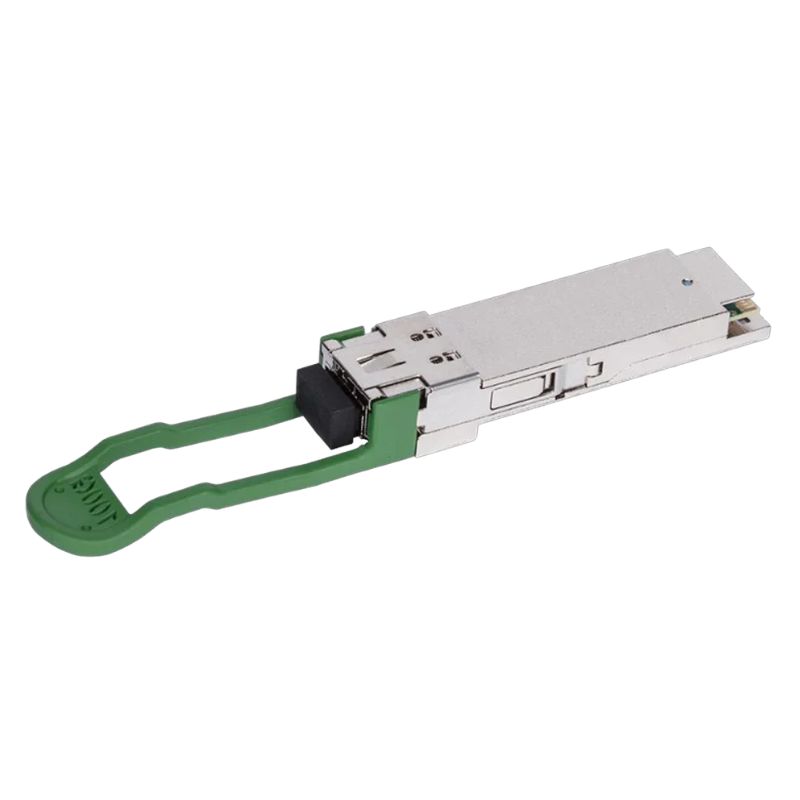


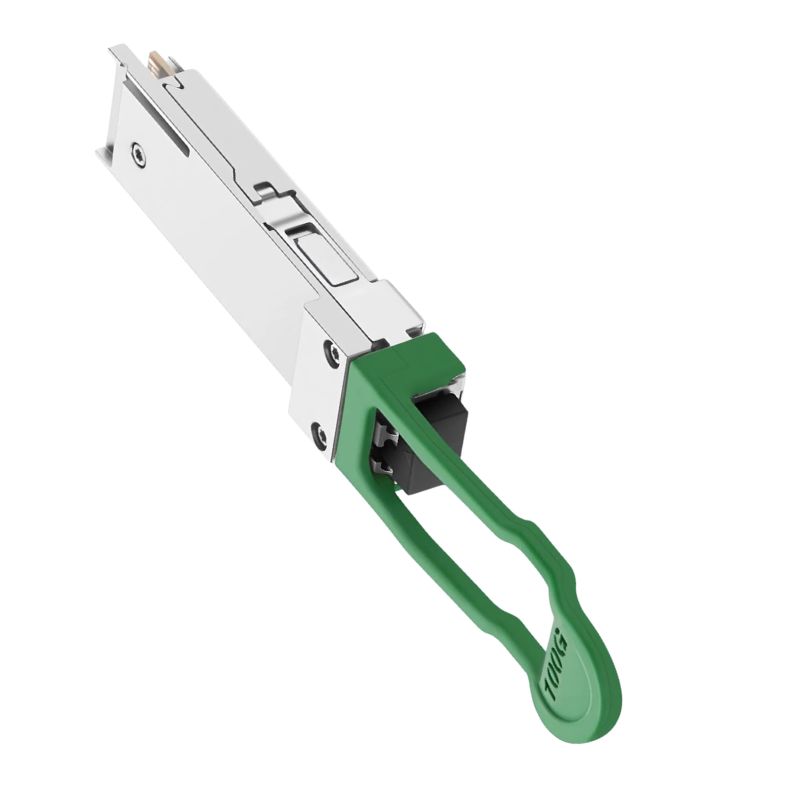
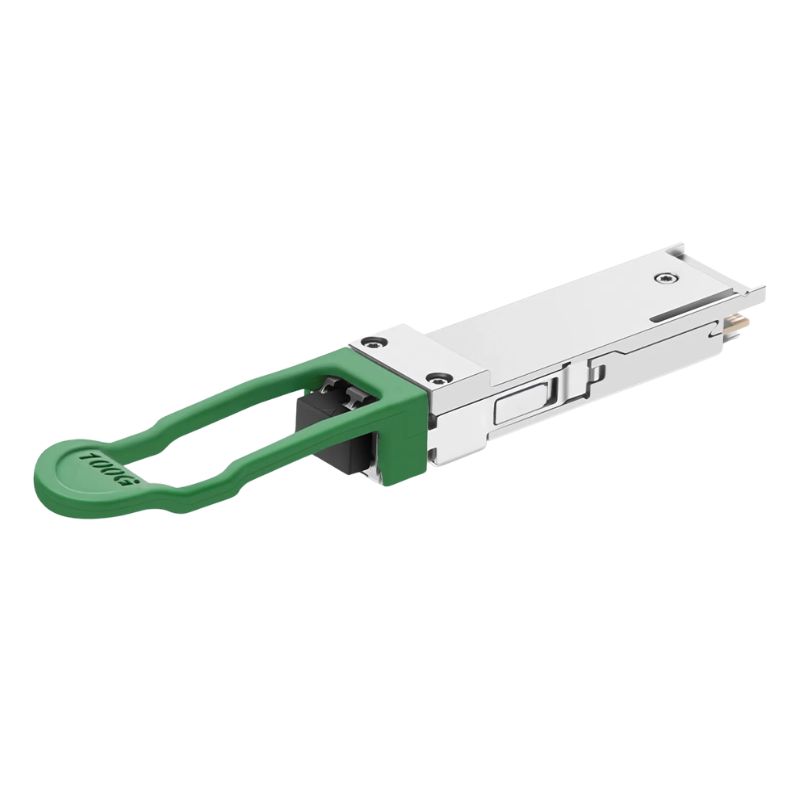
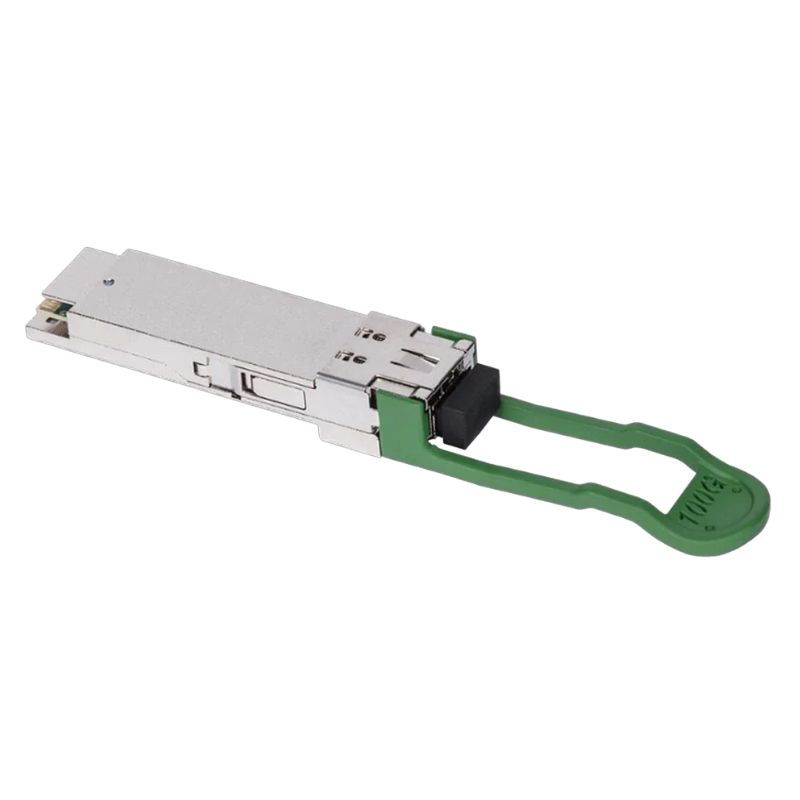
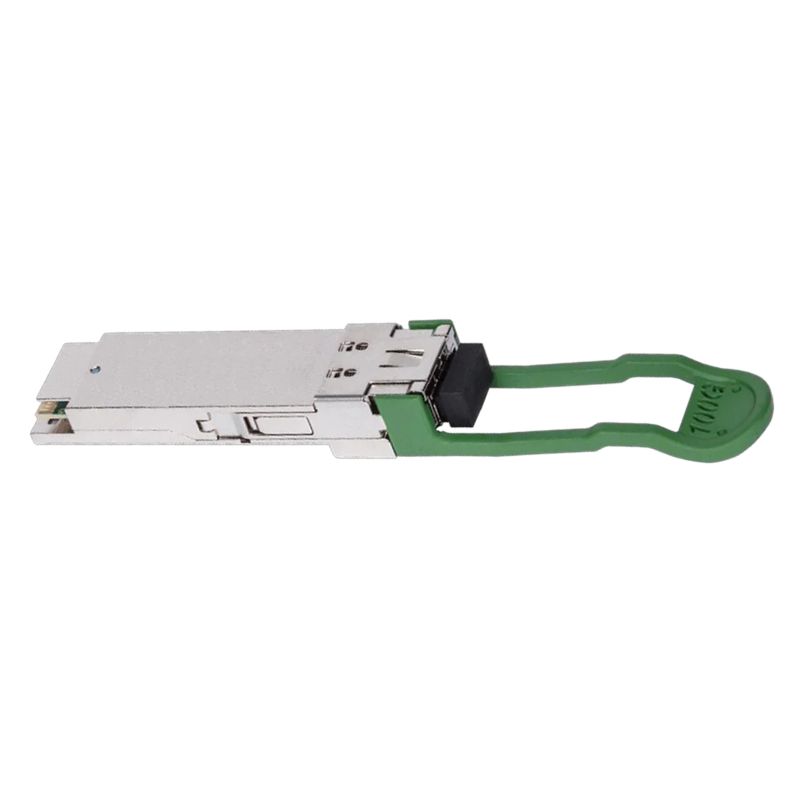
HPE R9B63-61001 Aruba Networking 100 Gigabit Qsfp28 Lc Fr1 Smf 2km Transceiver. New Sealed with 1 Year Replacement Warranty
Discover the high-performance HPE R9B63-61001, a cutting-edge 100 Gigabit QSFP28 transceiver from the trusted HPE Aruba Networking family. Designed for robust network infrastructures, this module ensures rapid and reliable data transfer across short and medium distances.
The HPE R9B63-61001 transceiver is fully compatible with HPE Aruba Networking devices and ideal for:
The HPE R9B63-61001 Aruba Networking 100G QSFP28 LC FR1 SMF 2km Transceiver is a high-performance optical module designed for enterprise, data center, and carrier-grade network environments. Leveraging cutting-edge technology, this transceiver provides reliable high-speed data transmission over single-mode fiber (SMF) for distances up to 2 kilometers, making it an ideal solution for short-range and inter-building connectivity. The QSFP28 form factor ensures compatibility with HPE and Aruba networking switches, enabling seamless integration into existing infrastructures while supporting high-density port deployments.
The 100G QSFP28 transceiver standard represents the latest advancement in optical networking, delivering 100 gigabits per second bandwidth per port. This high-capacity transceiver employs FR1 (Fast Rate 1) encoding, which allows efficient transmission over single-mode fiber while maintaining signal integrity. By using LC connectors, the R9B63-61001 simplifies fiber management and ensures secure connections with minimal insertion loss. This combination of performance and efficiency addresses the growing demand for high-bandwidth applications in modern networks, including cloud computing, virtualization, and high-performance computing workloads.
The HPE R9B63-61001 transceiver supports a variety of technical specifications that optimize network performance. Operating at 100G using four lanes at 25G each, the module ensures low latency and high throughput, critical for mission-critical applications. Its 2km reach over single-mode fiber makes it suitable for campus interconnects, data center spine-to-leaf connections, and metropolitan area networks. The transceiver operates within standard temperature ranges, providing robust reliability in diverse operational environments. Moreover, it supports digital diagnostics monitoring (DDM) to allow real-time assessment of parameters such as optical output power, received optical power, temperature, and supply voltage, facilitating proactive network maintenance and minimizing downtime.
Designed for single-mode fiber (SMF), the HPE R9B63-61001 offers superior signal integrity over extended distances. Single-mode fiber reduces modal dispersion and maintains high signal-to-noise ratios, making it ideal for data centers with dense fiber infrastructure or campus networks requiring inter-building connectivity. The 2km reach capability ensures flexible deployment options without the need for intermediate signal repeaters, reducing network complexity and cost. By focusing on SMF compatibility, this transceiver addresses the requirements of high-speed backbone networks and emerging 100G Ethernet deployments.
The HPE R9B63-61001 transceiver is particularly well-suited for enterprise and data center applications. In modern data centers, high-speed interconnectivity between top-of-rack (ToR) switches and aggregation or core switches is critical to maintain low latency and high throughput for applications such as database clusters, virtualized environments, and cloud services. This transceiver’s high bandwidth and extended reach support seamless communication between data center pods, multi-building campuses, and metropolitan fiber networks. The LC connector design facilitates quick installation and replacement in high-density switch configurations, further enhancing operational efficiency.
As an Aruba Networking certified transceiver, the HPE R9B63-61001 ensures full compatibility with Aruba and HPE networking switches, including top-of-rack and modular switches. This ensures optimized performance, adherence to industry standards, and compatibility with Aruba’s network management platforms such as Aruba Central. Integration with these platforms allows network administrators to monitor performance, manage network traffic, and implement configuration changes efficiently. This seamless integration minimizes interoperability challenges and ensures high-performance network operations without compromising stability.
In large-scale network deployments, port density and space efficiency are critical considerations. The QSFP28 form factor of the HPE R9B63-61001 enables multiple 100G connections in a compact footprint, maximizing switch port utilization while minimizing rack space. This is particularly important in modern data centers where the cost of space, power, and cooling are significant operational concerns. By enabling high-bandwidth connections within limited physical space, the R9B63-61001 supports scalable network architectures without sacrificing performance or reliability.
High reliability is a cornerstone of the HPE R9B63-61001 transceiver design. It is engineered to operate under varying environmental conditions while maintaining consistent performance. The inclusion of digital diagnostics monitoring (DDM) allows network administrators to track optical and electrical parameters in real time. By providing early warnings of potential degradation in optical signal quality or module health, network teams can proactively schedule maintenance, reducing the risk of unplanned downtime and costly network interruptions. This proactive approach to network management is essential for organizations that rely on high availability for mission-critical services.
Modern networks not only demand high performance but also energy efficiency. The HPE R9B63-61001 QSFP28 transceiver is designed with low power consumption in mind, ensuring that high-speed connectivity does not come at the expense of increased operational costs. Its energy-efficient design aligns with green data center initiatives, helping organizations reduce their carbon footprint. The combination of performance and energy efficiency makes this transceiver suitable for large-scale network environments where both operational cost savings and environmental sustainability are priorities.
The R9B63-61001 transceiver is future-proofed to support evolving network standards and higher bandwidth requirements. As enterprise networks migrate towards 400G and 800G aggregation layers, 100G QSFP28 modules provide an essential bridge for incremental upgrades without overhauling existing infrastructure. This modularity ensures that organizations can scale their networks in response to increased demand for high-speed data, cloud applications, and virtualized services. The transceiver’s compatibility with emerging Ethernet standards ensures long-term investment protection and seamless network expansion.
Compared to other 100G transceivers in the market, the HPE R9B63-61001 stands out due to its optimal balance of performance, reliability, and compatibility. Its 2km reach is particularly advantageous for short-range SMF deployments compared to higher-cost DWDM or CWDM modules designed for longer distances. The transceiver’s compliance with QSFP28 MSA standards ensures interoperability with a wide range of networking equipment, making it a versatile choice for enterprises, service providers, and campus networks. Its performance metrics, such as low latency and high optical budget, position it as a premium option for high-speed networking environments demanding robust connectivity and operational simplicity.
The HPE R9B63-61001 transceiver is ideal for several deployment scenarios. In campus networks, it can connect multiple buildings with reliable 100G links, supporting high-bandwidth applications such as video conferencing, cloud access, and large-scale file transfers. In data centers, it serves as a backbone link between aggregation and core switches, ensuring low-latency communication between server clusters and storage systems. For service providers, the transceiver enables efficient metro Ethernet deployments, supporting high-capacity traffic across city-wide networks while minimizing signal degradation and maintaining consistent service levels.


 Contact Us
 Information
 Catalog
 Solid State Drives (SSD)
 Network Switches
 Hard Disk Drives
 HBA & Controllers
 PC & Servers
 PC & Server Memory
 CPU & Processors
 Network Routers
 Power Supplies
 Tape Drives & Libraries
 Network Devices
 Computer & Network Cables