(7% discount is applied at checkout)
Cart is empty
Your go-to destination for cutting-edge server products


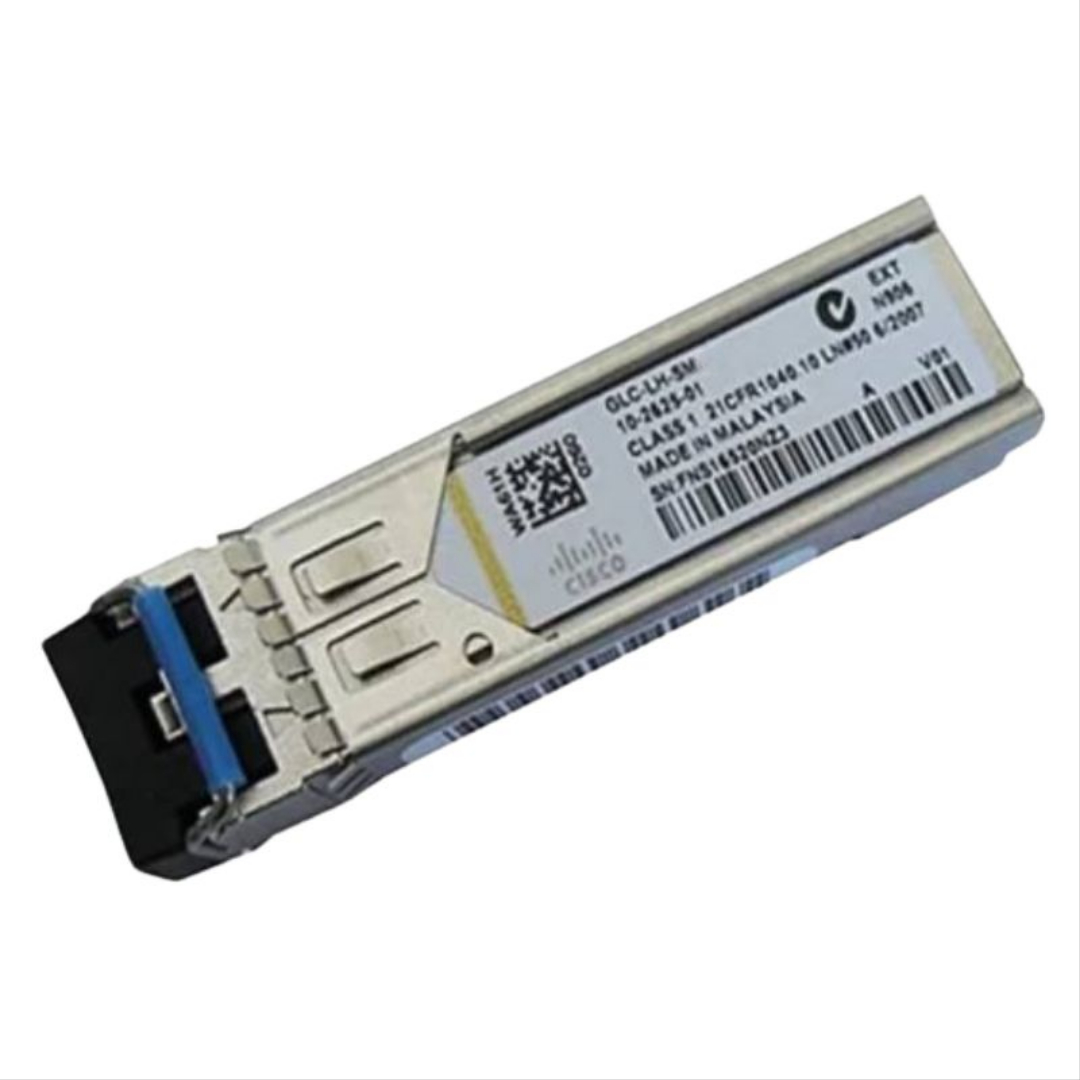
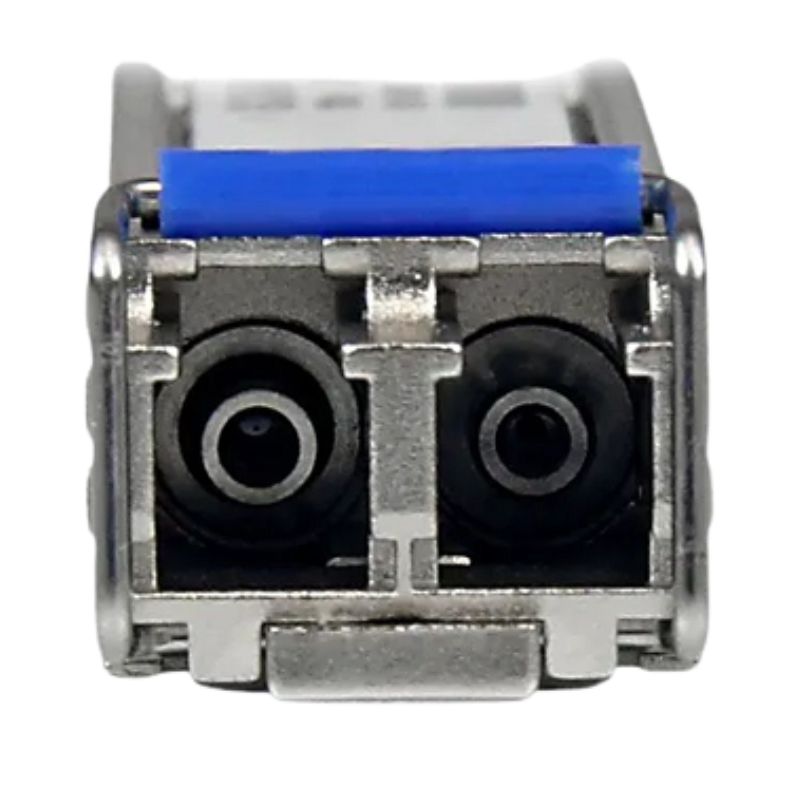
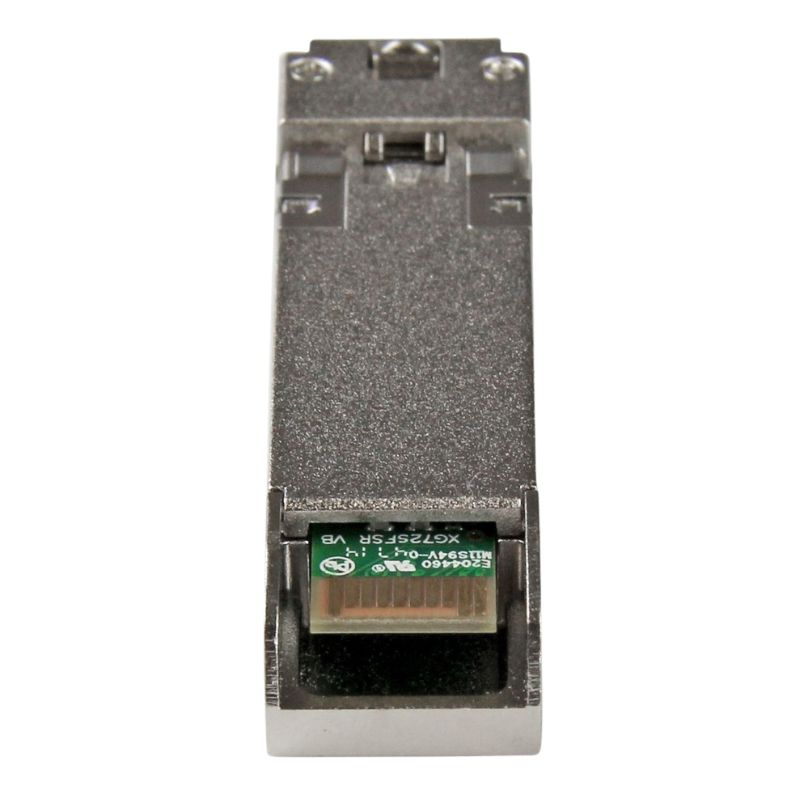
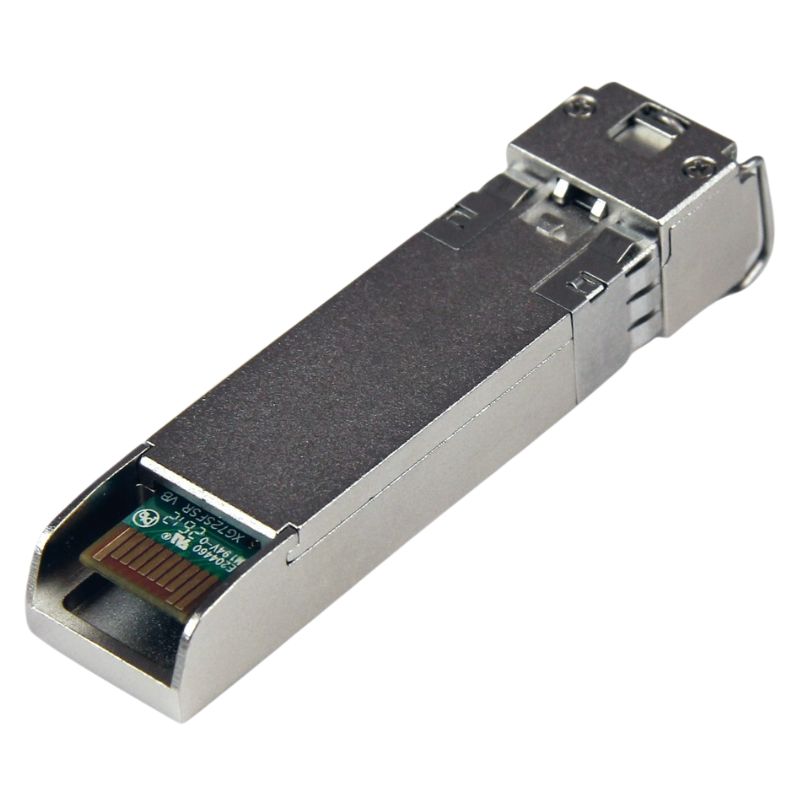
Cisco GLC-LH-SM= GBIC-SFP Transceiver Module LC Connector. Factory-Sealed New in Original Box (FSB) with 1 year replacement warranty
| SKU/MPN | Warranty | Price | Condition | You save |
|---|---|---|---|---|
| GLC-LH-SM= | 1 Year Warranty | $52.00 | Excellent Refurbished | You save: $18.20 (26%) |
| GLC-LH-SM= | 1 Year Warranty | $137.00 | Factory-Sealed New Retail in Original Box (FSB) | You save: $47.95 (26%) |
The Cisco GLC-LH-SM= is a high-performance 1000BASE-LX/LH Small Form-Factor Pluggable (SFP) transceiver module engineered to provide reliable Gigabit Ethernet connectivity across fiber optic networks. Designed for enterprise, campus, metropolitan, and data center environments, this hot-swappable mini-GBIC module supports high-speed data transmission over both single-mode and multimode fiber using a standard LC duplex optical interface. Operating at a 1310 nm wavelength, it delivers stable network performance, exceptional signal integrity, and seamless integration with compatible Cisco networking equipment. Its compact form factor enables efficient port utilization while simplifying installation, maintenance, and future network expansion.
The Cisco GLC-LH-SM= GBIC-SFP Transceiver Module LC Connector category is widely recognized as an important solution for Gigabit Ethernet fiber connectivity in enterprise, campus, data center, and service provider networking environments. Designed to support reliable optical communication across single-mode fiber infrastructure, this transceiver module category enables network administrators to build dependable, scalable, and efficient communication links between switches, routers, security appliances, storage platforms, and other networking devices. Organizations seeking stable long-distance optical connectivity often select this category because it combines compact form factor design with consistent optical transmission capabilities suitable for demanding network deployments.
As digital transformation initiatives continue expanding across industries, reliable fiber optic connectivity has become an essential requirement rather than an optional enhancement. Businesses increasingly depend upon cloud computing, virtualization, unified communications, remote collaboration, centralized storage, and distributed applications that require dependable network infrastructure. The Cisco GLC-LH-SM= GBIC-SFP Transceiver Module LC Connector category supports these evolving requirements by providing optical communication that minimizes signal degradation while supporting efficient Gigabit Ethernet connectivity across enterprise environments.
Network architects frequently design infrastructures that must remain operational throughout continuous business activity while accommodating future expansion. Optical transceiver modules represent one of the smallest physical components within the networking ecosystem, yet they contribute significantly to overall communication reliability, operational efficiency, and infrastructure flexibility. Proper optical connectivity allows organizations to establish secure communication paths between critical network devices while maintaining consistent performance under varying traffic conditions.
An optical transceiver serves as the communication bridge between network equipment and fiber optic cabling. Rather than transmitting electrical signals through copper wiring, the module converts electrical network traffic into optical signals suitable for transmission through fiber infrastructure. At the receiving endpoint, those light signals are converted back into electrical data that networking equipment can process efficiently.
This conversion process allows enterprise networks to achieve significantly greater transmission distances than traditional copper-based Ethernet while reducing susceptibility to electromagnetic interference and environmental electrical noise. The Cisco GLC-LH-SM= GBIC-SFP Transceiver Module LC Connector category is designed to provide dependable signal conversion that supports continuous communication between interconnected network devices across large physical environments.
Reliable optical conversion contributes directly to application responsiveness, storage synchronization, centralized authentication, cloud connectivity, enterprise communications, network monitoring, and business continuity initiatives that require uninterrupted data transmission.
The Small Form-Factor Pluggable design has become one of the most widely adopted transceiver standards within enterprise networking because it allows organizations to maximize interface density while maintaining deployment flexibility. Compact dimensions enable networking equipment manufacturers to integrate numerous optical interfaces into a single switch or router without significantly increasing hardware size.
High-density interface configurations benefit organizations operating large campus environments, enterprise data centers, cloud facilities, manufacturing campuses, healthcare institutions, financial organizations, government agencies, educational campuses, and telecommunications networks where numerous fiber connections must coexist within limited rack space.
The modular architecture also simplifies maintenance because transceivers can be replaced individually without requiring complete hardware replacement. This flexibility supports efficient lifecycle management while reducing maintenance costs and minimizing operational disruption during equipment servicing.
Single-mode fiber remains the preferred transmission medium for enterprise environments requiring reliable communication across extended distances. The Cisco GLC-LH-SM= GBIC-SFP Transceiver Module LC Connector category is commonly deployed with single-mode fiber infrastructure because this cable type offers excellent signal preservation and efficient optical transmission characteristics suitable for demanding networking applications.
The smaller core diameter of single-mode fiber minimizes light dispersion during transmission, allowing optical signals to travel considerably farther than those supported by multimode fiber. Organizations constructing large campus environments, regional facilities, metropolitan networks, industrial complexes, healthcare systems, transportation infrastructure, and distributed enterprise operations frequently rely upon single-mode fiber to maintain dependable connectivity between geographically separated locations.
Network planners appreciate the long-term investment value associated with single-mode fiber because it provides flexibility for infrastructure growth while supporting evolving communication requirements over many years of operation.
One of the defining advantages of single-mode optical communication is the ability to maintain stable transmission quality across long physical distances. Enterprise organizations often connect headquarters with branch facilities, administrative buildings, manufacturing plants, warehouses, laboratories, disaster recovery sites, and remote data centers through fiber infrastructure spanning several kilometers.
The Cisco GLC-LH-SM= GBIC-SFP Transceiver Module LC Connector category supports these deployments by enabling dependable optical communication that preserves network integrity throughout extended communication paths. Reliable long-distance connectivity allows centralized information technology teams to manage distributed operations efficiently while maintaining secure communication between critical infrastructure components.
Extended optical reach also simplifies infrastructure planning because organizations can centralize computing resources while providing consistent network access to remote operational sites.
Optical signal stability directly influences network performance, user productivity, and application availability. Even minor transmission inconsistencies may affect communication quality across enterprise systems that depend upon continuous information exchange.
The Cisco GLC-LH-SM= GBIC-SFP Transceiver Module LC Connector category supports reliable optical communication by maintaining consistent signal transmission characteristics suitable for enterprise Gigabit Ethernet environments. Stable signal performance contributes to efficient file transfers, uninterrupted database communication, dependable cloud connectivity, reliable storage synchronization, and responsive enterprise applications.
Consistent optical transmission also reduces troubleshooting complexity because predictable communication characteristics simplify fault isolation during routine maintenance and network expansion activities.
The LC connector has become one of the most widely accepted connector standards within enterprise fiber optic infrastructure because it combines compact physical dimensions with dependable optical alignment. The Cisco GLC-LH-SM= GBIC-SFP Transceiver Module LC Connector category incorporates LC connectivity to support standardized enterprise cabling practices across diverse networking environments.
Standardized connector technology provides significant operational benefits because installation teams, maintenance personnel, and network administrators can maintain consistent cabling procedures regardless of deployment size. This consistency contributes to simplified documentation, predictable maintenance workflows, and improved infrastructure organization throughout enterprise facilities.
High-density network cabinets benefit especially from compact connector formats because they maximize available rack space while maintaining adequate accessibility for installation, inspection, testing, and replacement activities.
Enterprise networking equipment frequently operates within densely populated equipment racks containing numerous switches, routers, patch panels, security appliances, storage systems, and server platforms. Efficient cable organization plays an important role in maintaining airflow, simplifying maintenance, and reducing accidental connection errors.
The compact LC connector design allows higher port density than many earlier connector formats while preserving dependable optical alignment. Organizations deploying hundreds or thousands of fiber connections throughout multiple facilities often appreciate this design because it contributes to organized infrastructure capable of supporting future growth.
Efficient cable management also improves operational safety by reducing unnecessary cable congestion that may interfere with equipment servicing or cooling performance.
Physical connector quality influences overall communication reliability because even minor alignment inconsistencies can affect optical performance. The Cisco GLC-LH-SM= GBIC-SFP Transceiver Module LC Connector category supports dependable physical connections designed for repeated installation, removal, inspection, and maintenance throughout normal infrastructure lifecycle activities.
Secure connector engagement minimizes accidental disconnection while maintaining consistent optical alignment between networking devices and fiber cabling. Stable physical connectivity contributes to continuous enterprise operations by reducing communication interruptions associated with loose or improperly seated optical connections.
Gigabit Ethernet continues serving as an essential networking standard across organizations of every size. Although higher-speed technologies support specialized environments, Gigabit Ethernet remains extensively deployed throughout campus access layers, branch office networks, administrative facilities, industrial environments, healthcare institutions, educational campuses, hospitality organizations, retail operations, logistics centers, and enterprise communication infrastructures.
The Cisco GLC-LH-SM= GBIC-SFP Transceiver Module LC Connector category enables efficient Gigabit Ethernet communication over fiber optic media while supporting interoperability with compatible networking platforms. Organizations implementing scalable enterprise infrastructure frequently continue expanding Gigabit Ethernet deployments because of their balance between performance, reliability, operational efficiency, and infrastructure compatibility.
Gigabit connectivity supports numerous enterprise workloads including document management systems, centralized authentication platforms, enterprise resource planning software, financial applications, inventory management systems, collaboration environments, storage communication, backup operations, cloud integration, unified communications, virtualization platforms, and security monitoring solutions.
Enterprise switches represent the foundation of modern local area networking by connecting users, servers, wireless infrastructure, storage resources, security platforms, and cloud gateways into unified communication environments. Optical transceiver modules enable these switches to exchange information efficiently across distribution layers, core networks, and campus backbone infrastructure.
The Cisco GLC-LH-SM= GBIC-SFP Transceiver Module LC Connector category supports switching environments where dependable optical communication contributes directly to user productivity and operational continuity. Reliable switch interconnection allows organizations to maintain centralized management while supporting distributed business operations across multiple physical locations.
Enterprise data centers depend on highly reliable optical communication to support continuous access to applications, storage resources, virtualization platforms, and cloud-connected services. The Cisco GLC-LH-SM= GBIC-SFP Transceiver Module LC Connector category plays a valuable role in maintaining dependable Gigabit Ethernet communication between critical infrastructure components. As organizations expand their digital operations, the demand for consistent fiber connectivity continues to increase across server environments, storage networks, disaster recovery facilities, and centralized computing platforms.
Modern data centers contain numerous interconnected systems that must exchange information with minimal delay while maintaining stable network availability. Optical transceiver modules help establish these communication paths by providing reliable interfaces between switches, routers, network security appliances, storage controllers, and virtualization hosts. The compact design of the Cisco GLC-LH-SM= GBIC-SFP Transceiver Module LC Connector also supports efficient rack utilization, allowing administrators to deploy multiple fiber connections within high-density environments without unnecessary complexity.
Organizations that invest in structured fiber infrastructure often appreciate the long operational life associated with optical networking. Stable communication links simplify infrastructure planning while providing sufficient flexibility to accommodate future business expansion, additional computing resources, and evolving networking requirements.
Storage systems represent one of the most important components within enterprise information technology environments. Databases, business applications, virtual machines, collaboration platforms, and backup repositories all depend upon dependable communication between servers and storage resources. The Cisco GLC-LH-SM= GBIC-SFP Transceiver Module LC Connector category supports networking environments where consistent optical communication contributes to efficient storage accessibility and uninterrupted operational performance.
Reliable connectivity allows storage traffic to move efficiently throughout enterprise infrastructure while reducing communication interruptions that may affect application availability. Organizations managing large volumes of business information frequently rely on fiber optic communication because of its stability and ability to support centralized storage architectures across multiple facilities.
Optical networking also supports storage replication between production and backup locations, helping organizations strengthen business continuity strategies while protecting valuable digital assets.
Virtualization has transformed enterprise computing by allowing multiple workloads to operate efficiently on shared hardware resources. Virtual servers, virtual desktop environments, private cloud platforms, and software-defined infrastructure all require dependable network connectivity to maintain communication between hosts, storage devices, management platforms, and user endpoints.
The Cisco GLC-LH-SM= GBIC-SFP Transceiver Module LC Connector category contributes to virtualization environments by supporting stable optical communication that allows virtualized workloads to exchange information without unnecessary network disruption. Reliable connectivity enhances resource utilization while supporting workload mobility, centralized administration, and scalable computing environments.
As virtualization deployments continue expanding, dependable fiber communication remains an essential component of infrastructure planning for organizations pursuing long-term operational efficiency.
Campus networking environments frequently connect multiple buildings, administrative offices, educational facilities, research laboratories, healthcare departments, manufacturing locations, and operational centers through centralized fiber infrastructure. The Cisco GLC-LH-SM= GBIC-SFP Transceiver Module LC Connector category supports these environments by enabling consistent optical communication between core, distribution, and access networking layers.
A well-designed campus network allows users throughout the organization to access centralized resources regardless of physical location. Reliable optical connectivity supports business applications, voice communication, video collaboration, network authentication, internet access, cloud connectivity, and security monitoring while maintaining efficient information exchange across the campus infrastructure.
Fiber backbone deployments also improve infrastructure flexibility because organizations can continue expanding facilities without extensive redesign of existing communication architecture.
The core layer serves as the central communication foundation of enterprise networking infrastructure. Traffic generated throughout the organization ultimately passes through core networking equipment before reaching internal applications, external services, cloud platforms, or internet gateways. Maintaining dependable connectivity within this layer is essential for uninterrupted business operations.
The Cisco GLC-LH-SM= GBIC-SFP Transceiver Module LC Connector category supports optical communication between core switches and aggregation devices while contributing to stable enterprise networking performance. Reliable backbone communication improves application responsiveness and supports centralized management of distributed infrastructure.
Organizations frequently design redundant core architectures to improve operational resilience, making dependable optical transceiver modules an important component of high-availability networking strategies.
The distribution layer connects access switches with the network core while supporting traffic aggregation, policy enforcement, routing functions, and communication management throughout enterprise environments. Fiber optic communication allows distribution switches located in separate buildings or network closets to exchange information efficiently with centralized infrastructure.
The Cisco GLC-LH-SM= GBIC-SFP Transceiver Module LC Connector category supports these communication requirements by providing stable Gigabit Ethernet optical connectivity suitable for enterprise distribution networks. Consistent optical performance helps organizations maintain predictable application availability while simplifying infrastructure expansion as new departments and facilities are added.
Secure communication has become a fundamental requirement for organizations operating within highly connected digital environments. Although transceiver modules primarily provide physical network connectivity, dependable optical infrastructure contributes significantly to overall security by supporting stable communication between security appliances, firewalls, authentication platforms, monitoring systems, and centralized management environments.
The Cisco GLC-LH-SM= GBIC-SFP Transceiver Module LC Connector category enables reliable fiber connections that allow security technologies to exchange information efficiently while maintaining network visibility across enterprise infrastructure. Stable communication paths improve the effectiveness of monitoring solutions, access control systems, intrusion detection platforms, and security analytics applications.
Organizations implementing layered security architectures often depend on fiber connectivity to support communication between multiple network segments while maintaining centralized oversight of operational environments.
Network segmentation improves security by separating business functions into distinct communication domains. Administrative departments, manufacturing systems, research laboratories, healthcare applications, financial operations, and guest networks frequently operate within separate logical environments connected through centralized networking infrastructure.
The Cisco GLC-LH-SM= GBIC-SFP Transceiver Module LC Connector category supports optical communication between segmented network environments while maintaining dependable Gigabit Ethernet connectivity. Reliable transmission allows authorized communication to occur efficiently while supporting centralized management and security policy implementation.
Effective segmentation contributes to operational resilience by reducing unnecessary communication exposure between unrelated network functions.
Continuous monitoring enables information technology teams to maintain infrastructure health, identify communication issues, and optimize operational performance. Monitoring platforms collect information from switches, routers, servers, storage systems, wireless infrastructure, and security appliances distributed throughout enterprise environments.
Reliable optical communication supported by the Cisco GLC-LH-SM= GBIC-SFP Transceiver Module LC Connector category helps ensure monitoring systems receive accurate operational information without interruption. Stable connectivity improves network visibility while assisting administrators in maintaining consistent service quality across complex enterprise infrastructures.
Many organizations operate hybrid environments that combine traditional on-premises infrastructure with cloud computing resources. Applications, databases, collaboration platforms, analytics systems, backup repositories, and development environments may exist across multiple infrastructure locations while requiring dependable communication through enterprise networking equipment.
The Cisco GLC-LH-SM= GBIC-SFP Transceiver Module LC Connector category supports these hybrid architectures by providing reliable fiber connectivity between enterprise routing platforms, cloud gateways, security devices, and backbone switches. Stable optical communication enables organizations to integrate cloud services without compromising infrastructure reliability.
Hybrid deployment strategies allow businesses to optimize operational flexibility while maintaining control over critical workloads that remain within private infrastructure.
Private cloud environments consolidate computing resources into centralized platforms that deliver scalable services throughout the organization. Network communication between virtualization hosts, storage infrastructure, management systems, and user access platforms depends upon dependable optical connectivity.
The Cisco GLC-LH-SM= GBIC-SFP Transceiver Module LC Connector category contributes to private cloud networking by supporting consistent Gigabit Ethernet communication throughout the underlying fiber infrastructure. Reliable connectivity improves workload accessibility while helping organizations maintain efficient cloud service delivery.
Private cloud environments benefit from structured optical networking because predictable communication performance supports application consistency and simplifies long-term infrastructure planning.
Business continuity planning often includes geographically separated disaster recovery facilities that maintain synchronized copies of critical business information. Reliable communication between production and recovery environments is necessary for successful replication, backup verification, and operational preparedness.
The Cisco GLC-LH-SM= GBIC-SFP Transceiver Module LC Connector category supports optical communication used within disaster recovery infrastructure by providing dependable fiber connectivity across enterprise networking environments. Stable communication enhances organizational resilience while helping technology teams prepare for unexpected operational events.


 Contact Us
 Information
 Catalog
 Solid State Drives (SSD)
 Network Switches
 Hard Disk Drives
 HBA & Controllers
 PC & Servers
 PC & Server Memory
 CPU & Processors
 Network Routers
 Power Supplies
 Tape Drives & Libraries
 Network Devices
 Computer & Network Cables