(7% discount is applied at checkout)
Cart is empty
Your go-to destination for cutting-edge server products
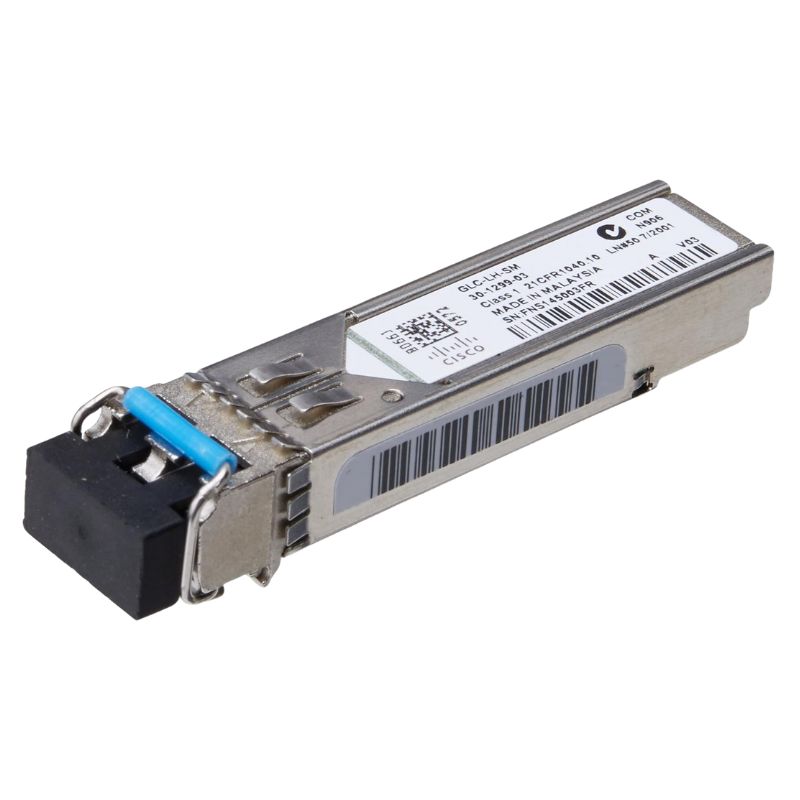


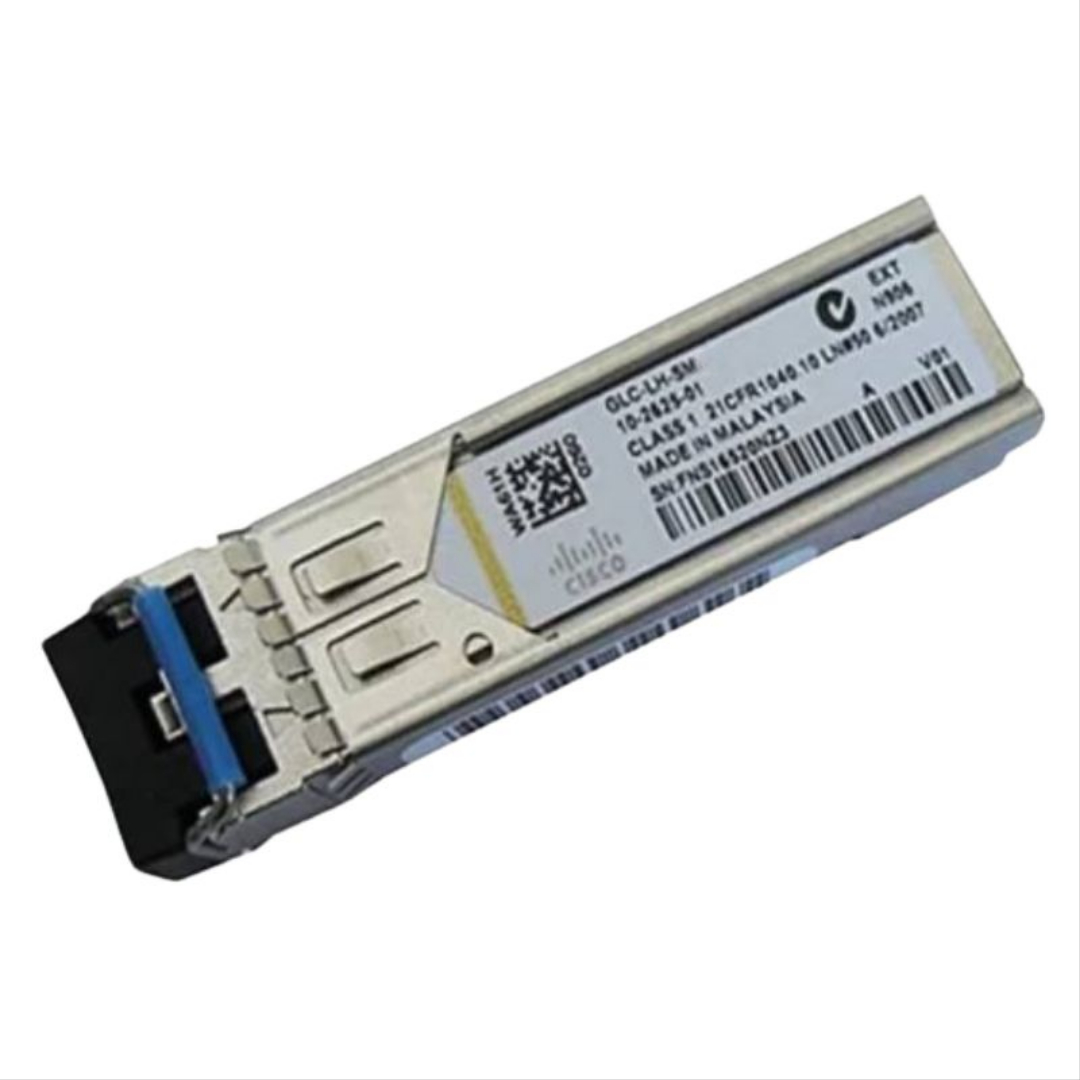
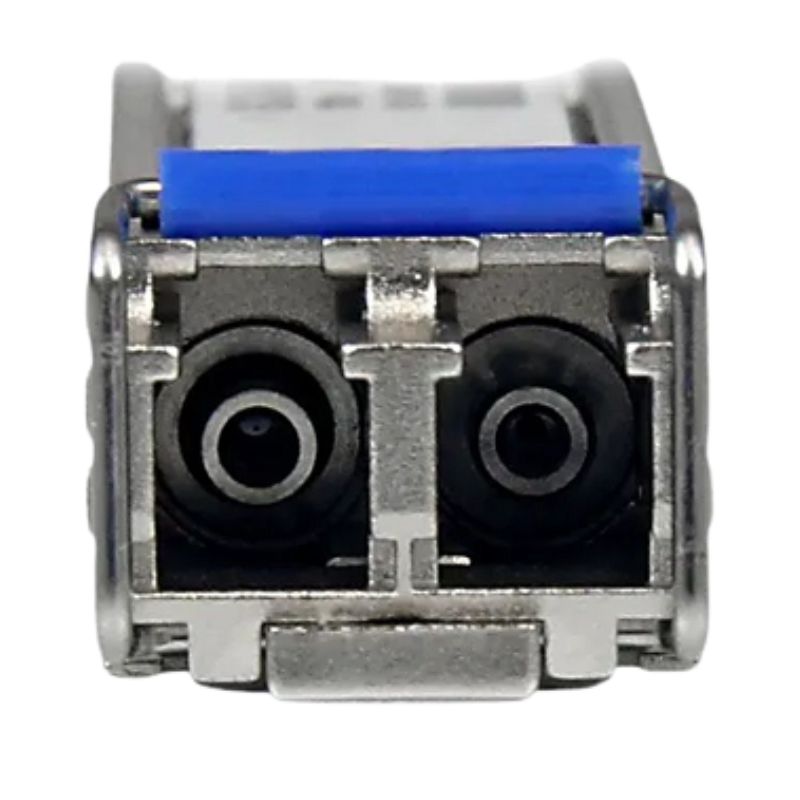
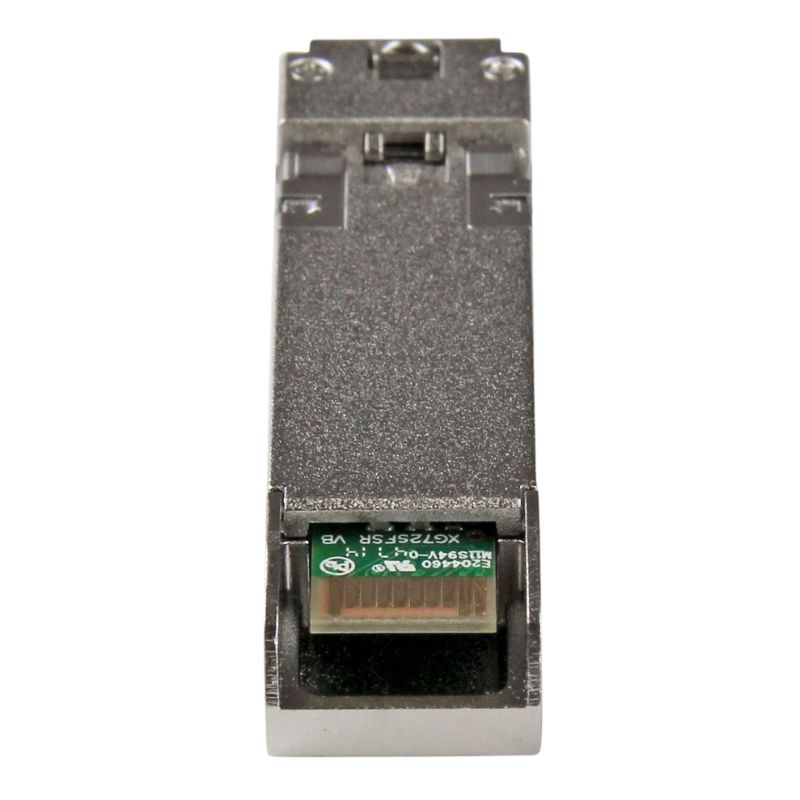
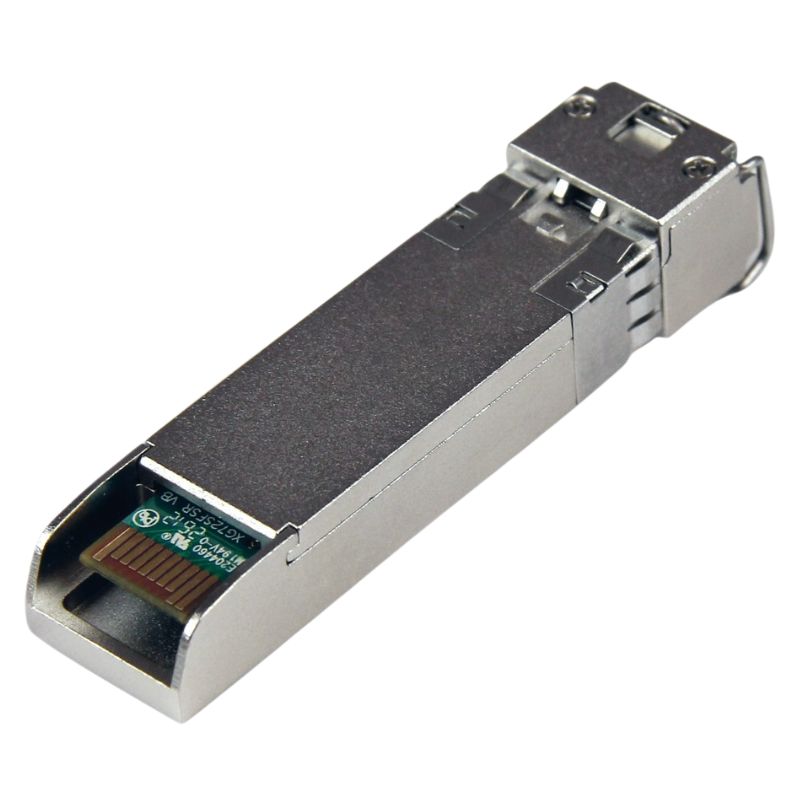
Cisco GLC-LH-SM= 1GBPS Transceiver Module SFP GBIC. Excellent Refurbished with 1 year replacement warranty
| SKU/MPN | Warranty | Price | Condition | You save |
|---|---|---|---|---|
| GLC-LH-SM= | 1 Year Warranty | $52.00 | Excellent Refurbished | You save: $18.20 (26%) |
| GLC-LH-SM= | 1 Year Warranty | $137.00 | Factory-Sealed New Retail in Original Box (FSB) | You save: $47.95 (26%) |
Overview of Cisco GLC-LH-SM= Gigabit Transceiver Module
The Cisco GLC-LH-SM= is a high-performance 1Gbps Small Form-Factor Pluggable (SFP) transceiver module engineered to provide dependable Gigabit Ethernet connectivity across fiber optic infrastructures. Designed for enterprise, campus, metropolitan, and data center networking environments, this hot-swappable mini-GBIC module enables seamless deployment in compatible Cisco networking equipment without interrupting network operations. Operating at a 1310 nm optical wavelength, the module supports both single-mode and selected multimode fiber installations, making it an ideal solution for organizations seeking flexible, scalable, and cost-effective fiber networking. Built to comply with IEEE 802.3z standards, the Cisco GLC-LH-SM= delivers reliable long-distance data transmission, low latency, and exceptional signal integrity for mission-critical applications.
The Cisco GLC-LH-SM= 1GBPS Transceiver Module SFP GBIC category serves as an essential component for organizations building dependable Gigabit Ethernet fiber optic infrastructures. Designed to support enterprise communication requirements, this transceiver module category enables stable optical connectivity between switches, routers, network storage devices, security appliances, and other compatible networking equipment. As businesses continue to expand digital operations, reliable optical communication becomes increasingly important for maintaining uninterrupted access to applications, cloud services, centralized databases, and mission-critical business systems.
Fiber optic networking remains the preferred technology for organizations requiring dependable long-distance communication, minimal electromagnetic interference, and consistent network performance. The Cisco GLC-LH-SM= 1GBPS Transceiver Module SFP GBIC category provides the flexibility needed to support evolving enterprise infrastructures while maintaining compatibility with numerous Cisco networking platforms deployed across commercial, educational, healthcare, industrial, financial, and government environments.
Organizations implementing modern network architectures often require scalable optical solutions capable of supporting increasing traffic demands without compromising reliability. The modular design of SFP GBIC transceivers allows network administrators to configure, expand, maintain, and upgrade infrastructure efficiently while minimizing operational disruption. This flexibility contributes to long-term investment protection by enabling infrastructure expansion without replacing entire networking systems.
Optical networking uses pulses of light transmitted through fiber optic cables to transfer digital information between networking devices. Compared with traditional copper communication, fiber optic technology offers improved transmission distances, greater immunity to electromagnetic interference, enhanced signal integrity, and reliable communication across extensive enterprise environments. The Cisco GLC-LH-SM= 1GBPS Transceiver Module SFP GBIC category supports these optical communication principles by providing dependable interfaces between networking hardware and fiber infrastructure.
Optical communication reduces many limitations associated with electrical transmission while supporting business operations that depend upon continuous connectivity. Organizations operating distributed facilities frequently utilize fiber optic networking to connect headquarters, branch offices, manufacturing plants, warehouses, educational campuses, healthcare facilities, research centers, and regional administrative offices.
The growing adoption of cloud computing, virtualization, unified communications, artificial intelligence applications, digital collaboration platforms, and centralized storage systems continues driving demand for dependable optical connectivity capable of supporting enterprise workloads around the clock.
Gigabit Ethernet continues serving as one of the most widely deployed networking standards throughout enterprise environments. Although higher-speed technologies are increasingly available, Gigabit Ethernet remains highly suitable for countless production environments requiring stable, efficient, and cost-effective communication between users, applications, servers, storage platforms, and network services.
The Cisco GLC-LH-SM= 1GBPS Transceiver Module SFP GBIC category integrates seamlessly into Gigabit Ethernet infrastructures, allowing organizations to establish reliable optical communication across various deployment scenarios. Gigabit connectivity supports business applications including file sharing, enterprise resource planning, customer relationship management, accounting platforms, collaboration software, security monitoring, virtual desktop infrastructure, network management systems, and cloud-based services.
Stable Gigabit Ethernet performance contributes directly to employee productivity, operational efficiency, customer satisfaction, and consistent application responsiveness throughout enterprise environments.
Single-mode fiber has become the preferred transmission medium for organizations requiring dependable long-distance communication. The Cisco GLC-LH-SM= 1GBPS Transceiver Module SFP GBIC category supports single-mode fiber deployments that prioritize signal quality, network stability, and scalable enterprise communication.
Unlike multimode fiber, single-mode fiber contains a much smaller optical core, allowing light signals to travel more directly through the cable with minimal dispersion. This characteristic enables significantly longer communication distances while preserving signal quality and reducing transmission errors. Enterprises investing in long-term networking strategies frequently deploy single-mode fiber to maximize infrastructure longevity and support future expansion initiatives.
Single-mode fiber infrastructure is commonly utilized across corporate campuses, healthcare networks, educational institutions, manufacturing facilities, financial organizations, telecommunications providers, government agencies, and cloud service environments where dependable communication remains a strategic operational requirement.
Many organizations operate facilities separated by considerable physical distances. Maintaining reliable communication between these locations requires networking solutions capable of supporting long-distance optical transmission without compromising signal quality. The Cisco GLC-LH-SM= 1GBPS Transceiver Module SFP GBIC category enables organizations to deploy dependable fiber links connecting multiple buildings, administrative offices, remote branches, production facilities, warehouses, research centers, and data centers.
Long-distance optical connectivity allows centralized applications, authentication services, storage resources, monitoring systems, and communication platforms to remain accessible throughout geographically distributed enterprise environments. Reliable connectivity simplifies IT management by allowing administrators to maintain centralized control while supporting remote operational locations through secure and efficient communication channels.
Businesses implementing disaster recovery planning, centralized backup systems, regional administration, and cloud integration projects frequently rely on long-distance optical communication as a foundation for operational continuity.
Signal integrity plays an important role in maintaining consistent network performance. High-quality optical communication minimizes packet loss, transmission errors, and communication interruptions while supporting stable enterprise operations. The Cisco GLC-LH-SM= 1GBPS Transceiver Module SFP GBIC category contributes to reliable communication by supporting precise optical transmission characteristics compatible with enterprise networking requirements.
Stable optical communication helps maintain predictable network behavior across demanding workloads. Reliable signal transmission improves application responsiveness, reduces troubleshooting complexity, enhances user experience, and supports continuous business operations throughout enterprise environments.
Organizations that depend upon uninterrupted communication benefit from networking solutions designed to deliver dependable optical performance under diverse operating conditions.
The Small Form-Factor Pluggable design has become one of the most widely adopted standards within enterprise networking because it provides flexibility, scalability, and simplified infrastructure management. The Cisco GLC-LH-SM= 1GBPS Transceiver Module SFP GBIC category allows network administrators to install, replace, or upgrade transceivers without replacing complete networking platforms.
This modular architecture supports efficient maintenance procedures while reducing equipment replacement costs. Organizations can configure networking devices according to specific deployment requirements by selecting optical modules appropriate for transmission distance, fiber type, and application requirements.
Modular deployment strategies also improve inventory management because administrators can maintain standardized networking equipment while selecting optical transceivers based on individual project requirements.
Business growth often requires network expansion involving additional office locations, production facilities, storage resources, application servers, cloud connectivity, and communication systems. The Cisco GLC-LH-SM= 1GBPS Transceiver Module SFP GBIC category supports scalable infrastructure planning by allowing organizations to expand fiber connectivity incrementally without major architectural changes.
Incremental expansion helps organizations align technology investments with operational growth while minimizing unnecessary capital expenditures. Network administrators can deploy additional optical connections as business requirements evolve, supporting efficient resource utilization and simplified infrastructure planning.
Scalable networking contributes to improved operational flexibility by allowing organizations to respond quickly to changing business priorities, workforce expansion, digital transformation initiatives, and technology modernization projects.
Routine maintenance remains an important aspect of enterprise network management. The modular nature of the Cisco GLC-LH-SM= 1GBPS Transceiver Module SFP GBIC category simplifies replacement procedures while reducing maintenance complexity. Individual transceivers can be exchanged without replacing larger networking systems, minimizing operational disruption and supporting efficient service restoration when maintenance activities become necessary.
Efficient maintenance procedures reduce administrative workload while helping organizations maintain consistent service availability across production environments. Standardized deployment practices also simplify technician training, documentation development, spare inventory management, and infrastructure lifecycle planning.
The Cisco GLC-LH-SM= 1GBPS Transceiver Module SFP GBIC category supports numerous enterprise networking applications requiring dependable optical communication. Organizations across multiple industries deploy fiber optic infrastructure to connect core networking equipment, distribution layers, access switches, storage systems, virtualization platforms, wireless controllers, monitoring solutions, and cloud gateways.
Corporate headquarters frequently utilize fiber connectivity to establish communication between equipment rooms located on different floors or separate buildings. Educational institutions depend upon optical infrastructure to connect classrooms, administrative offices, research laboratories, libraries, student information systems, and multimedia facilities. Healthcare organizations require reliable communication supporting clinical applications, medical imaging systems, patient record platforms, administrative operations, and secure information exchange.
Manufacturing organizations deploy optical communication to support production automation, quality control systems, inventory management, industrial monitoring, engineering platforms, and operational technology environments. Financial institutions rely upon dependable fiber connectivity for transaction processing, secure communications, centralized databases, regulatory reporting, and customer service platforms.
Data centers require dependable networking components capable of supporting continuous communication between servers, storage arrays, virtualization platforms, backup appliances, security systems, and management environments. The Cisco GLC-LH-SM= 1GBPS Transceiver Module SFP GBIC category plays an important role in maintaining stable optical communication throughout enterprise data center infrastructures where consistent network availability directly affects business operations. Fiber optic connectivity allows organizations to build resilient environments that support application delivery, storage access, workload distribution, and centralized resource management.
As enterprise workloads continue migrating toward virtualized environments, hybrid cloud platforms, and centralized computing resources, reliable optical communication becomes increasingly valuable. High-quality transceiver modules help ensure that business applications remain accessible while maintaining efficient communication between interconnected infrastructure components. Organizations benefit from stable networking environments capable of supporting continuous business operations throughout daily production activities.
The modular nature of SFP GBIC technology also supports infrastructure planning by allowing network administrators to deploy optical connectivity according to current requirements while maintaining flexibility for future expansion. This approach simplifies equipment upgrades and enables organizations to extend existing network investments rather than replacing complete networking platforms.
Enterprise servers provide the computing resources required to support databases, application platforms, collaboration systems, authentication services, virtualization hosts, file management, cloud gateways, and numerous business workloads. The Cisco GLC-LH-SM= 1GBPS Transceiver Module SFP GBIC category supports dependable communication between servers and switching infrastructure through reliable fiber optic connections that help maintain application responsiveness.
Reliable server connectivity contributes to consistent user experiences across enterprise environments. Employees accessing centralized applications depend upon uninterrupted communication between client devices and backend computing resources. Stable optical networking minimizes communication delays while supporting efficient data transfer throughout production environments.
Organizations operating private cloud environments, centralized storage systems, enterprise resource planning applications, and digital collaboration platforms frequently prioritize dependable optical infrastructure to maintain operational continuity.
Storage infrastructure continues serving as one of the most valuable components of enterprise information technology environments. Business records, customer information, financial documents, engineering projects, healthcare records, educational resources, multimedia assets, and operational data all require dependable storage systems supported by reliable networking infrastructure.
The Cisco GLC-LH-SM= 1GBPS Transceiver Module SFP GBIC category assists organizations in maintaining efficient communication between storage platforms, backup systems, application servers, and management environments. Stable optical communication contributes to dependable backup operations, rapid information retrieval, secure data management, and efficient storage utilization across enterprise environments.
As data volumes continue increasing, organizations benefit from networking components capable of supporting scalable storage architectures without compromising communication reliability.
Large organizations frequently operate multiple buildings connected through centralized networking infrastructure. Educational campuses, healthcare facilities, manufacturing sites, corporate headquarters, research organizations, and government agencies depend upon campus-wide fiber optic communication to provide consistent access to applications, security services, communication platforms, and shared information resources.
The Cisco GLC-LH-SM= 1GBPS Transceiver Module SFP GBIC category supports campus networking projects requiring dependable optical communication across extended physical environments. Fiber optic infrastructure allows organizations to connect administrative buildings, classrooms, laboratories, production facilities, distribution centers, and regional offices while maintaining centralized network management.
Campus networking enables efficient resource sharing because users throughout the organization can access centralized applications, databases, storage systems, communication platforms, and authentication services regardless of physical location.
The core network serves as the primary communication pathway connecting enterprise infrastructure. Core switches, aggregation devices, routers, security appliances, and centralized management systems rely upon dependable optical connectivity to transport large volumes of business traffic between various operational environments.
The Cisco GLC-LH-SM= 1GBPS Transceiver Module SFP GBIC category supports core distribution architectures by providing reliable Gigabit Ethernet fiber connectivity suitable for enterprise backbone communication. Stable backbone infrastructure improves application performance, simplifies network management, and contributes to consistent operational reliability throughout business environments.
Organizations implementing centralized computing resources, cloud integration strategies, unified communications platforms, and enterprise security frameworks require dependable backbone connectivity capable of supporting continuous operational requirements.
The distribution layer connects core networking infrastructure with access-layer devices serving end users, wireless systems, security equipment, and operational technology environments. Reliable fiber communication between distribution switches contributes to efficient traffic management while maintaining predictable network performance across enterprise facilities.
Optical transceiver modules installed throughout the distribution layer help organizations maintain stable communication between departmental networks, administrative systems, research environments, production facilities, and remote operational locations. This structured networking approach simplifies troubleshooting, improves scalability, and supports future infrastructure expansion.
Organizations increasingly recognize that dependable network connectivity directly influences productivity, customer satisfaction, operational efficiency, and revenue generation. The Cisco GLC-LH-SM= 1GBPS Transceiver Module SFP GBIC category contributes to business continuity strategies by supporting reliable optical communication throughout enterprise networking environments.
Reliable networking infrastructure enables continuous access to cloud services, collaboration platforms, enterprise applications, centralized databases, storage resources, customer management systems, financial software, inventory platforms, and digital communication tools. Stable optical connectivity reduces the likelihood of communication interruptions while supporting consistent business operations throughout changing workload conditions.
Business continuity planning often includes redundant networking paths, centralized monitoring systems, disaster recovery infrastructure, backup communication links, and geographically distributed operational facilities. Fiber optic communication remains an important element within these strategies because of its reliability, scalability, and long-term operational value.
Modern organizations maintain disaster recovery strategies designed to preserve operational capability during unexpected events affecting primary infrastructure. Reliable optical communication allows production systems to exchange information with backup environments, secondary data centers, cloud resources, and regional recovery facilities.
The Cisco GLC-LH-SM= 1GBPS Transceiver Module SFP GBIC category supports networking environments where dependable communication between production and recovery systems contributes to organizational resilience. Stable connectivity helps maintain synchronized information while supporting recovery objectives established within enterprise continuity planning.
Well-designed disaster recovery infrastructure strengthens operational confidence by reducing downtime and improving the organization's ability to restore services efficiently following infrastructure disruptions.
Stable network communication supports every aspect of enterprise information technology operations. From routine administrative activities to customer-facing digital services, organizations depend upon infrastructure capable of maintaining predictable communication throughout daily business activities.
The Cisco GLC-LH-SM= 1GBPS Transceiver Module SFP GBIC category contributes to operational stability by supporting dependable optical communication between critical networking components. Consistent connectivity improves application responsiveness, enhances user productivity, supports centralized management, and enables efficient information exchange throughout enterprise environments.
Reliable networking also simplifies long-term infrastructure planning because organizations can expand operations while maintaining confidence in the performance of their optical communication foundation.
One of the significant advantages of the Cisco GLC-LH-SM= 1GBPS Transceiver Module SFP GBIC category is its flexibility within compatible enterprise networking environments. Network administrators frequently deploy standardized hardware platforms across multiple facilities while selecting optical transceivers based on transmission requirements, fiber infrastructure, and operational objectives.
This modular deployment approach allows organizations to optimize infrastructure investments by maintaining common networking equipment while adapting optical connectivity to individual project requirements. Flexible deployment also supports simplified inventory management because replacement modules can be stocked independently from primary networking hardware.
Organizations expanding through mergers, acquisitions, regional growth, or digital transformation initiatives benefit from networking components that integrate efficiently into existing infrastructure while supporting future modernization projects.
Standardization remains an important objective within enterprise network management because consistent hardware deployment simplifies maintenance, documentation, technician training, and operational procedures. The Cisco GLC-LH-SM= 1GBPS Transceiver Module SFP GBIC category supports standardized networking environments by providing dependable optical connectivity suitable for numerous enterprise applications.
Standardized deployment practices improve infrastructure consistency while reducing administrative complexity. Network teams responsible for managing multiple facilities can apply common operational procedures across geographically distributed environments, improving maintenance efficiency and simplifying lifecycle management.
As enterprise networking continues evolving, standardized optical connectivity remains an important component of scalable infrastructure planning, supporting long-term operational efficiency and dependable communication throughout modern business environments.


 Contact Us
 Information
 Catalog
 Solid State Drives (SSD)
 Network Switches
 Hard Disk Drives
 HBA & Controllers
 PC & Servers
 PC & Server Memory
 CPU & Processors
 Network Routers
 Power Supplies
 Tape Drives & Libraries
 Network Devices
 Computer & Network Cables