(7% discount is applied at checkout)
Cart is empty
Your go-to destination for cutting-edge server products
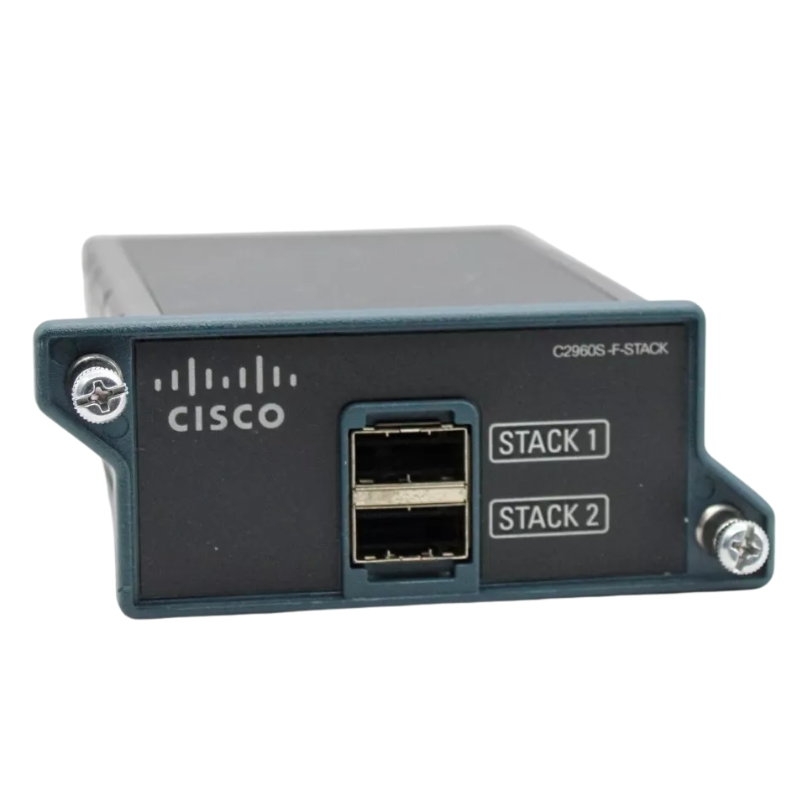


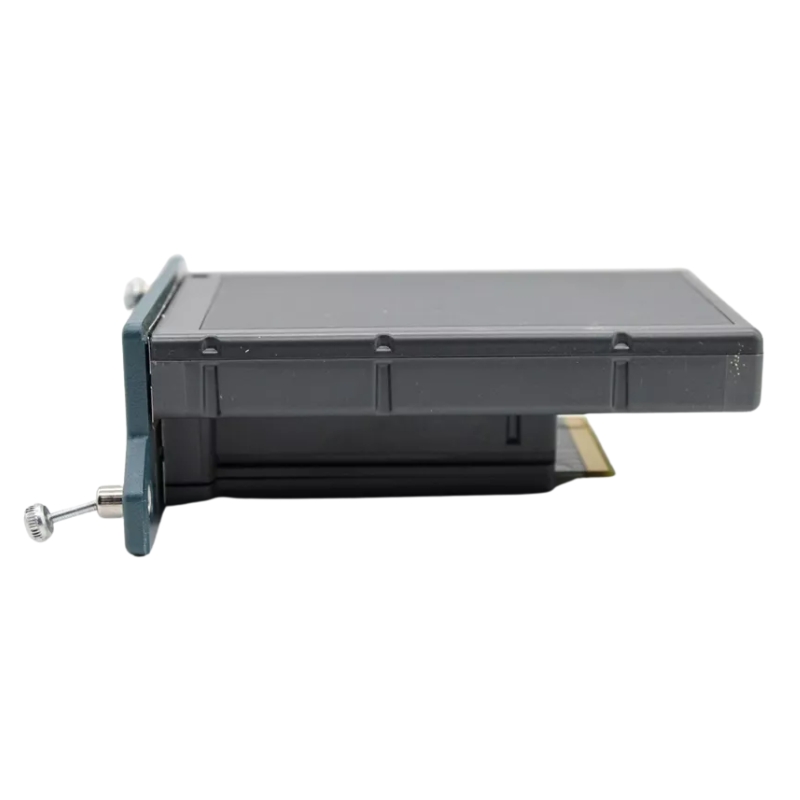
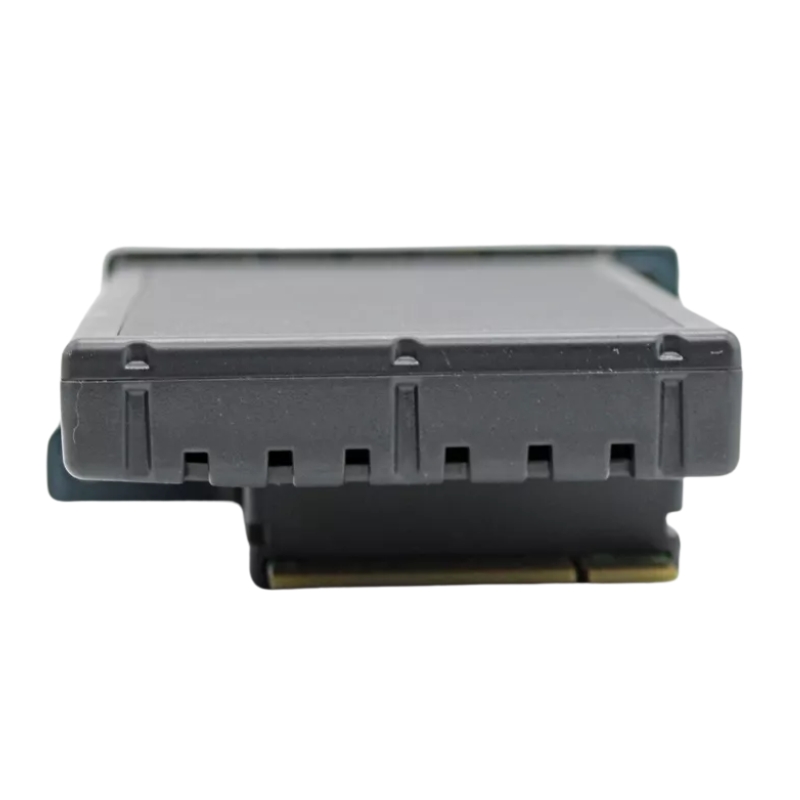
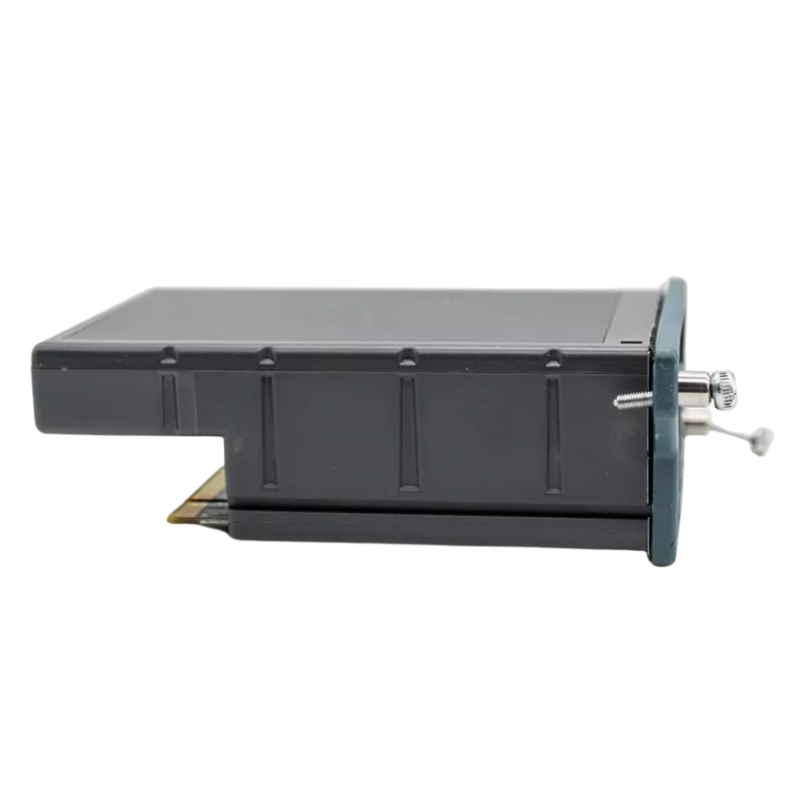
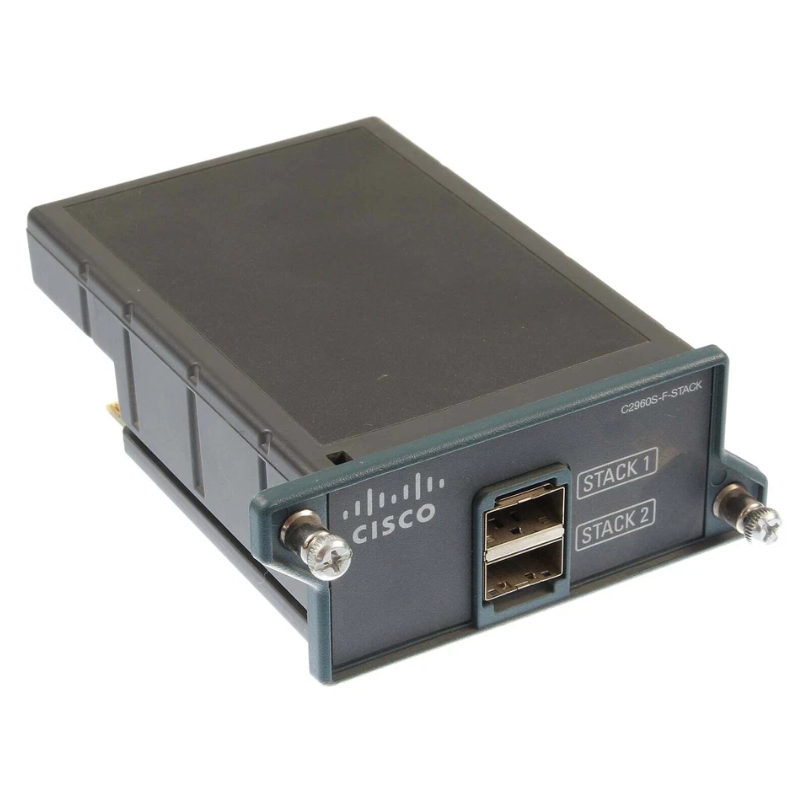
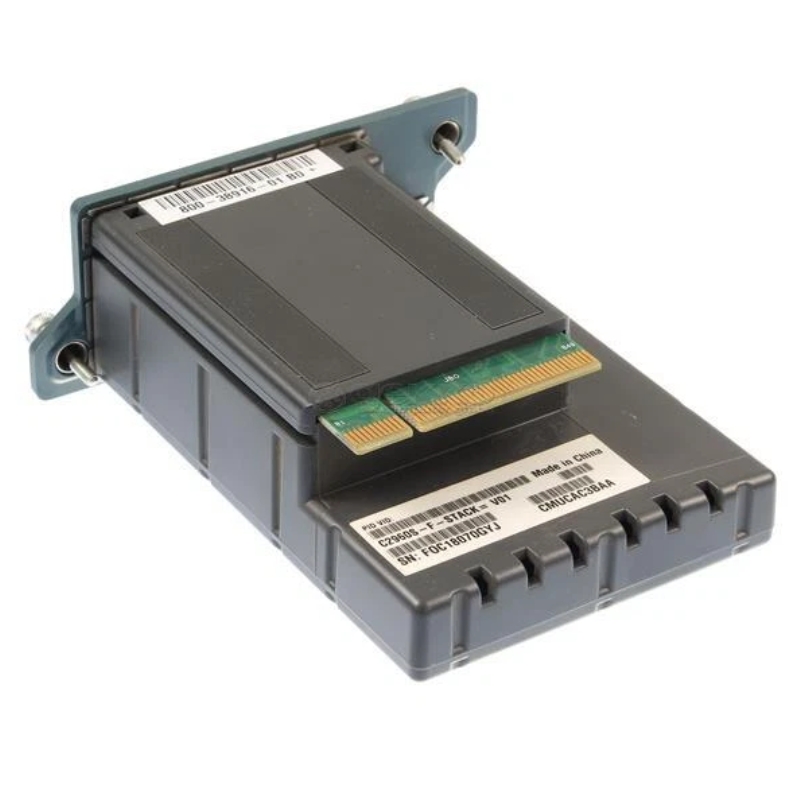
Cisco C2960S-F-STACK 2960s Flexstack Stacking Module. Excellent Refurbished with 1 year replacement warranty
| SKU/MPN | Warranty | Price | Condition | You save |
|---|---|---|---|---|
| C2960S-F-STACK | 1 Year Warranty | $60.00 | Excellent Refurbished | You save: $21.00 (26%) |
| C2960S-F-STACK | 1 Year Warranty | $585.00 | Factory-Sealed New in Original Box (FSB) | You save: $204.75 (26%) |
The C2960S-F-STACK Cisco 2960S FlexStack Stacking Module is a dedicated stacking expansion component designed for Cisco Catalyst 2960-S Series switches, enabling high-performance stacking capabilities through Cisco’s FlexStack technology. This module plays a critical role in transforming individual standalone switches into a unified, logically single switching system that simplifies network management, enhances redundancy, and improves scalability across enterprise LAN environments.
Physical & Physical Environmental
Built to support modern access-layer networking requirements, the C2960S-F-STACK module allows multiple Cisco 2960-S switches to operate as one virtual switch. This consolidation improves operational efficiency, reduces configuration overhead, and increases overall network resilience. It is widely used in enterprise campuses, branch offices, and environments where scalable Layer 2 switching is required without the complexity of modular chassis-based systems.
The C2960S-F-STACK module is built on Cisco’s proprietary FlexStack architecture, which enables multiple physical switches to be interconnected using high-speed stacking cables and a dedicated stacking module interface. This architecture forms a ring topology that ensures continuous communication even in the event of a link failure.
Each switch equipped with the FlexStack module contributes to a unified control plane, allowing the entire stack to function as a single logical switch. This significantly reduces the complexity of managing multiple devices individually while ensuring consistent policy enforcement across the stack.
The stacking module provides high-speed interconnectivity between switches, enabling low-latency data transfer and efficient synchronization of forwarding tables. This ensures that traffic flows seamlessly across stacked switches without performance degradation, even under high network load conditions.
The stacking bandwidth is designed to handle enterprise-grade workloads, including voice, video, and data traffic simultaneously, making it suitable for converged network environments.
One of the primary features of the C2960S-F-STACK module is the ability to unify multiple switches under a single control plane. Network administrators can manage the entire stack through a single IP address, reducing administrative complexity and minimizing configuration errors.
The FlexStack system automatically elects a master switch responsible for managing the stack. If the master switch fails, another switch in the stack takes over seamlessly without disrupting network services, ensuring continuous availability.
The stacking module supports hot-swappable installation, allowing administrators to add or replace modules without powering down the switch. This feature reduces downtime and improves operational efficiency in live network environments.
By creating redundant stack ring connections, the module enhances fault tolerance. If one stacking link fails, traffic is automatically rerouted through the remaining links, ensuring uninterrupted connectivity.
The C2960S-F-STACK module is specifically engineered for the Cisco Catalyst 2960-S Series switches. It is not compatible with other Cisco switch families, which ensures optimized performance and tight integration with supported hardware models.
Compatible switch models typically include Gigabit Ethernet access-layer switches that support enterprise-level features such as VLAN segmentation, QoS, and enhanced security protocols. When deployed together, the stacking module allows these switches to function as a single unified switching system.
Depending on the configuration and Cisco IOS version, multiple switches can be stacked together, typically up to eight units per stack. This scalability allows organizations to expand their network incrementally without redesigning the entire infrastructure.
After physical installation, switches automatically detect the stacking module. Administrators can then configure the stack using Cisco IOS command-line interface (CLI). The stack master election process occurs automatically, but priority settings can be adjusted manually if required.
Basic configuration tasks include setting stack member priorities, verifying stack status, and assigning management IP addresses. Once configured, the stack behaves as a single switch entity.
It is recommended to update all switches in the stack to the same Cisco IOS version before installation. Additionally, consistent hardware models should be used within the same stack to ensure compatibility and performance consistency.
The stacking module significantly improves throughput by allowing multiple switches to share forwarding responsibilities. Traffic distribution across stack members ensures balanced utilization of resources.
Organizations can scale their network by adding additional switches equipped with C2960S-F-STACK modules. This modular scalability eliminates the need for complex chassis-based systems while maintaining enterprise-grade performance.
The high-speed stacking interconnect minimizes latency between switches. This is particularly beneficial for latency-sensitive applications such as VoIP, video conferencing, and real-time data processing systems.
The FlexStack architecture ensures automatic failover in case of switch or link failure. If a member switch becomes unavailable, the remaining switches continue to operate without interruption.
The stacking ring topology provides dual-path connectivity between switches. This design ensures that even if one path fails, communication continues through the alternate route.
All switches in the stack maintain synchronized forwarding and configuration tables. This ensures consistent behavior across the stack and prevents data loss during failover events.
In enterprise environments, the module is used to consolidate access-layer switches across multiple floors or buildings. This simplifies management and improves network visibility.
SMBs benefit from stacking capabilities by reducing hardware management complexity and enabling scalable growth without significant infrastructure changes.
Schools and universities use stacked Cisco 2960-S switches to support large numbers of connected devices while maintaining centralized control and consistent policy enforcement.
Retail environments deploy stacked switches to support point-of-sale systems, surveillance systems, and customer Wi-Fi networks with high reliability.
Industrial environments use stacking modules to ensure continuous operation of mission-critical systems, including automation controllers and monitoring systems.
Unlike traditional chassis-based systems, the C2960S-F-STACK module provides modular stacking flexibility without requiring a single large physical chassis. This reduces cost and improves deployment flexibility.
While software-based virtualization technologies provide logical grouping, FlexStack delivers hardware-level stacking with lower latency and higher reliability.
Non-stackable switches require individual management and separate configurations. The FlexStack module eliminates these inefficiencies by enabling centralized management.
Administrators can manage multiple switches using a single IP address, reducing operational overhead and simplifying configuration management tasks.
All switches in the stack share the same configuration, ensuring consistent application of VLANs, security policies, and QoS settings.
By simplifying network architecture, organizations reduce both capital and operational expenses associated with managing multiple independent switches.
For optimal performance, it is recommended to use identical switch models within the same stack. Mixed hardware environments may result in feature limitations or reduced performance.
Proper stacking cable routing is essential to maintain airflow and prevent accidental disconnections. Structured cabling practices should be followed during deployment.
Network architects should plan stack size based on future growth requirements, ensuring that additional switches can be added without reconfiguring the entire network.
Stack management interfaces should be secured using standard Cisco IOS security practices, including SSH access, access control lists, and role-based access control.
The C2960S-F-STACK module is designed to deliver high availability through redundant pathways and automatic failover mechanisms, ensuring uninterrupted network operations.
It supports high-throughput data transfer, making it suitable for modern enterprise networks that require consistent and reliable connectivity.
By reducing multiple switches into a single logical system, the module significantly simplifies network administration and improves operational efficiency.


 Contact Us
 Information
 Catalog
 Solid State Drives (SSD)
 Network Switches
 Hard Disk Drives
 HBA & Controllers
 PC & Servers
 PC & Server Memory
 CPU & Processors
 Network Routers
 Power Supplies
 Tape Drives & Libraries
 Network Devices
 Computer & Network Cables