(7% discount is applied at checkout)
Cart is empty
Your go-to destination for cutting-edge server products
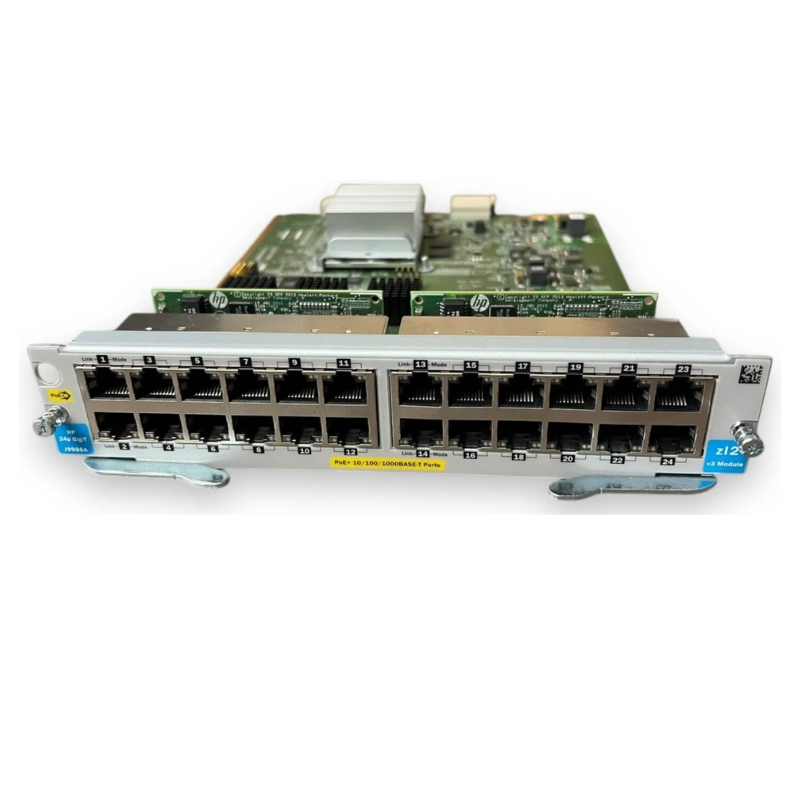


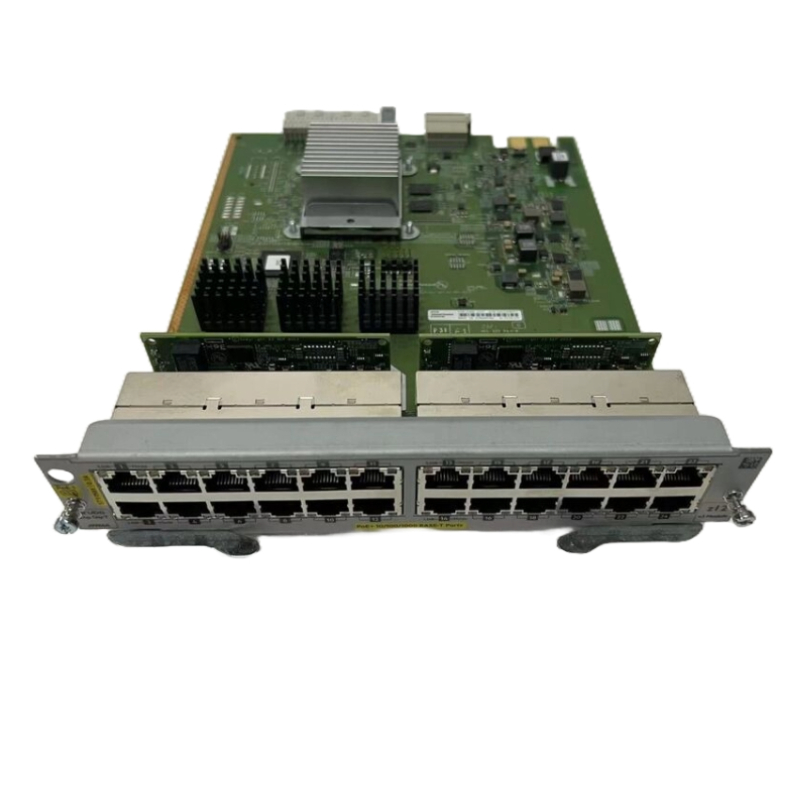
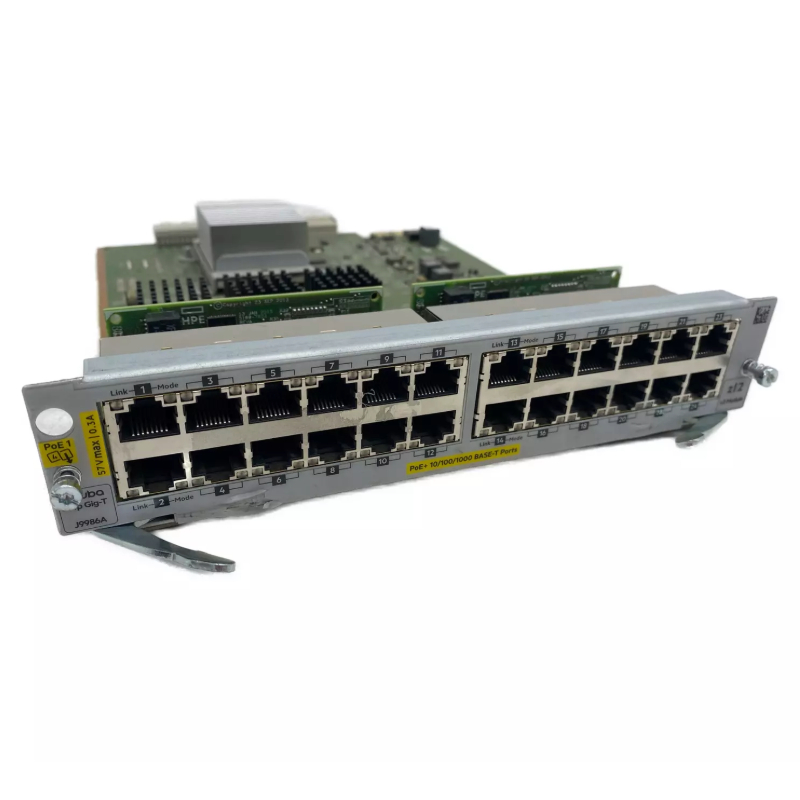
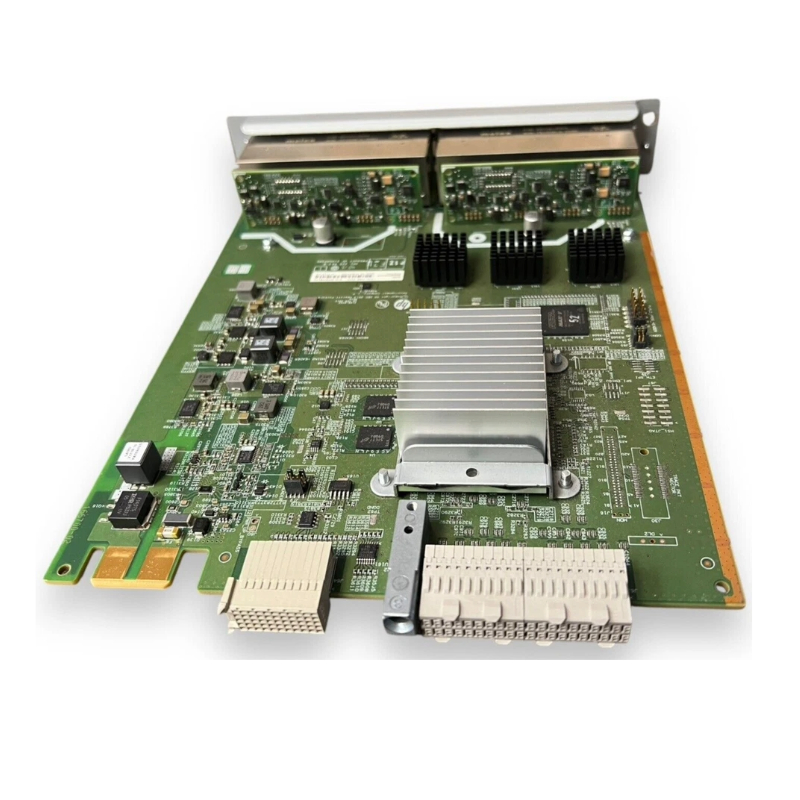
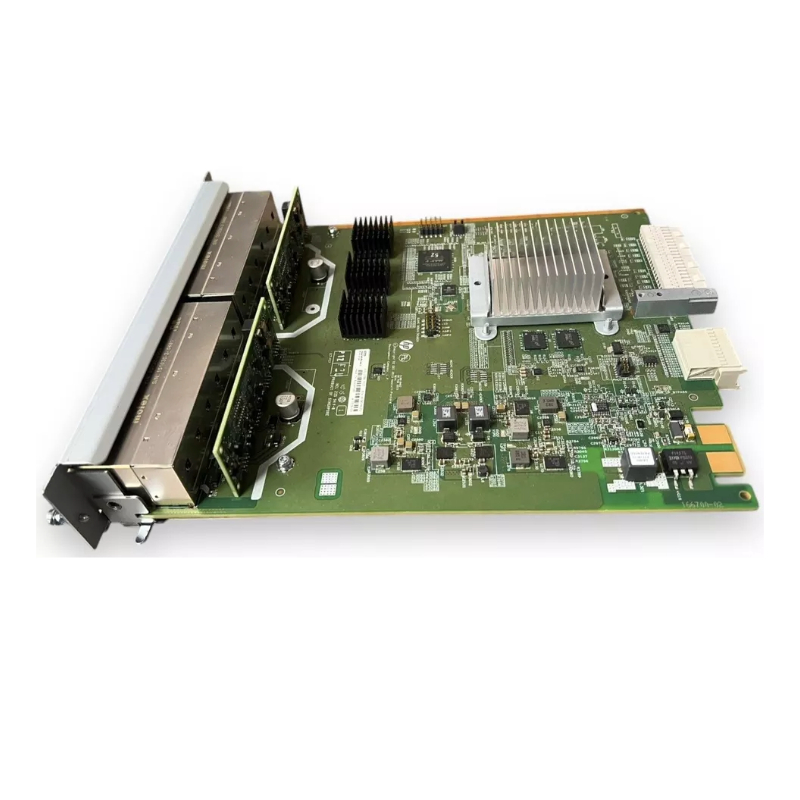
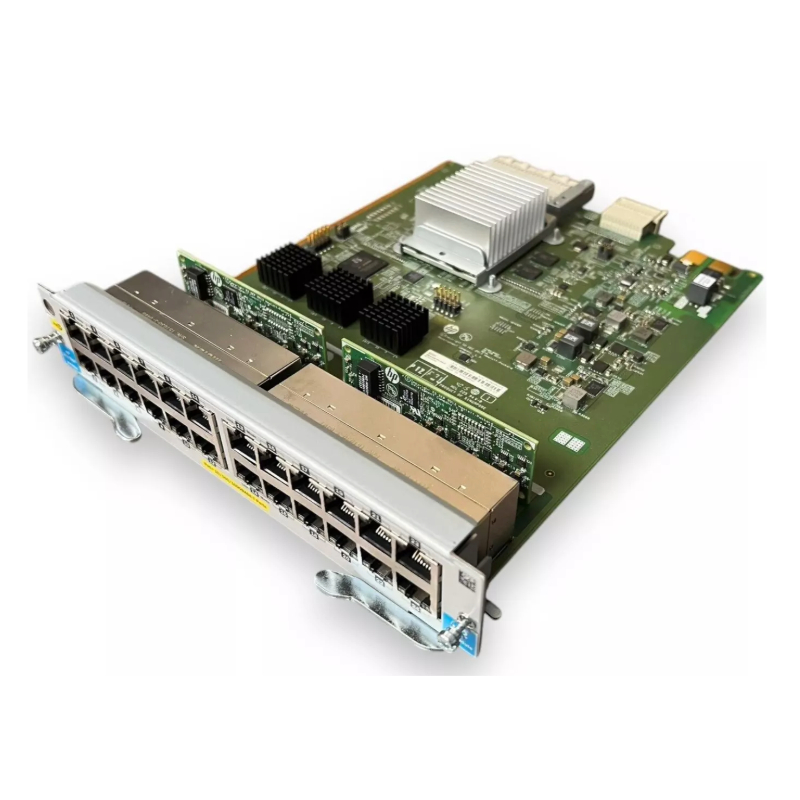
HPE J9987A Expansion Plug-In Module 10/100/1000 Base-T Module 1GBPS 24 Ports V3 Zl2 Expansion Module. Excellent Refurbished with 1 year replacement warranty
The HPE J9987A Expansion Module is a high-performance networking upgrade designed to enhance switching capacity with reliable Gigabit Ethernet connectivity. Built for enterprise environments, this plug-in module delivers fast, stable, and scalable network expansion.
The HPE J9987A Expansion Plug-In Module 10/100/1000 Base-T Module 1Gbps 24 Ports V3 zl2 Expansion Module represents a high-density, enterprise-grade networking expansion solution engineered for modular switch environments requiring scalable wired connectivity. Designed for Hewlett Packard Enterprise zl2 chassis ecosystems, this expansion module provides 24 ports of Gigabit Ethernet access through 10/100/1000 Base-T interfaces, enabling organizations to extend switching capacity without replacing core infrastructure. The module is widely deployed in enterprise campus networks, data aggregation layers, and converged communication infrastructures where reliable wired performance and centralized management are critical.
The zl2 platform provides a scalable foundation where expansion modules such as the J9987A can be inserted as network requirements grow. This scalability ensures that enterprises can expand port density incrementally without disrupting existing network operations. The modular approach also enhances long-term investment protection, allowing organizations to upgrade specific components rather than replacing entire switching systems.
Within the zl2 chassis, the backplane switching fabric plays a critical role in ensuring seamless data transfer between modules. The J9987A leverages this internal fabric to achieve high-speed inter-module communication, minimizing latency and ensuring consistent throughput. This architecture supports enterprise applications that require deterministic network performance, including virtualization platforms and real-time communication systems.
The internal data pathways are optimized to reduce congestion between ports and modules, ensuring that traffic is distributed efficiently across the switching fabric. This results in improved performance consistency even during peak traffic conditions, where multiple high-bandwidth applications operate simultaneously.
The HPE J9987A Expansion Module provides 24 Gigabit Ethernet ports that support 10/100/1000 Base-T standards, ensuring compatibility with a wide range of network devices. Each port supports auto-negotiation, allowing seamless connectivity with legacy Fast Ethernet devices as well as modern Gigabit-capable endpoints. This flexibility makes the module suitable for mixed-device environments commonly found in enterprise networks undergoing gradual infrastructure upgrades.
The 24-port configuration is designed to serve as a high-density access layer solution, enabling organizations to connect numerous endpoints within a single chassis module. This design reduces the need for multiple standalone switches, thereby simplifying network topology and reducing physical infrastructure complexity.
The module efficiently aggregates traffic from multiple endpoints and distributes it across the network backbone. This ensures that data flows are managed effectively without creating bottlenecks at the access layer. The consistent Gigabit performance across all ports allows smooth operation of bandwidth-intensive applications such as file sharing, cloud-based services, and unified communications.
Each Ethernet port is engineered to maintain high signal integrity across standard copper cabling infrastructures. Advanced signal processing mechanisms ensure stable transmission even in environments with electromagnetic interference or long cable runs, maintaining consistent network reliability.
The HPE J9987A module is optimized for enterprise workloads that require stable throughput and predictable latency. Its Gigabit Ethernet capabilities ensure that each connected device receives sufficient bandwidth for modern enterprise applications. The switching architecture is designed to minimize packet loss and optimize traffic flow across all active ports.
The module utilizes a low-latency switching mechanism that enables rapid packet forwarding between ports. This is particularly important for applications such as VoIP communications, video conferencing, and real-time data analytics systems where delays can significantly impact performance.
Packet processing is handled at the hardware level to reduce CPU overhead and improve overall switching efficiency. This ensures that the module can handle high traffic volumes without degradation in performance, even during peak operational periods.
Although the primary function of the J9987A module is Gigabit Ethernet connectivity, it is commonly deployed within PoE-capable zl2 chassis environments. This allows connected endpoints such as IP phones, wireless access points, and surveillance devices to receive both data and power through a single Ethernet connection when supported by the chassis system.
The integration of PoE functionality within the chassis environment enables centralized power distribution across all connected devices. This eliminates the need for separate power adapters and reduces installation complexity in enterprise deployments.
Power allocation is dynamically managed to ensure efficient distribution across all connected PoE devices. The system continuously monitors power consumption and adjusts allocation based on device requirements, ensuring optimal energy utilization without exceeding power budgets.
Each connected endpoint undergoes a classification process that determines its power requirements. This negotiation ensures compatibility with a wide range of PoE-enabled devices while maintaining system stability and preventing overload conditions.
Each port can be configured with access control policies that define which devices are permitted to connect. This helps organizations enforce strict security policies and prevent unauthorized network access.
Network segmentation capabilities allow administrators to isolate traffic between different departments or operational units. This reduces the risk of lateral movement within the network and enhances overall security posture.
The HPE J9987A Expansion Module is designed to support scalable network growth within enterprise environments. Its modular design allows organizations to expand port density as needed without replacing existing infrastructure components.
Organizations can expand their network infrastructure incrementally by adding additional modules to the zl2 chassis. This approach reduces capital expenditure while allowing network capacity to grow in alignment with business requirements.
The module is designed with future compatibility in mind, ensuring that it can integrate with evolving networking standards and technologies within the zl2 ecosystem. This extends the usable lifespan of deployed infrastructure.
Remote management capabilities allow network administrators to configure and manage the module without requiring physical access. This is particularly useful in distributed enterprise environments.
The module includes diagnostic capabilities that help identify hardware or network issues. These diagnostics enable rapid troubleshooting and minimize network downtime.
The HPE J9987A Expansion Plug-In Module is widely used across enterprise environments where high-density Gigabit connectivity is required. Its flexibility makes it suitable for a wide range of deployment scenarios including corporate campuses, education networks, healthcare institutions, and industrial communication systems.
In corporate environments, the module serves as a key component of access layer networking, providing reliable connectivity for employee devices and enterprise applications. Its high port density supports large-scale workstation deployments.


 Contact Us
 Information
 Catalog
 Solid State Drives (SSD)
 Network Switches
 Hard Disk Drives
 HBA & Controllers
 PC & Servers
 PC & Server Memory
 CPU & Processors
 Network Routers
 Power Supplies
 Tape Drives & Libraries
 Network Devices
 Computer & Network Cables