(7% discount is applied at checkout)
Cart is empty
Your go-to destination for cutting-edge server products
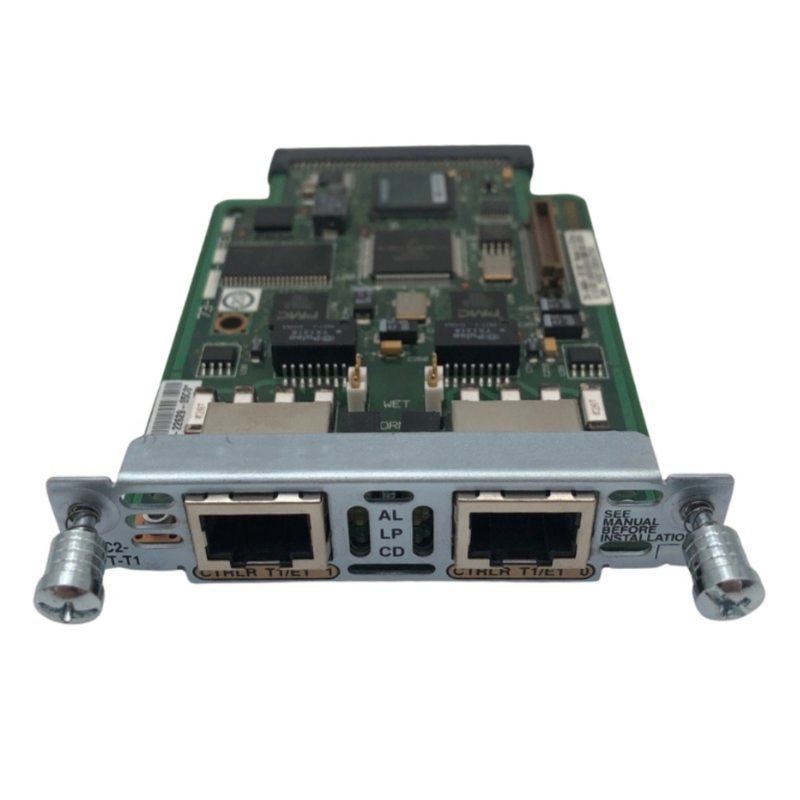


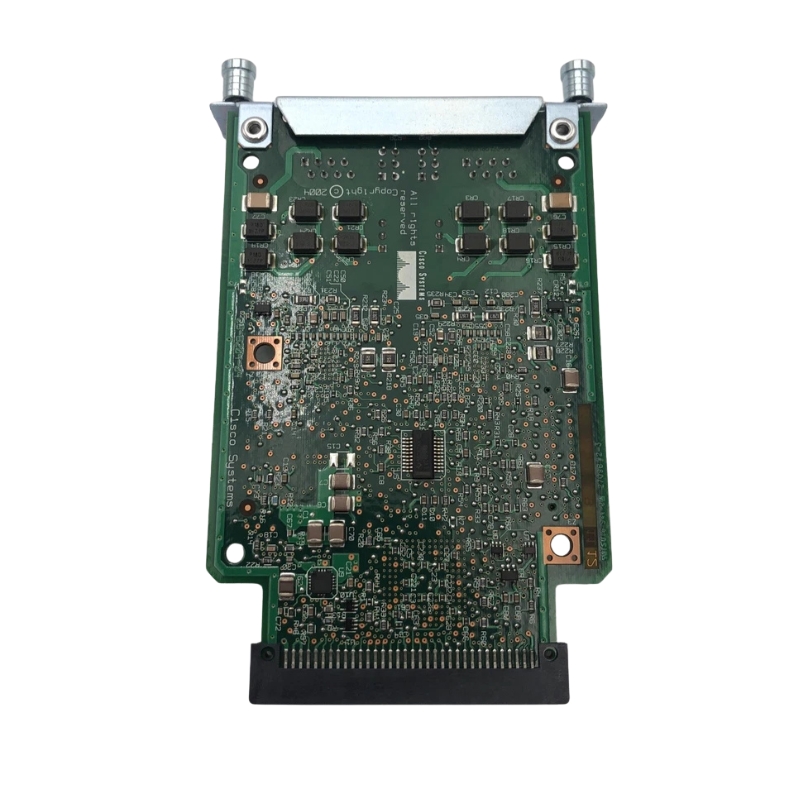
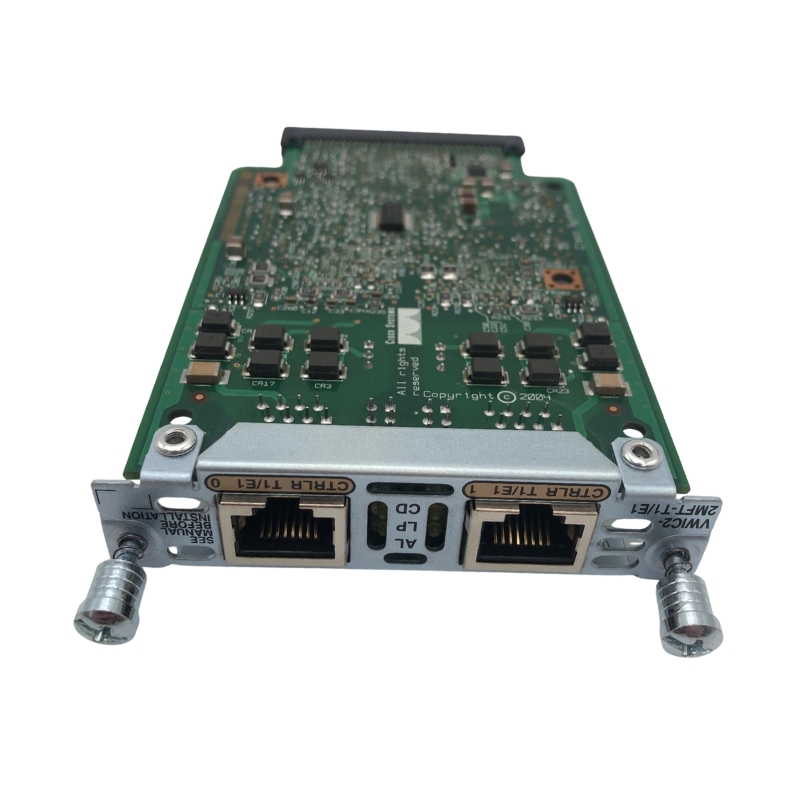
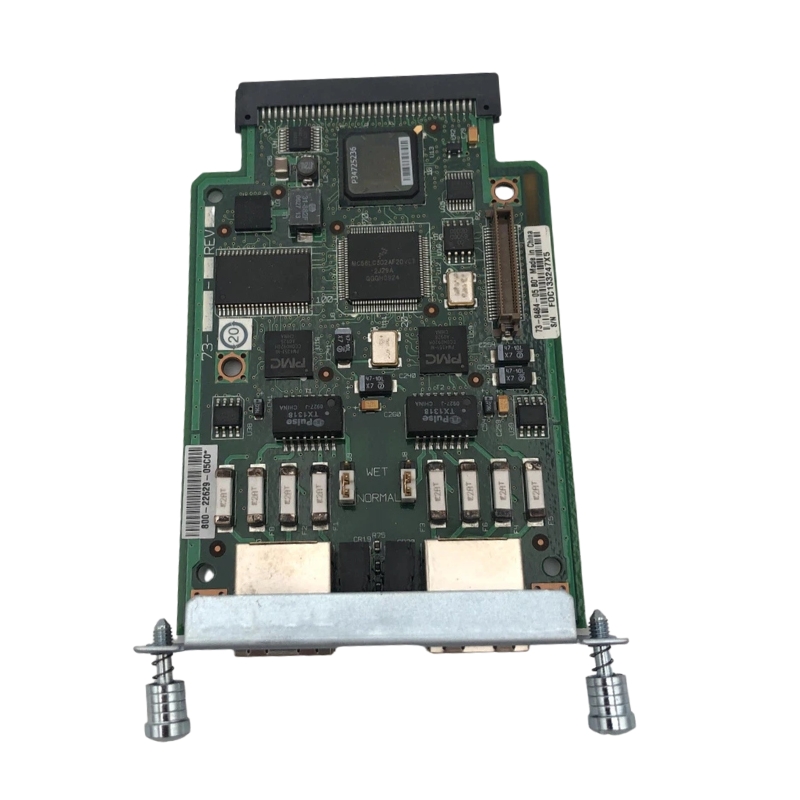
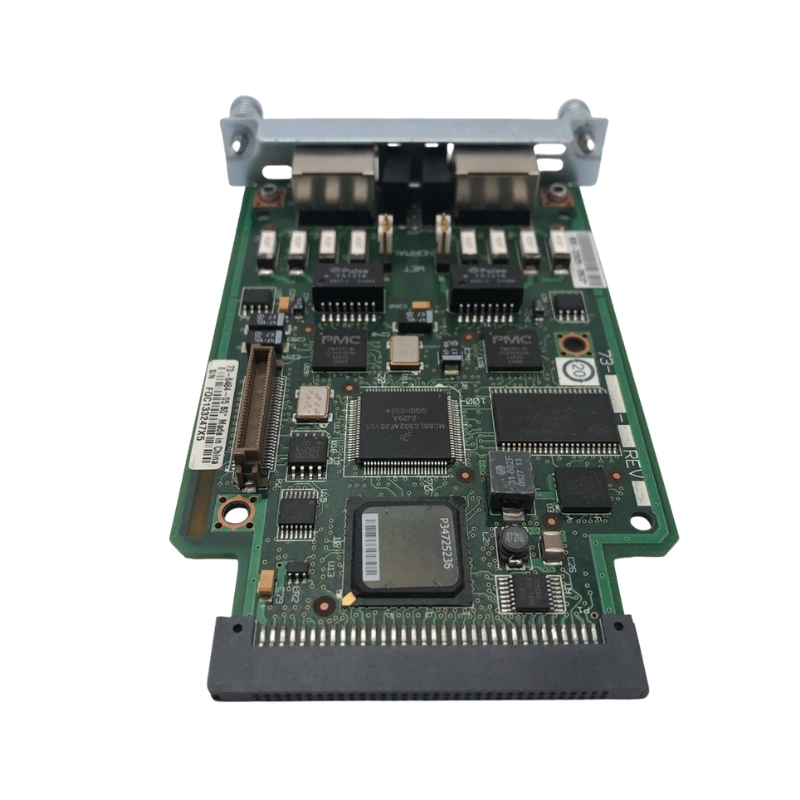
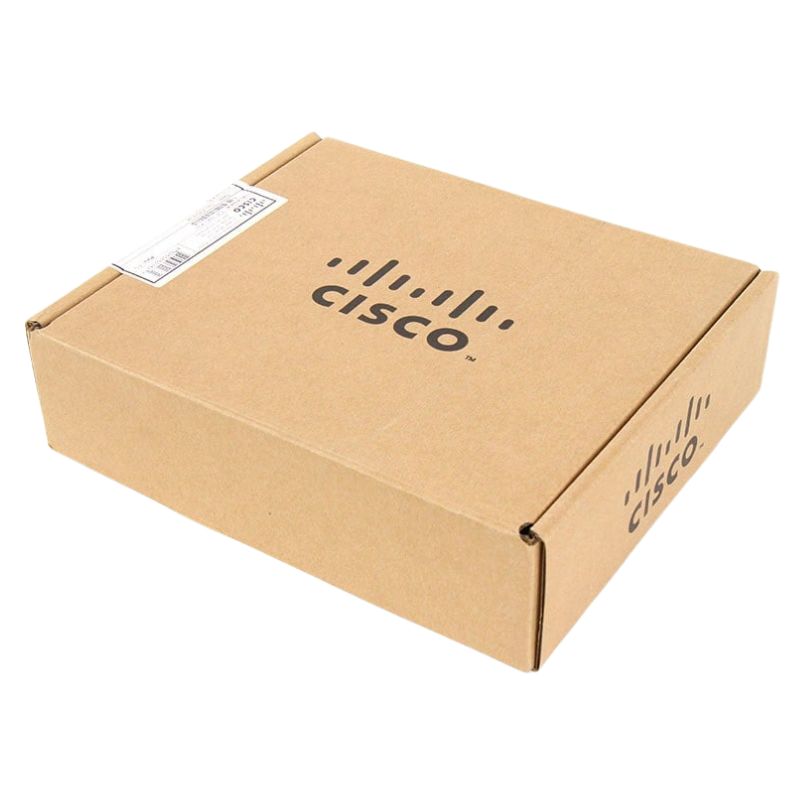
Cisco VWIC-2MFT-T1= Multiplex 2 Ports Voice Interface Card. Factory-Sealed New in Original Box (FSB) with 1 year replacement warranty
| SKU/MPN | Warranty | Price | Condition | You save |
|---|---|---|---|---|
| VWIC-2MFT-T1= | 1 Year Warranty | $60.00 | Factory-Sealed New in Original Box (FSB) | You save: $21.00 (26%) |
| VWIC-2MFT-T1= | 1 Year Warranty | $48.00 | Excellent Refurbished | You save: $16.80 (26%) |
The Cisco VWIC-2MFT-T1= is a dual-port multiplex voice interface card designed to enhance WAN and voice connectivity in Cisco integrated services routers. It delivers reliable fractional T1/T1 performance for enterprise-grade communication networks, ensuring stable and efficient data transmission.
Network Efficiency Improvements
The Cisco VWIC-2MFT-T1= Multiplex 2-Port Voice Interface Card is a specialized networking module designed to extend voice and data capabilities across enterprise-grade Cisco routing platforms. This interface card plays a critical role in integrating traditional telephony systems with modern IP-based networks, enabling organizations to maximize the value of existing T1 infrastructure while transitioning toward converged communications environments. As part of Cisco’s Voice/WAN Interface Card (VWIC) family, it delivers high-performance multiplexing functionality, supporting both voice and data transmission over T1 circuits.
This category of interface cards is widely used in legacy telephony systems, enterprise branch connectivity, and hybrid voice-over-IP (VoIP) deployments. The Cisco VWIC-2MFT-T1= provides dual-port flexibility, allowing network administrators to efficiently manage multiple T1 connections through a single hardware module. Its ability to support integrated voice and WAN services makes it a valuable asset in environments where reliability, scalability, and interoperability are essential.
One of the defining characteristics of the Cisco VWIC-2MFT-T1= is its dual-port architecture. This design allows two independent T1 circuits to be handled simultaneously, significantly increasing network efficiency. Each port can be configured separately, providing flexibility for voice, data, or mixed traffic scenarios. This is especially beneficial in enterprise environments where multiple communication channels must be maintained without additional hardware overhead.
The card is engineered to support both voice and WAN services on a single module. This integration reduces the need for separate voice and data interface cards, thereby simplifying network design and reducing operational costs. It enables seamless interoperability between traditional PBX systems and modern IP-based telephony solutions, ensuring smooth communication across different infrastructure layers.
The Cisco VWIC-2MFT-T1= is compatible with a wide range of Cisco modular routers, including popular platforms in the Cisco 1700, 2600, 2800, 3700, and 3800 series. This broad compatibility ensures that organizations can deploy the card in existing infrastructure without requiring extensive upgrades. It is particularly valuable for businesses maintaining legacy Cisco environments while gradually migrating to newer technologies.
This interface card supports standard T1 line rates of 1.544 Mbps per channel. It is designed to handle voice traffic with high reliability and minimal latency, ensuring clear communication quality. The card also supports channelized T1 configurations, allowing each T1 line to be divided into multiple DS0 channels for granular control of voice and data allocation.
The Cisco VWIC-2MFT-T1= is built with enterprise-grade components that ensure long-term durability and consistent performance. Its compact modular design allows it to be easily inserted into compatible Cisco router slots, making installation straightforward. The robust hardware architecture is designed to support continuous operation in demanding network environments.
At the core of the card lies a sophisticated signal processing engine responsible for multiplexing voice and data streams. This engine efficiently manages bandwidth allocation across the two T1 ports, ensuring optimal utilization of available network resources. It supports advanced framing formats such as ESF (Extended Super Frame) and SF (Super Frame), enhancing compatibility with various carrier networks.
Accurate timing is essential for T1 communication systems. The Cisco VWIC-2MFT-T1= includes built-in clocking mechanisms that allow synchronization with network providers or internal system clocks. This ensures stable transmission and reduces the risk of jitter or signal degradation during voice communication sessions.
Many enterprises deploy the Cisco VWIC-2MFT-T1= to connect branch offices to central data centers. The dual-port functionality allows multiple T1 circuits to be used for redundancy or load balancing, ensuring uninterrupted communication between distributed locations. This makes it ideal for organizations with geographically dispersed operations.
The card is widely used for integrating legacy PBX systems with modern VoIP infrastructure. By converting traditional T1 voice channels into digital IP streams, organizations can preserve existing telephony investments while adopting next-generation communication technologies. This hybrid approach reduces migration costs and minimizes disruption.
Telecommunication service providers utilize the Cisco VWIC-2MFT-T1= for delivering voice and data services to business customers. Its multiplexing capabilities allow efficient aggregation of multiple customer circuits, making it a cost-effective solution for carrier-grade deployments.
The dual-port architecture also supports redundancy configurations, which are essential in disaster recovery planning. In the event of a primary link failure, traffic can be rerouted through the secondary T1 interface, ensuring continuous service availability.
Configuration of the Cisco VWIC-2MFT-T1= is performed through Cisco IOS commands. Network administrators can define interface parameters, set clocking sources, and configure channel groups directly from the router CLI. This provides granular control over how voice and data traffic is managed across the network.
Initial setup typically involves assigning the correct controller configuration for each T1 port. Administrators must specify framing type, line coding, and clock source. Proper configuration ensures stable communication with carrier networks and internal systems.
Each T1 line can be divided into multiple channel groups for voice and data segmentation. This allows organizations to allocate bandwidth dynamically based on operational requirements. Voice channels are often prioritized to maintain call quality.
Optimizing bandwidth usage is essential when deploying the Cisco VWIC-2MFT-T1=. Administrators can prioritize voice traffic over data to ensure high-quality communication. Traffic shaping and QoS (Quality of Service) policies are commonly applied to achieve this balance.
QoS policies play a crucial role in maintaining voice clarity. By prioritizing voice packets and minimizing latency, organizations can ensure consistent call quality even under heavy network load. The VWIC-2MFT-T1= integrates seamlessly with Cisco QoS frameworks.
Proper configuration of clocking sources and channel assignments helps reduce latency and jitter. These optimizations are critical for real-time voice communication, especially in enterprise telephony environments.
The Cisco VWIC-2MFT-T1= is designed for hybrid environments where traditional TDM (Time Division Multiplexing) networks coexist with VoIP systems. It acts as a bridge between these technologies, enabling seamless interoperability.
In core networks, the card is often used for aggregating multiple voice channels, while at the edge it connects branch offices to centralized communication hubs. This flexibility enhances overall network scalability.
As organizations grow, the need for scalable voice infrastructure becomes critical. The dual-port design allows additional T1 circuits to be integrated without significant hardware changes, supporting long-term scalability.
The Cisco VWIC-2MFT-T1= includes built-in fault tolerance mechanisms that help maintain service continuity. Redundant paths and automatic failover configurations reduce downtime in case of network issues.
Regular monitoring and firmware updates ensure optimal performance. Network administrators should periodically review interface logs and error counters to detect early signs of degradation.
Preventive maintenance includes checking physical connections, verifying synchronization settings, and ensuring proper cooling within router chassis. These steps help extend the lifecycle of the interface card.


 Contact Us
 Information
 Catalog
 Solid State Drives (SSD)
 Network Switches
 Hard Disk Drives
 HBA & Controllers
 PC & Servers
 PC & Server Memory
 CPU & Processors
 Network Routers
 Power Supplies
 Tape Drives & Libraries
 Network Devices
 Computer & Network Cables