(7% discount is applied at checkout)
Cart is empty
Your go-to destination for cutting-edge server products
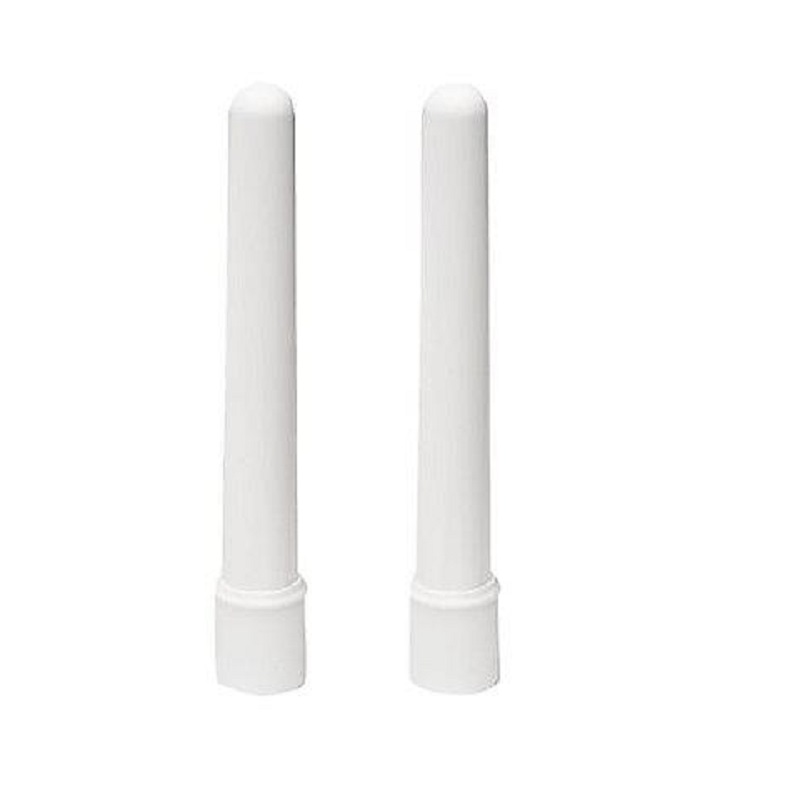


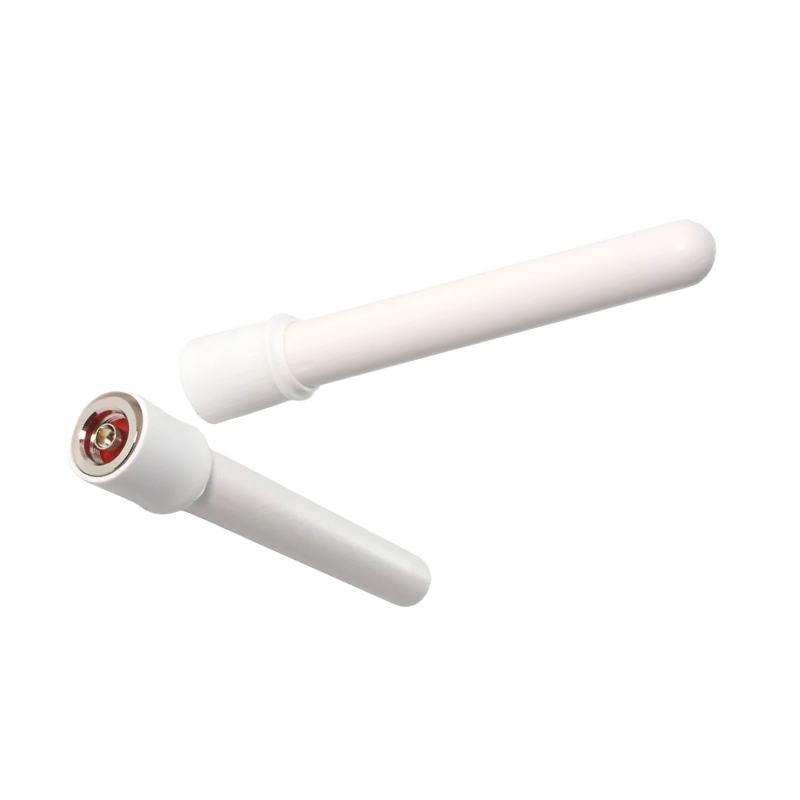
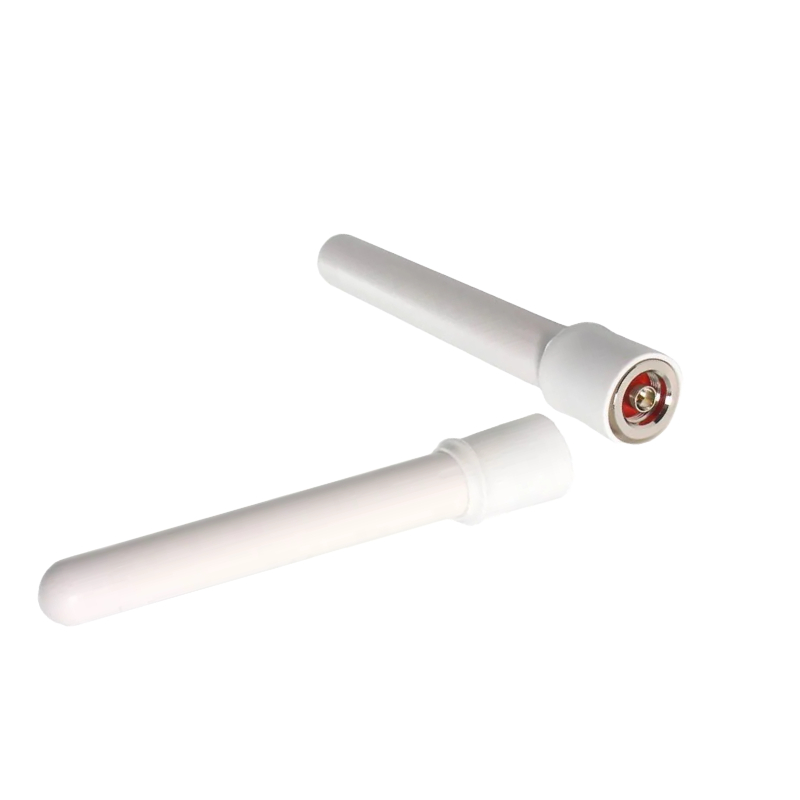
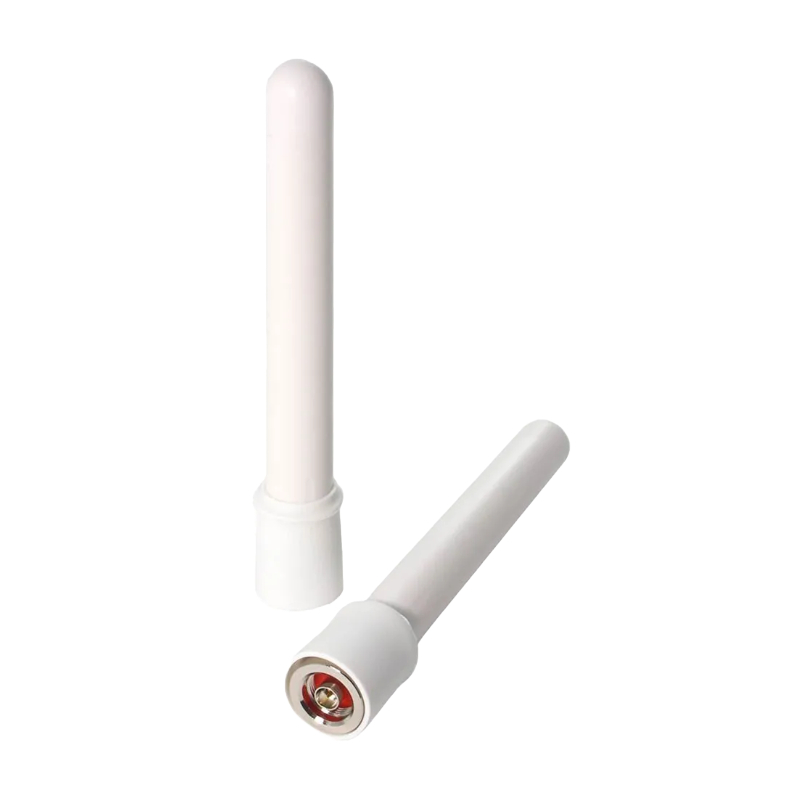
Cisco MA-ANT-20 Meraki Dual Band Omni Antenna 7 dBi Wireless Data Network. Excellent Refurbished with 1 year replacement warranty
| SKU/MPN | Warranty | Price | Condition | You save |
|---|---|---|---|---|
| MA-ANT-20 | 1 Year Warranty | $142.00 | Factory-Sealed New in Original Box (FSB) | You save: $49.70 (26%) |
| MA-ANT-20 | 1 Year Warranty | $118.00 | Excellent Refurbished | You save: $41.30 (26%) |
The Cisco MA-ANT-20 is a high-efficiency Meraki omni-directional antenna designed to enhance wireless data network performance across dual frequency bands. Engineered for seamless compatibility with Meraki access points, this antenna delivers reliable signal distribution in enterprise, commercial, and industrial deployments.
Featuring a 360-degree horizontal radiation pattern, this omni antenna ensures consistent wireless coverage in all directions, making it ideal for indoor environments requiring uniform signal strength.
The antenna’s slim profile allows discreet installation while maintaining optimal wireless performance.
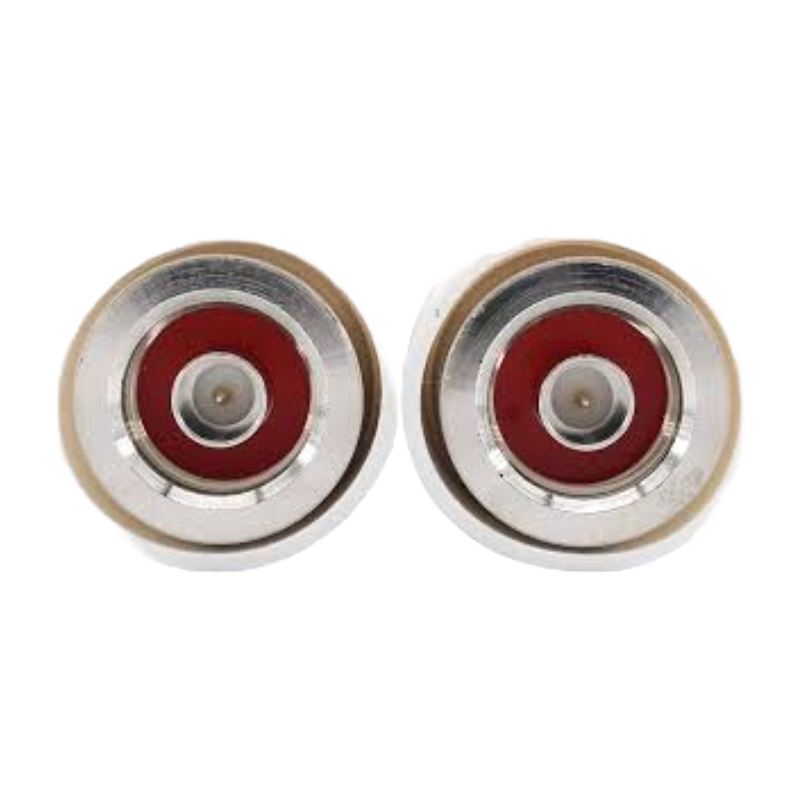
The MA-ANT-20 connects directly to compatible Meraki devices, eliminating the need for additional cables and reducing installation complexity.
The Cisco MA-ANT-20 Meraki Dual Band Omni Antenna 7 dBi Wireless Data Network solution represents a specialized category within enterprise-grade wireless networking accessories, designed to extend and optimize the coverage capabilities of Meraki access points. This category focuses on high-performance external antennas that are engineered to improve signal propagation, enhance reliability, and maintain consistent wireless connectivity across complex indoor and semi-outdoor environments. As wireless networks continue to support bandwidth-intensive applications, real-time collaboration, cloud access, and IoT integrations, the importance of antenna performance becomes increasingly critical within modern infrastructure deployments.
The MA-ANT-20 category is positioned to serve organizations that demand predictable radio frequency behavior, consistent omnidirectional coverage, and compatibility with Cisco Meraki’s cloud-managed wireless ecosystem. By offering dual-band support across both 2.4 GHz and 5 GHz spectrums, this antenna category aligns with current wireless standards and ensures operational flexibility for mixed-device environments. The 7 dBi gain characteristic further places this category in the professional networking segment, providing extended coverage compared to integrated antenna designs commonly found in compact access points.
Dual-band antenna technology forms the core architectural foundation of the Cisco MA-ANT-20 Meraki antenna category. This design enables simultaneous support for 2.4 GHz and 5 GHz frequency bands, allowing network administrators to balance range, throughput, and device compatibility across diverse deployment scenarios. The 2.4 GHz band offers broader signal reach and better penetration through walls and obstacles, while the 5 GHz band delivers higher data rates and reduced interference in dense wireless environments.
The MA-ANT-20 antenna category is engineered to operate efficiently across these bands without sacrificing signal stability. Advanced internal antenna element design ensures consistent radiation patterns, minimizing dead zones and signal degradation. This makes the category suitable for environments such as office campuses, educational institutions, healthcare facilities, hospitality venues, and industrial locations where consistent wireless coverage is essential.
Omnidirectional antennas, such as those within the Cisco MA-ANT-20 category, are designed to radiate signal energy evenly across a horizontal plane. This characteristic is particularly beneficial for deployments requiring uniform coverage around the access point, rather than focused directional beams. The omnidirectional pattern supports mobile users who move freely throughout a space, ensuring uninterrupted connectivity as devices roam between coverage areas.
The antenna category emphasizes stable horizontal coverage while maintaining controlled vertical radiation, helping to reduce unnecessary signal leakage to other floors or external areas. This balance enhances network efficiency and contributes to better frequency reuse in multi-access-point deployments. By focusing on predictable radiation behavior, the MA-ANT-20 category supports scalable network designs that can be expanded without introducing excessive interference.
A defining feature of the Cisco MA-ANT-20 Meraki antenna category is its 7 dBi gain rating. Antenna gain directly influences how effectively radio frequency energy is concentrated and transmitted. In this category, the 7 dBi gain provides a notable improvement in coverage distance and signal strength compared to lower-gain integrated antennas, while still preserving an omnidirectional profile.
This gain level makes the category ideal for medium to large indoor spaces where enhanced coverage is required without resorting to highly directional antennas. It allows organizations to reduce the number of access points needed to cover a given area, optimizing infrastructure costs and simplifying network management. The balance between gain and coverage uniformity is a key differentiator for this antenna category within enterprise wireless solutions.
The Cisco MA-ANT-20 category is purpose-built to integrate seamlessly with Cisco Meraki wireless access points. Compatibility with Meraki hardware ensures optimal impedance matching, connector reliability, and regulatory compliance. This integration supports consistent performance across deployments and simplifies the design process for network engineers who rely on Meraki’s cloud-managed architecture.
By leveraging Meraki’s centralized management platform, organizations deploying antennas from this category can monitor network performance, adjust radio settings, and optimize coverage without physical intervention. The antenna becomes an extension of the Meraki access point, contributing to an intelligent wireless system that adapts to user demand and environmental conditions.
Within the Meraki ecosystem, antenna performance directly influences the accuracy of RF analytics, location services, and performance metrics. The MA-ANT-20 antenna category supports these advanced capabilities by delivering consistent signal characteristics that the Meraki dashboard can accurately interpret. This enables features such as automatic RF optimization, client load balancing, and interference mitigation.
Cloud-based management also allows administrators to deploy antennas from this category across multiple sites while maintaining consistent configuration policies. This is particularly valuable for distributed enterprises, retail chains, and educational institutions that require standardized wireless performance across geographically dispersed locations.
The physical design considerations of the Cisco MA-ANT-20 Meraki antenna category emphasize durability, adaptability, and ease of installation. These antennas are engineered to support a variety of mounting options, enabling flexible placement to achieve optimal coverage. The form factor is designed to integrate cleanly into professional environments without detracting from architectural aesthetics.
Deployment flexibility is a critical factor in antenna selection, and this category addresses challenges such as ceiling height variation, wall-mounted access points, and equipment enclosures. By supporting external antenna configurations, network designers can position antennas independently of access point hardware, improving signal distribution in challenging layouts.
The antenna category is designed with industry-standard connectors that ensure secure and low-loss connections to compatible Meraki access points. Proper connector design minimizes signal attenuation and preserves the antenna’s gain characteristics. This is particularly important in deployments where cable lengths vary or where access points are installed in enclosures or plenum spaces.
Cable selection and routing also play a role in maximizing antenna performance. The MA-ANT-20 category supports professional-grade cabling practices that help maintain signal integrity while complying with building codes and safety standards. This ensures that the theoretical performance benefits of the antenna are realized in real-world installations.
The Cisco MA-ANT-20 Meraki Dual Band Omni Antenna category is designed to address a wide range of enterprise and commercial wireless networking scenarios. In office environments, these antennas enhance coverage in open-plan workspaces, conference rooms, and shared collaboration areas. The omnidirectional pattern ensures consistent connectivity for employees using laptops, mobile devices, and wireless peripherals.
In educational institutions, the antenna category supports high-density wireless usage in classrooms, lecture halls, and common areas. The ability to deliver stable dual-band performance helps accommodate a large number of concurrent devices while maintaining acceptable throughput and latency. This is essential for digital learning platforms, online assessments, and multimedia content delivery.
Hospitality environments such as hotels and resorts benefit from the MA-ANT-20 antenna category by achieving reliable guest Wi-Fi coverage across lobbies, corridors, and guest rooms. The consistent signal propagation reduces connectivity complaints and supports value-added services such as streaming, mobile check-in, and smart room technologies.
Retail deployments leverage this antenna category to support point-of-sale systems, inventory management devices, and customer engagement platforms. Uniform wireless coverage ensures operational continuity while enabling analytics-driven insights into customer behavior and foot traffic patterns.
Reliability is a defining attribute of the Cisco MA-ANT-20 Meraki antenna category. Enterprise wireless networks require predictable performance to support mission-critical applications, and antenna quality plays a central role in achieving this reliability. The antenna’s construction and internal design are optimized to maintain consistent impedance and radiation characteristics across operating conditions.
Signal integrity is preserved through careful engineering that minimizes distortion, reflection, and loss. This results in stable link quality, reduced retransmissions, and improved overall network efficiency. By maintaining consistent performance, the antenna category supports long-term network scalability and reduces the need for frequent redesigns.
The MA-ANT-20 antenna category is designed to perform reliably across a range of environmental conditions typically encountered in indoor and sheltered installations. Materials and construction methods are selected to resist wear, temperature variation, and physical stress associated with long-term deployment.
This durability contributes to lower total cost of ownership by reducing maintenance requirements and replacement frequency. Organizations investing in this antenna category benefit from a solution that aligns with the lifecycle expectations of enterprise networking infrastructure.
Wireless antenna categories must adhere to regional and international regulatory standards governing radio frequency emissions and safety. The Cisco MA-ANT-20 Meraki antenna category is designed to operate within these regulatory frameworks, ensuring compliance when deployed with compatible Meraki access points.
Compliance with standards such as IEEE wireless specifications and regional RF regulations ensures that deployments meet legal requirements while delivering optimal performance. This alignment reduces deployment risk and simplifies the approval process for enterprise IT projects.
The antenna category supports interoperability with modern wireless protocols and access point technologies. By maintaining consistent performance across frequency bands, it complements advancements in wireless modulation, channel bonding, and spatial stream technologies implemented within Meraki access points.
This interoperability ensures that investments in the MA-ANT-20 antenna category remain relevant as wireless standards evolve, providing long-term value and adaptability for growing network demands.
External antenna categories such as the Cisco MA-ANT-20 Meraki Dual Band Omni Antenna play a strategic role in professional network design. They provide network architects with the flexibility to fine-tune coverage, optimize performance, and adapt to unique physical environments that integrated antennas may not adequately address.
By selecting antennas with specific gain and radiation characteristics, organizations can design wireless networks that align closely with business requirements and user behavior. This strategic approach enhances user experience, supports digital transformation initiatives, and maximizes the return on investment in wireless infrastructure.
The MA-ANT-20 antenna category supports scalable network expansion by enabling consistent coverage patterns across additional access points. As organizations grow or reconfigure spaces, the antenna’s predictable performance simplifies planning and reduces deployment complexity.
Future-proofing is achieved through compatibility with evolving Meraki access point models and wireless standards. This ensures that the antenna category remains a viable component of enterprise wireless strategies for years to come, supporting innovation and continuous improvement in network capabilities.


 Contact Us
 Information
 Catalog
 Solid State Drives (SSD)
 Network Switches
 Hard Disk Drives
 HBA & Controllers
 PC & Servers
 PC & Server Memory
 CPU & Processors
 Network Routers
 Power Supplies
 Tape Drives & Libraries
 Network Devices
 Computer & Network Cables