(7% discount is applied at checkout)
Cart is empty
Your go-to destination for cutting-edge server products


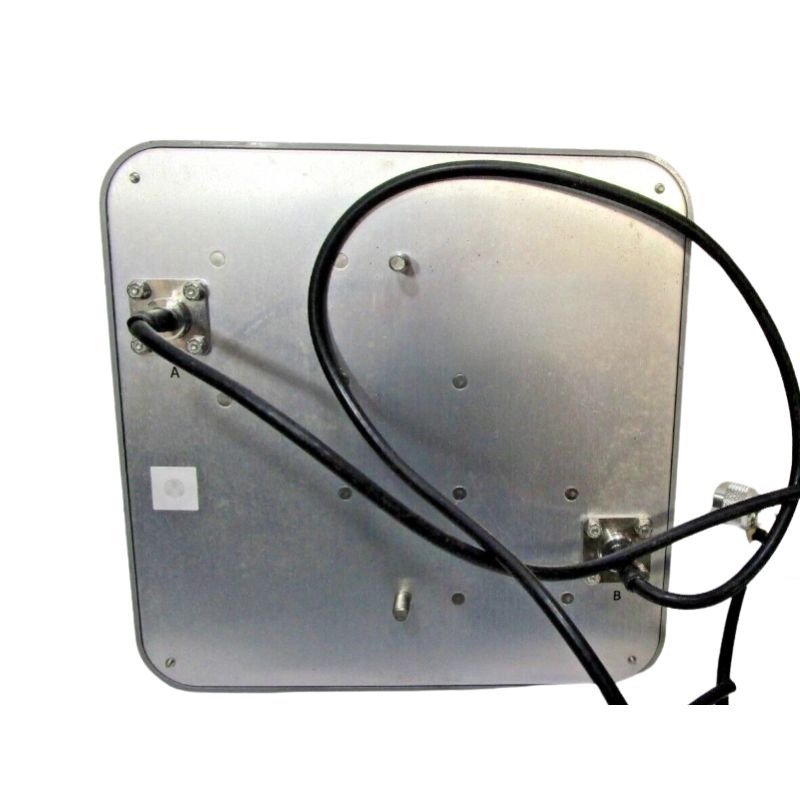
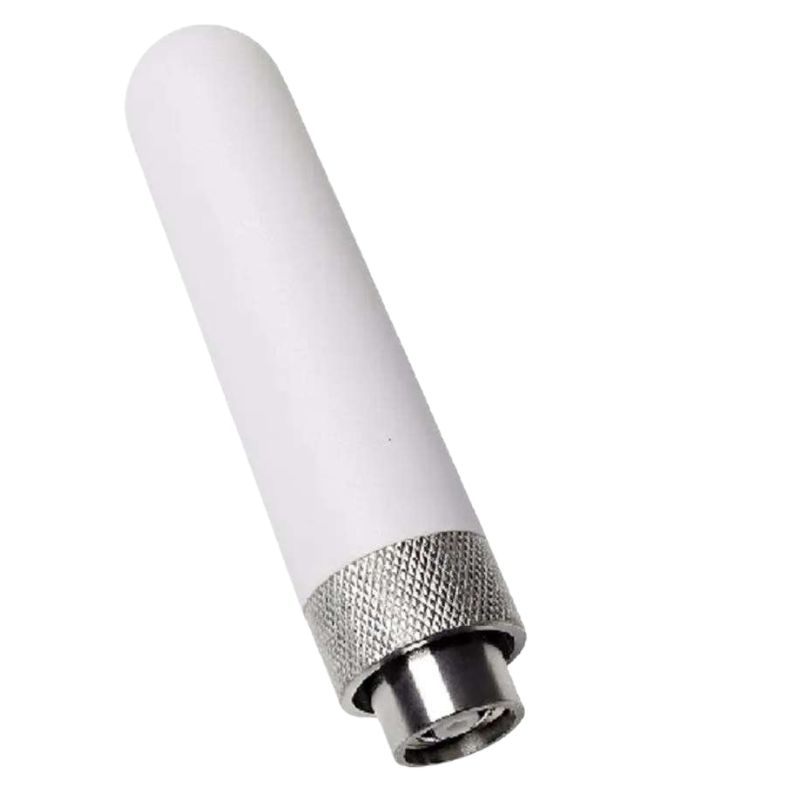
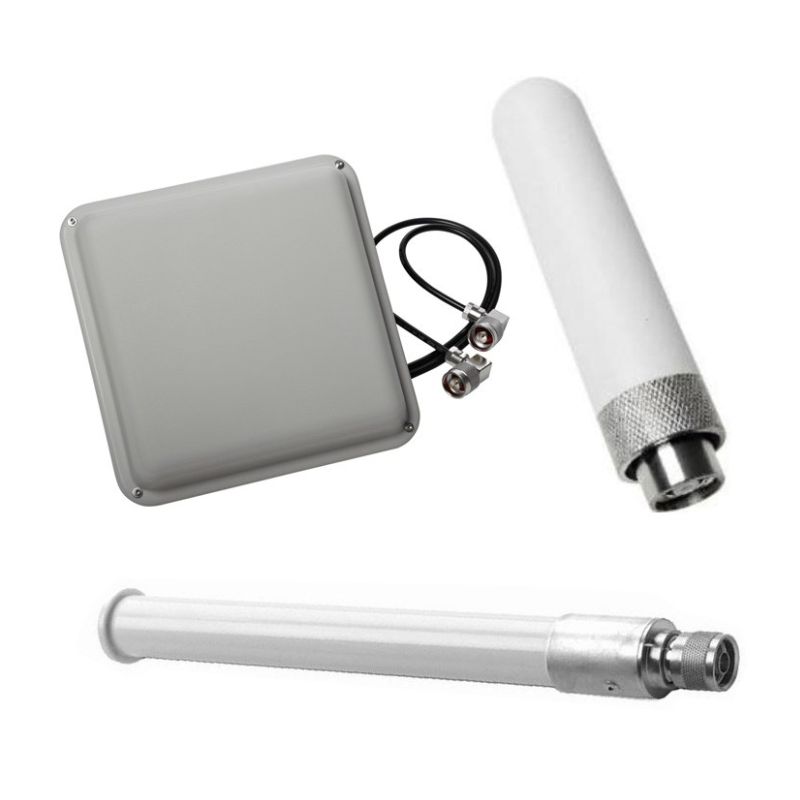
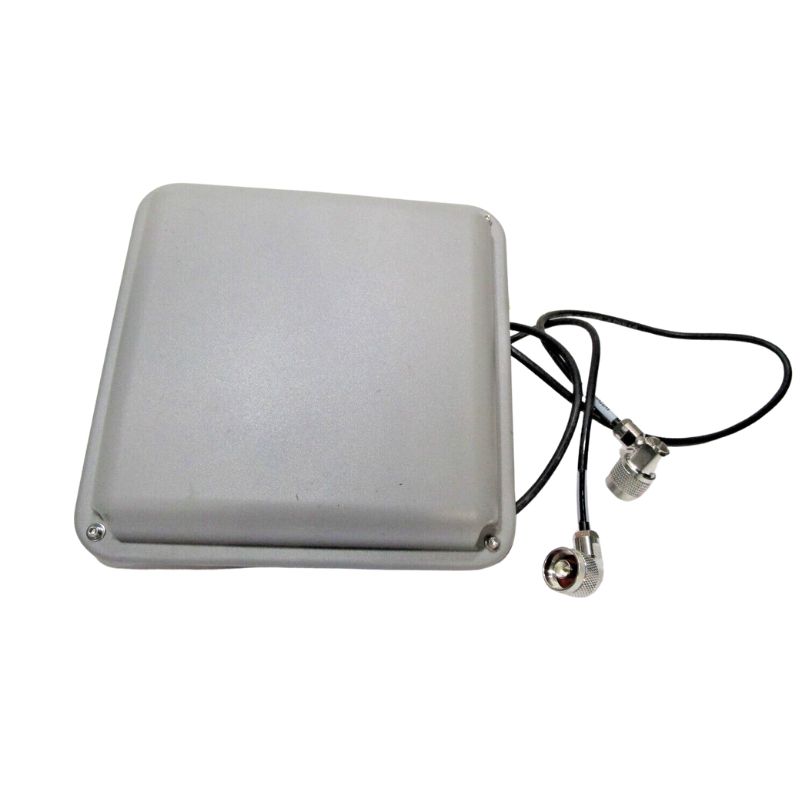
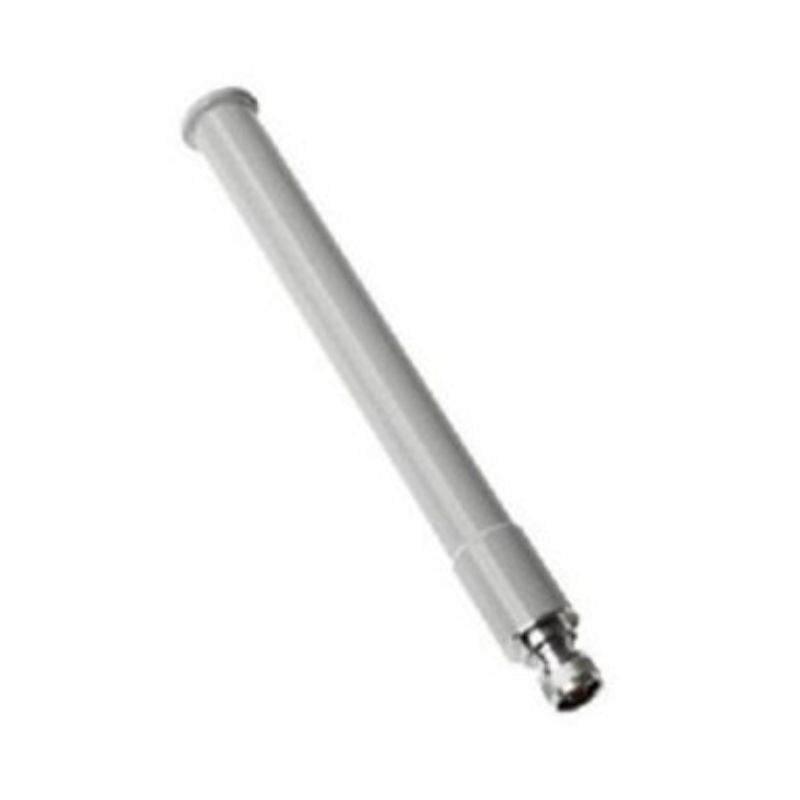
Cisco AIR-ANT2413P2MN Aironet 2.4-GHz 13-dBi Directional Antenna - Antenna - 13 DBi Directional Outdoor, Pole Mount. Excellent Refurbished with 1 year replacement warranty
The Cisco AIR-ANT2413P2MN Aironet antenna is a high-performance outdoor directional antenna designed to improve wireless network coverage and signal strength. This 13 dBi directional pole mount antenna operates within the 2.4 GHz frequency range and is suitable for enterprise wireless deployments requiring focused RF transmission and reception.
The Cisco AIR-ANT2413P2MN Aironet 2.4-GHz 13-dBi Directional Antenna is a specialized wireless networking antenna designed for organizations that require focused, reliable, and extended-range connectivity in outdoor and challenging deployment environments. As part of the antenna category for enterprise wireless infrastructure, this directional antenna provides a targeted signal pattern that helps improve wireless performance by concentrating radio frequency energy toward a specific coverage area. With a 13 dBi gain rating and support for the 2.4 GHz frequency band, this antenna is engineered for applications where distance, signal control, and connection stability are more important than broad-area coverage.
Directional antennas such as the Cisco AIR-ANT2413P2MN are commonly used in enterprise Wi-Fi deployments, industrial facilities, warehouses, campuses, outdoor wireless bridges, and other environments where wireless coverage needs to be carefully planned. Unlike omnidirectional antennas that distribute signals in multiple directions, a directional antenna focuses transmission and reception into a narrower beam. This focused design allows network administrators to create point-to-point or point-to-multipoint wireless links while reducing unwanted interference from surrounding radio sources.
The Cisco Aironet antenna family is widely recognized within professional wireless networking environments because it supports structured wireless deployments where antenna selection plays a major role in network performance. The AIR-ANT2413P2MN model represents a high-gain directional solution for 2.4 GHz wireless systems, providing enhanced coverage distance and improved signal directionality when paired with compatible Cisco wireless access points and radio equipment.
The 2.4 GHz antenna category includes wireless antennas designed to operate within the industrial, scientific, and medical frequency range used by many Wi-Fi technologies. The 2.4 GHz band has been widely adopted because it provides compatibility with many wireless networking devices and offers better penetration characteristics compared with some higher-frequency wireless bands. However, because the 2.4 GHz spectrum is heavily used, selecting the correct antenna type becomes essential for maintaining dependable wireless communication.
The Cisco AIR-ANT2413P2MN belongs to the directional antenna subcategory, which focuses on transmitting wireless signals in a controlled direction. A 13 dBi gain rating indicates that the antenna can significantly concentrate RF energy compared with lower-gain antennas. Higher gain does not simply mean stronger coverage in every direction; instead, it means the antenna creates a narrower and more focused radiation pattern that extends signal reach along a selected path.
Directional antennas are built around the principle of controlling electromagnetic energy. The antenna elements and physical structure are designed so that radio frequency signals are reinforced in one direction while being reduced in other directions. This design improves efficiency for wireless links that require communication between specific locations.
For network engineers, directional antennas provide greater control over wireless planning. In outdoor environments, where access points may need to connect buildings separated by distance, a directional antenna can create a dedicated communication path. This makes the Cisco AIR-ANT2413P2MN suitable for scenarios involving outdoor connectivity expansion, remote wireless access, and infrastructure extensions.
Antenna gain is one of the most important specifications when selecting a wireless antenna. The 13 dBi gain of the Cisco AIR-ANT2413P2MN indicates a high level of signal concentration. In practical deployments, this can help wireless signals travel farther along a planned direction while improving the received signal quality at the opposite end of the connection.
High-gain antennas are especially useful where environmental conditions, distance, or physical obstacles make wireless communication more difficult. By narrowing the signal beam, the antenna can help reduce unnecessary RF energy spread, allowing the wireless system to operate more efficiently. Proper alignment and installation remain important because directional antennas depend on accurate positioning to achieve optimal performance.
The Cisco AIR-ANT2413P2MN Aironet 2.4-GHz 13-dBi Directional Antenna is categorized as an outdoor antenna solution, making it appropriate for environments where wireless coverage must extend beyond traditional indoor spaces. Outdoor wireless networks require careful antenna selection because distance, weather conditions, interference, and physical layout all affect connectivity.
Outdoor deployments often include campus networks, manufacturing areas, transportation facilities, agricultural locations, security systems, and remote infrastructure sites. In these environments, a directional antenna provides a practical method for connecting areas that cannot easily be served through standard indoor wireless equipment.
The pole mount design of this antenna supports flexible installation in outdoor locations. Pole mounting allows wireless engineers to position the antenna at an elevated point, improving line-of-sight conditions and increasing the effectiveness of the directional signal path. Elevation can reduce interference from buildings, equipment, terrain, and other physical obstructions.
A properly installed pole-mounted directional antenna can create stable wireless communication between two or more network points. Installation planning typically considers antenna height, orientation, cable routing, environmental exposure, and compatibility with the wireless access point. The Cisco AIR-ANT2413P2MN is designed for professional deployments where reliable mounting and precise positioning are essential.
Enterprise organizations often require wireless networks that cover large areas while maintaining predictable performance. The Cisco AIR-ANT2413P2MN supports these goals by providing focused coverage for specific areas. Industrial environments especially benefit from directional antenna technology because equipment, machinery, storage structures, and large open spaces can create unique wireless challenges.
In warehouses, a directional antenna may help connect separate sections of a facility. In manufacturing environments, it may support wireless communication between operational zones. In large campuses, it can assist with extending connectivity between buildings or outdoor areas. These applications demonstrate why directional antennas remain important components in professional wireless network architecture.
The 2.4 GHz operating range allows the antenna to support wireless systems designed around that frequency. The 2.4 GHz band has historically been used for Wi-Fi communication because of its balance between coverage distance and device compatibility. While newer wireless technologies may also use other frequency bands, 2.4 GHz remains important for many legacy and enterprise deployments.
Because radio frequency behavior varies by environment, antenna selection is a key part of wireless engineering. The Cisco AIR-ANT2413P2MN helps organizations create predictable wireless paths by focusing available RF energy toward intended coverage zones.
The directional coverage pattern of the Cisco AIR-ANT2413P2MN distinguishes it from general-purpose antennas. Instead of spreading signals equally around the antenna, directional models create a focused beam. This approach supports applications where communication between defined points is required.
Directional coverage is often preferred for wireless links where interference reduction and distance extension are priorities. By concentrating the signal, the antenna can improve communication efficiency while limiting unnecessary transmission into areas where coverage is not needed.
Because directional antennas rely on focused signal paths, alignment is a critical part of installation. Even a high-performance antenna may not deliver expected results if it is incorrectly positioned. Network professionals typically evaluate the intended communication route and adjust the antenna direction to match the target location.
Correct alignment improves signal strength, connection stability, and overall wireless reliability. For outdoor deployments, installation teams often consider factors such as distance, elevation, environmental conditions, and potential obstacles before final positioning.
The Cisco AIR-ANT2413P2MN provides several advantages for organizations that need focused wireless connectivity. Its high-gain directional design supports extended-range communication while allowing administrators to control coverage areas more precisely.
One major benefit of directional antenna technology is improved wireless planning. Instead of increasing transmission power or adding numerous access points, network designers can sometimes achieve required coverage by selecting an antenna that matches the physical environment.
Long-distance wireless communication requires careful management of signal strength and interference. A high-gain directional antenna helps by concentrating RF energy toward the receiving location. This makes it useful for connecting separated areas where traditional wireless coverage methods may be ineffective.
Outdoor wireless bridges, remote access points, and building-to-building communication systems often depend on directional antenna solutions. The Cisco AIR-ANT2413P2MN is positioned within this category as a professional-grade antenna designed for these types of targeted wireless applications.
Directional antennas can help reduce unwanted signal distribution outside the intended coverage area. This characteristic can improve network security planning and reduce potential interference with nearby wireless systems. In dense wireless environments, controlling signal direction becomes increasingly important.
By limiting RF energy outside the intended path, administrators can create more organized wireless deployments. This approach supports better spectrum management and more predictable network behavior.
Wireless antenna selection should consider the relationship between the access point, antenna specifications, and deployment environment. Gain, frequency range, mounting method, and radiation pattern all influence final network performance.
The Cisco AIR-ANT2413P2MN fits deployments that require focused 2.4 GHz wireless transmission. It is particularly relevant for outdoor networks where signal direction and range are important factors.
Cisco Aironet antennas are designed as components within broader Cisco wireless networking solutions. Proper integration helps organizations maintain compatibility and achieve expected wireless performance. Antenna choice is an important part of building a reliable wireless infrastructure because the antenna directly affects how radio signals travel through the environment.
Professional wireless deployments often require more than simply installing access points. They involve planning, testing, configuration, and selecting hardware that matches the intended application. The Cisco AIR-ANT2413P2MN supports this approach by providing a focused antenna option for specialized wireless requirements.
The Cisco AIR-ANT2413P2MN Aironet 2.4-GHz 13-dBi Directional Antenna can support a variety of networking scenarios where controlled outdoor wireless communication is needed. Its design aligns with the requirements of organizations seeking reliable connections across distances while maintaining efficient RF management.
Educational campuses, corporate facilities, industrial sites, and infrastructure operators may use directional antenna solutions to expand wireless reach. These deployments demonstrate the continuing importance of antennas in modern connectivity systems.
As organizations continue to expand digital operations, wireless networks increasingly need to cover areas beyond traditional office spaces. Directional antennas provide a method for extending connectivity without relying solely on additional wired infrastructure.
The Cisco AIR-ANT2413P2MN represents a category of antenna products designed to solve these expansion challenges through focused wireless communication. Its outdoor capability and directional characteristics make it a suitable option for targeted coverage projects.
Reliable wireless performance depends on many factors, including antenna design, installation quality, environmental conditions, and network configuration. A properly selected directional antenna contributes to stronger wireless links by aligning the physical RF design with the intended network purpose.


 Contact Us
 Information
 Catalog
 Solid State Drives (SSD)
 Network Switches
 Hard Disk Drives
 HBA & Controllers
 PC & Servers
 PC & Server Memory
 CPU & Processors
 Network Routers
 Power Supplies
 Tape Drives & Libraries
 Network Devices
 Computer & Network Cables