(7% discount is applied at checkout)
Cart is empty
Your go-to destination for cutting-edge server products
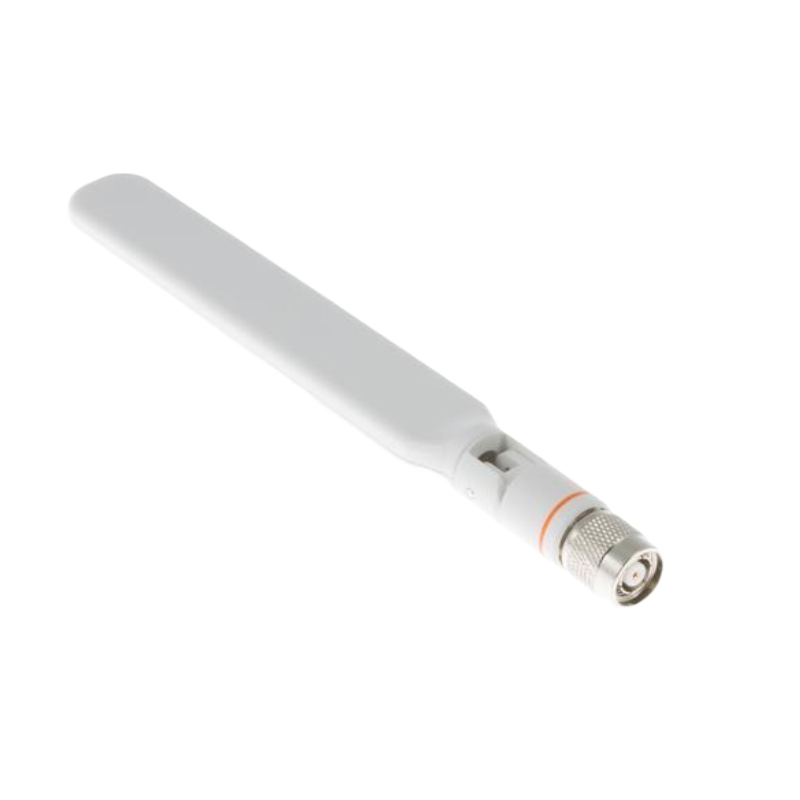


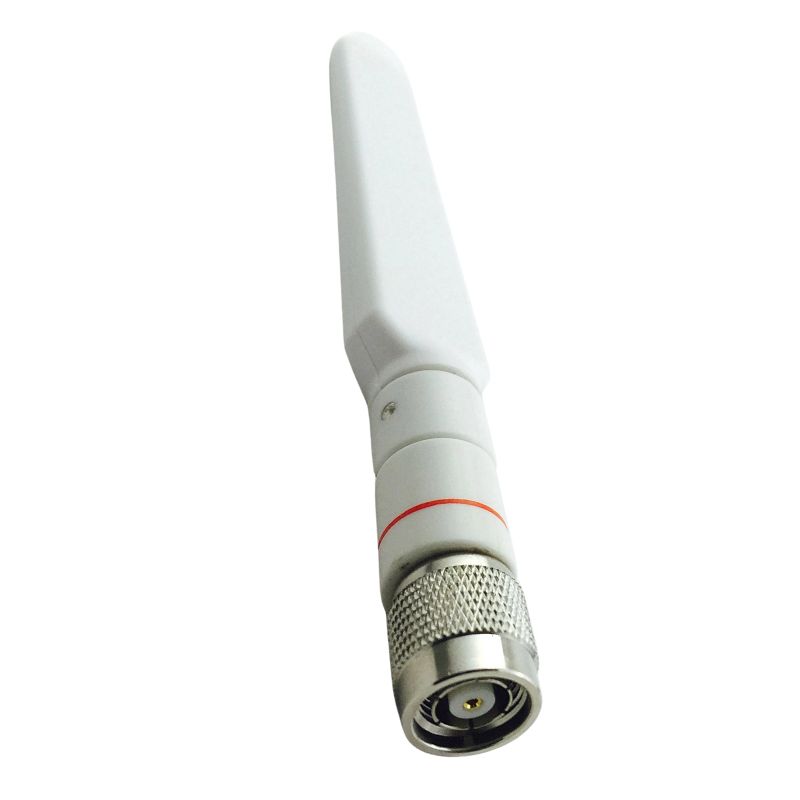
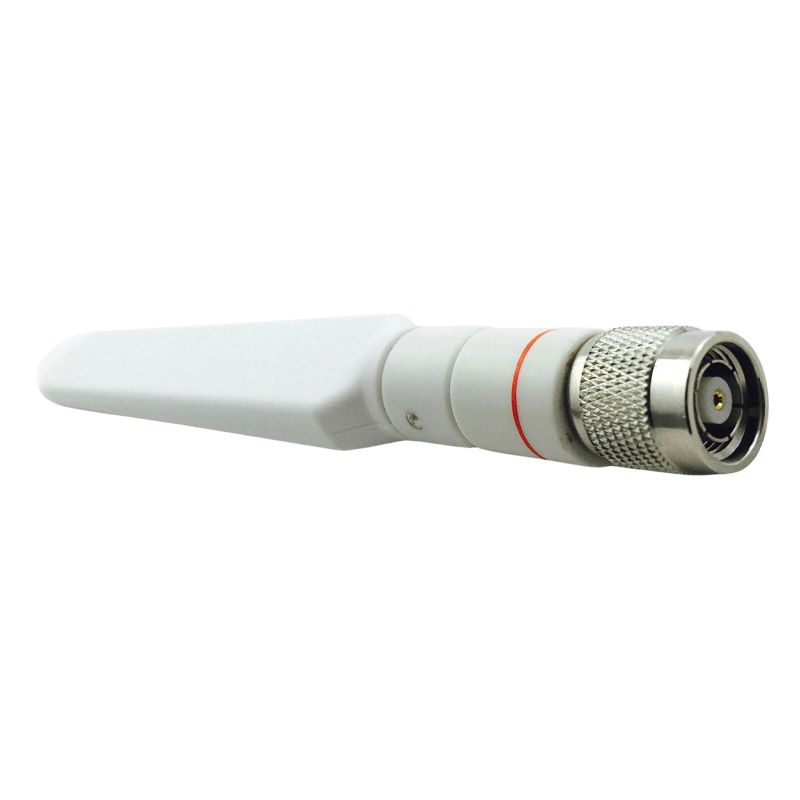
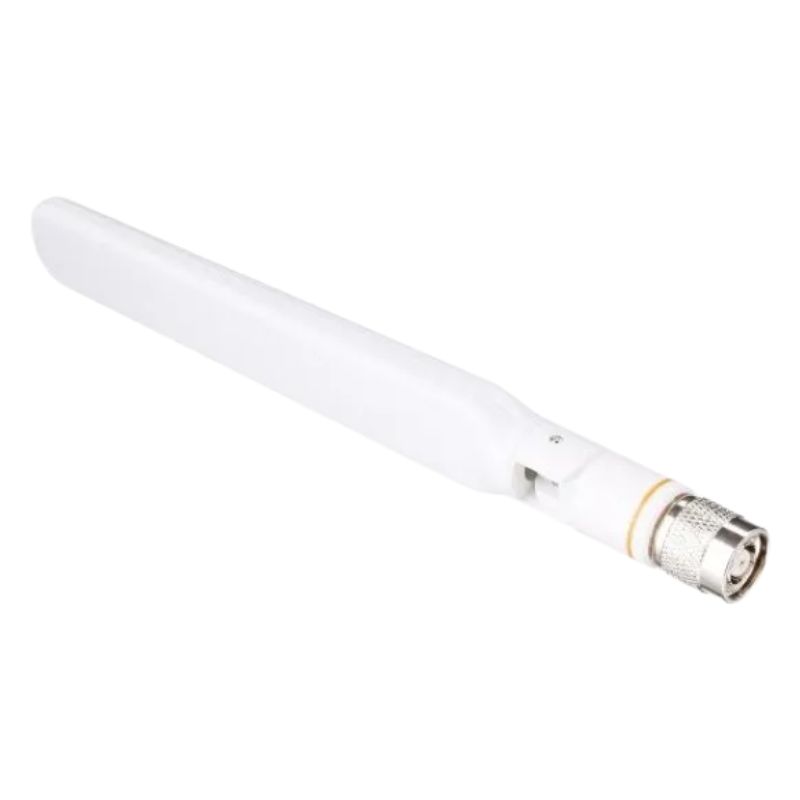
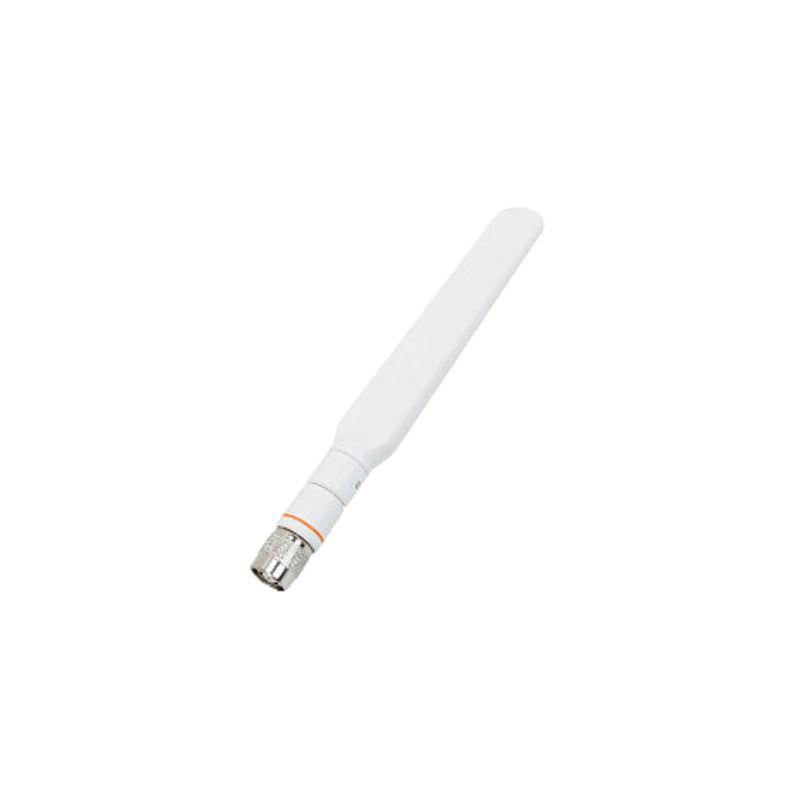
Cisco AIR-ANT2524DW-R= Aironet Dual-band Dipole Antenna - Antenna. Factory-Sealed New in Original Box (FSB) 1 year replacement warranty
The Cisco AIR-ANT2524DW-R= Aironet Dual-Band Dipole Antenna is a high-performance wireless networking antenna designed to deliver reliable signal coverage across both 2.4 GHz and 5 GHz frequency bands. This omnidirectional dipole antenna provides enhanced wireless connectivity for enterprise Wi-Fi environments and is optimized for compatible Cisco access point deployments.
The Cisco AIR-ANT2524DW-R= Aironet Dual-band Dipole Antenna is a purpose-built wireless networking accessory designed to enhance the performance, coverage, and reliability of compatible Cisco Aironet wireless access points. This dual-band dipole antenna category represents a key component in enterprise wireless infrastructure, providing organizations with a practical solution for improving Wi-Fi signal distribution across offices, campuses, warehouses, educational facilities, healthcare environments, and commercial spaces. The antenna is engineered to support both 2.4 GHz and 5 GHz wireless frequency bands, enabling modern wireless networks to deliver stronger connectivity, improved flexibility, and better user experiences.
As wireless networking continues to evolve, antennas have become an essential factor in determining network efficiency. A high-quality antenna such as the Cisco AIR-ANT2524DW-R= helps wireless access points transmit and receive radio frequency signals effectively. While access points provide the intelligence and processing required for wireless communication, antennas influence how signals travel through physical environments. The design, frequency support, gain characteristics, and orientation of an antenna all contribute to overall wireless performance.
The Cisco Aironet antenna family is widely recognized for enterprise-grade networking applications where consistent connectivity and dependable wireless coverage are important. The AIR-ANT2524DW-R= model provides a compact dipole antenna design that is suitable for deployments requiring a balanced combination of installation convenience, performance, and compatibility with Cisco wireless hardware.
A dual-band dipole antenna is designed to operate across two separate wireless frequency ranges. The Cisco AIR-ANT2524DW-R= supports both the 2.4 GHz and 5 GHz bands, allowing wireless networks to take advantage of different characteristics offered by each frequency. The 2.4 GHz band is commonly associated with broader coverage capabilities and compatibility with many wireless devices, while the 5 GHz band provides additional channels and can support higher performance with reduced interference in many environments.
Dipole antennas use a simple yet highly effective radio frequency design. They typically consist of conductive elements arranged to create a balanced radiation pattern. This design enables wireless signals to spread in a predictable manner, making dipole antennas a popular choice for indoor wireless access point installations. Their straightforward structure also allows for easy mounting, replacement, and adjustment when configuring a wireless network.
The dual-band capability of the Cisco AIR-ANT2524DW-R= allows network administrators to deploy a single antenna solution for wireless access points supporting multiple Wi-Fi generations. This reduces installation complexity and helps organizations maintain consistent wireless performance across various devices, including laptops, mobile devices, scanners, voice communication equipment, and Internet of Things hardware.
Wireless antennas play a critical role in determining how effectively radio signals move between access points and connected devices. A well-designed antenna improves communication quality by helping transmit signals efficiently and receive wireless data accurately. The Cisco AIR-ANT2524DW-R= Aironet Dual-band Dipole Antenna contributes to network stability by providing optimized wireless signal coverage for supported Cisco access points.
In enterprise environments, wireless performance depends on many factors, including building materials, network density, device placement, interference sources, and antenna configuration. Selecting the correct antenna helps network professionals create wireless deployments that match the physical environment. A dipole antenna is often chosen for areas where a general-purpose coverage pattern is preferred.
The antenna category is especially important for businesses that require reliable wireless access throughout large or busy spaces. From corporate offices to industrial environments, the correct antenna configuration can help maintain seamless connectivity and reduce areas with weak signal strength.
The Cisco AIR-ANT2524DW-R= belongs to the Cisco Aironet accessory ecosystem, which is designed to support professional wireless networking deployments. Cisco Aironet products are developed with attention to compatibility between access points, antennas, and network management solutions. This ensures that organizations can build wireless systems with components designed to work together effectively.
Compatibility is an important consideration when selecting an antenna. Wireless access points are designed with specific antenna requirements, and choosing a compatible antenna helps ensure proper operation. The Cisco AIR-ANT2524DW-R= provides a suitable option for network installations that require a dual-band dipole antenna solution within supported Cisco wireless environments.
Enterprise network administrators often select original equipment manufacturer accessories because they provide predictable specifications and integration benefits. Using a Cisco-designed antenna helps maintain consistency within a wireless deployment and supports professional installation practices.
The Cisco AIR-ANT2524DW-R= Aironet Dual-band Dipole Antenna is commonly associated with indoor wireless deployments where reliable connectivity is required. Offices, schools, retail locations, hospitals, and public facilities depend on wireless networks for communication, productivity, and digital services. In these environments, antennas help create dependable wireless coverage that supports many connected devices simultaneously.
Modern workplaces rely heavily on wireless communication. Employees use wireless laptops, smartphones, tablets, and collaboration tools throughout the day. A properly configured antenna solution helps access points deliver wireless service throughout meeting rooms, work areas, shared spaces, and other locations where users need network access.
Educational environments also benefit from reliable wireless antenna solutions. Classrooms, libraries, laboratories, and administrative areas often require strong wireless connectivity for online learning platforms, digital resources, and connected equipment. A dual-band antenna supports flexible wireless access for a variety of devices operating across different frequency ranges.
The Cisco AIR-ANT2524DW-R= Aironet Dual-band Dipole Antenna combines practical design features with enterprise networking capabilities. Its compact form factor makes it suitable for installations where space efficiency is important. The antenna design supports flexible placement and allows wireless network designers to integrate it into different deployment environments.
One of the most important characteristics of this antenna is its dual-frequency support. By operating on both 2.4 GHz and 5 GHz bands, the antenna enables access points to support a wide range of wireless clients. This flexibility is valuable in environments where older and newer wireless devices operate together.
The antenna also provides a convenient approach to wireless infrastructure management. Network teams can select compatible antennas based on coverage requirements, device density, and physical conditions. This helps create wireless networks that are better aligned with organizational needs.
Wireless frequency selection affects network performance, coverage distance, and available capacity. The 2.4 GHz frequency band generally offers stronger ability to pass through certain obstacles, while the 5 GHz band typically provides more available channels and can help reduce congestion. A dual-band antenna allows wireless systems to use both advantages depending on network conditions.
The Cisco AIR-ANT2524DW-R= supports modern wireless environments by enabling communication across both frequency ranges. This makes it suitable for organizations transitioning between wireless technologies or managing mixed-device networks. Users can connect with different devices without requiring separate antenna systems for each band.
Choosing the right antenna is an important part of wireless network planning. Different antennas are designed for different coverage patterns, environments, and performance goals. The Cisco AIR-ANT2524DW-R= provides a balanced solution for deployments where a general-purpose dipole antenna is appropriate.
Incorrect antenna selection can result in inefficient signal coverage, unnecessary interference, or reduced wireless performance. Network professionals evaluate factors such as room layout, access point placement, user density, and required coverage area before selecting antenna hardware.
Wireless networks depend on the relationship between hardware components. Access points, antennas, controllers, cables, and management platforms all contribute to the final network experience. The Cisco AIR-ANT2524DW-R= serves as an important accessory that helps complete a reliable wireless installation.
Using compatible accessories supports easier maintenance and troubleshooting. When wireless equipment follows a consistent design approach, IT teams can identify components, manage replacements, and maintain network standards more efficiently.
Enterprise wireless networks require dependable hardware capable of supporting continuous communication. The Cisco AIR-ANT2524DW-R= Aironet Dual-band Dipole Antenna provides organizations with a professional antenna option designed for reliable wireless connectivity. Its dual-band operation and compact design make it suitable for many different business networking scenarios.
Companies increasingly depend on wireless access for business applications, cloud services, communication platforms, and connected devices. A stable wireless foundation helps employees remain productive and allows organizations to provide consistent digital experiences.
In addition to business environments, specialized industries can benefit from well-designed wireless infrastructure. Warehousing operations, healthcare facilities, and service organizations often require wireless communication for equipment, inventory systems, mobile applications, and operational workflows.
Wireless coverage quality depends on proper placement and antenna configuration. The Cisco AIR-ANT2524DW-R= helps provide a reliable connection path between wireless access points and client devices. When deployed correctly, the antenna supports smoother communication and helps reduce connectivity challenges.
Network designers consider antenna characteristics when creating wireless coverage plans. Factors such as signal direction, user movement, and physical barriers influence how wireless networks perform. A suitable dipole antenna can contribute to a more predictable wireless environment.


 Contact Us
 Information
 Catalog
 Solid State Drives (SSD)
 Network Switches
 Hard Disk Drives
 HBA & Controllers
 PC & Servers
 PC & Server Memory
 CPU & Processors
 Network Routers
 Power Supplies
 Tape Drives & Libraries
 Network Devices
 Computer & Network Cables