(7% discount is applied at checkout)
Cart is empty
Your go-to destination for cutting-edge server products
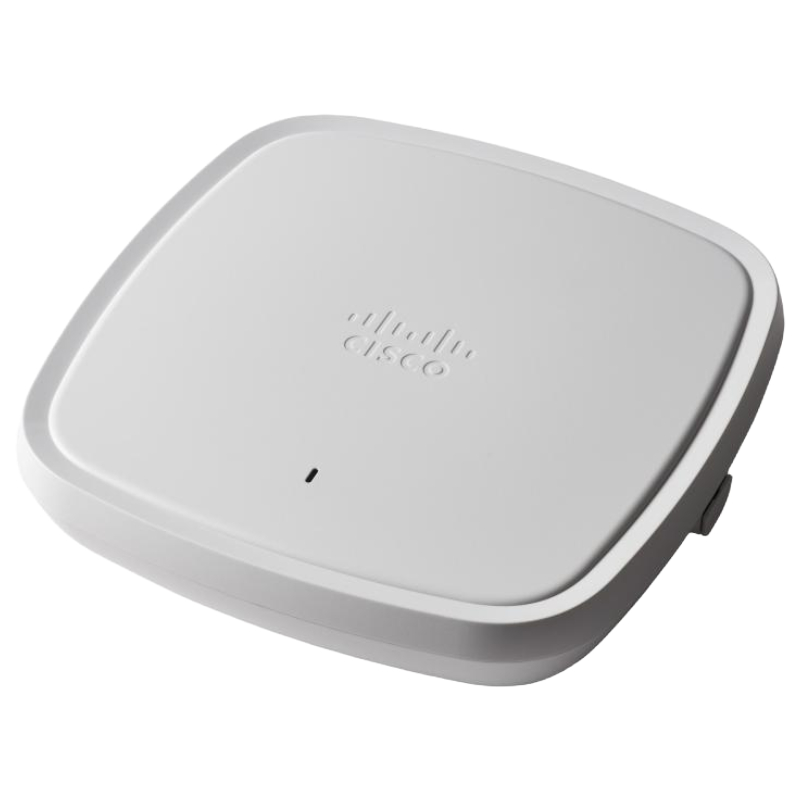


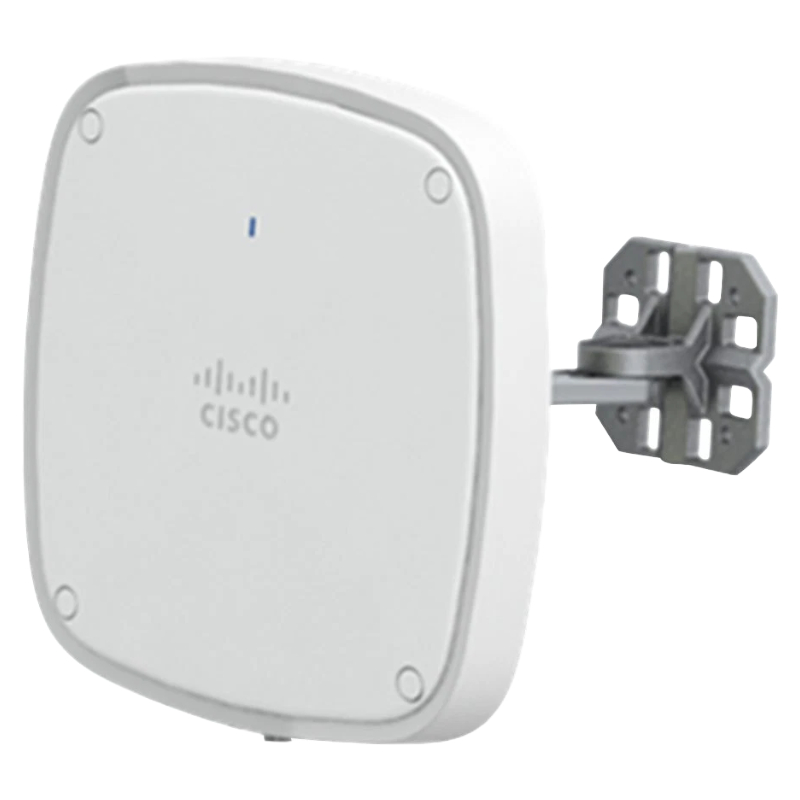
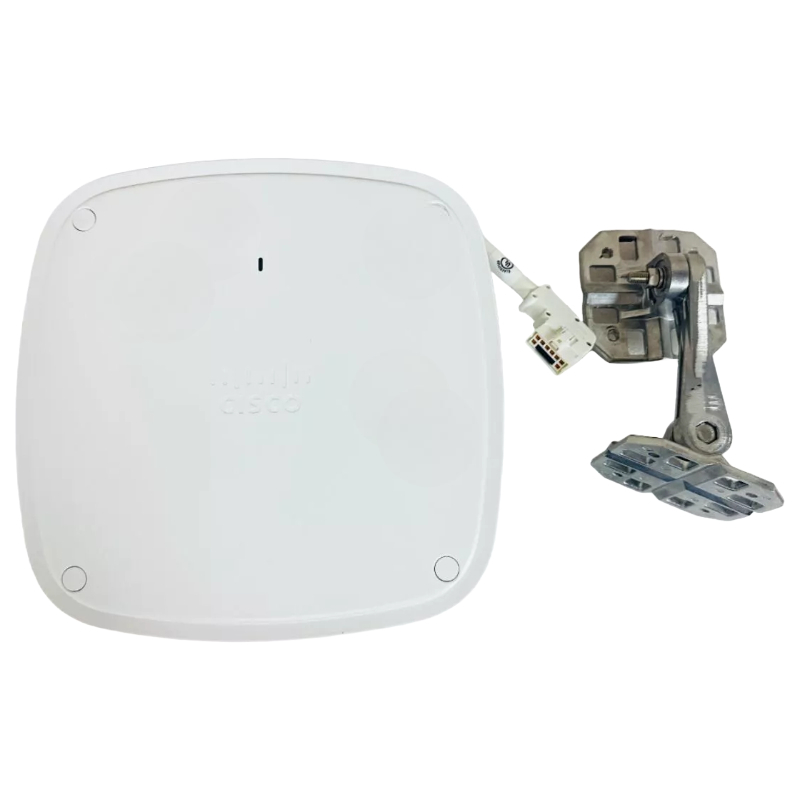
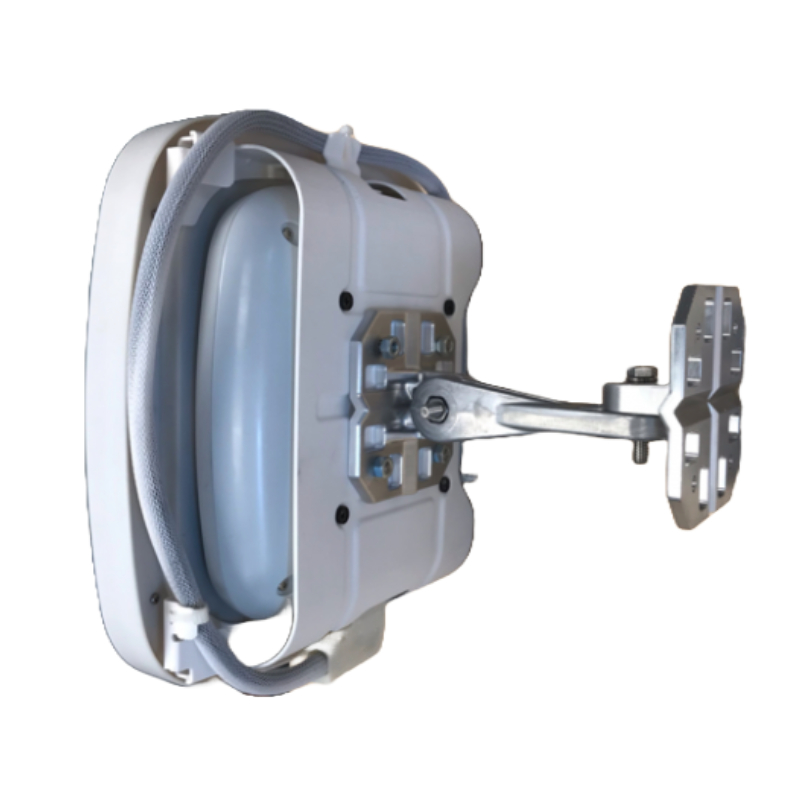
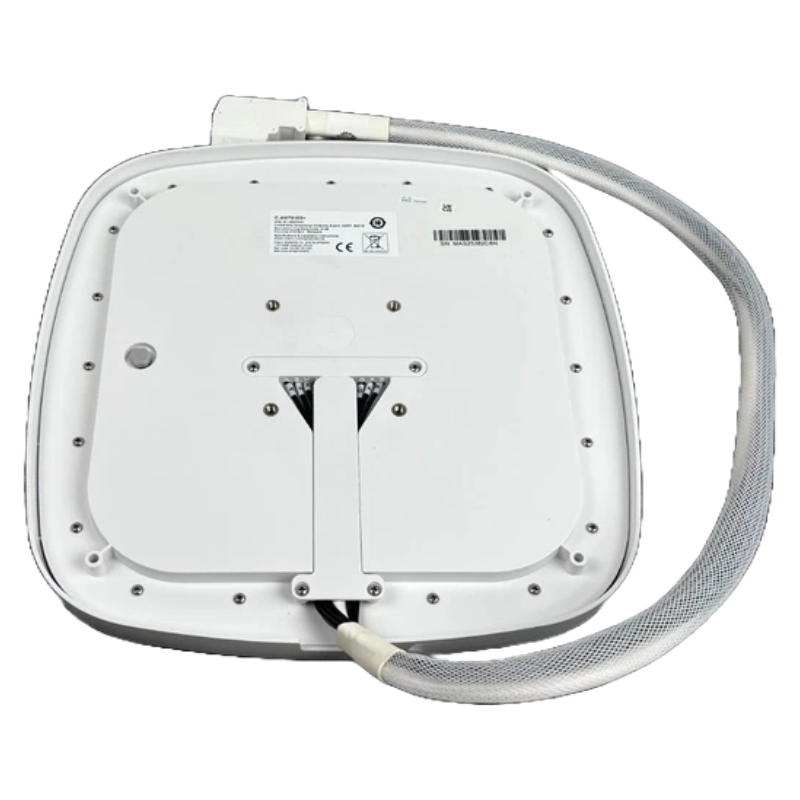
Cisco C-ANT9103= 2.4/5/6 Ghz Directional Antenna 8-Port Dart Self Id. Factory-Sealed New in Original Box (FSB) with 1 year replacement warranty
The Cisco C-ANT9103= is a high-performance directional Wi-Fi patch antenna engineered for enterprise-grade wireless deployments. Designed for modern networking environments, it supports advanced tri-band connectivity across 2.4 GHz, 5 GHz, and 6 GHz frequencies, making it ideal for Wi-Fi 6E and Wi-Fi 7 infrastructure as well as IoT applications.
The Cisco C-ANT9103= 2.4/5/6 GHz Directional Antenna 8-Port DART Self-ID represents a high-performance enterprise-grade wireless antenna category designed for advanced network deployments requiring precision coverage, high gain directionality, and seamless integration with Cisco wireless infrastructure. This category focuses on directional antenna systems engineered to support multi-band wireless communication across 2.4 GHz, 5 GHz, and 6 GHz frequency spectrums, enabling modern enterprise environments to achieve optimized connectivity, reduced interference, and highly targeted signal distribution in complex RF environments.
As enterprise wireless networking evolves toward higher-density environments and multi-band Wi-Fi standards, directional antenna solutions like the Cisco C-ANT9103= category play a critical role in shaping wireless coverage strategies. These antennas are designed to work with Cisco access points and radio systems that support modular antenna ports, especially those featuring DART (Digital Antenna Radio Termination) connectors and Self-ID capabilities for automatic configuration recognition.
The architectural design of this antenna category is centered around directional RF propagation control, multi-frequency compatibility, and intelligent antenna identification. Unlike omnidirectional antennas that distribute signals uniformly, directional antennas focus RF energy into a defined beam pattern. This ensures improved range, better penetration in targeted zones, and reduced interference from surrounding wireless devices in enterprise environments.
Cisco integrates advanced engineering principles in the C-ANT9103= category to support tri-band wireless operation. The antenna is capable of handling 2.4 GHz for legacy and IoT devices, 5 GHz for high-throughput enterprise applications, and 6 GHz for next-generation Wi-Fi 6E and emerging Wi-Fi 7 deployments. This makes the category particularly suitable for future-proof enterprise wireless infrastructure planning.
Directional antenna systems in this category are designed with optimized beamforming characteristics that allow precise control over wireless signal distribution. The antenna focuses energy in specific directions to maximize signal strength in high-demand coverage areas while minimizing RF leakage into unnecessary zones. This is particularly useful in environments such as enterprise campuses, industrial facilities, stadiums, and large-scale office buildings where wireless interference management is critical.
The engineering design prioritizes gain optimization, polarization control, and spatial efficiency. By shaping the RF beam, the antenna ensures improved signal-to-noise ratios, allowing connected devices to maintain stable and high-speed communication even in dense deployments.
In high-density wireless environments, signal propagation efficiency becomes a major factor in determining overall network performance. The Cisco C-ANT9103= directional antenna category is designed to reduce co-channel interference and enhance spatial reuse of wireless channels. This allows multiple access points to operate in close proximity without significantly degrading performance.
The directional focus of the antenna also improves throughput consistency across coverage zones. Devices located within the main lobe of the antenna pattern benefit from stronger signal reception, reduced packet loss, and improved latency performance, making it ideal for mission-critical enterprise applications.
One of the defining features of the Cisco C-ANT9103= category is its support for multiple frequency bands, specifically 2.4 GHz, 5 GHz, and 6 GHz. This tri-band capability aligns with modern wireless networking standards, including Wi-Fi 6 and Wi-Fi 6E ecosystems, and prepares infrastructure for future Wi-Fi 7 enhancements.
The 2.4 GHz band provides extended coverage and compatibility with legacy devices, while the 5 GHz band delivers higher throughput and reduced congestion. The 6 GHz band introduces expanded spectrum availability, enabling ultra-low latency communication and significantly higher channel capacity for enterprise-grade applications.
The expansion of wireless networking into the 6 GHz spectrum has introduced new opportunities for high-capacity enterprise deployments. Antennas in this category are designed to fully leverage these advancements by providing stable and optimized directional coverage in the newly available spectrum. This ensures that organizations adopting Wi-Fi 6E infrastructure can maximize performance gains without compromising coverage consistency.
As wireless technologies continue evolving, directional antenna systems must maintain compatibility with evolving modulation techniques, wider channel bandwidths, and advanced multiplexing strategies. The Cisco C-ANT9103= category is designed with these future requirements in mind, ensuring long-term deployment viability.
Bandwidth optimization plays a crucial role in enterprise wireless design. Directional antennas in this category enable improved channel efficiency by focusing RF energy into specific spatial regions. This reduces unnecessary overlap between channels and allows network administrators to better manage frequency allocation strategies.
In environments where multiple access points operate simultaneously, channel efficiency becomes essential to maintaining stable connectivity. The antenna's ability to support high-bandwidth transmissions across multiple frequency bands ensures that enterprise networks can accommodate increasing device density without performance degradation.
The Cisco C-ANT9103= category incorporates DART (Digital Antenna Radio Termination) connector technology, which simplifies antenna installation and ensures secure RF connectivity between access points and external antenna systems. DART connectors are designed to reduce installation complexity while maintaining high signal integrity and consistent impedance matching.
Self-ID functionality further enhances this category by enabling automatic antenna recognition. When connected to compatible Cisco access points, the system can identify antenna type, configuration parameters, and performance characteristics without requiring manual configuration. This reduces deployment time and minimizes configuration errors in large-scale network installations.
Enterprise wireless deployments often involve complex configurations across multiple floors, buildings, or geographic locations. The integration of DART connectors and Self-ID functionality significantly improves deployment efficiency by reducing manual setup requirements and ensuring consistent configuration across all antenna units.
This automation capability is particularly valuable in large-scale environments such as universities, healthcare facilities, logistics centers, and corporate campuses where wireless infrastructure must be deployed quickly and reliably.
Manual antenna configuration can introduce inconsistencies that negatively impact wireless performance. By leveraging Self-ID technology, the Cisco C-ANT9103= category minimizes human intervention in the setup process. This reduces the likelihood of incorrect antenna selection, improper power calibration, or mismatched deployment parameters.
As a result, network administrators can achieve more predictable performance outcomes while maintaining standardized deployment practices across all wireless infrastructure components.
Directional coverage design is a core element of this antenna category, focusing on shaping RF radiation patterns to achieve optimal coverage in targeted areas. This approach contrasts with omnidirectional systems by concentrating energy where it is most needed, improving efficiency and reducing wasted signal dispersion.
RF pattern optimization involves careful engineering of antenna lobes, null zones, and beamwidth characteristics. These parameters are tuned to ensure that wireless coverage aligns with physical infrastructure layouts, such as corridors, open office spaces, warehouses, and outdoor campus environments.
Structured environments such as office buildings and industrial facilities benefit significantly from directional antenna deployment. By controlling signal direction, network engineers can reduce interference between adjacent access points while maintaining strong coverage in designated zones.
This level of control is essential for maintaining high-performance wireless connectivity in environments with dense device populations and complex architectural layouts.
RF interference is one of the most common challenges in enterprise wireless networking. The directional nature of the Cisco C-ANT9103= category helps mitigate this issue by limiting signal spillover into unintended areas. This results in cleaner RF environments and more efficient use of available wireless spectrum.
By reducing overlap between coverage zones, network administrators can improve overall system stability and reduce retransmission rates, leading to better user experiences and more reliable application performance.
The Cisco C-ANT9103= directional antenna category is suitable for a wide range of enterprise applications that require reliable, high-performance wireless connectivity. These include environments where precise coverage control, high throughput, and multi-band compatibility are essential.
Common deployment scenarios include enterprise campuses, smart factories, logistics hubs, retail environments, and high-density public venues. In each of these scenarios, directional antennas provide significant advantages in terms of coverage accuracy and network efficiency.
In high-density environments, such as auditoriums, conference centers, and corporate event spaces, wireless networks must support a large number of simultaneous connections. Directional antennas help manage this demand by focusing RF energy toward high-traffic zones and ensuring consistent performance even under heavy load conditions.
This improves application responsiveness for bandwidth-intensive services such as video conferencing, cloud applications, and real-time collaboration tools.
Industrial environments require robust wireless connectivity for automation systems, handheld devices, and IoT sensors. Directional antennas in this category provide stable coverage along aisles, production lines, and storage zones, ensuring uninterrupted connectivity across operational workflows.
The ability to direct wireless coverage precisely helps eliminate dead zones and enhances operational efficiency in logistics and manufacturing environments.
Antenna alignment plays a critical role in determining signal distribution effectiveness. By positioning the antenna toward the intended coverage zone, network engineers can maximize signal strength and reduce coverage gaps. Proper alignment ensures that the main RF beam is directed toward high-priority areas within the network environment.
Environmental factors such as building materials, structural obstacles, and electromagnetic interference sources can impact wireless performance. Directional antennas help mitigate these challenges by focusing RF energy and reducing unnecessary signal dispersion. Careful planning ensures that these environmental variables are accounted for during installation.
The Cisco C-ANT9103= category supports scalable wireless infrastructure designs that can evolve with increasing network demands. As organizations expand and adopt new wireless technologies, directional antenna systems provide a flexible foundation for maintaining consistent performance across growing deployments.
Future-ready design principles ensure compatibility with emerging wireless standards, increased device density, and higher bandwidth requirements. This makes the category suitable for long-term enterprise infrastructure planning.
Modern enterprise environments increasingly rely on diverse device ecosystems, including laptops, mobile devices, IoT sensors, and automation systems. Directional antenna systems ensure that these devices receive consistent connectivity even as network complexity increases.
By providing controlled and optimized coverage, the Cisco C-ANT9103= category supports seamless integration of expanding device ecosystems without compromising network performance.
Long-term stability is a key consideration in enterprise wireless design. Directional antennas contribute to this stability by reducing interference, improving spectral efficiency, and maintaining consistent coverage patterns over time. This ensures that wireless networks remain reliable even as organizational needs evolve.


 Contact Us
 Information
 Catalog
 Solid State Drives (SSD)
 Network Switches
 Hard Disk Drives
 HBA & Controllers
 PC & Servers
 PC & Server Memory
 CPU & Processors
 Network Routers
 Power Supplies
 Tape Drives & Libraries
 Network Devices
 Computer & Network Cables