(7% discount is applied at checkout)
Cart is empty
Your go-to destination for cutting-edge server products
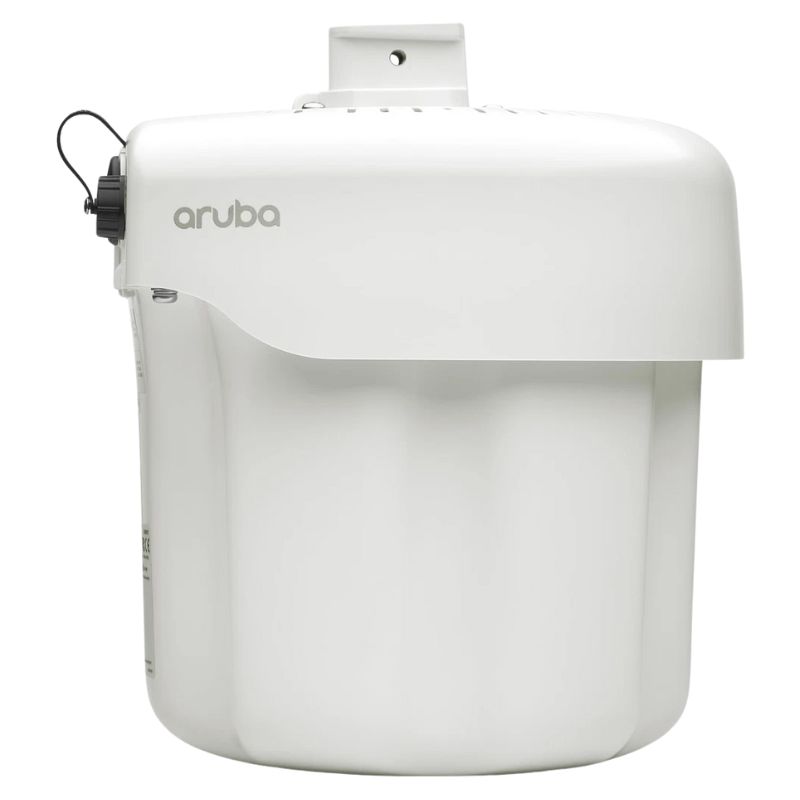


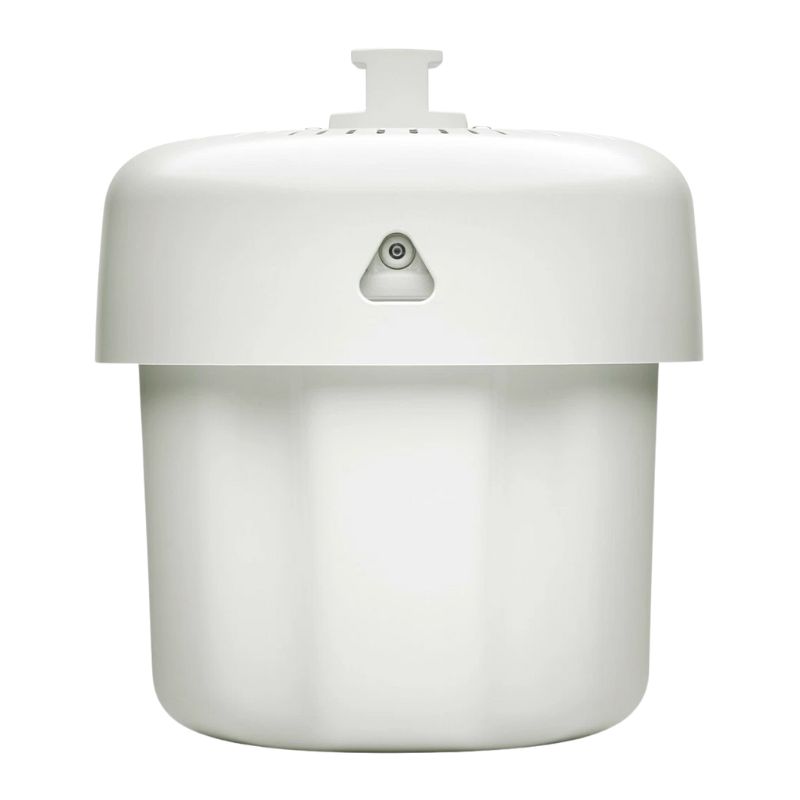
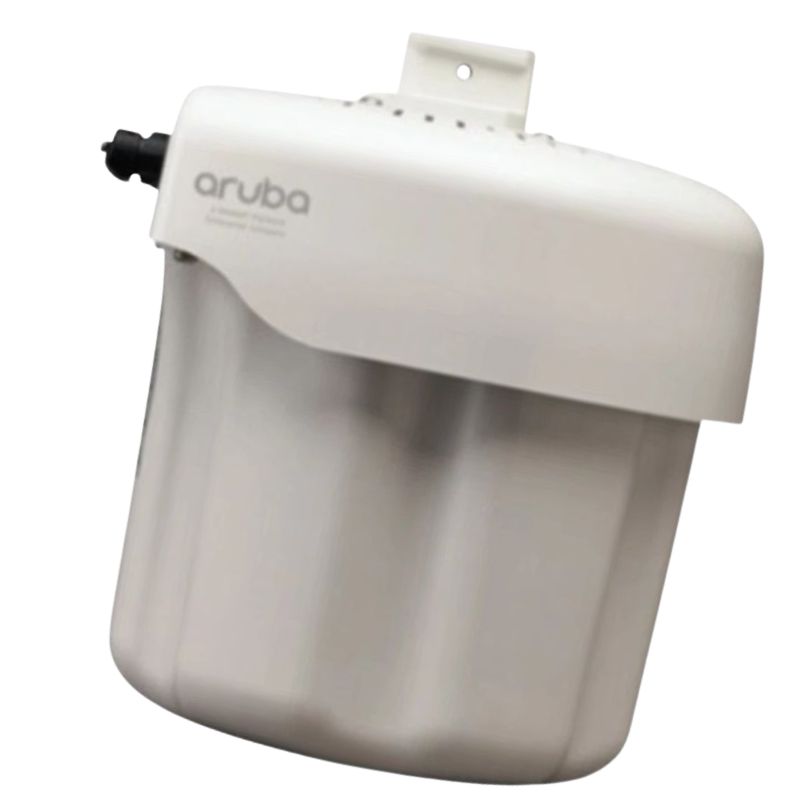
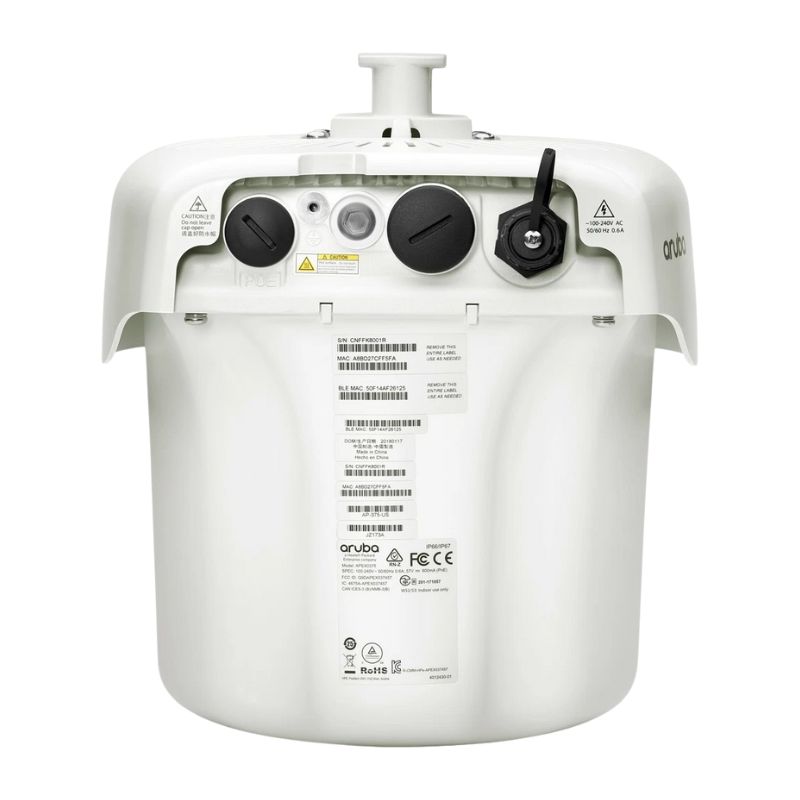
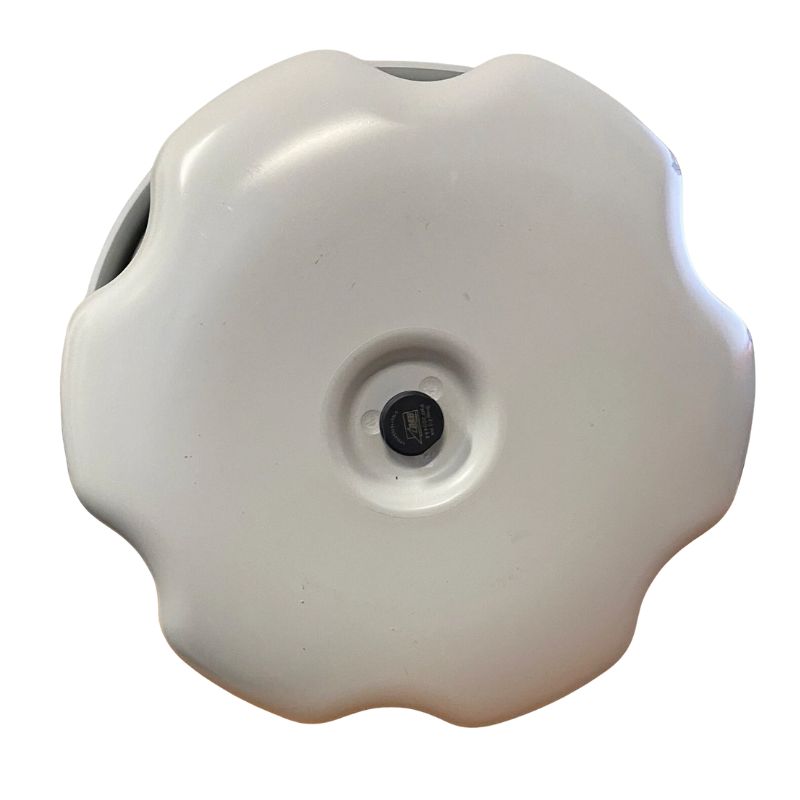
HPE JZ172A Aruba AP-375 (RW) 802.11n/ac 2Gbps Radio Integrated Omni Antenna Outdoor Access Point. New Sealed with 1-Year Replacement Warranty
The JZ172A HPE Aruba AP-375 (RW) is a rugged outdoor access point engineered for enterprise-grade connectivity. With integrated omni-directional antennas, dual-band support, and advanced radio technologies, it ensures reliable high-speed networking in challenging environments.
The HPE JZ172A Aruba AP-375 (RW) 802.11n/ac 2Gbps Radio Integrated Omni Antenna Outdoor Access Point represents a powerful class of outdoor wireless infrastructure designed to support enterprise-grade connectivity in demanding environmental conditions. Built to extend high-speed Wi-Fi coverage beyond indoor limitations, this category of outdoor access points is engineered for campus networks, smart cities, industrial deployments, transportation hubs, and large-scale public environments where stable, secure, and high-capacity wireless connectivity is essential.
This category of outdoor wireless access points is defined by rugged construction, high-performance dual-radio architecture, and advanced radio frequency optimization. The integration of 802.11n and 802.11ac technologies allows the device family to support mixed client environments, ensuring backward compatibility while maximizing throughput for modern wireless devices. With combined data rates reaching up to 2Gbps, this class of access point is optimized for bandwidth-intensive applications such as HD video streaming, IoT data aggregation, cloud-based enterprise applications, and real-time communication systems.
The wireless architecture of this category is based on simultaneous dual-radio operation, enabling efficient traffic distribution across multiple frequency bands. The 802.11n standard typically operates in both 2.4GHz and 5GHz spectrums, providing extended compatibility for legacy devices and wider coverage. In contrast, 802.11ac enhances performance significantly in the 5GHz band, offering higher modulation rates, improved spectral efficiency, and reduced interference.
This hybrid design ensures that enterprise networks can support diverse device ecosystems without sacrificing performance. In high-density environments, such as stadiums or university campuses, the ability to manage multiple client types simultaneously is critical for maintaining network stability and consistent user experience.
The 2Gbps aggregate throughput capability of this access point category is achieved through advanced radio aggregation techniques and optimized channel bonding. This enables seamless handling of simultaneous high-bandwidth connections, reducing latency and preventing congestion in heavily utilized network zones. The architecture is particularly effective in environments where large volumes of data are transmitted continuously, such as surveillance systems, cloud synchronization services, and enterprise mobility applications.
Outdoor access points in this category are designed with industrial-grade enclosures that protect internal components from environmental stressors such as rain, dust, wind, humidity, and temperature fluctuations. The sealed chassis construction ensures compliance with outdoor protection standards, allowing stable operation in challenging climates without degradation in performance.
The physical durability of this category makes it suitable for deployment in open environments such as parking lots, stadium perimeters, transportation corridors, and industrial yards where exposure to environmental extremes is unavoidable. The combination of weather resistance and thermal stability ensures long-term reliability and reduced maintenance requirements.
The internal components are engineered to operate within extended temperature ranges, enabling deployment in both hot and cold climates. Thermal management systems are integrated to regulate heat dissipation during peak network load conditions, preventing performance throttling and hardware stress. Humidity resistance further ensures stable operation in coastal and tropical environments where moisture exposure is a persistent challenge.
The integrated omni-directional antenna system is a key feature of this access point category, enabling uniform signal distribution across 360-degree coverage areas. This design eliminates the need for multiple directional antennas in many deployment scenarios, simplifying infrastructure planning and reducing installation complexity.
The omni antenna system is optimized for balanced signal propagation, ensuring consistent connectivity for clients located in all directions relative to the access point. This makes it particularly effective for open outdoor environments such as parks, campuses, and public squares where user movement is dynamic and unpredictable.
Advanced RF tuning mechanisms are incorporated to minimize interference from surrounding wireless systems and environmental obstacles. The antenna system is engineered to maintain signal clarity even in congested frequency environments, ensuring stable throughput and reduced packet loss. This is critical in urban deployments where multiple wireless networks operate in close proximity.
Security is a fundamental aspect of this access point category, with support for advanced encryption protocols that protect data transmission across wireless channels. Enterprise authentication frameworks ensure that only authorized devices and users can access the network, reducing the risk of unauthorized intrusion and data compromise.
The integration of secure tunneling and encryption technologies allows organizations to maintain compliance with corporate IT policies and industry regulatory standards. This is particularly important for sectors such as finance, healthcare, and government infrastructure where data integrity is critical.
Network segmentation capabilities enable administrators to define multiple user roles and access levels within a single wireless infrastructure. This allows for separation of guest traffic, corporate devices, and IoT endpoints, ensuring that network resources are allocated efficiently and securely.
Such segmentation improves performance stability while enhancing security isolation between different operational environments. It also simplifies network management in large-scale deployments with diverse user groups.
This category of outdoor access points is engineered to handle high-density client environments where hundreds of devices may connect simultaneously. Intelligent load balancing algorithms distribute network traffic efficiently, preventing congestion and ensuring consistent performance for all connected users.
The system dynamically adjusts bandwidth allocation based on real-time demand, ensuring that critical applications receive priority access to network resources while maintaining fairness across all users.
Quality of Service (QoS) mechanisms allow prioritization of essential applications such as voice communication, video conferencing, and real-time monitoring systems. By assigning priority levels to different traffic types, the access point ensures that latency-sensitive applications maintain optimal performance even under heavy network load conditions.
This access point category supports centralized management platforms that allow IT administrators to monitor, configure, and optimize network performance from a single interface. Centralized visibility simplifies troubleshooting and enhances operational efficiency across distributed network environments.
Real-time analytics provide insights into network usage patterns, device performance, and potential security threats, enabling proactive maintenance and optimization strategies.
The architecture is designed for scalability, allowing organizations to expand their wireless infrastructure without compromising performance or manageability. Whether deployed across a single campus or multiple geographic locations, the system maintains consistent configuration standards and operational efficiency.
This category of outdoor access points plays a critical role in smart city deployments, enabling public Wi-Fi access, IoT sensor connectivity, and intelligent transportation systems. The robust design ensures continuous operation in urban environments where connectivity demands are high and constant.
In industrial environments, reliable wireless connectivity is essential for automation systems, machine monitoring, and remote control applications. The ruggedized design and high-performance wireless capabilities make this category suitable for factories, warehouses, and logistics centers.
Educational institutions and large venues benefit from the extended coverage and high-density support offered by this access point category. It ensures seamless connectivity for students, staff, and visitors across expansive outdoor areas.
Proper installation planning is essential to maximize the performance of outdoor access points. Strategic placement ensures optimal signal distribution and minimizes coverage gaps. Elevated mounting positions are often used to enhance line-of-sight transmission and reduce physical obstructions.
Efficient power and data delivery are achieved through structured cabling systems that support both connectivity and power requirements. This reduces installation complexity and ensures stable operation across long cable distances in outdoor environments.


 Contact Us
 Information
 Catalog
 Solid State Drives (SSD)
 Network Switches
 Hard Disk Drives
 HBA & Controllers
 PC & Servers
 PC & Server Memory
 CPU & Processors
 Network Routers
 Power Supplies
 Tape Drives & Libraries
 Network Devices
 Computer & Network Cables