(7% discount is applied at checkout)
Cart is empty
Your go-to destination for cutting-edge server products
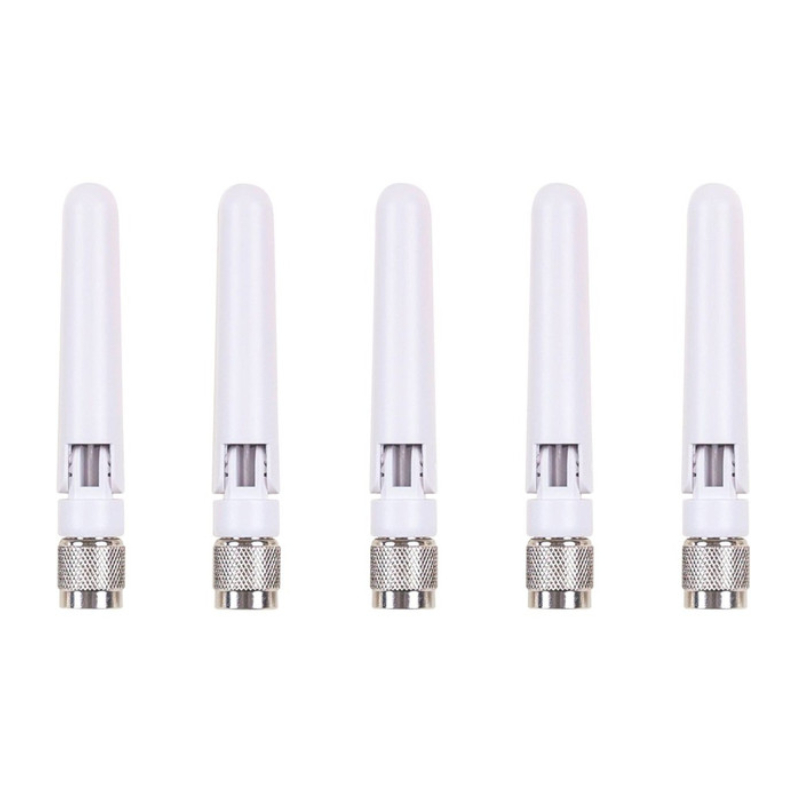


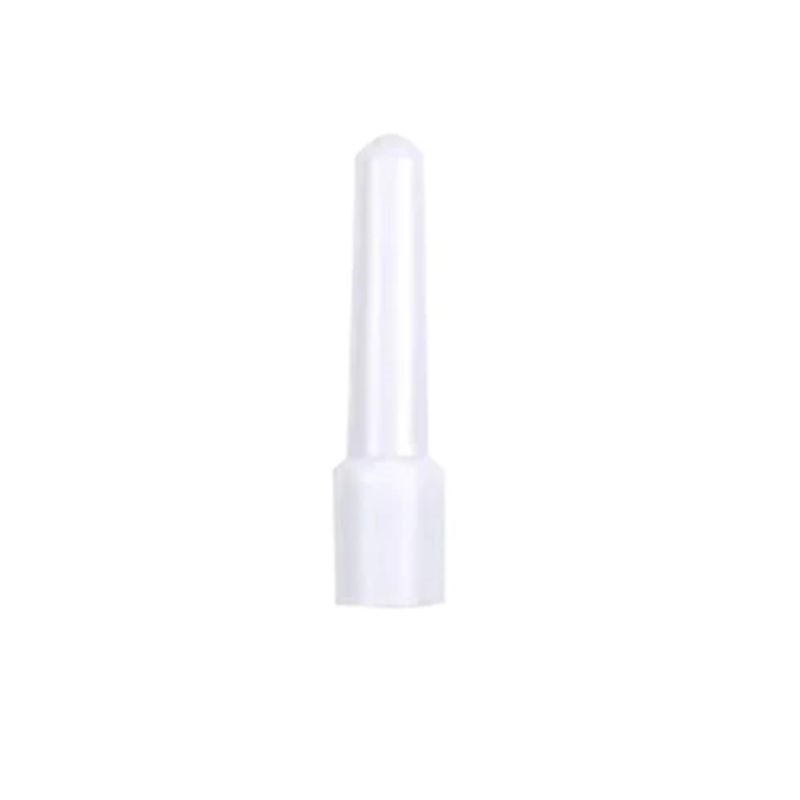
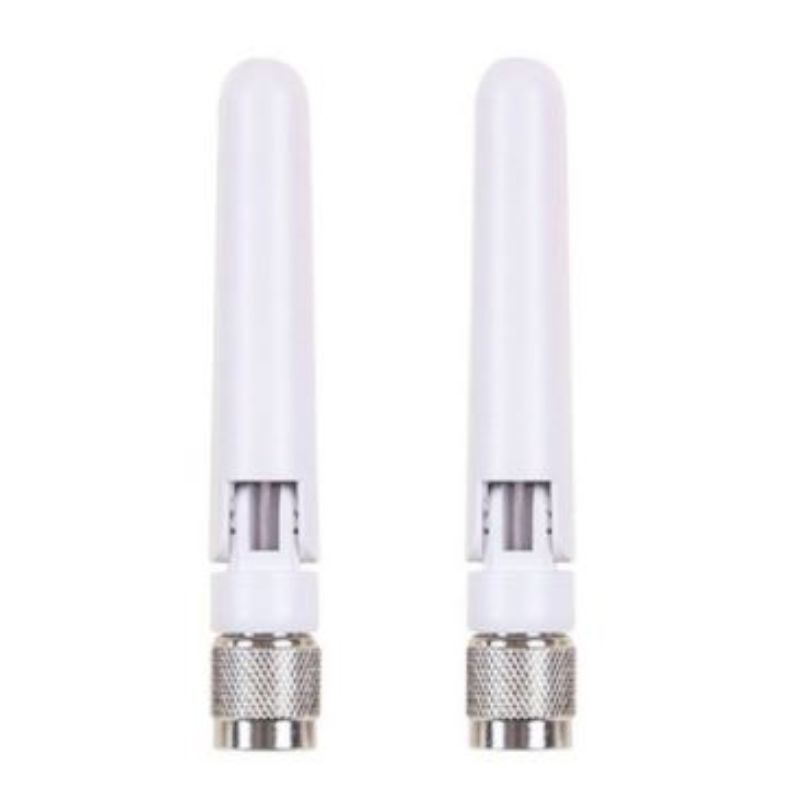
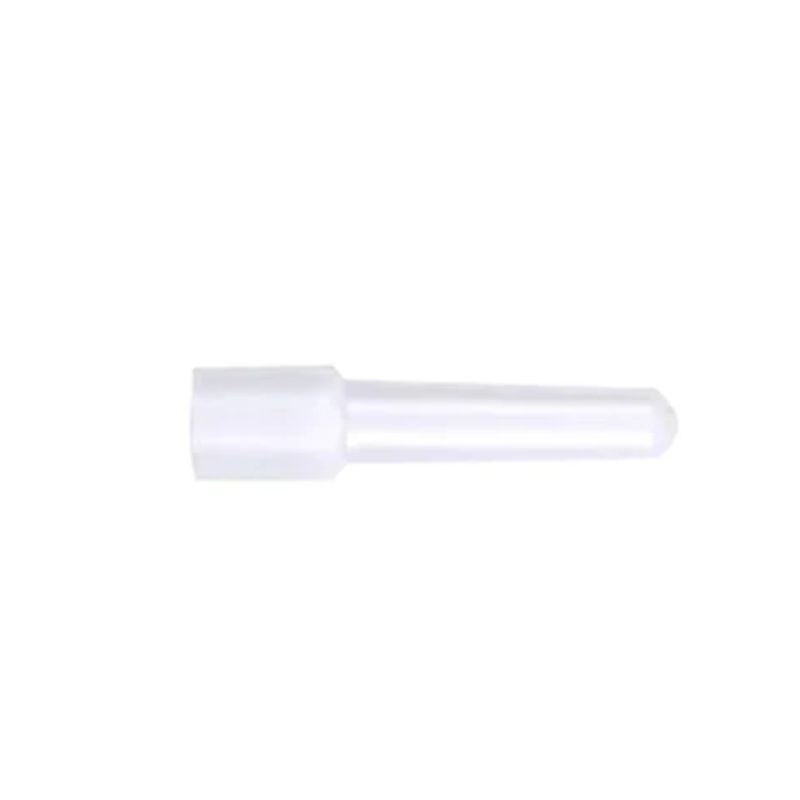
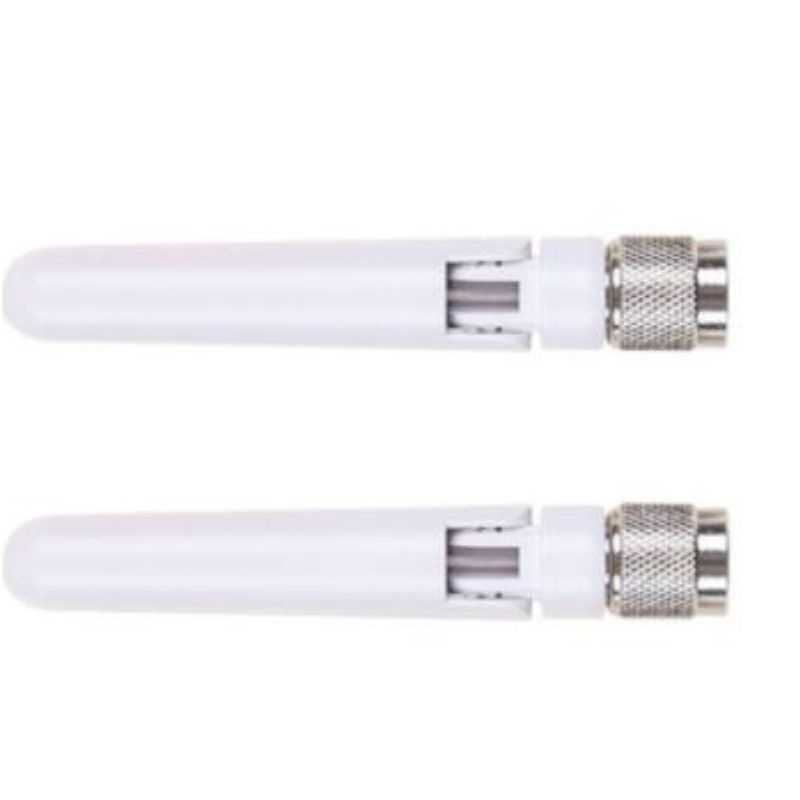
Meraki MA-ANT-3-A1 Indoor Dual-band Dipole Antenna. Factory-Sealed New in Original Box (FSB) with 1 year replacement warranty
The Meraki MA-ANT-3-A1 Indoor Dual-band Dipole Antenna is a professionally engineered networking accessory designed to enhance wireless coverage and signal stability across dual-band environments. Built for indoor deployment, it delivers optimized RF performance for modern enterprise connectivity needs.
The Meraki MA-ANT-3-A1 is an indoor dual-band dipole antenna engineered to enhance wireless coverage and signal reliability for enterprise-grade networking environments. It is designed to support seamless connectivity across modern Wi-Fi infrastructures.
The Meraki MA-ANT-3-A1 Indoor Dual-band Dipole Antenna is engineered to enhance wireless performance within enterprise-grade networking environments by extending coverage, improving signal consistency, and supporting dual-band wireless communication. Designed for seamless integration with compatible Cisco Meraki wireless access points, this antenna is optimized for indoor deployment scenarios where stable connectivity, efficient RF propagation, and scalable network expansion are essential. As part of a modern enterprise wireless infrastructure, it plays a crucial role in ensuring reliable communication across dense user environments such as offices, campuses, retail stores, and public venues.
This indoor dual-band dipole antenna is specifically developed to operate across both 2.4 GHz and 5 GHz frequency bands, allowing organizations to leverage flexible wireless bandwidth allocation. The design focuses on delivering balanced omnidirectional coverage, ensuring that signal distribution remains consistent in all directions. Its optimized RF characteristics help reduce dead zones, improve throughput stability, and support high-density client environments where multiple devices simultaneously access the network.
The Meraki MA-ANT-3-A1 is designed with a compact form factor that supports indoor installation without requiring extensive mounting infrastructure. Its dipole structure enables balanced radiation patterns that distribute wireless signals evenly throughout the surrounding environment. This ensures minimal signal degradation and improved coverage uniformity in complex indoor layouts.
The antenna housing is built to maintain durability while blending into professional environments. Its discreet design allows it to be deployed in visible areas without disrupting aesthetic considerations in office spaces, retail environments, or educational facilities. The materials used in its construction are selected to support long-term usage in controlled indoor climates, minimizing wear and ensuring stable performance over time.
The dual-band capability of the MA-ANT-3-A1 allows simultaneous support for both legacy and modern wireless devices. The 2.4 GHz band provides extended range and better penetration through walls and obstacles, while the 5 GHz band offers higher data throughput and reduced interference in crowded RF environments. This combination ensures that the antenna can support a wide variety of network applications, from basic connectivity tasks to high-bandwidth operations such as video conferencing and cloud-based applications.
The 2.4 GHz frequency range remains widely used for general connectivity due to its ability to cover larger distances and penetrate physical obstructions effectively. In the context of the Meraki MA-ANT-3-A1, this band ensures that devices located further from access points maintain stable connections. It is particularly effective in environments where walls, partitions, or structural elements might otherwise degrade signal strength.
The 5 GHz band delivers significantly higher throughput and reduced congestion compared to 2.4 GHz, making it ideal for high-density environments. The MA-ANT-3-A1 leverages this band to provide fast, responsive connectivity for modern applications that demand low latency and high bandwidth. This includes enterprise cloud applications, real-time collaboration tools, and multimedia streaming services.
The dipole architecture of the MA-ANT-3-A1 enables omnidirectional signal propagation, ensuring that wireless coverage is distributed evenly across a 360-degree horizontal plane. This is particularly beneficial in indoor environments where users are located in multiple directions relative to the access point. The result is a more consistent and predictable wireless experience for end users, regardless of their physical position within the coverage area.
This omnidirectional performance helps reduce the need for multiple directional antennas in smaller deployments, simplifying network design and reducing installation complexity. It also contributes to improved mobility for users who move throughout the environment while maintaining consistent connectivity.
In enterprise environments where numerous devices operate simultaneously, signal interference and congestion can become significant challenges. The MA-ANT-3-A1 is designed to mitigate these issues by maintaining stable signal distribution and minimizing RF distortion. Its dual-band capability further helps balance network load by distributing clients across different frequency bands based on their capability and network requirements.
In modern office environments, reliable wireless connectivity is essential for productivity, communication, and collaboration. The MA-ANT-3-A1 supports seamless connectivity for employees using laptops, mobile devices, and IoT systems. Its ability to maintain consistent coverage across open workspaces, meeting rooms, and collaborative zones makes it a valuable component in enterprise network infrastructure.
Retail environments require dependable wireless connectivity for point-of-sale systems, inventory management devices, and customer-facing services. The MA-ANT-3-A1 ensures stable connectivity throughout retail floors, enabling uninterrupted transaction processing and supporting digital engagement tools such as mobile applications and in-store WiFi services.
Schools, colleges, and universities benefit from the MA-ANT-3-A1 through its ability to support dense user populations and distributed learning environments. Students and faculty can access digital learning platforms, cloud-based resources, and communication tools without experiencing network instability or coverage gaps.
The MA-ANT-3-A1 is designed for straightforward indoor installation, allowing network administrators to deploy it efficiently without requiring specialized mounting systems. Its compact structure supports flexible placement options, ensuring optimal signal distribution based on environmental requirements.
Proper placement of the antenna is critical for achieving optimal wireless performance. Positioning it in central locations within coverage areas allows for more uniform signal distribution. Elevation and orientation also play a role in ensuring that RF signals propagate effectively across the intended space, minimizing dead zones and interference.
The MA-ANT-3-A1 is designed to integrate seamlessly with compatible Cisco Meraki wireless access points, forming part of a unified cloud-managed networking ecosystem. This integration allows network administrators to monitor performance, adjust configurations, and optimize coverage through centralized management tools.
By working within the Meraki ecosystem, the antenna contributes to simplified network scalability, enabling organizations to expand their wireless infrastructure without significant redesign or complex configuration changes. This makes it suitable for both small deployments and large enterprise environments requiring consistent performance across multiple locations.
The dipole structure of the MA-ANT-3-A1 ensures efficient polarization alignment, which enhances signal reception and transmission quality. This contributes to improved communication between the antenna and connected devices, reducing packet loss and improving overall network reliability.
Radiation efficiency is optimized to ensure that a maximum amount of transmitted energy is effectively utilized for coverage rather than lost as heat or interference. This efficiency supports better overall network performance and consistent user experiences.
Indoor wireless environments often suffer from interference caused by overlapping networks, electronic devices, and structural materials. The MA-ANT-3-A1 is engineered to minimize such interference through balanced signal distribution and dual-band operation. This helps maintain clean and stable wireless channels even in complex RF environments.
The antenna contributes significantly to scalable wireless network design by enabling consistent coverage expansion without requiring extensive infrastructure changes. Its ability to support both frequency bands allows administrators to optimize network load distribution and improve client management efficiency.
As organizations grow, the MA-ANT-3-A1 supports network scalability by maintaining performance consistency across expanded coverage areas. This ensures that new users and devices can be integrated into the network without negatively impacting existing performance levels.
Designed for continuous indoor operation, the MA-ANT-3-A1 offers long-term stability in enterprise environments where downtime and connectivity issues can significantly impact productivity. Its durable construction ensures consistent RF performance over time, even in environments with continuous device usage and high network traffic.
The antenna’s stable performance characteristics reduce the need for frequent maintenance or replacement, making it a cost-effective component in enterprise wireless infrastructure deployments. Its reliability contributes to reduced operational overhead and improved network uptime.
The dipole design ensures that wireless signals are distributed evenly in multiple directions, reducing the likelihood of coverage gaps. This balanced propagation is particularly useful in indoor environments where users are distributed across different spatial orientations.
The MA-ANT-3-A1 supports modern wireless communication standards through its dual-band architecture, making it compatible with a wide range of devices and network configurations. This ensures future-proof deployment in evolving enterprise environments.
Due to its compact indoor design, the antenna does not require extensive physical space for installation. This allows it to be deployed in environments where space optimization is critical, such as small offices, retail counters, and educational classrooms.
By providing omnidirectional coverage and dual-band support, the MA-ANT-3-A1 reduces the need for multiple specialized antennas. This simplifies network design and reduces installation complexity, making deployment more efficient and cost-effective.


 Contact Us
 Information
 Catalog
 Solid State Drives (SSD)
 Network Switches
 Hard Disk Drives
 HBA & Controllers
 PC & Servers
 PC & Server Memory
 CPU & Processors
 Network Routers
 Power Supplies
 Tape Drives & Libraries
 Network Devices
 Computer & Network Cables