(7% discount is applied at checkout)
Cart is empty
Your go-to destination for cutting-edge server products
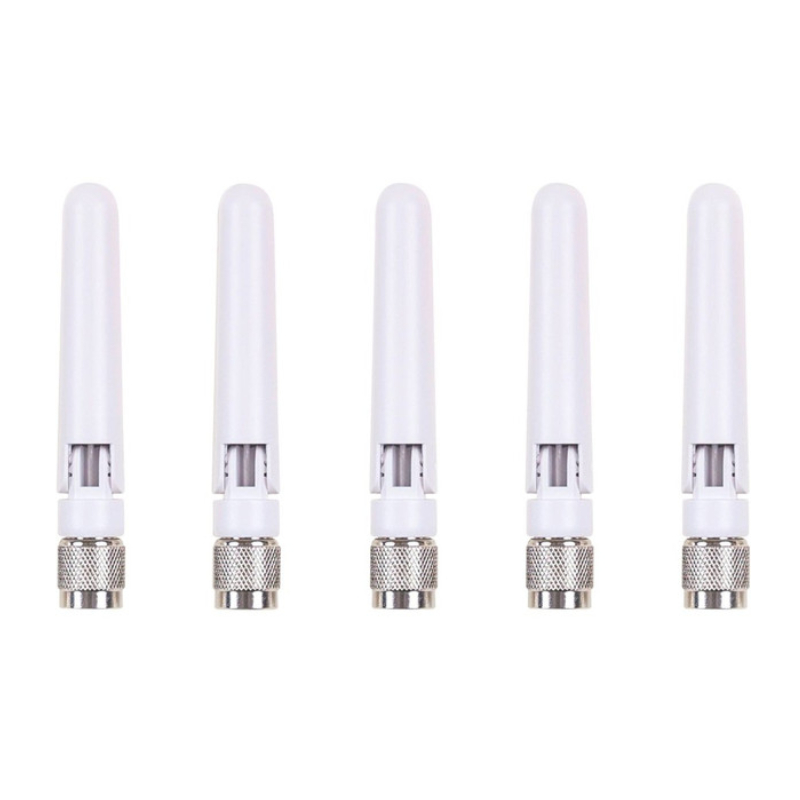


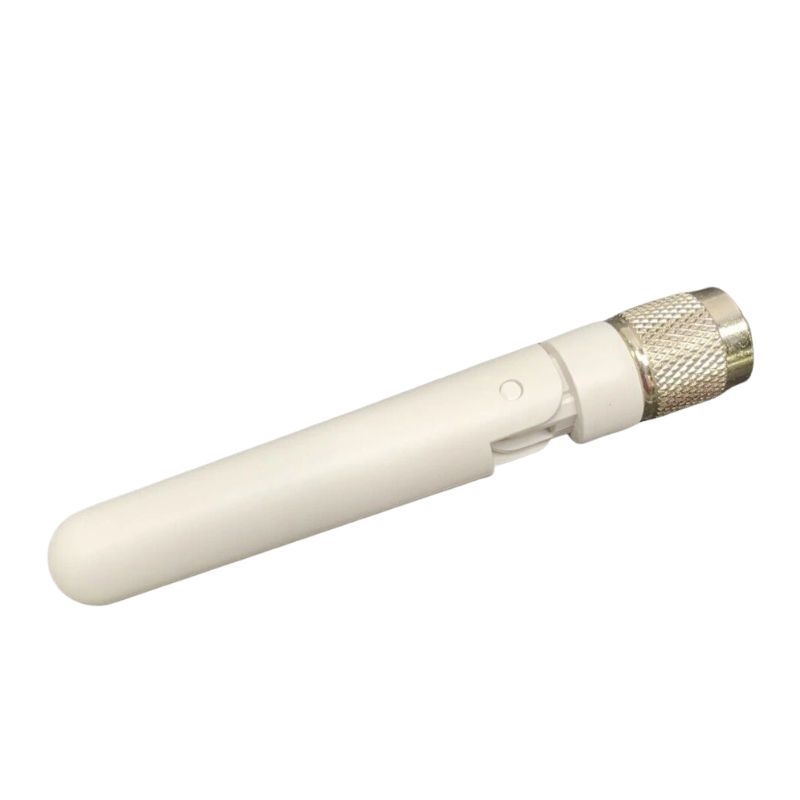
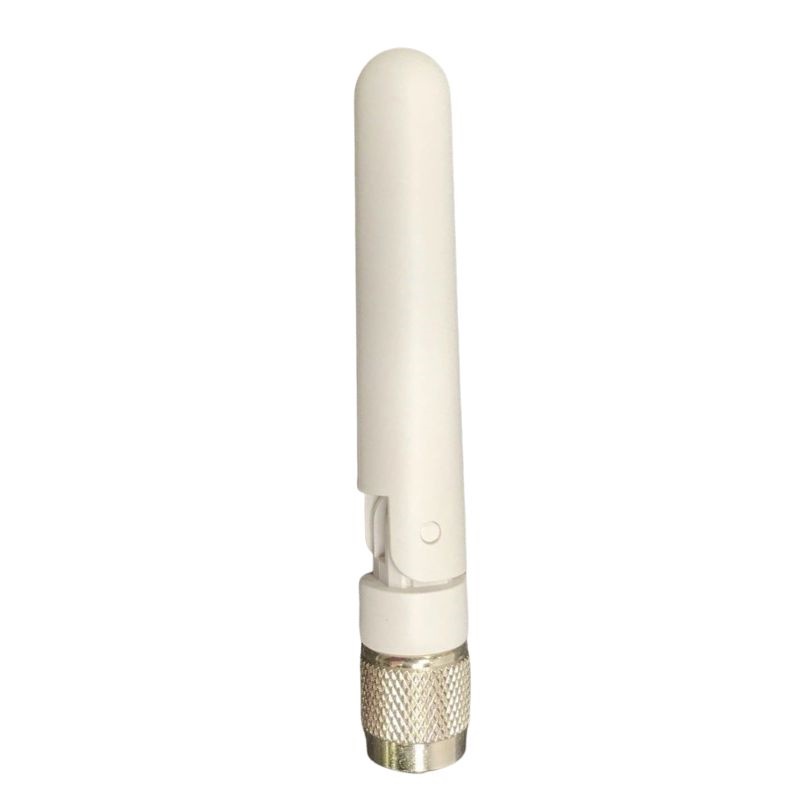
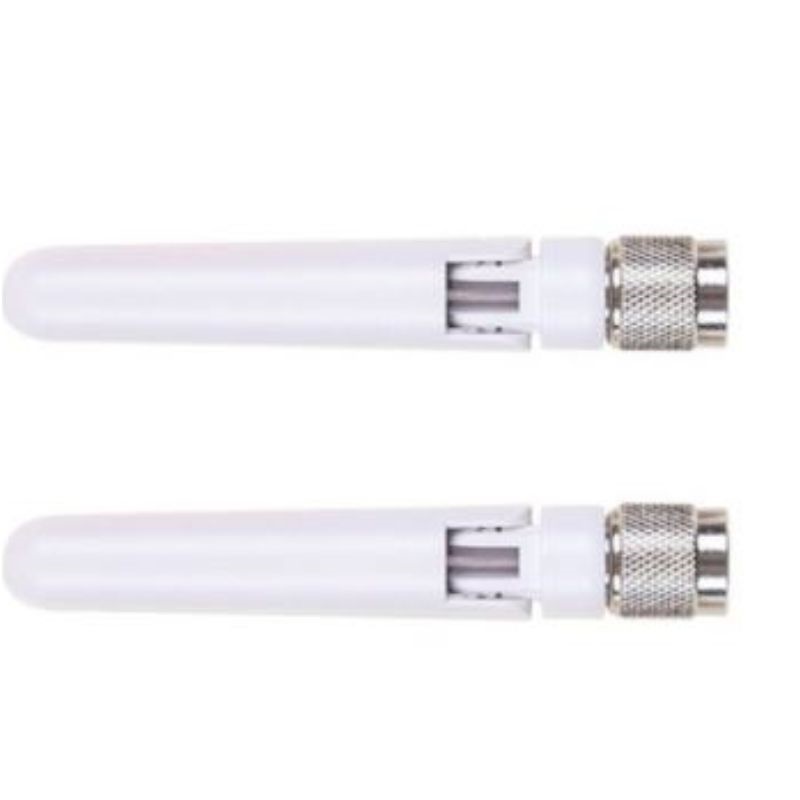
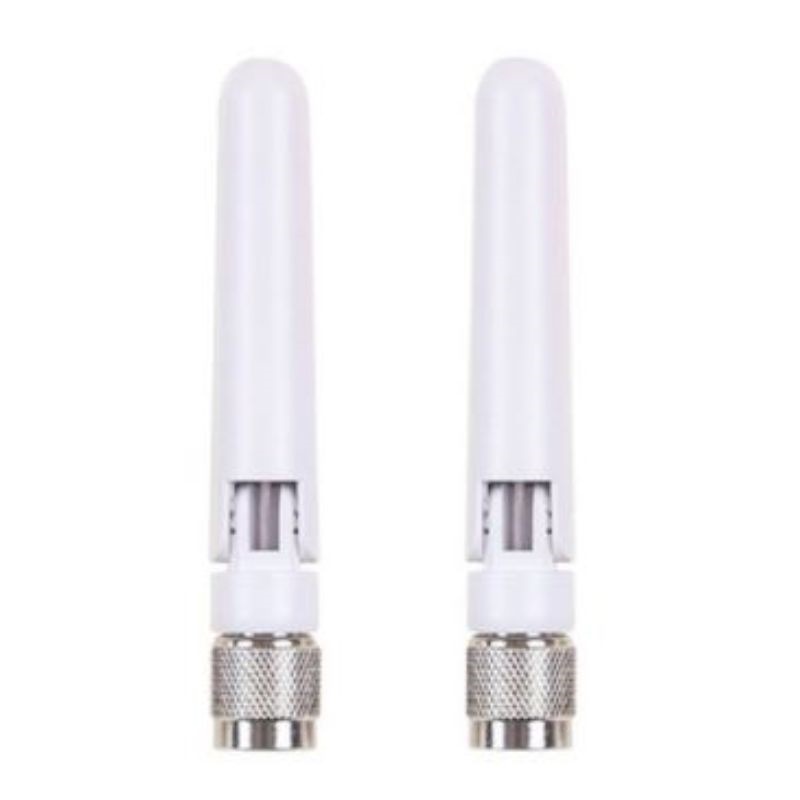
Meraki MA-ANT-3-B1 Indoor Bendable Dual-Band Omni Antenna. Factory-Sealed New in Original Box (FSB) with 1 year replacement warranty
The Meraki MA-ANT-3-B1 is a flexible indoor dual-band omni-directional antenna designed to enhance wireless connectivity in professional networking environments. Built for compatibility with enterprise-grade access points, it delivers stable signal distribution across both 2.4 GHz and 5 GHz frequency bands.
Engineered for dual-band operation, this antenna ensures consistent wireless coverage across modern network infrastructures.
The Meraki MA-ANT-3-B1 Indoor Bendable Dual-Band Omni Antenna represents a specialized networking accessory engineered to enhance wireless coverage, signal reliability, and deployment flexibility within enterprise-grade WiFi environments. Designed specifically for compatibility with Cisco Meraki wireless access points, this antenna supports dual-band operation across both 2.4 GHz and 5 GHz frequencies, making it an essential component in modern high-density wireless infrastructures where performance, stability, and seamless connectivity are critical.
As wireless networking continues to evolve in complexity and demand, the need for adaptable antenna solutions has become increasingly important. The MA-ANT-3-B1 addresses this requirement through its omni-directional radiation pattern, allowing signals to be distributed evenly in all horizontal directions. This ensures consistent wireless coverage in indoor environments such as offices, retail stores, educational campuses, healthcare facilities, and enterprise campuses where user mobility and uninterrupted connectivity are essential.
The MA-ANT-3-B1 is designed to operate seamlessly across both 2.4 GHz and 5 GHz wireless frequency bands. The 2.4 GHz band provides extended range and improved penetration through walls and obstacles, making it suitable for broader coverage areas. Meanwhile, the 5 GHz band offers higher throughput, reduced interference, and improved performance in dense environments where multiple devices compete for bandwidth.
By supporting dual-band functionality, the antenna ensures that modern wireless networks can balance coverage and performance dynamically. Devices requiring higher bandwidth, such as video conferencing systems or cloud-based applications, benefit from the 5 GHz band, while general connectivity tasks maintain stability through the 2.4 GHz spectrum.
In enterprise environments, signal interference is a common challenge due to the presence of multiple wireless devices, structural obstructions, and overlapping networks. The Meraki MA-ANT-3-B1 helps mitigate these challenges by providing a controlled omnidirectional radiation pattern that distributes signal strength evenly while minimizing dead zones.
This balanced propagation helps reduce packet loss, latency fluctuations, and connection drops. As a result, network administrators can achieve more predictable performance outcomes and improved user experience across all connected devices.
One of the defining characteristics of the MA-ANT-3-B1 is its omni-directional radiation capability. Unlike directional antennas that focus energy in a specific direction, this antenna distributes wireless signals uniformly across a 360-degree horizontal plane. This makes it particularly suitable for open-plan environments where users are distributed in multiple directions relative to the access point.
The uniform signal distribution ensures that users experience consistent connectivity regardless of their physical position within the coverage area. This is especially important in collaborative workspaces, educational environments, and retail floors where mobility is a key requirement.
Indoor wireless environments often suffer from signal attenuation due to walls, furniture, and structural materials. The MA-ANT-3-B1 addresses these challenges by enhancing signal dispersion and ensuring better penetration in confined indoor spaces. While it does not eliminate physical interference, it significantly improves signal reliability in typical enterprise environments.
The bendable design of the Meraki MA-ANT-3-B1 allows network administrators to physically adjust the antenna orientation for optimal signal propagation. This flexibility enables fine-tuning of wireless coverage based on the unique layout of each deployment environment.
By adjusting the antenna angle, installers can optimize signal distribution to reduce coverage gaps or strengthen connectivity in high-priority areas. This adaptability is particularly useful in complex architectural environments where standard fixed-position antennas may not deliver optimal performance.
The antenna is designed with a compact and unobtrusive form factor suitable for indoor installation. Its minimalistic design allows it to blend seamlessly into professional environments without disrupting aesthetics. This makes it ideal for offices, retail spaces, and hospitality environments where visual integration is as important as technical performance.
The MA-ANT-3-B1 is engineered specifically for integration with Cisco Meraki access points, ensuring full compatibility and optimized performance within the Meraki wireless ecosystem. This integration allows administrators to deploy the antenna with confidence, knowing it is designed to work natively with supported hardware.
When paired with Meraki cloud-managed networking solutions, the antenna contributes to a highly scalable and centrally managed wireless infrastructure. This enables real-time monitoring, configuration, and optimization through the Meraki dashboard, streamlining network administration.
In enterprise deployments, consistency and scalability are essential. The MA-ANT-3-B1 supports these requirements by ensuring predictable RF behavior across multiple access points. This makes it suitable for large-scale deployments such as corporate campuses, warehouses, and multi-floor office buildings.
The antenna is designed with optimized gain characteristics to balance coverage and performance. This ensures that wireless signals are distributed efficiently without over-amplification, which could lead to interference or network instability in dense environments.
Signal degradation is minimized through carefully engineered RF properties that maintain consistent performance across both supported frequency bands. This contributes to improved network reliability, especially in environments with multiple access points operating simultaneously.
Modern enterprise environments often involve a high density of connected devices, including smartphones, laptops, IoT devices, and smart systems. The MA-ANT-3-B1 supports such environments by ensuring stable signal distribution and reducing congestion-related performance issues.
The antenna contributes to scalable wireless network design by enabling consistent performance across multiple deployment nodes. This allows organizations to expand their network infrastructure without compromising signal quality or coverage consistency.


 Contact Us
 Information
 Catalog
 Solid State Drives (SSD)
 Network Switches
 Hard Disk Drives
 HBA & Controllers
 PC & Servers
 PC & Server Memory
 CPU & Processors
 Network Routers
 Power Supplies
 Tape Drives & Libraries
 Network Devices
 Computer & Network Cables