(7% discount is applied at checkout)
Cart is empty
Your go-to destination for cutting-edge server products
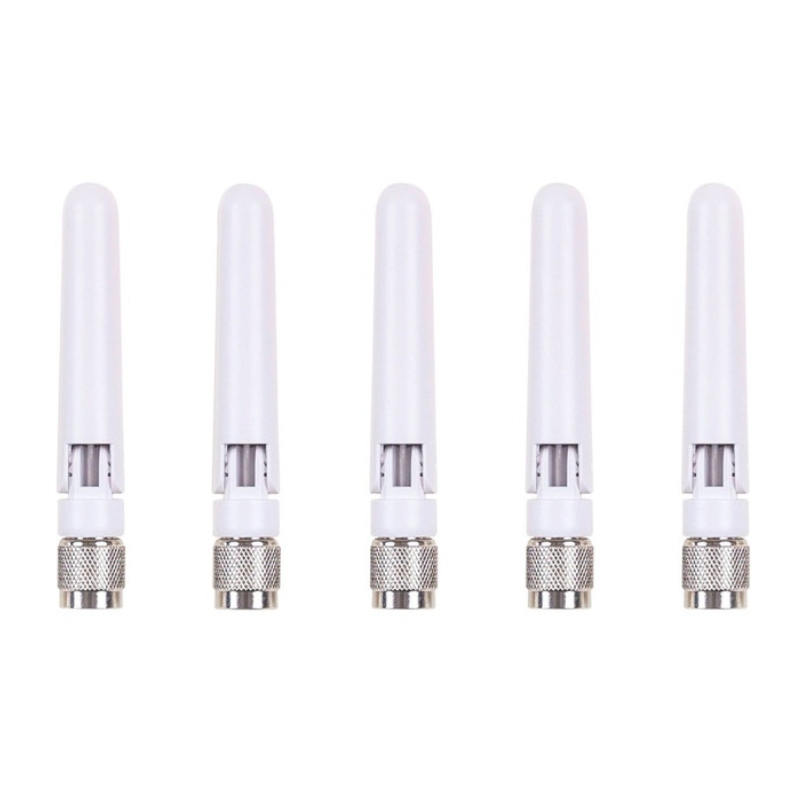


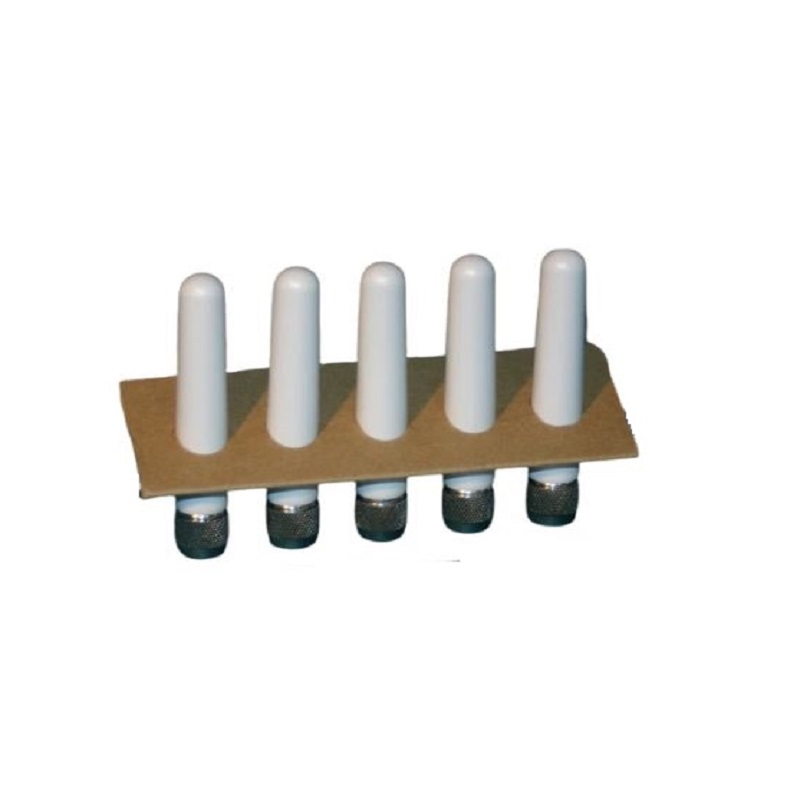
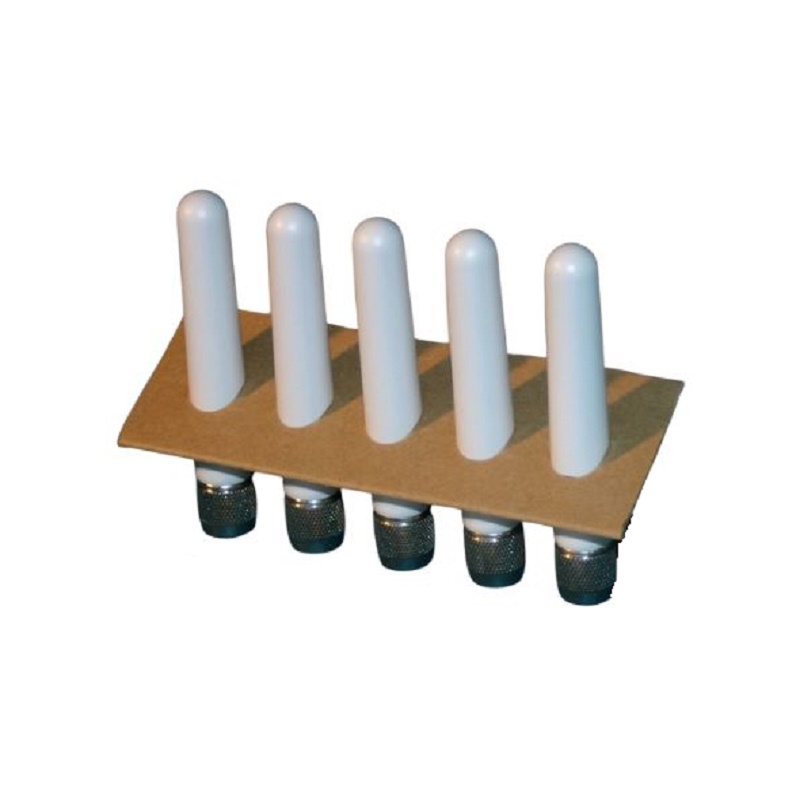
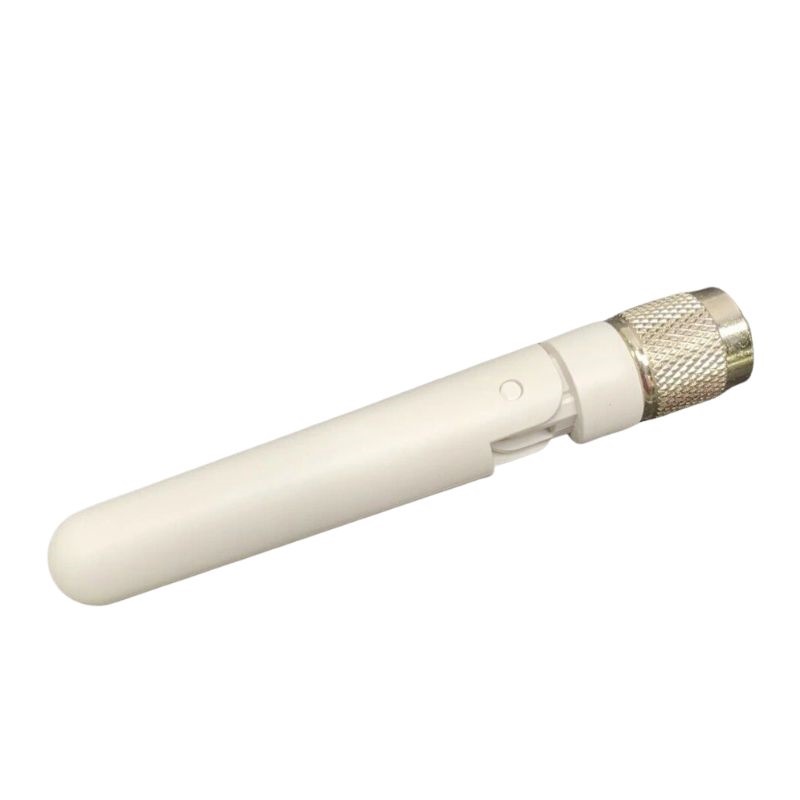
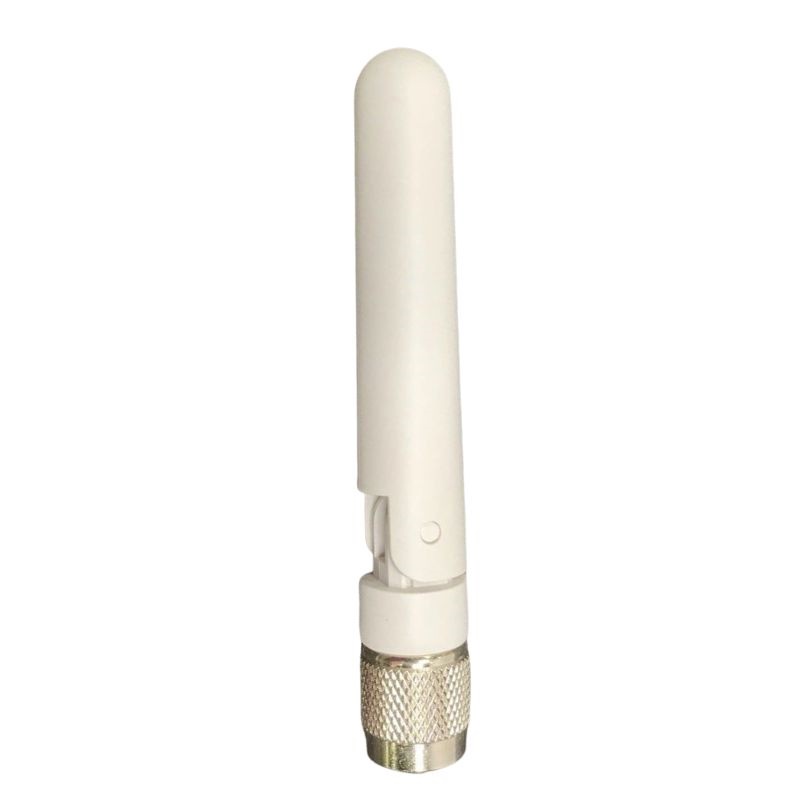
Meraki MA-ANT-3-B5 Indoor Bendable Dual-Band Omni Antennas, 5-Pack. Excellent Refurbished with 1 Year Replacement Warranty
The category of indoor bendable dual-band omni antennas represents a highly specialized segment within enterprise-grade wireless infrastructure, designed to enhance signal distribution, optimize coverage patterns, and support flexible deployment environments. Among these solutions, the Meraki MA-ANT-3-B5 Indoor Bendable Dual-Band Omni Antennas stands out as a performance-oriented antenna system engineered for adaptable installation scenarios, particularly within Cisco Meraki wireless ecosystems. These antennas are developed to support both 2.4 GHz and 5 GHz frequency bands, enabling seamless connectivity across legacy and modern Wi-Fi standards while maintaining consistent omnidirectional signal propagation.
In enterprise networking environments where access point placement is constrained by architectural limitations, bendable antenna structures provide critical flexibility. This design allows network administrators to physically adjust antenna orientation to mitigate interference, improve coverage uniformity, and optimize RF performance across varying indoor layouts such as office floors, retail environments, hospitality venues, and educational institutions.
Dual-band omni antennas operate by simultaneously supporting both 2.4 GHz and 5 GHz wireless spectrums, which are fundamental to modern Wi-Fi communication. The 2.4 GHz band provides extended coverage and better penetration through walls and obstacles, while the 5 GHz band delivers higher throughput and reduced congestion in dense environments. The integration of these two frequency bands into a single antenna structure ensures balanced network performance across diverse device ecosystems.
The Meraki MA-ANT-3-B5 utilizes precisely tuned radiating elements that maintain consistent gain across both bands. This ensures that signal degradation is minimized even in complex indoor layouts where interference sources such as metal structures, reinforced concrete, or electronic equipment may otherwise disrupt signal propagation.
Omnidirectional antennas are engineered to distribute radio frequency signals uniformly in a 360-degree horizontal pattern. This characteristic is essential in environments where user devices are mobile or distributed across multiple directions from a central access point. By maintaining consistent signal strength in all horizontal directions, omnidirectional antennas eliminate the need for precise directional alignment.
In the case of indoor deployments, this ensures that users experience stable connectivity regardless of their position relative to the access point. The bendable nature of the antenna further enhances this capability by allowing fine-tuned adjustments to vertical and horizontal orientation, improving signal reach across multiple floors or segmented office layouts.
The defining feature of bendable dual-band omni antennas lies in their mechanically flexible structure. Unlike rigid antenna systems, these models incorporate pliable materials and reinforced internal conductors that allow controlled bending without compromising RF performance. This adaptability enables installers to position antennas in optimal orientations even in constrained or unconventional mounting environments.
The Meraki MA-ANT-3-B5 is specifically designed to integrate seamlessly with Meraki access points, ensuring that antenna positioning can be adjusted to align with real-world deployment conditions. This flexibility reduces installation complexity and improves overall deployment efficiency in enterprise networks.
Although designed primarily for indoor environments, these antennas are built with durability in mind. The materials used in their construction are selected to withstand long-term mechanical stress caused by repositioning and environmental factors such as temperature variation and electromagnetic interference. The internal shielding ensures signal integrity while minimizing external noise interference, which is crucial in high-density wireless environments.
The internal architecture of the antenna includes precision-engineered conductive elements encased in protective polymer housings. This ensures that signal transmission remains stable even when the antenna is bent or repositioned multiple times during deployment optimization. The shielding structure reduces signal leakage and maintains consistent gain performance across both supported frequency bands.
The Meraki MA-ANT-3-B5 is designed specifically for integration with Cisco Meraki wireless access points, enabling a plug-and-play deployment experience. This compatibility ensures that network administrators can deploy antennas without requiring extensive calibration or third-party configuration tools. The antenna’s impedance matching and connector design are optimized for Meraki hardware, ensuring maximum RF efficiency and minimal signal loss.
When used within a Meraki-managed network infrastructure, these antennas benefit from cloud-based monitoring capabilities. Administrators can assess network performance metrics, including signal strength distribution, client connectivity stability, and throughput efficiency. This data-driven approach allows for continuous optimization of antenna placement and orientation in real time.
In large-scale deployments such as enterprise campuses or multi-floor office buildings, scalability becomes a critical factor. The standardized design of dual-band omni antennas allows for consistent deployment across multiple access points, ensuring uniform coverage and predictable performance characteristics. This reduces configuration variability and simplifies long-term network maintenance.
One of the most important performance metrics for dual-band antennas is signal gain consistency. The Meraki MA-ANT-3-B5 is engineered to maintain stable gain levels across both 2.4 GHz and 5 GHz bands, ensuring balanced performance regardless of traffic distribution or device type. This stability is essential in environments where both legacy devices and modern high-speed devices coexist on the same network.
Indoor environments often present significant RF challenges due to overlapping wireless networks, physical obstructions, and electronic noise sources. Dual-band omni antennas help mitigate these issues by providing broad coverage with minimal dead zones. The adjustable structure further enhances RF efficiency by allowing precise alignment to avoid interference sources.
Modern wireless networks support a diverse range of devices including laptops, smartphones, IoT sensors, and smart building systems. The omnidirectional radiation pattern ensures that all devices receive consistent signal strength regardless of their position, enabling stable multi-device connectivity even in high-density environments.
Adaptive RF coverage is a critical advantage of bendable antenna systems. By allowing physical repositioning, these antennas enable network engineers to shape wireless coverage patterns without requiring hardware replacement. This adaptability significantly reduces deployment costs and improves long-term network flexibility.
The plug-and-play nature of enterprise-grade antennas such as the Meraki MA-ANT-3-B5 simplifies installation processes. Once deployed, adjustments can be made without specialized tools or extensive downtime, reducing operational overhead and ensuring continuous network availability.
Over time, network demands evolve due to changes in user density, device types, and application requirements. The ability to physically adjust antenna orientation provides a cost-effective method for ongoing network optimization without requiring infrastructure redesign.


 Contact Us
 Information
 Catalog
 Solid State Drives (SSD)
 Network Switches
 Hard Disk Drives
 HBA & Controllers
 PC & Servers
 PC & Server Memory
 CPU & Processors
 Network Routers
 Power Supplies
 Tape Drives & Libraries
 Network Devices
 Computer & Network Cables